
Dynamic Pump Definition in Hindi: The Powerful Secret

Have you ever seen water shooting high in the air from a fountain? Or maybe how water flows strongly from a garden hose? Pumps make these things happen! They are like the heart of many machines. Do you know what makes some pumps different? Let’s learn about dynamic pumps. We will even explore their dynamic pump definition in hindi.
Imagine you’re squeezing a water balloon. The water shoots out! Pumps do something similar to move liquids. But some pumps are better at moving lots of water. Others are better at creating strong pressure. Let’s dive into the world of pumps.
Key Takeaways
- Dynamic pumps use spinning parts to add energy to fluids, moving them efficiently.
- These pumps are great for moving large amounts of liquid at lower pressures.
- Understanding dynamic pump definition in hindi helps explain its function globally.
- Different types of dynamic pumps suit various jobs, like in water and chemicals.
- Knowing how these pumps work helps us use energy wisely and save resources.
What is Dynamic Pump Definition in Hindi?

In Hindi, the dynamic pump definition in hindi focuses on how these pumps increase the speed of the fluid. Think of a spinning fan pushing air. Dynamic pumps work similarly. They use a spinning impeller to push liquids. This increases the liquid’s speed and pressure. It’s like giving the water a boost! These pumps are useful when you need to move a lot of liquid. They are also good when you don’t need super high pressure. Dynamic pumps are used in many places. They are in water treatment plants and irrigation systems. They help move water where it needs to go. It is important to understand how these pumps work. This knowledge helps us to use them well and conserve energy.
- Dynamic pumps use a spinning impeller.
- The impeller adds energy to the fluid.
- This increases the fluid’s speed and pressure.
- They are good for moving large volumes.
- They are often used in water systems.
- Energy conservation is important when using them.
Dynamic pumps are different from other types of pumps. For example, positive displacement pumps push a fixed amount of fluid. Dynamic pumps, however, rely on momentum. The fluid’s speed is increased by the spinning impeller. This difference makes dynamic pumps better for certain jobs. Understanding the dynamic pump definition in hindi helps clarify this distinction. It also helps people all over the world understand how these pumps work. It’s like learning a new word in a different language! It opens up new ways of understanding the world. When we know how things work, we can make better choices about using them.
How do Dynamic Pumps Create Flow?
Have you ever wondered how a water slide works? You climb up high and then zoom down! Dynamic pumps work a bit like that. They use a spinning part called an impeller to add energy to the water. The impeller is like the top of the water slide. It gives the water a push. This push makes the water move faster and with more force. The water then flows through the pump. This creates a steady flow of water. This flow is useful for many things. Dynamic pumps are in many places. They are in our homes and in big factories. Understanding how they create flow is very important. It helps us use them better. We can also design new and better pumps.
Why Are Impellers Important in Dynamic Pumps?
Imagine a spinning merry-go-round. When you are on it, you feel a force pushing you outwards. Impellers in dynamic pumps do something similar. The impeller is the spinning part that pushes the water. It has curved blades that grab the water. As the impeller spins, it throws the water outwards. This increases the water’s speed and pressure. The shape and size of the impeller affect how well the pump works. Different impellers are used for different jobs. Some impellers are better at moving large amounts of water. Others are better at creating high pressure. The impeller is like the heart of the dynamic pump. Without it, the pump wouldn’t be able to move water.
What Happens After the Fluid Leaves the Impeller?
After the water leaves the impeller, it’s like a runner finishing a race. The water has gained speed and energy. Now, it needs to be directed where it needs to go. The pump has a special part called a volute or a diffuser. This part helps to slow down the water gradually. As the water slows down, its pressure increases. This is like turning speed into power. The high-pressure water can then be used for different purposes. It can water crops, cool machines, or supply water to our homes. The volute or diffuser is very important. It helps the pump work efficiently. It ensures that the water is delivered with the right amount of pressure.
Fun Fact or Stat: The world’s largest dynamic pump can move over 1 million gallons of water per minute!
Types of Dynamic Pumps and Their Uses

Dynamic pumps come in different types. Each type is designed for specific jobs. Centrifugal pumps are the most common type. They are used in many homes and industries. Axial-flow pumps move water along a straight line. They are used for large volumes of water. Mixed-flow pumps combine features of both. These types of pumps are like different tools in a toolbox. Each one is best suited for a specific task. Understanding the dynamic pump definition in hindi helps us understand these differences. It’s like learning about different kinds of cars. Some are good for speed, others for carrying lots of people. Choosing the right type of pump is important. It ensures that the job is done efficiently and effectively.
- Centrifugal pumps are the most common.
- Axial-flow pumps move water straight.
- Mixed-flow pumps combine features.
- Each type suits different applications.
- Choosing the right pump is important.
- Efficiency is key for pump selection.
The uses of dynamic pumps are very wide. They are used in water treatment plants to clean our drinking water. They are used in irrigation systems to water crops. Dynamic pumps also help to cool power plants. They are even used in oil refineries to move fluids. Without dynamic pumps, many of the things we rely on every day wouldn’t be possible. The dynamic pump definition in hindi helps show how universal their function is. It is like understanding a basic need that all communities share. From clean water to energy production, dynamic pumps play a vital role.
What Makes Centrifugal Pumps So Common?
Centrifugal pumps are like the workhorses of the pump world. They are used everywhere because they are simple and reliable. They have few moving parts, which makes them easy to maintain. Centrifugal pumps can handle different types of liquids. They can even handle liquids with some solids in them. This makes them versatile for many different jobs. They are also relatively inexpensive to buy and operate. This makes them a popular choice for many businesses and homeowners. The dynamic pump definition in hindi applies well to centrifugal pumps. They use a spinning impeller to create flow. This makes them a great example of a dynamic pump in action.
How Do Axial-Flow Pumps Work?
Imagine a propeller on a boat. It spins and pushes the boat forward. Axial-flow pumps work in a similar way. They have a propeller-like impeller. This impeller pushes water along a straight line. These pumps are great for moving large volumes of water at low pressure. They are often used in irrigation systems. They are also used to drain water from flooded areas. Axial-flow pumps are efficient for moving water quickly. They are like the express trains of the pump world. They get the water where it needs to go without much delay.
Where Are Mixed-Flow Pumps Used?
Mixed-flow pumps are like the SUVs of the pump world. They combine the features of centrifugal and axial-flow pumps. This makes them useful for a variety of jobs. They can move moderate volumes of water at moderate pressures. Mixed-flow pumps are often used in water supply systems. They are also used in industrial processes. They provide a good balance of flow and pressure. This makes them a versatile choice for many applications. The dynamic pump definition in hindi helps to understand their basic function. They use a spinning impeller to add energy to the fluid. This makes them a dynamic pump, just like their centrifugal and axial-flow cousins.
Fun Fact or Stat: Centrifugal pumps make up over 75% of all pumps used in the world!
Understanding Dynamic Pump Working Principle
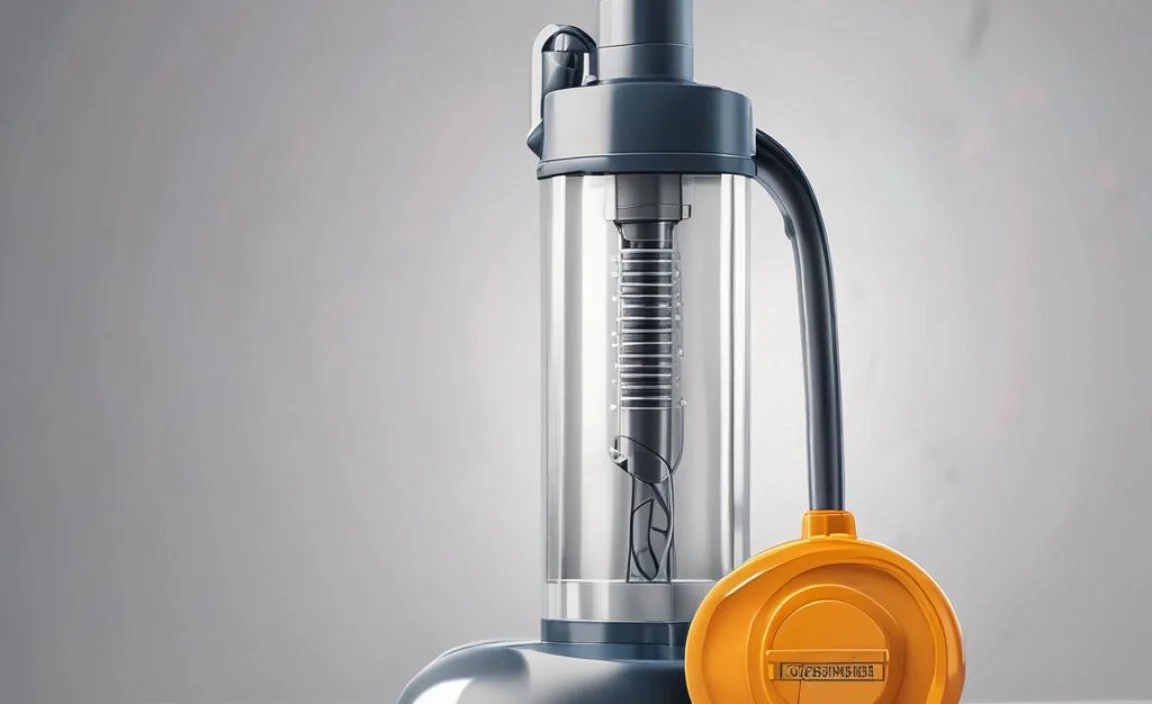
The working principle of a dynamic pump is based on transferring energy. The pump’s impeller spins around. It transfers energy to the fluid. This energy increases the fluid’s velocity and pressure. The fluid then moves through the pump and out. This process is different from positive displacement pumps. Those pumps trap and push fluid. Understanding the dynamic pump definition in hindi gives insight into this process. It shows how the pump increases the fluid’s energy. This makes it move more efficiently. This principle is used in various applications. These applications include water supply, irrigation, and industrial processes. Knowing the principle helps us to design better pumps. It also helps us to use them more effectively.
- Energy transfer is the key principle.
- The impeller spins and adds energy.
- Fluid velocity and pressure increase.
- This differs from positive displacement.
- Understanding the principle aids design.
- Efficient use comes from knowledge.
The shape and design of the impeller are very important. They affect how well the pump works. The impeller blades are curved to grab the fluid. They throw it outwards as the impeller spins. This increases the fluid’s speed and pressure. The pump casing also helps to direct the fluid. It guides it through the pump and out. The dynamic pump definition in hindi is linked to this design. It shows how the pump’s parts work together to move the fluid. The impeller and casing must be designed carefully. This ensures that the pump works efficiently. It also ensures that the pump delivers the required flow and pressure.
How Does the Impeller Transfer Energy?
Imagine throwing a ball. You put energy into the ball when you throw it. The ball then flies through the air. The impeller in a dynamic pump does something similar. It has curved blades that grab the fluid. As the impeller spins, it throws the fluid outwards. This transfers energy from the impeller to the fluid. The faster the impeller spins, the more energy it transfers. This makes the fluid move faster and with more force. The dynamic pump definition in hindi describes this process. It shows how the impeller uses its motion to add energy to the fluid. This energy is what makes the pump work.
What Role Does the Pump Casing Play?
The pump casing is like the body of the pump. It holds all the parts together and protects them. But it also plays an important role in directing the fluid. The casing is designed to guide the fluid through the pump. It ensures that the fluid flows smoothly and efficiently. The casing also helps to convert the fluid’s speed into pressure. This is done by gradually slowing down the fluid. As the fluid slows down, its pressure increases. This high-pressure fluid can then be used for different purposes. The casing is an important part of the pump’s design. It helps the pump to work effectively.
How Does Fluid Velocity Affect Pressure?
Imagine squeezing a garden hose. When you squeeze the hose, you make the water flow faster. But you also increase the water’s pressure. This is because there is less space for the water to flow through. The same thing happens in a dynamic pump. As the fluid flows through the pump, its velocity increases. This is because the impeller is adding energy to the fluid. As the velocity increases, the pressure also increases. This is because the fluid is being forced into a smaller space. The relationship between velocity and pressure is important. It helps to explain how dynamic pumps work.
Fun Fact or Stat: The efficiency of a dynamic pump can be as high as 90% in some cases!
Dynamic Pump Applications in Various Industries

Dynamic pumps are used in many different industries. They are vital for moving fluids in various processes. In water treatment, they move water through filters and pipes. In agriculture, they pump water for irrigation. In oil and gas, they transport crude oil and refined products. In chemical processing, they handle corrosive and hazardous liquids. These are just a few examples of their widespread use. The dynamic pump definition in hindi remains consistent across these sectors. It emphasizes their role in increasing fluid energy and movement. Understanding these applications shows their importance in modern industry. They are essential for many processes that we rely on every day.
- Water treatment relies on dynamic pumps.
- Agriculture uses them for irrigation.
- Oil and gas need them for transport.
- Chemical processing handles liquids.
- Their use is widespread across industries.
- They are essential for fluid movement.
The specific type of dynamic pump used depends on the application. Centrifugal pumps are common for general water transfer. Axial-flow pumps are used for large volumes at low pressure. Mixed-flow pumps offer a balance of flow and pressure. Choosing the right pump is important for efficiency and performance. The dynamic pump definition in hindi guides the selection process. It helps engineers understand the pump’s capabilities. This ensures that the pump meets the specific needs of the application. Proper selection leads to energy savings and reduced operating costs.
How Are Dynamic Pumps Used in Water Treatment?
Imagine a glass of dirty water. It needs to be cleaned before you can drink it. Water treatment plants use dynamic pumps to move water through various cleaning processes. The pumps push the water through filters to remove dirt and particles. They also pump chemicals into the water to kill bacteria and viruses. The pumps ensure that the water is clean and safe to drink. The dynamic pump definition in hindi highlights their role in this process. They provide the energy needed to move the water. This ensures that it is properly treated and ready for use.
Why Are Dynamic Pumps Important in Agriculture?
Imagine a farmer trying to water their crops by hand. It would take a very long time! Dynamic pumps make this job much easier. They pump water from wells, rivers, or reservoirs. This water is then used to irrigate the crops. The pumps ensure that the crops get enough water to grow. This helps the farmer to produce food for people to eat. The dynamic pump definition in hindi is very important in agriculture. These pumps provide the power needed to move water. They help farmers grow more food efficiently.
What Role Do Dynamic Pumps Play in Chemical Processing?
Chemical processing plants handle many different types of liquids. Some of these liquids are corrosive or hazardous. Dynamic pumps are used to move these liquids through the plant. The pumps must be designed to handle these harsh chemicals. They are often made of special materials that resist corrosion. The pumps ensure that the chemicals are moved safely and efficiently. The dynamic pump definition in hindi is crucial in this industry. These pumps provide the power needed to move dangerous liquids. They ensure that the chemical processes can operate safely.
Fun Fact or Stat: Some dynamic pumps in the oil and gas industry can pump oil over hundreds of miles!
Maintenance and Troubleshooting of Dynamic Pumps

Maintenance is very important for dynamic pumps. It helps to keep them running smoothly. Regular checks can find small problems early. This prevents bigger, more expensive repairs. Troubleshooting is also important. It helps to identify and fix problems quickly. This keeps the pumps working efficiently. Understanding the dynamic pump definition in hindi can aid in maintenance. It helps to understand how the pump should work. This makes it easier to spot when something is wrong. Proper maintenance and troubleshooting extend the pump’s life. They also save money on repairs and replacements.
- Regular maintenance is very important.
- It prevents bigger, expensive repairs.
- Troubleshooting fixes problems quickly.
- Maintenance extends the pump’s life.
- It also saves money on replacements.
- Understanding helps with maintenance.
Common maintenance tasks include checking the seals and bearings. Seals prevent leaks. Bearings help the impeller spin smoothly. Other tasks include cleaning the pump and lubricating parts. Common troubleshooting issues include leaks, noise, and reduced flow. These problems can be caused by worn seals, damaged impellers, or blocked pipes. The dynamic pump definition in hindi is linked to these issues. It shows how the pump’s parts must work together. When something goes wrong, it affects the pump’s performance. Knowing how to maintain and troubleshoot dynamic pumps is valuable. It ensures they continue to work well for a long time.
How Often Should Dynamic Pumps Be Inspected?
Imagine your bicycle. You need to check it regularly to make sure it’s working well. You might check the tires, the brakes, and the chain. Dynamic pumps are similar. They need to be inspected regularly to ensure they are working properly. The frequency of inspections depends on how often the pump is used. Pumps that are used frequently should be inspected more often. A good rule of thumb is to inspect them at least once a month. The dynamic pump definition in hindi is a reminder of how important these inspections are. They help to identify any problems early on. This prevents them from becoming bigger and more expensive to fix.
What Are Some Common Signs of Pump Problems?
Imagine your body. When you are sick, you might have a fever, a cough, or a headache. These are signs that something is wrong. Dynamic pumps also give signs when something is wrong. Some common signs include leaks, unusual noises, and reduced flow. Leaks can indicate that the seals are worn or damaged. Unusual noises can indicate that the bearings are worn or damaged. Reduced flow can indicate that the impeller is blocked or damaged. The dynamic pump definition in hindi can help you understand these signs. It can help you to identify the cause of the problem and fix it quickly.
How Can You Prevent Pump Problems?
Imagine brushing your teeth. You do it every day to prevent cavities. Preventing pump problems is similar. You need to take steps to prevent problems from happening in the first place. Some ways to prevent pump problems include regular maintenance, proper lubrication, and avoiding cavitation. Regular maintenance helps to keep the pump clean and in good working order. Proper lubrication helps to reduce friction and wear. Avoiding cavitation prevents damage to the impeller. The dynamic pump definition in hindi emphasizes the importance of these preventive measures. They help to ensure that the pump continues to work efficiently for a long time.
Fun Fact or Stat: Proper maintenance can extend the life of a dynamic pump by up to 50%!
Advantages and Disadvantages of Dynamic Pumps
Dynamic pumps have many advantages. They can move large volumes of fluid. They are also relatively simple in design. This makes them easy to maintain. However, they also have disadvantages. Their efficiency decreases at high pressures. They are also not self-priming. This means they need to be filled with fluid before starting. The dynamic pump definition in hindi helps to understand these trade-offs. It shows how their design impacts their performance. Weighing these pros and cons is important. This helps to choose the right pump for the job.
| Feature | Dynamic Pumps | Positive Displacement Pumps |
|---|---|---|
| Flow Rate | High | Low |
| Pressure | Low to Medium | High |
| Efficiency at High Pressure | Low | High |
| Self-Priming | No | Yes |
- They move large volumes of fluid.
- They are simple in design.
- Maintenance is relatively easy.
- Efficiency decreases at high pressure.
- They are not self-priming.
- Choosing the right pump is key.
The advantages of dynamic pumps make them ideal for many applications. These applications include water supply, irrigation, and cooling systems. The disadvantages limit their use in high-pressure applications. These applications include hydraulic systems and oil drilling. The dynamic pump definition in hindi helps to understand these limitations. It shows how their design affects their suitability for different tasks. Understanding these factors is crucial for engineers and designers. They can then select the best pump for each specific application. This leads to better performance and efficiency.
What Are the Main Advantages of Using Dynamic Pumps?
Imagine needing to fill a swimming pool. You would want a pump that can move a lot of water quickly. Dynamic pumps are great for this. They can move large volumes of fluid efficiently. They are also relatively simple in design. This means they are easy to maintain and repair. Dynamic pumps are a good choice when you need to move a lot of fluid. The dynamic pump definition in hindi highlights this advantage. They use a spinning impeller to add energy to the fluid. This makes them very efficient at moving large volumes.
What Are the Main Disadvantages of Using Dynamic Pumps?
Imagine needing to pump air into a bicycle tire. You would want a pump that can create high pressure. Dynamic pumps are not the best choice for this. Their efficiency decreases at high pressures. They are also not self-priming. This means they need to be filled with fluid before you can start them. Dynamic pumps are not a good choice when you need high pressure. The dynamic pump definition in hindi helps to explain this disadvantage. They rely on momentum to move the fluid. This makes them less effective at creating high pressure.
When Should You Choose a Dynamic Pump Over Another Type?
Imagine needing to choose between a truck and a sports car. A truck is good for hauling heavy loads. A sports car is good for speed and agility. Dynamic pumps are like trucks. They are good for moving large volumes of fluid. Positive displacement pumps are like sports cars. They are good for creating high pressure. You should choose a dynamic pump when you need to move a lot of fluid. You should choose a positive displacement pump when you need high pressure. The dynamic pump definition in hindi is a guide to making this choice. It reminds you that dynamic pumps are best for moving large volumes efficiently.
Fun Fact or Stat: The first centrifugal pump was invented in the 17th century!
Summary
Dynamic pumps are a vital part of many systems. They are used to move fluids in many industries. Understanding the dynamic pump definition in hindi helps us understand their function. They use spinning impellers to add energy to fluids. This makes them efficient at moving large volumes. There are different types of dynamic pumps. Each type is suited for specific applications. Common types include centrifugal, axial-flow, and mixed-flow pumps. Maintenance and troubleshooting are important. They ensure the pumps continue to work well. Regular checks can prevent costly repairs. Choosing the right pump is crucial for efficiency. Understanding the advantages and disadvantages helps in this process.
Conclusion
Dynamic pumps are important for moving fluids. They are used in many different industries and applications. The dynamic pump definition in hindi helps us understand their basic function. They use a spinning impeller to add energy to fluids. This makes them efficient at moving large volumes. Understanding how they work is important for engineers and technicians. It allows them to choose the right pump for the job. It also helps them maintain and troubleshoot the pumps effectively. Dynamic pumps play a vital role in our modern world. They help us move water, oil, chemicals, and other fluids. They make many of the things we rely on every day possible.
Frequently Asked Questions
Question No 1: What exactly is a dynamic pump?
Answer: A dynamic pump is a type of pump that uses a rotating impeller to move fluids. The impeller adds energy to the fluid. This increases its velocity and pressure. This type of pump is different from positive displacement pumps. Those pumps trap and push the fluid. Dynamic pumps are great for moving large volumes of fluid. They are commonly used in water systems and industrial processes. The dynamic pump definition in hindi highlights the principle of energy transfer. It shows how the impeller’s motion creates flow. This makes them efficient for many applications.
Question No 2: What are the different types of dynamic pumps?
Answer: There are several types of dynamic pumps. The most common is the centrifugal pump. These pumps use a spinning impeller to throw the fluid outwards. Axial-flow pumps use a propeller-like impeller to push the fluid along a straight line. Mixed-flow pumps combine features of both centrifugal and axial-flow pumps. Each type is suited for different applications. Centrifugal pumps are good for general water transfer. Axial-flow pumps are good for large volumes at low pressure. Mixed-flow pumps offer a balance of flow and pressure. Understanding the dynamic pump definition in hindi helps to differentiate them. It clarifies how each type uses the impeller to move fluids.
Question No 3: How does a dynamic pump work?
Answer: A dynamic pump works by using a spinning impeller to add energy to the fluid. The impeller has curved blades that grab the fluid. As the impeller spins, it throws the fluid outwards. This increases the fluid’s velocity and pressure. The fluid then flows through the pump and out. The pump casing helps to direct the fluid. It ensures that it flows smoothly and efficiently. The dynamic pump definition in hindi emphasizes the importance of the impeller. It shows how its motion is key to the pump’s operation. This makes them effective for moving fluids in many applications.
Question No 4: What are the advantages of using a dynamic pump?
Answer: Dynamic pumps have several advantages. They can move large volumes of fluid efficiently. They are also relatively simple in design. This makes them easy to maintain and repair. Dynamic pumps are also versatile. They can be used in many different applications. These advantages make them a popular choice for many industries. Understanding the dynamic pump definition in hindi helps to appreciate these benefits. The impeller’s design allows for efficient fluid movement. This makes them a good option when high flow rates are needed.
Question No 5: What are the disadvantages of using a dynamic pump?
Answer: Dynamic pumps also have some disadvantages. Their efficiency decreases at high pressures. They are also not self-priming. This means they need to be filled with fluid before starting. Dynamic pumps are not a good choice for applications that require high pressure. The dynamic pump definition in hindi helps to explain these limitations. They rely on momentum to move the fluid. This makes them less effective at creating high pressure. This means other types of pumps might be better for certain jobs.
Question No 6: How do I maintain a dynamic pump?
Answer: Maintaining a dynamic pump is important for keeping it running smoothly. Regular maintenance includes checking the seals and bearings. These parts can wear out over time. You should also clean the pump regularly. This prevents buildup of dirt and debris. Lubricating the moving parts can also help to reduce friction and wear. Following a regular maintenance schedule will extend the pump’s life. It will also prevent costly repairs. The dynamic pump definition in hindi reminds you that these pumps need care. Regular maintenance ensures they continue to work efficiently and reliably.


