
Air Tool Comp Floor Pump Parts: Easy Fix Guide

Did you ever wonder how your bike tires stay full of air? It is all thanks to helpful tools. These tools include things like air compressors and floor pumps. Sometimes, you need to fix or replace parts of these tools. These parts are called air tool comp floor pump parts. Let’s learn more about these important parts.
Have you ever seen a big machine filling tires at a car shop? That is likely an air compressor. A floor pump is what many people use at home. Both tools need good air tool comp floor pump parts to work well. What are these parts? Let’s find out.
Key Takeaways
- Good air tool comp floor pump parts keep your tools working right.
- Common floor pump parts include hoses, valves, and pressure gauges.
- Air compressors need parts like tanks, motors, and pressure switches.
- Knowing about these parts helps you fix your pump or compressor.
- Regular care of your tools makes them last longer.
Essential Air Tool Components
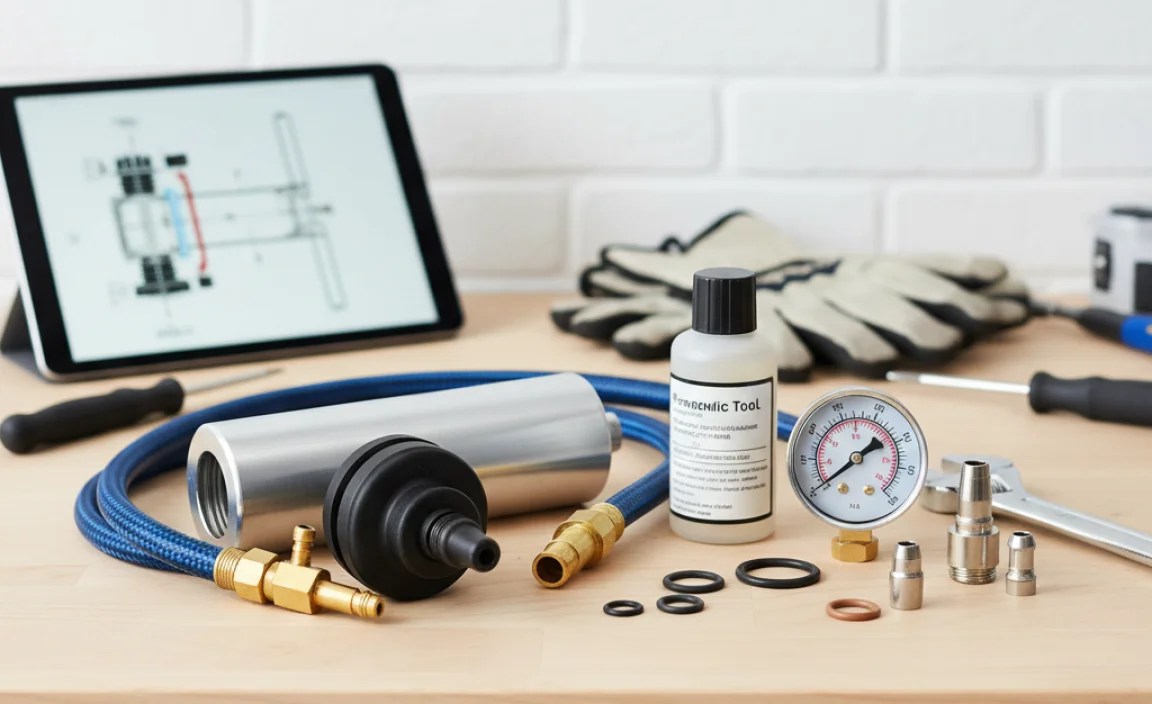
Air tools use compressed air to do work. They are strong and helpful. Compressors power these tools. They need many parts to work well. Some parts are tanks and motors. Other parts are hoses and regulators. These air tool comp floor pump parts are very important. Without them, the tool won’t work. A good compressor makes jobs easier. It helps around the house and at work. It can fill tires and power many tools. Taking care of these parts is key. It keeps the tools working for a long time. Always check your air tool parts. Make sure they are in good shape. This helps you stay safe when using them. Are you ready to learn more about each part?
- Air tanks store compressed air.
- Motors power the compressor.
- Hoses carry air to the tools.
- Regulators control air pressure.
- Fittings connect parts together.
Air compressors are very useful machines. They help us in many ways every day. They power nail guns for building. They also help paint cars smoothly. Air tools make these jobs much faster. Air compressors have many sizes. Some are small for home use. Others are big for factories. Each one uses different air tool comp floor pump parts. These parts must be strong and work well. When these parts break, you can fix them. Knowing how to fix them saves money. It also keeps your tools working. Remember to read the manual. This helps you understand how your compressor works. Do you know how many different air tools exist?
What Does the Air Tank Do?
The air tank is a big container. It holds the air that the compressor makes. Think of it like a balloon. The air is pumped into the tank. Then, it waits there until you need it. The tank must be very strong. It needs to hold a lot of pressure. The tank also has a drain valve. This valve lets out water that collects inside. If you don’t drain the water, the tank can rust. A rusty tank can be dangerous. It might even explode! So, always drain your air tank. This keeps it safe and working well. Do you check your air tank often?
Why Is the Motor Important?
The motor is the heart of the air compressor. It makes everything work. The motor turns the pump. The pump sucks in air and squeezes it. This makes the air hot and full of pressure. The motor needs to be strong. It has to work hard for a long time. Some motors use electricity. Other motors use gas. Electric motors are good for inside. Gas motors are good for outside. Make sure your motor is clean. Keep it away from dirt and dust. This helps it last longer. Have you ever seen inside a motor?
How Do Hoses Connect to Tools?
Hoses are like roads for air. They take the air from the compressor to the tool. Hoses must be strong. They need to handle the high pressure. They also need to be flexible. This lets you move the tool around. Hoses come in many sizes. The size you need depends on the tool. Some tools need more air than others. Make sure your hose is not cracked. Check it for leaks. Leaks waste air and make the compressor work harder. Also, make sure the hose is connected tightly. This keeps the air flowing smoothly. Do you know how to connect a hose to a tool?
Fun Fact or Stat: The first air compressor was invented in 1829. It was used in a coal mine!
Floor Pump Features and Functions
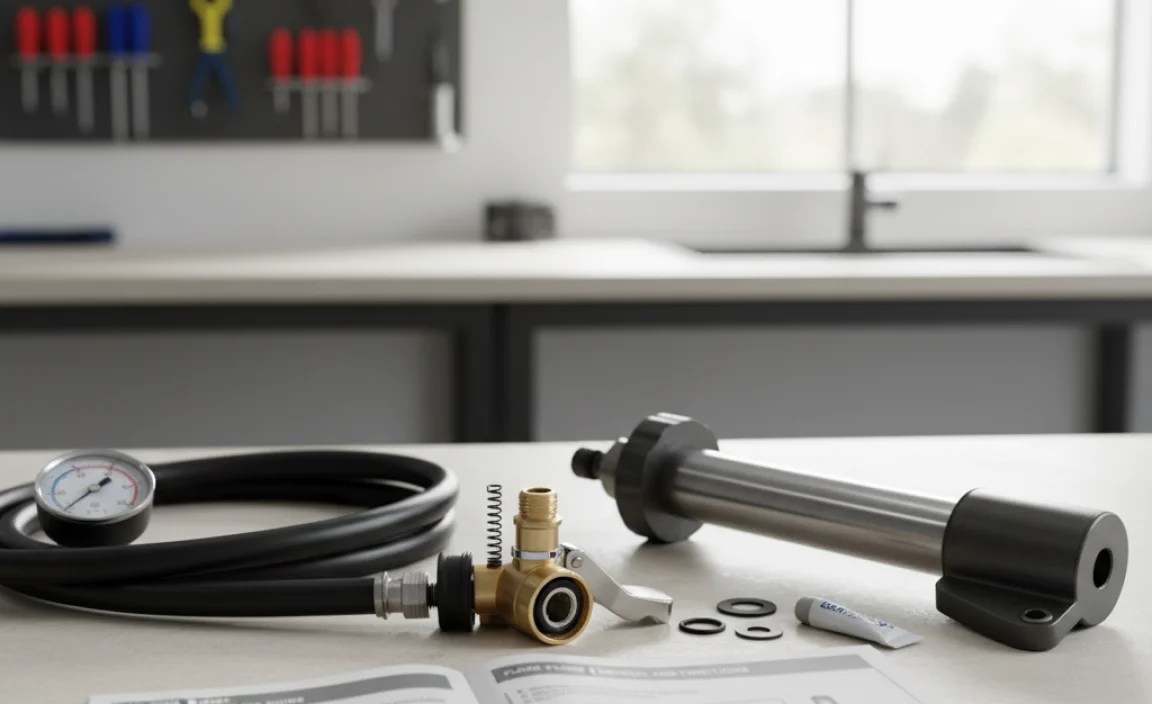
Floor pumps are useful for keeping your bike tires full. They are easy to use at home. These pumps have different parts. Some parts are the handle, the hose, and the gauge. The handle helps you push air into the tire. The hose connects the pump to the tire. The gauge shows how much air is in the tire. Good air tool comp floor pump parts make the pump work better. They also make it last longer. When you pump, air goes into the tire. This makes the tire hard and ready to ride. Taking care of your floor pump is important. It helps keep your bike tires in good shape. Do you know how to use a floor pump?
- Handles let you pump easily.
- Hoses connect the pump to the tire.
- Gauges show the air pressure.
- Valves control the air flow.
- Bases keep the pump steady.
- Foot pads add comfort.
Floor pumps are simple machines. They use your power to push air. The air goes into your bike tire. The pump has a cylinder. The cylinder is a tube that holds air. When you push the handle, the cylinder squeezes the air. This air goes through the hose. Then, it goes into your tire. The gauge tells you how much air is inside. You want the right amount of air. Too little air makes it hard to ride. Too much air can make the tire explode! Some pumps have special heads. These heads fit different types of valves. Knowing about air tool comp floor pump parts helps you pick the right pump. Have you ever tried to pump a tire with the wrong head?
What Does the Handle Do?
The handle is what you hold when you pump. It needs to be strong and comfortable. A good handle helps you push easily. Some handles are made of wood. Others are made of plastic or metal. The handle connects to a rod. The rod pushes the piston. The piston squeezes the air. The handle needs to be the right size. If it is too small, it is hard to push. If it is too big, it is hard to hold. Look for a handle that fits your hand well. This makes pumping easier and more fun. Can you pump a tire with one hand?
How Does the Hose Connect?
The hose connects the pump to the tire valve. It needs to be strong and flexible. The hose carries the air to the tire. Some hoses are short. Others are long. A longer hose lets you reach the tire easily. The hose connects to the valve head. The valve head fits on the tire valve. There are different types of valve heads. Some fit Presta valves. Others fit Schrader valves. Make sure you have the right valve head. This lets you pump up your tire. What kind of valve does your bike have?
Why Is the Gauge Important?
The gauge tells you how much air is in the tire. It shows the pressure in PSI. PSI means pounds per square inch. The gauge helps you put the right amount of air in the tire. Too little air makes the tire soft. Too much air can make it explode. The gauge has a needle. The needle points to the pressure number. Look at the side of your tire. It tells you the right PSI. Pump until the needle reaches that number. Then, you know your tire is ready to ride. Do you know what PSI your tires need?
Fun Fact or Stat: The first bicycle tire pump was invented in the late 1800s.
Identifying Floor Pump Parts

Floor pumps have many parts that work together. Knowing these parts helps you fix the pump. The base keeps the pump steady. The cylinder squeezes the air. The piston pushes the air. The hose carries the air to the tire. The valve head fits on the tire valve. The gauge shows the air pressure. These air tool comp floor pump parts are important. When one part breaks, the pump might not work. You can buy replacement parts. This saves you from buying a new pump. Do you know the names of all the parts?
- Base keeps the pump stable.
- Cylinder holds the air.
- Piston compresses the air.
- Hose delivers the air.
- Valve head connects to the tire.
- Gauge shows the pressure.
Floor pumps are easy to take apart. You can see how each part works. The base is usually made of metal or plastic. It keeps the pump from tipping over. The cylinder is a long tube. The piston moves up and down inside the cylinder. This pushes the air out. The hose is made of rubber or plastic. It needs to be strong enough to hold the air pressure. The valve head has a special design. It lets air go into the tire but not back out. The gauge is a small meter. It measures the air pressure inside the tire. Understanding these air tool comp floor pump parts helps you keep your pump in good shape. Have you ever taken apart a floor pump?
What Makes the Base Stable?
The base is the bottom part of the pump. It keeps the pump from falling over. The base needs to be wide and strong. Some bases are made of steel. Others are made of plastic. Steel bases are heavier and more stable. Plastic bases are lighter and easier to carry. The base has feet on the bottom. These feet grip the floor. This keeps the pump from sliding around. Make sure the base is clean. Dirt can make it slippery. A stable base makes pumping easier and safer. What kind of base does your pump have?
How Does the Cylinder Work?
The cylinder is a long tube. It holds the air that gets pumped. The piston moves inside the cylinder. When you push the handle, the piston goes down. This squeezes the air in the cylinder. The air gets pushed out through the hose. The cylinder needs to be smooth inside. This helps the piston move easily. Some cylinders are made of metal. Others are made of plastic. Metal cylinders are stronger and last longer. Plastic cylinders are lighter and cheaper. How does your cylinder feel when you pump?
What Does the Valve Head Do?
The valve head connects to the tire valve. It lets air go into the tire. It also stops air from coming back out. There are two main types of valve heads. One is for Schrader valves. The other is for Presta valves. Schrader valves are like car tire valves. Presta valves are thinner and longer. Some valve heads can fit both types of valves. These are called universal valve heads. Make sure you have the right valve head for your tire. This lets you pump up your tire easily. Can you name the two types of valves?
Fun Fact or Stat: Some floor pumps have two cylinders. This makes it easier to pump up tires quickly.
Air Compressor Maintenance Tips
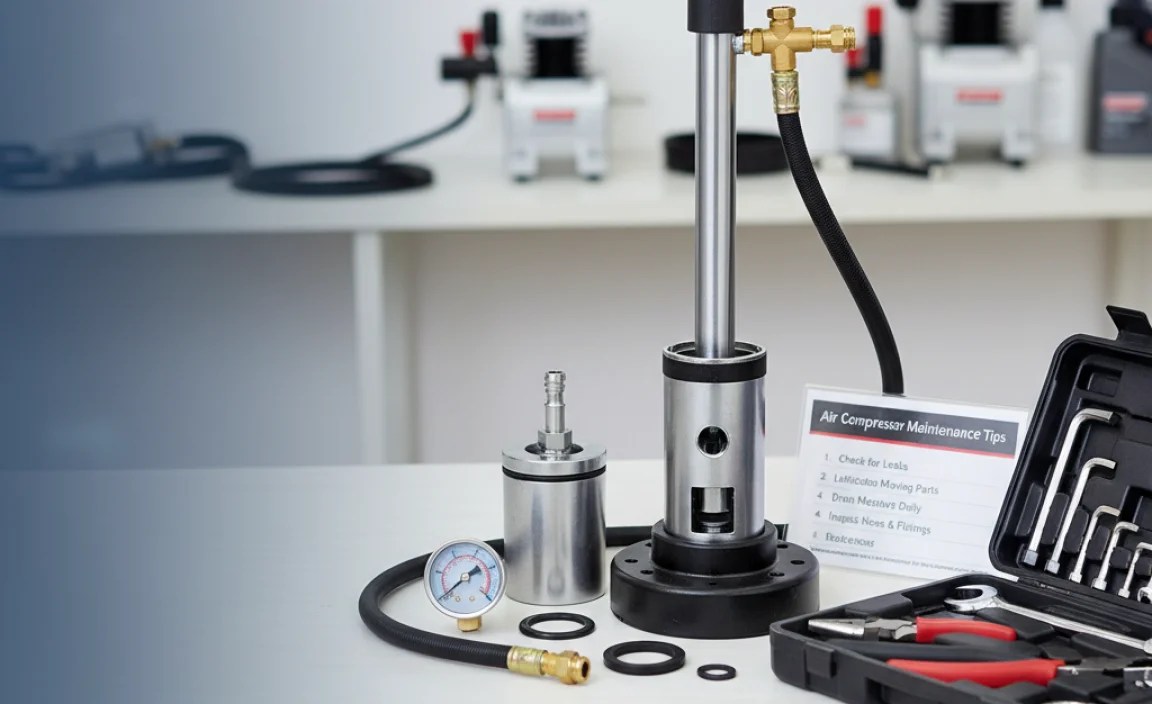
Air compressors need regular care to work well. Check the air filter often. Clean or replace it when it is dirty. Drain the air tank to remove water. This prevents rust. Check the hoses for leaks. Tighten loose fittings. Oil the motor if needed. These steps keep your compressor running smoothly. Good air tool comp floor pump parts help too. Taking care of your compressor saves money. It also makes your tools last longer. Do you know how to maintain your compressor?
- Clean or replace air filters.
- Drain the air tank regularly.
- Check hoses for leaks.
- Tighten loose fittings.
- Oil the motor if needed.
- Store the compressor properly.
Air compressors are machines that need attention. The air filter stops dust from getting inside. A dirty filter makes the compressor work harder. This wastes energy. Draining the air tank gets rid of water. Water can rust the tank. Hoses can crack or leak over time. Check them often and replace them if needed. Loose fittings can cause air leaks. Tighten them with a wrench. Some motors need oil to run smoothly. Check the motor’s manual to see if it needs oil. Storing the compressor in a dry place helps prevent rust. These air tool comp floor pump parts will work better if you care for them. Have you ever forgotten to drain your air tank?
How Often Should I Drain the Tank?
You should drain the air tank often. Do it after each use. This gets rid of water that collects inside. Water can cause rust. Rust weakens the tank. A weak tank can be dangerous. To drain the tank, open the drain valve. Let the water flow out. Close the valve when the water stops. Some tanks have automatic drains. These drains open and close by themselves. Check your tank regularly. Make sure the drain is working. Draining the tank keeps your compressor safe. Do you drain your tank every time?
Why Is Filter Cleaning Important?
The air filter stops dust and dirt. These things can damage the compressor. A dirty filter makes the compressor work harder. This wastes energy and can overheat the motor. Clean the filter every few months. You can use compressed air to blow out the dirt. Some filters can be washed with soap and water. Let the filter dry completely before putting it back. Replace the filter if it is too dirty to clean. A clean filter helps your compressor run smoothly. Is your filter clean right now?
What Should I Check on the Hoses?
Hoses carry air from the compressor to the tools. They need to be strong and flexible. Check the hoses for cracks or leaks. Look for bubbles when the compressor is running. Tighten any loose fittings. Replace the hose if it is damaged. Use the right size hose for your tools. A small hose can restrict air flow. A large hose can be heavy and hard to manage. Store the hose properly. This prevents it from getting tangled or damaged. Do you roll up your hose after using it?
Fun Fact or Stat: Regular maintenance can extend the life of your air compressor by several years.
Floor Pump Repair Basics
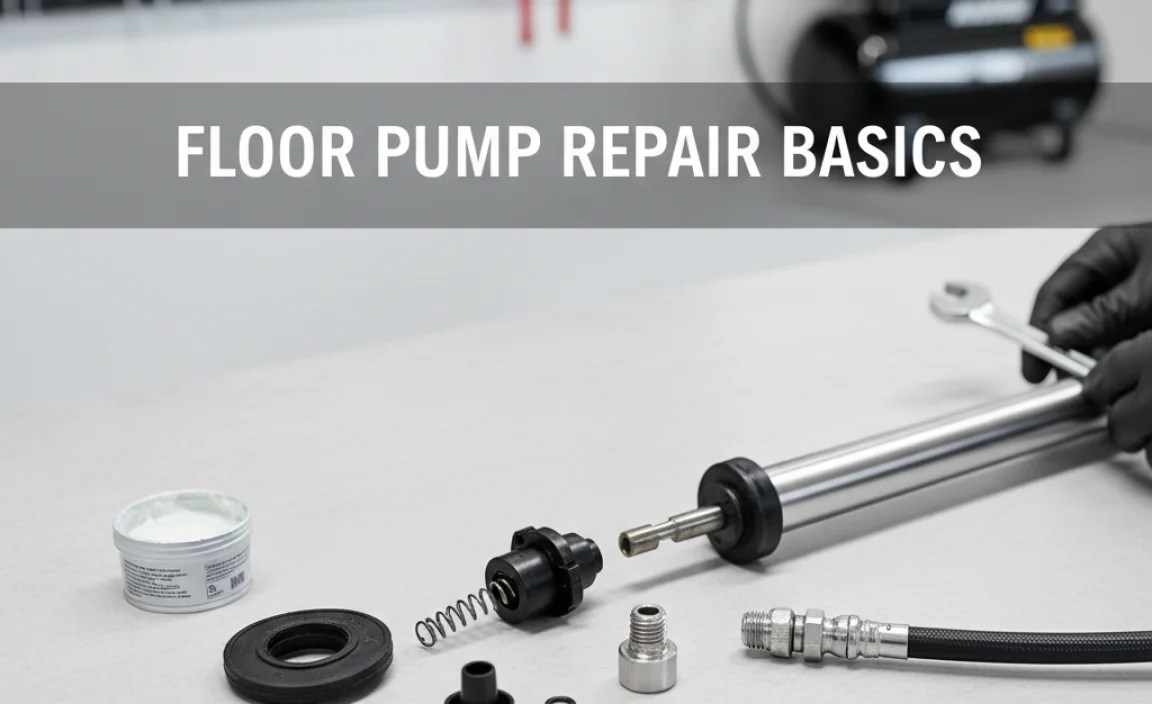
Floor pumps can break down over time. Parts can wear out or get damaged. You can often fix them yourself. Common problems include leaks and broken valves. Sometimes the handle gets stuck. You can replace air tool comp floor pump parts. This saves you money. First, find out what is wrong. Then, get the right parts. Use the right tools to fix the pump. With a little effort, your pump will work like new again. Do you know how to fix a floor pump?
- Identify the problem first.
- Get the right replacement parts.
- Use the correct tools for the job.
- Follow instructions carefully.
- Test the pump after repair.
Floor pumps are simple machines. But they can still have problems. Leaks are a common issue. They often happen at the hose or valve head. Check these areas first. A broken valve can stop air from going into the tire. You can replace the valve head. Sometimes the handle gets stuck. This can be due to dirt or rust. Clean and lubricate the pump. This can free up the handle. Replacing air tool comp floor pump parts is easy. Just follow the instructions. Then your pump will work great again. Have you ever fixed something yourself?
How Do I Fix a Leaky Hose?
A leaky hose can waste air. It makes it harder to pump up your tires. First, find the leak. Look for bubbles or listen for hissing. If the leak is at the fitting, tighten it. Use a wrench to make it snug. If the hose is cracked, you need to replace it. Cut the old hose off. Attach the new hose to the pump and valve head. Make sure the connections are tight. Test the pump to see if the leak is gone. A new hose makes a big difference. Have you ever patched a leaky hose?
What If the Valve Head Is Broken?
A broken valve head can stop air from going into the tire. You need to replace the valve head. First, remove the old valve head. Unscrew it from the hose. Get a new valve head that fits your tire valves. There are Schrader and Presta valve heads. Some heads fit both types. Attach the new valve head to the hose. Tighten it securely. Test the pump to see if it works. A new valve head makes pumping easy again. Do you know which valve head you need?
Why Is My Handle Stuck?
A stuck handle can be frustrating. It makes it hard to pump. First, try cleaning the pump. Dirt and rust can make the handle stick. Use a cloth to wipe down the cylinder and piston. Then, lubricate the pump. Use a light oil or grease. Apply it to the moving parts. Work the handle back and forth. This helps the lubricant spread. If the handle is still stuck, you might need to take the pump apart. Check for broken parts. Replace them if needed. A smooth handle makes pumping much easier. Have you ever used oil to fix something?
Fun Fact or Stat: Repairing your floor pump is often cheaper than buying a new one.
Air Tool Replacement Parts
Air tools need replacement parts over time. These parts include hoses, fittings, and regulators. They also include motors and tanks. Knowing where to find these parts is helpful. You can buy them online or at a store. Make sure you get the right parts for your tool. Using the wrong parts can cause damage. Good air tool comp floor pump parts keep your tools working. They also keep you safe. Do you know where to buy replacement parts?
- Hoses deliver air to the tools.
- Fittings connect parts together.
- Regulators control air pressure.
- Motors power the compressor.
- Tanks store compressed air.
- Valves control air flow.
Air tools are strong but can break. Hoses can crack or leak. Fittings can get loose or break. Regulators can stop working. Motors can burn out. Tanks can rust. Valves can get stuck. When these things happen, you need replacement parts. You can find these parts at hardware stores. You can also find them online. Make sure you know the model number of your tool. This helps you get the right parts. Using the right air tool comp floor pump parts makes your tools last longer. Have you ever replaced a part on an air tool?
Where Can I Buy Hoses?
Hoses are easy to find. You can buy them at hardware stores. You can also buy them online. Measure the old hose before you buy a new one. Make sure the new hose is the same length. Check the fittings on the hose. They need to fit your tool. Some hoses are made of rubber. Others are made of plastic. Rubber hoses are more flexible. Plastic hoses are more durable. Choose the hose that is best for your needs. A good hose makes using air tools easier. Do you prefer rubber or plastic hoses?
How Do I Choose the Right Fittings?
Fittings connect parts together. They need to be the right size and shape. There are many different types of fittings. Some are for air hoses. Others are for water pipes. Make sure you get the right fittings for your air tools. Check the size of the threads. The threads need to match the parts you are connecting. Use Teflon tape on the threads. This helps prevent leaks. Tighten the fittings with a wrench. A good connection prevents air leaks. Do you know how to use Teflon tape?
Why Are Regulators Important?
Regulators control the air pressure. They keep the pressure at the right level. Too much pressure can damage your tools. Too little pressure can make them not work well. Regulators have a gauge. The gauge shows the air pressure. You can adjust the pressure by turning a knob. Make sure the regulator is working properly. If it is not, replace it. A good regulator protects your tools. It also keeps you safe. Do you know how to adjust a regulator?
Fun Fact or Stat: Some air tool parts are universal and fit many different brands.
Choosing the Best Floor Pump
Choosing the right floor pump is important. Think about what you need. Do you need a pump for home or travel? Consider the types of valves you have. Look for a pump with a good gauge. A stable base is important too. Good air tool comp floor pump parts make a pump better. A good pump makes it easy to keep your tires inflated. It also makes your bike rides safer. Do you know what to look for in a floor pump?
- Consider your needs.
- Check the valve compatibility.
- Look for a good gauge.
- Choose a stable base.
- Read reviews before buying.
Floor pumps come in many styles. Some are small and lightweight. These are good for travel. Others are big and strong. These are good for home use. Think about the types of valves you have. Some pumps only work with Schrader valves. Others only work with Presta valves. Some pumps work with both. A good gauge helps you inflate your tires to the right pressure. A stable base keeps the pump from tipping over. Reading reviews can help you choose a good pump. Look for air tool comp floor pump parts that are strong and durable. Have you ever used a travel pump?
What Kind of Valves Do You Have?
There are two main types of tire valves. Schrader valves are like car tire valves. They are wider and have a spring-loaded pin. Presta valves are thinner and longer. They have a nut that you need to loosen before inflating. Check your tires to see what kind of valves you have. Then, choose a pump that works with those valves. Some pumps have a dual head. This means they can work with both types of valves. Knowing your valve type is important. It helps you choose the right pump. Do you know which valve type you have?
How Important Is a Good Gauge?
A good gauge is very important. It tells you the air pressure in your tires. Too much pressure can make your tires explode. Too little pressure can make it hard to ride. The gauge should be easy to read. The numbers should be clear. The needle should move smoothly. Some gauges are digital. These are very accurate. A good gauge helps you inflate your tires to the right pressure. This makes your bike rides safer and more fun. Can you read a tire pressure gauge?
Why Does the Base Need to Be Stable?
A stable base keeps the pump from tipping over. This makes it easier to pump up your tires. The base should be wide and strong. It should have feet that grip the floor. Some bases are made of steel. These are very stable. Others are made of plastic. These are lighter and easier to carry. Choose a base that is right for you. A stable base makes pumping easier and safer. Have you ever had a pump tip over while you were using it?
Fun Fact or Stat: Some floor pumps have built-in storage for tools and spare parts.
Troubleshooting Air Compressor Problems
Air compressors can have problems. They might not start. They might leak air. They might make strange noises. Knowing how to troubleshoot these problems is helpful. Check the power cord. Check the air filter. Check the hoses and fittings. Sometimes you need to replace air tool comp floor pump parts. With a little knowledge, you can fix many problems. This saves you money and keeps your tools working. Do you know how to troubleshoot an air compressor?
- Check the power cord.
- Clean or replace the air filter.
- Check hoses and fittings for leaks.
- Drain the air tank.
- Listen for strange noises.
Air compressors are useful tools. But they can have problems. If the compressor does not start, check the power cord. Make sure it is plugged in. Check the air filter. A dirty filter can make the compressor overheat. Check the hoses and fittings for leaks. Leaks can reduce the air pressure. Drain the air tank regularly. Water can cause rust and damage. Listen for strange noises. These can be a sign of a problem. Replacing air tool comp floor pump parts can fix many issues. Have you ever had trouble with an air compressor?
What If the Compressor Won’t Start?
If the compressor won’t start, check the power cord. Make sure it is plugged in. Check the circuit breaker. It might have tripped. Check the motor. It might be overheated. Let it cool down before trying again. Check the pressure switch. It might be broken. Replace it if needed. A working compressor is important for many jobs. Do you know where the circuit breaker is in your house?
Why Is My Compressor Leaking Air?
Air leaks can reduce the air pressure. This makes the compressor work harder. Check the hoses for cracks or holes. Check the fittings for looseness. Tighten any loose fittings with a wrench. Replace any damaged hoses. Check the tank for rust. Rust can cause leaks. Drain the tank regularly to prevent rust. Fixing air leaks makes the compressor more efficient. Have you ever found a leak in an air hose?
What Do Strange Noises Mean?
Strange noises can be a sign of a problem. Listen carefully to the noises. A hissing noise might mean an air leak. A grinding noise might mean a problem with the motor. A rattling noise might mean loose parts. Check the compressor carefully. Try to find the source of the noise. Repair or replace any damaged parts. Addressing problems early can prevent bigger issues. What kind of noises has your compressor made?
Fun Fact or Stat: Many air compressor problems can be solved with simple maintenance and repairs.
Summary
Air tool comp floor pump parts are important for keeping your tools working well. Air compressors need parts like tanks, motors, and hoses. Floor pumps need parts like handles, hoses, and gauges. Taking care of these parts helps your tools last longer. Regular maintenance and repairs can save you money. Knowing about these parts makes you a better tool user. Whether it’s a big air compressor or a simple floor pump, understanding the parts is key. Keeping your tools in good shape helps you with many tasks.
Remember to check your tools regularly. Look for leaks, cracks, and other damage. Clean and lubricate the parts as needed. Replace worn-out parts promptly. By following these tips, you can keep your air tools and floor pumps working for many years. Good air tool comp floor pump parts are worth the investment. They ensure your tools are always ready when you need them. So, take care of your tools, and they will take care of you.
Conclusion
Understanding air tool comp floor pump parts is important for keeping your tools in good shape. Air compressors and floor pumps are useful for many jobs. Knowing how to maintain and repair them saves you money. By taking care of these tools, you can make them last longer. This knowledge helps you be a better and safer tool user. Keep learning about your tools and how they work. You will be able to fix them when problems happen.
Frequently Asked Questions
Question No 1: What are the most common air tool parts that need replacement?
Answer: The most common air tool parts that need replacement include hoses, fittings, and regulators. Hoses can crack or leak over time, especially with frequent use or exposure to extreme temperatures. Fittings, which connect different parts of the air tool system, can become loose or damaged. Regulators, responsible for controlling air pressure, may fail to function correctly. These parts are essential for the proper operation of air tools. Regular inspection and timely replacement of these parts can ensure the continued performance and safety of your air tools.
Question No 2: How often should I replace my floor pump hose?
Answer: You should replace your floor pump hose when you notice any signs of wear and tear. This includes cracks, leaks, or stiffness in the hose material. A damaged hose can affect the pump’s ability to inflate tires properly. Regular inspection of the hose is important. Check for any visible damage before each use. If you use your floor pump frequently, you might need to replace the hose more often. A good quality hose, which is part of the air tool comp floor pump parts, can last longer and provide better performance.
Question No 3: Can I use any type of oil for my air compressor motor?
Answer: No, you should not use just any type of oil for your air compressor motor. Always use the type of oil recommended by the manufacturer. Air compressor motors often require specific types of oil. These oils are designed to withstand the high temperatures and pressures inside the compressor. Using the wrong type of oil can damage the motor. This can lead to reduced performance or even complete failure. Check your compressor’s manual for the recommended oil type. Using the correct oil helps to maintain the air tool comp floor pump parts and extends the life of your compressor.
Question No 4: How do I know if my floor pump gauge is accurate?
Answer: To check the accuracy of your floor pump gauge, compare it with another reliable gauge. You can use a digital tire pressure gauge or another floor pump with a known accurate gauge. Inflate a tire using your floor pump. Then, check the pressure with the second gauge. If the readings are different, your floor pump gauge might be inaccurate. You can try to calibrate the gauge if possible. Otherwise, consider replacing the gauge to ensure you are inflating your tires to the correct pressure. Accurate air tool comp floor pump parts like the gauge are very important for safety.
Question No 5: What should I do if my air compressor tank is rusting?
Answer: If your air compressor tank is rusting, take immediate action to prevent further damage. First, drain the tank completely to remove any moisture. Use a wire brush to remove any loose rust from the surface. Apply a rust converter to the affected areas. This will help to stop the rust from spreading. Consider coating the inside of the tank with a rust inhibitor. Regularly draining the tank after each use can help to prevent rust from forming. Addressing rust early can extend the life of your compressor and its air tool comp floor pump parts.
Question No 6: Where can I find replacement parts for my specific floor pump model?
Answer: You can find replacement parts for your specific floor pump model from several sources. Start by checking the manufacturer’s website. They often have a parts section or a list of authorized dealers. Online retailers that specialize in bicycle equipment can also be a good source. Make sure to have the model number of your floor pump handy. This will help you find the correct parts. Local bike shops might also carry some common replacement parts. Using the right air tool comp floor pump parts ensures that your pump works properly and safely.


