
Types of Dynamic Pumps: Find the Perfect Match!

Do you know how water gets to your home? Or how juice is made in factories? Pumps help move liquids. There are many kinds of pumps. Some pumps use pushing. Others use spinning. These are two main types of dynamic pumps. They help us every day.
Imagine a water park. Water rushes down slides. Then, it goes back up to the top. Pumps make this happen! They are like the heart of the water park. They keep the fun flowing. Learning about them is super cool.
Some pumps are big and strong. They move lots of liquid. Others are small and precise. They move just a little bit. All types of dynamic pumps have a job to do. Let’s find out more about them.
Key Takeaways
- Dynamic pumps use spinning parts to move fluids, making them efficient for many jobs.
- Centrifugal pumps are common types of dynamic pumps, using impellers to increase fluid pressure.
- Axial-flow pumps excel at moving large volumes of fluid with minimal pressure increase.
- Proper pump selection ensures optimal performance, energy efficiency, and longevity of equipment.
- Understanding pump characteristics is crucial for system design and maintenance in various industries.
What Are Dynamic Pumps?
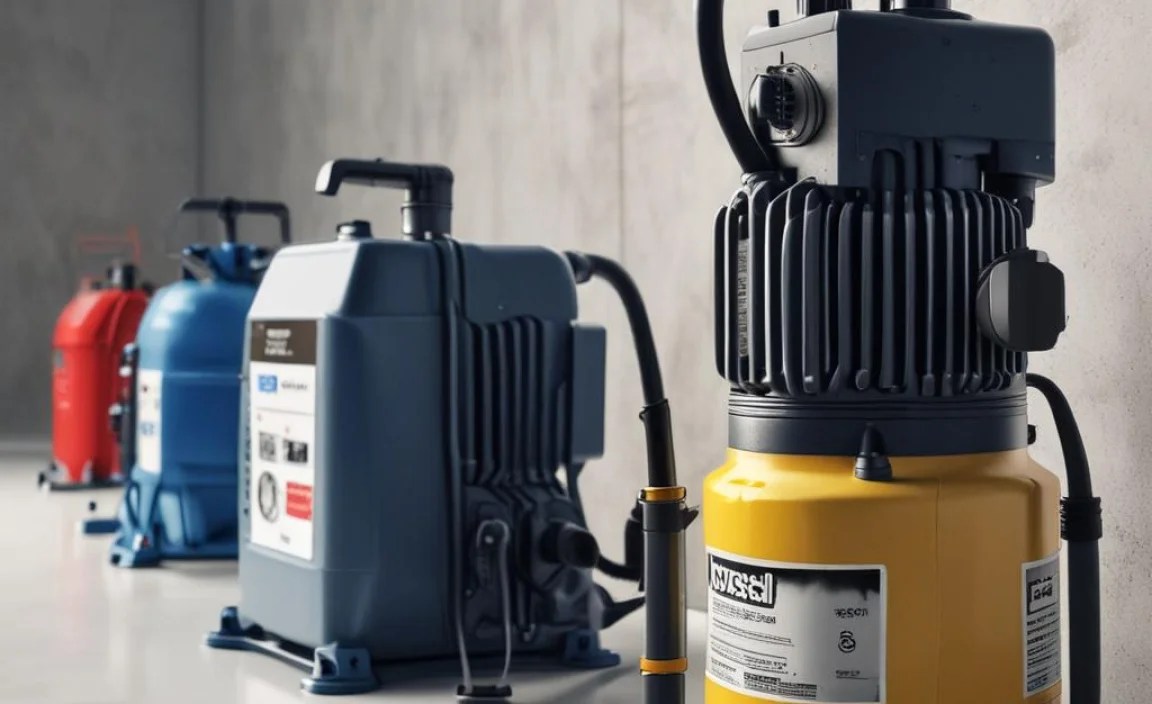
Dynamic pumps are machines that add energy to fluids. They use a spinning part called an impeller or rotor. This spinning part pushes the fluid. It makes the fluid move faster. Then, the fluid goes out of the pump. This type of pump is great for moving large amounts of fluid. They can move water, oil, and even chemicals. These pumps are used in many places. You can find them in water treatment plants. They are also in factories and power plants. Dynamic pumps are important for many industries. They help keep things running smoothly. Without them, many things would stop working. They are reliable and efficient. This makes them a good choice for many jobs. People who work with dynamic pumps need to know how they work. This helps them fix the pumps if they break.
- Dynamic pumps add energy to fluids.
- They use a spinning part.
- The spinning part is called an impeller.
- Fluids move faster because of the impeller.
- These pumps move water, oil, and chemicals.
Think about a time you spun around. You felt yourself being pushed outward. Dynamic pumps work in a similar way. The spinning impeller pushes the fluid outward. This increases the fluid’s speed and pressure. Then, the fluid can move to where it needs to go. Engineers choose dynamic pumps for their efficiency. They also choose them for their ability to handle different fluids. Understanding how they work helps us appreciate the technology around us. Dynamic pumps are a great example of simple science solving big problems. They help us move fluids in a safe and effective way.
How Impellers Work
Have you ever watched a fan spin? An impeller is like a fan inside a pump. It has blades that push the fluid. As the impeller spins, it grabs the fluid. The blades then throw the fluid outward. This makes the fluid move faster and increases its pressure. The shape and size of the impeller matter. Different shapes work better for different fluids. Some impellers are open. Others are closed. The type of impeller used depends on the job. It is important to choose the right one. This makes the pump work best. Engineers carefully design impellers. They want to make them as efficient as possible. A good impeller can save energy and money.
Energy Transfer in Pumps
Imagine throwing a ball. You give the ball energy. It moves faster and farther. Dynamic pumps do something similar. The motor gives energy to the impeller. The impeller then gives energy to the fluid. This makes the fluid move. The amount of energy transferred is important. It affects how well the pump works. If the pump doesn’t transfer enough energy, the fluid won’t move far. If it transfers too much energy, the pump can break. Engineers try to find the right balance. They want the pump to be efficient and last a long time. Understanding energy transfer helps them design better pumps.
Applications of Dynamic Pumps
Dynamic pumps are all around us. They help with many things. They move water to our homes. They help make juice and soda. They cool down power plants. They even help clean wastewater. Think about firefighters. They use pumps to spray water on fires. Farmers use them to water their crops. Dynamic pumps are very useful. They make our lives easier. Without them, many things would be much harder. They are a key part of many industries. They help keep things running smoothly and efficiently. Next time you see water flowing, think about the pump that made it happen.
Fun Fact or Stat: The world’s largest pump can move over 14,000,000 gallons of water per minute!
Centrifugal Pumps: A Closer Look

Centrifugal pumps are a common type of dynamic pump. They use a spinning impeller to move fluids. The impeller is inside a casing. As the impeller spins, it creates a vacuum. This vacuum pulls fluid into the pump. Then, the impeller throws the fluid outward. The casing collects the fluid. It directs it to the outlet. Centrifugal pumps are good for moving large amounts of fluid. They are used in many places. They can be found in water supply systems. They are also used in irrigation. Factories use them to move chemicals. These pumps are reliable and easy to use. They can handle different types of fluids. This makes them a popular choice. Choosing the right one is important. You need to consider the fluid and the pressure needed.
- Centrifugal pumps use a spinning impeller.
- The impeller creates a vacuum.
- Fluid is pulled into the pump.
- The impeller throws the fluid outward.
- The casing directs the fluid to the outlet.
Imagine you are on a merry-go-round. As it spins, you feel pushed outward. Centrifugal pumps work on the same idea. The spinning impeller throws the fluid outward. This increases the fluid’s pressure. The fluid then flows out of the pump. Centrifugal pumps are efficient and versatile. They can handle different flow rates and pressures. This makes them useful in many industries. Understanding how they work helps us appreciate their importance. They are a key part of our modern world. They help us move fluids safely and efficiently. They are a great example of how science can make our lives better.
How Centrifugal Force Works
Have you ever spun a bucket of water in a circle? The water stays in the bucket. This is because of centrifugal force. Centrifugal pumps use this force to move fluids. The impeller spins very fast. This creates a strong outward force. The force pushes the fluid away from the center. This increases the fluid’s speed and pressure. The fluid then flows out of the pump. Centrifugal force is a powerful tool. It helps us move fluids efficiently. Understanding this force helps us design better pumps. It also helps us understand other things in the world around us.
Advantages of Centrifugal Pumps
Centrifugal pumps have many advantages. They are simple to design. They are easy to operate. They are also very reliable. They can handle different types of fluids. They can move large amounts of fluid. They are also relatively inexpensive. This makes them a popular choice. They are used in many industries. They help us move fluids safely and efficiently. They are a key part of our modern world. Without them, many things would be much harder. Centrifugal pumps are a great example of simple technology that makes a big difference.
Limitations of Centrifugal Pumps
Even though centrifugal pumps are great, they have some limits. They don’t work well with very thick fluids. They can lose efficiency if the fluid is too thick. They also need to be primed before use. Priming means filling the pump with fluid. This helps the pump start working properly. They can also be damaged if they run dry. This means running the pump without any fluid inside. Despite these limits, centrifugal pumps are still very useful. They are a reliable and efficient way to move fluids in many situations. Understanding their limits helps us use them properly.
Fun Fact or Stat: A centrifugal pump’s impeller can spin at speeds of up to 3,600 revolutions per minute!
Axial-Flow Pumps: What You Need to Know

Axial-flow pumps are another type of dynamic pump. They move fluids along the axis of the impeller. This means the fluid flows straight through the pump. Unlike centrifugal pumps, they don’t throw the fluid outward. Axial-flow pumps are great for moving large volumes of fluid. They are often used in irrigation and drainage. They can also be found in wastewater treatment plants. These pumps are efficient at low pressures. This makes them ideal for certain jobs. Choosing the right pump depends on the specific needs. Axial-flow pumps are a good choice when you need to move a lot of fluid quickly. They are reliable and can handle different types of fluids. Understanding how they work helps us appreciate their usefulness.
- Axial-flow pumps move fluids along the axis.
- Fluid flows straight through the pump.
- They are great for moving large volumes.
- They are efficient at low pressures.
- They are used in irrigation and drainage.
Imagine a long tunnel. Cars move straight through it. Axial-flow pumps work in a similar way. The fluid moves straight through the pump. The impeller pushes the fluid along. This allows the pump to move large amounts of fluid quickly. Axial-flow pumps are often used where high flow rates are needed. They are a key part of many large-scale operations. Understanding how they work helps us appreciate their importance. They are a great example of how simple design can solve complex problems. They help us manage water and other fluids efficiently.
How Axial Flow Works
Have you ever seen a propeller on a boat? Axial-flow pumps use a similar design. The impeller looks like a propeller. As it spins, it pushes the fluid forward. The fluid flows straight through the pump. This creates a high flow rate. The pump doesn’t increase the pressure much. It is designed to move large volumes of fluid. Axial flow is an efficient way to move fluids. It is used in many applications. Understanding how it works helps us design better systems. It also helps us understand the technology around us.
Advantages of Axial-Flow Pumps
Axial-flow pumps have several advantages. They can move large volumes of fluid. They are efficient at low pressures. They are also relatively simple in design. This makes them easy to maintain. They are often used in situations where high flow rates are needed. They are a key part of many large-scale operations. Their ability to move large volumes of fluid makes them invaluable. They help us manage water and other fluids effectively. They are a great example of engineering that meets specific needs.
Limitations of Axial-Flow Pumps
Axial-flow pumps also have some limitations. They are not good at high pressures. They are best used for low-pressure applications. They can also be sensitive to changes in flow. If the flow rate changes too much, the pump can become inefficient. They are also not suitable for very thick fluids. Despite these limitations, axial-flow pumps are very useful. They are a reliable way to move large volumes of fluid. Understanding their limitations helps us use them properly. It also helps us choose the right pump for the job.
Fun Fact or Stat: Some axial-flow pumps can move enough water to fill an Olympic-sized swimming pool in just a few minutes!
Comparing Dynamic Pump Types
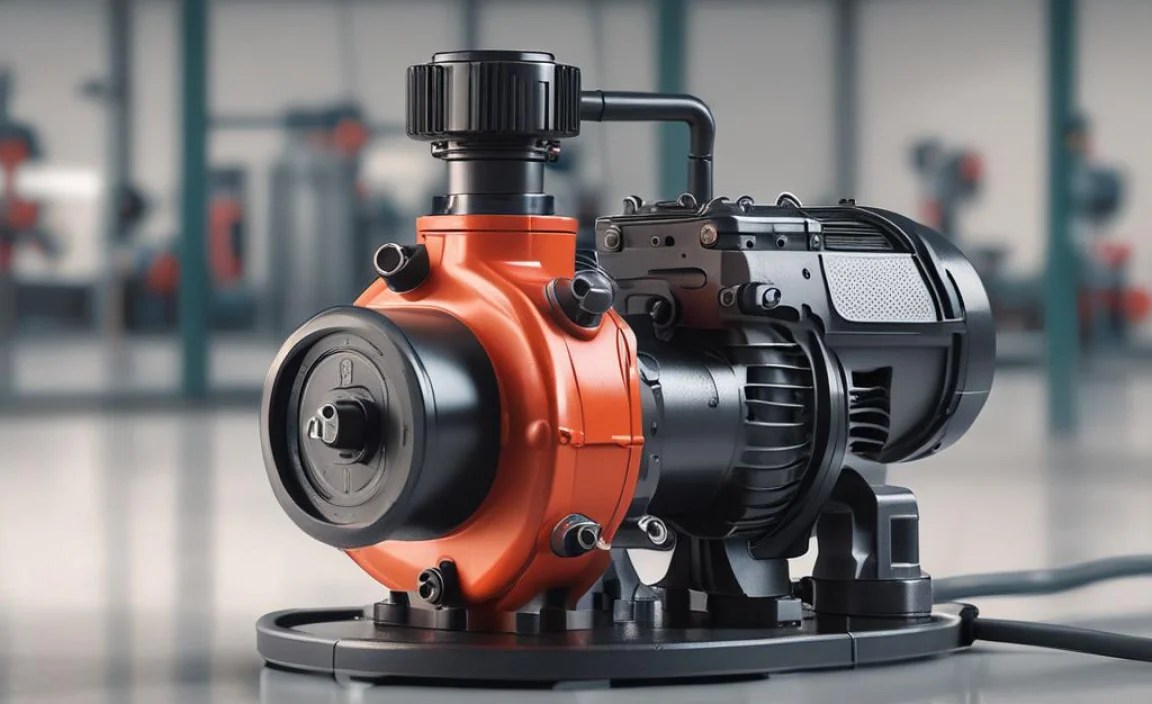
It’s important to know the difference between types of dynamic pumps. Centrifugal pumps are good for medium flow and pressure. Axial-flow pumps excel at high flow and low pressure. Each type has its strengths. Choosing the right pump depends on the job. Consider the fluid type and flow rate. Also, think about the pressure needed. Centrifugal pumps are common in many industries. Axial-flow pumps are often used in water management. Knowing these differences helps engineers. It helps them design efficient systems. It also helps them save energy and money. Understanding the strengths of each pump is key. This ensures the best performance.
| Feature | Centrifugal Pumps | Axial-Flow Pumps |
|---|---|---|
| Flow Rate | Medium | High |
| Pressure | Medium | Low |
| Efficiency | Good | Good at high flow |
| Applications | Water supply, irrigation | Drainage, wastewater |
| Fluid Viscosity | Moderate | Low |
Imagine you need to water a small garden. A centrifugal pump might be best. It can provide enough pressure to spray the water. Now, imagine you need to drain a large field. An axial-flow pump would be better. It can move large amounts of water quickly. Understanding these differences is important. It helps you choose the right tool for the job. Just like using the right tool for building, choosing the right pump matters. It ensures the best results and saves time and energy. Knowing the strengths and weaknesses of each type of dynamic pump is essential for success.
Performance Characteristics
Dynamic pumps have different performance characteristics. Centrifugal pumps have a curve. The curve shows how flow and pressure relate. As flow increases, pressure decreases. Axial-flow pumps have a different curve. Their pressure stays relatively constant. Understanding these curves is important. It helps engineers choose the right pump. It also helps them optimize the system. They can adjust the pump’s speed. They can also change the impeller. This helps them get the best performance. Knowing these details is key to success.
Applications and Industries
Dynamic pumps are used in many industries. Centrifugal pumps are common in water treatment. They are also used in chemical processing. Axial-flow pumps are often used in agriculture. They help with irrigation and drainage. Power plants also use dynamic pumps. They help cool down the equipment. Mining companies use them to move slurry. The applications are endless. Dynamic pumps are a key part of our modern world. They help us move fluids safely and efficiently. Understanding their applications helps us appreciate their importance.
Maintenance and Reliability
Dynamic pumps need regular maintenance. This helps them stay reliable. Check the impeller for wear. Lubricate the bearings. Inspect the seals. Clean the pump regularly. Proper maintenance extends the pump’s life. It also prevents breakdowns. A well-maintained pump saves money. It also ensures smooth operation. Neglecting maintenance can lead to problems. It can also cause the pump to fail. Regular maintenance is a smart investment. It keeps the pump running efficiently. It also keeps your system working smoothly.
Fun Fact or Stat: Proper maintenance can extend the life of a dynamic pump by up to 50%!
How to Choose the Right Pump

Choosing the right pump is important. First, know the fluid you need to move. Is it water, oil, or something else? Next, think about the flow rate. How much fluid do you need to move? Also, consider the pressure. How high do you need to pump the fluid? Centrifugal pumps are good for many jobs. Axial-flow pumps are better for large volumes. Look at the pump’s efficiency. A more efficient pump saves energy. It also saves money. Consider the pump’s size and weight. Make sure it fits in the space you have. Also, think about the cost. Balance the cost with the pump’s performance. Choosing the right pump ensures success.
- Know the fluid type.
- Determine the flow rate.
- Consider the pressure needed.
- Check the pump’s efficiency.
- Think about size and cost.
Imagine you are buying a new bike. You would think about what you need it for. Do you need it for racing or for riding to school? Choosing a pump is similar. You need to think about what you need it to do. Do you need to move a lot of fluid or a little? Do you need high pressure or low? Answering these questions will help you choose the right pump. It will also help you save time and money. Selecting the correct types of dynamic pumps is a crucial decision. It impacts the efficiency and effectiveness of your system.
Fluid Properties Matter
The type of fluid matters. Water is easy to pump. Thick oil is harder. Some fluids are corrosive. They can damage the pump. Choose a pump that can handle the fluid. Consider the fluid’s viscosity. Viscosity is how thick the fluid is. High viscosity fluids need more powerful pumps. Also, think about the fluid’s temperature. Hot fluids can affect the pump’s performance. Choose a pump that is designed for the fluid you are using. This ensures the pump lasts a long time. It also ensures it works efficiently. Ignoring fluid properties can lead to problems.
System Requirements
Think about the system the pump will be used in. How far does the fluid need to travel? How high does it need to be pumped? What is the pipe size? These factors affect the pump’s performance. A long pipe needs more pressure. A high lift needs more power. Make sure the pump can meet these requirements. Choose a pump that is sized correctly. An undersized pump won’t work well. An oversized pump wastes energy. Proper system design is key. It ensures the pump works efficiently. It also ensures the system runs smoothly.
Cost and Efficiency
Consider the cost of the pump. Also, think about its efficiency. A cheap pump might not be efficient. It could cost more to run in the long run. An expensive pump might be very efficient. It could save you money on energy. Calculate the total cost of ownership. This includes the purchase price. It also includes the operating costs. Choose a pump that balances cost and efficiency. This will save you money in the long run. It will also help the environment. Efficient pumps use less energy. They reduce your carbon footprint. Choosing wisely is important.
Fun Fact or Stat: Choosing an energy-efficient pump can save you up to 30% on energy costs!
Maintaining Your Dynamic Pump
Taking care of your dynamic pump is important. Regular maintenance keeps it running smoothly. Check the pump for leaks. Listen for unusual noises. Lubricate the bearings regularly. Clean the pump housing. Replace worn parts. Follow the manufacturer’s instructions. Keep a record of maintenance. This helps you track problems. It also helps you plan for future maintenance. A well-maintained pump lasts longer. It also works more efficiently. Neglecting maintenance can lead to breakdowns. This can cost you time and money. Proper care ensures your pump stays reliable.
- Check for leaks.
- Listen for unusual noises.
- Lubricate the bearings.
- Clean the pump housing.
- Replace worn parts.
Imagine you have a car. You need to change the oil and get it serviced. Dynamic pumps are similar. They need regular check-ups. This keeps them running well. Ignoring maintenance can lead to problems. Just like a car that isn’t serviced, a pump that isn’t maintained can break down. This can be costly and time-consuming. Taking good care of your pump is a smart investment. It ensures it lasts longer and works efficiently. This saves you money and keeps your system running smoothly. Regular maintenance is the key to a long and reliable pump life.
Regular Inspections
Regular inspections are important. Check the pump for damage. Look for cracks or corrosion. Inspect the seals and gaskets. Make sure they are in good condition. Check the motor for overheating. Listen for unusual noises. These could indicate a problem. Regular inspections can catch problems early. This prevents them from becoming worse. They also help you plan for maintenance. Regular inspections are a key part of a good maintenance program. They keep your pump running smoothly and reliably.
Lubrication is Key
Lubrication is very important. It reduces friction and wear. Use the right type of lubricant. Follow the manufacturer’s instructions. Lubricate the bearings regularly. Check the lubricant level. Add more if needed. Clean the lubrication points. Remove any dirt or debris. Proper lubrication extends the pump’s life. It also improves its efficiency. Neglecting lubrication can lead to problems. It can also cause the pump to fail. Regular lubrication is a simple but important task. It keeps your pump running smoothly and reliably.
Troubleshooting Common Problems
Learn how to troubleshoot common problems. If the pump isn’t working, check the power supply. Make sure it is turned on. Check the fluid level. Make sure the pump is primed. Look for leaks or blockages. If the pump is noisy, check the bearings. They may need lubrication or replacement. If the pump is vibrating, check the mounting bolts. They may be loose. Knowing how to troubleshoot problems can save you time and money. It can also prevent further damage to the pump. A little knowledge can go a long way.
Fun Fact or Stat: Properly lubricated pumps can last up to three times longer than those that are not!
Future Trends in Dynamic Pumps
Dynamic pumps are always improving. New materials make them stronger. Smart technology makes them more efficient. Variable speed drives save energy. These drives adjust the pump’s speed. This matches the demand. This saves energy and reduces wear. Wireless sensors monitor the pump’s condition. They send alerts if there is a problem. This allows for proactive maintenance. 3D printing can create custom pump parts. This makes repairs faster and easier. The future of dynamic pumps is exciting. They will become more efficient, reliable, and sustainable.
- New materials improve strength.
- Smart technology increases efficiency.
- Variable speed drives save energy.
- Wireless sensors monitor pump condition.
- 3D printing creates custom parts.
Imagine a future where pumps can talk to you. They can tell you when they need maintenance. They can adjust their speed to save energy. This future is not far away. New technologies are making dynamic pumps smarter and more efficient. These improvements will benefit many industries. They will also help us conserve energy and protect the environment. The future of types of dynamic pumps is bright. They will continue to play a vital role in our world.
Smart Pump Technology
Smart pumps are the future. They use sensors and software. This monitors their performance. They can adjust their speed to match the demand. This saves energy and reduces wear. They can also detect problems early. This allows for proactive maintenance. Smart pumps can communicate with other systems. This allows for better control and optimization. They are a key part of the Internet of Things (IoT). Smart pump technology is changing the way we manage fluids. It is making our systems more efficient and reliable. It is also helping us save energy and protect the environment.
Energy Efficiency Improvements
Energy efficiency is a key focus. New designs reduce friction. This makes the pumps more efficient. Variable speed drives save energy. They adjust the pump’s speed. This matches the demand. High-efficiency motors use less electricity. These improvements can save a lot of energy. They also reduce operating costs. Energy-efficient pumps are good for the environment. They reduce our carbon footprint. They also help us conserve resources. Investing in energy-efficient pumps is a smart choice. It benefits both your bottom line and the planet.
Sustainable Pump Solutions
Sustainability is becoming more important. Companies are looking for sustainable pump solutions. These solutions reduce energy consumption. They also minimize environmental impact. They use recycled materials. They are designed for long life. They are also easy to maintain. Sustainable pumps help companies meet their environmental goals. They also save money on energy and maintenance. They are a win-win for both business and the environment. Choosing sustainable pump solutions is a responsible choice. It helps us protect our planet for future generations.
Fun Fact or Stat: Smart pumps can reduce energy consumption by up to 50%!
Summary
Dynamic pumps are essential for moving fluids. They use spinning parts to add energy to the fluid. Centrifugal pumps and axial-flow pumps are two common types. Centrifugal pumps are good for medium flow and pressure. Axial-flow pumps are better for high flow and low pressure. Choosing the right pump depends on the application. Consider the fluid type, flow rate, and pressure. Regular maintenance is important. It keeps the pump running smoothly. New technologies are making dynamic pumps more efficient. Smart technology and variable speed drives save energy. The future of dynamic pumps is bright. They will continue to play a vital role in our world.
Conclusion
Dynamic pumps are important machines. They help move fluids in many industries. Centrifugal pumps and axial-flow pumps are two main types. Each type has its own strengths and weaknesses. Choose the right pump for the job. Proper maintenance keeps them running well. New technologies are making them more efficient. Understanding types of dynamic pumps helps us appreciate their importance. They are a key part of our modern world.
Frequently Asked Questions
Question No 1: What is a dynamic pump?
Answer: A dynamic pump is a type of pump that uses a spinning part, like an impeller, to add energy to a fluid. This makes the fluid move. Think of it like a fan pushing air, but instead, it pushes liquid. Dynamic pumps are used to move water, oil, and other liquids in many different industries. They are very important for things like getting water to your home and helping to make the juice you drink. They make moving fluids easier and more efficient.
Question No 2: What are the main types of dynamic pumps?
Answer: The two main types of dynamic pumps are centrifugal pumps and axial-flow pumps. Centrifugal pumps use a spinning impeller to throw the fluid outward, increasing its pressure. They are good for moving fluids at medium flow rates and pressures. Axial-flow pumps, on the other hand, move fluids straight through the pump along the axis of the impeller. They are better for moving large volumes of fluid at low pressures. Both types are used in many different applications.
Question No 3: How does a centrifugal pump work?
Answer: A centrifugal pump works by using a spinning impeller inside a casing. As the impeller spins, it creates a vacuum that pulls fluid into the pump. Then, the impeller throws the fluid outward, increasing its pressure. The casing collects the fluid and directs it to the outlet. It’s like a merry-go-round pushing you outward as it spins. Centrifugal pumps are very common and are used in many places, like water supply systems and factories, because they are reliable and can handle different types of fluids.
Question No 4: Where are axial-flow pumps used?
Answer: Axial-flow pumps are often used in situations where you need to move a lot of fluid quickly at a low pressure. For example, they are commonly used in irrigation and drainage systems to move large amounts of water. They are also used in wastewater treatment plants to move wastewater efficiently. Because they can handle high flow rates, they are ideal for large-scale operations where moving a lot of fluid is the main goal. Axial-flow pumps are a key part of managing water resources.
Question No 5: Why is maintenance important for dynamic pumps?
Answer: Maintenance is very important for dynamic pumps because it helps them stay reliable and work efficiently. Regular maintenance includes checking for leaks, lubricating the bearings, cleaning the pump, and replacing worn parts. If you take good care of your pump, it will last longer and work better. Ignoring maintenance can lead to breakdowns, which can cost you time and money. Think of it like taking care of a car; regular check-ups keep it running smoothly. Properly maintained dynamic pumps save energy.
Question No 6: What are some future trends in dynamic pump technology?
Answer: There are many exciting future trends in dynamic pump technology. Smart pumps use sensors and software to monitor their performance and adjust their speed to save energy. New materials are making pumps stronger and more durable. 3D printing is being used to create custom pump parts, making repairs faster and easier. All of these advances are making types of dynamic pumps more efficient, reliable, and sustainable. They will continue to play a vital role in many industries.


