
Bike Pump Water: The Smartest Hydration Hack?

Did you know you can use a bike pump for more than just tires? It might sound strange. But you can actually use a bike pump with water. This can be very useful in some situations.
Have you ever been stuck without water? Or needed to move water from one place to another? A bike pump can help. Let’s find out how to use a bike pump water trick.
Key Takeaways
- Using a bike pump with water can help in emergency situations for moving liquids.
- Bike pumps can help you inflate tires quickly and easily on the go.
- You can also use bike pumps to inflate pool toys and sports equipment.
- Regularly check your bike pump to ensure it is always working properly.
- Understanding your bike pump helps with many unexpected tasks.
Using a Bike Pump with Water


Have you ever thought about using your bike pump for something other than inflating tires? It turns out, a bike pump can be quite useful when dealing with water. Imagine you need to drain a small pool or move water from a bucket to a higher container. A bike pump can do this. By creating pressure, the pump can push water through a hose. This method is especially handy when you don’t have access to an electric pump or a siphon. It is a simple and effective solution for many small-scale water-related tasks. Understanding how to use a bike pump with water can be a surprisingly useful skill. Knowing this trick might save you time and effort. It could be a lifesaver in certain situations.
- Bike pumps can move small amounts of water.
- You need a hose that fits on the pump.
- Make sure the pump is clean before using it with water.
- This method works best for small jobs.
- It’s a good backup when you have no other options.
Using a bike pump to move water is not only practical but also quite simple. First, you need to find a hose that fits snugly onto the nozzle of your bike pump. Then, submerge one end of the hose into the water you want to move. Attach the other end of the hose to the bike pump. Now, start pumping. The pressure created by the pump will push the water through the hose and out the other end. It is important to ensure that the pump and hose are clean to avoid contaminating the water, especially if you’re planning to use it for something like cleaning. This method is particularly useful for draining small containers or moving water to a slightly higher location. It’s a great example of how everyday tools can have multiple uses.
Fun Fact or Stat: Some people have used bike pumps to create small fountains in their gardens!
How to Attach the Hose
Attaching the hose correctly is very important. Do you know how to make sure the hose stays on the pump? First, find a hose that fits the bike pump nozzle. It should be snug but not too tight. If the hose is too loose, it will slip off. This will stop the water from flowing properly. You can use a clamp to secure the hose. A small hose clamp from a hardware store works well. Tighten the clamp around the hose where it connects to the pump. This will keep the hose in place. Always test the connection before you start pumping water. Make sure there are no leaks. A secure connection will make the job much easier.
What Type of Bike Pump to Use
What kind of bike pump works best for moving water? A floor pump is usually better than a hand pump. Floor pumps are larger and easier to use. They can move more air with each pump. This means they can also move more water. Hand pumps can work, but they require more effort. Make sure your bike pump is clean. You don’t want to contaminate the water. A dirty pump can add dirt and germs to the water. Clean the pump before and after using it with water. This will keep it in good condition. Using the right pump makes the job easier and safer.
Safety Tips for Using Water
Using water with any device needs safety. What should you watch out for? First, never use a bike pump with drinking water unless you are sure the pump is very clean. Harmful germs can grow inside the pump. These germs can make you sick. Always use clean hoses and pumps for drinking water. Second, be careful not to spill water. Slippery floors can cause accidents. Wipe up any spills right away. Third, do not use the pump near electricity. Water and electricity are dangerous together. Keep the pump and water away from power outlets and cords. Following these safety tips will keep you safe.
Inflating Tires Using a Bike Pump

Inflating tires is the main job for a bike pump. Have you ever tried to ride a bike with flat tires? It’s not fun! A good bike pump makes it easy to keep your tires properly inflated. Proper inflation makes riding smoother and faster. It also helps prevent flats. Using a bike pump is simple. Attach the pump head to the tire valve. Make sure it is secure. Then, start pumping. Watch the pressure gauge on the pump. Inflate the tire to the correct pressure. The correct pressure is written on the side of the tire. Keeping your tires inflated makes biking much more enjoyable and safe. You won’t need to use bike pump water for this.
- Attach the pump head to the tire valve.
- Pump until the tire reaches the correct pressure.
- Check the tire pressure regularly.
- Use the correct type of pump for your valve.
- Properly inflated tires make riding easier.
- It also reduces the risk of flats.
Bike pumps come in different types. Floor pumps are great for home use. They are easy to use and have a gauge to show the pressure. Hand pumps are smaller and good for taking on rides. They are useful for fixing flats on the road. CO2 inflators are another option. They quickly inflate tires using a CO2 cartridge. However, they are only good for one use per cartridge. Choose the type of pump that works best for your needs. Remember to always check the pressure before each ride. This will help you have a safe and enjoyable biking experience. Using a bike pump water method won’t help inflate your tires.
Fun Fact or Stat: The ideal tire pressure can affect your speed by up to 10%!
Floor Pump Basics
Floor pumps are a great tool for keeping your tires inflated. Do you know how to use one properly? First, make sure the pump head is compatible with your tire valve. Most floor pumps have two sides for different valve types. Next, attach the pump head to the valve. Make sure it’s secure. You should hear a click or feel it lock into place. Now, stand with your feet on the base of the pump. Use your arms to pump up and down. Watch the gauge to see the pressure. Stop when you reach the correct pressure. Remove the pump head carefully. Check the tire pressure one last time. A floor pump makes inflating tires quick and easy.
Hand Pump Techniques
Hand pumps are useful for taking on bike rides. Have you ever used a hand pump to fix a flat tire? It can be a bit tricky. First, attach the pump head to the tire valve. Make sure it’s secure. Hold the pump firmly with both hands. Use your body weight to help you pump. It takes more effort than a floor pump. Pump until the tire is firm enough to ride. You might not be able to reach the exact pressure. But get it as close as you can. Remember to bring a hand pump and a repair kit on every ride. This will help you fix flats quickly and get back on the road. You can’t use bike pump water on a flat tire.
Pressure Gauge Reading
Reading a pressure gauge is important for proper inflation. Do you know what the numbers mean? The gauge shows the tire pressure in PSI (pounds per square inch). Look at the side of your tire. It will show the recommended pressure range. Inflate the tire to a pressure within this range. Too little pressure can cause flats. Too much pressure can make the ride uncomfortable. The gauge helps you get the pressure just right. Some gauges have two scales: PSI and BAR. Make sure you are reading the correct scale. Check the pressure regularly to keep your tires in good condition. Knowing how to read a pressure gauge helps keep you safe.
Bike Pump Uses Beyond Tires

Bike pumps are useful for more than just inflating tires. Did you know you can use them for other things? They can inflate pool toys, sports equipment, and even air mattresses. The key is to have the right adapter. Adapters allow you to connect the pump to different types of valves. For example, you can use a cone-shaped adapter to inflate a basketball. A needle adapter works for soccer balls. A larger adapter can inflate an air mattress. With the right adapters, a bike pump becomes a versatile tool. It is useful around the house and on the go. You can’t use bike pump water for these other tasks.
- Inflate pool toys for summer fun.
- Use it for sports equipment like basketballs.
- Inflate air mattresses for camping.
- Adapters are needed for different valves.
- A versatile tool for many uses.
Using a bike pump for other inflatables is simple. First, find the correct adapter for the valve. Attach the adapter to the bike pump. Then, insert the adapter into the valve of the inflatable. Start pumping. Watch the inflatable as it fills with air. Be careful not to over-inflate it. Over-inflation can cause the inflatable to burst. Stop pumping when it feels firm but not too hard. Remove the adapter carefully. Make sure the valve is closed properly. Now you can enjoy your inflated pool toy, sports equipment, or air mattress. A bike pump is a handy tool to have around. It saves you time and effort compared to blowing things up by mouth. You can also use a bike pump water to clean the inflatables.
Fun Fact or Stat: Bike pumps can inflate a basketball in about 2 minutes!
Inflating Pool Toys
Inflating pool toys is easy with a bike pump. Do you want to get ready for some summer fun? First, find the right adapter. Pool toys often have wide valves. You need a cone-shaped adapter. Attach the adapter to the bike pump. Then, insert it into the valve. Start pumping. The pool toy will fill with air. Be careful not to over-inflate it. Over-inflation can make it burst in the sun. Stop pumping when it feels firm. Remove the adapter. Close the valve tightly. Now your pool toy is ready for the water. Using a bike pump is much faster than blowing it up yourself. You can use bike pump water to rinse it off.
Inflating Sports Equipment
Bike pumps are great for inflating sports equipment. Have you ever needed to inflate a basketball or soccer ball? A bike pump can help. You need a needle adapter. This adapter has a small needle that fits into the ball’s valve. Attach the needle adapter to the pump. Moisten the needle with water. This helps it slide into the valve. Insert the needle into the valve. Start pumping. Watch the ball as it inflates. Stop when it feels firm. Remove the needle carefully. Now your sports equipment is ready to use. A bike pump makes it easy to keep your balls properly inflated. You can use bike pump water to clean them.
Inflating Air Mattresses
Inflating air mattresses is simple with a bike pump. Are you going camping? Or do you need an extra bed for guests? An air mattress is a good solution. You need a large adapter. This adapter fits the wide valve on the air mattress. Attach the adapter to the pump. Insert it into the valve. Start pumping. It will take a while to fill the mattress. But a bike pump is easier than blowing it up yourself. Stop when the mattress is firm. Remove the adapter. Close the valve tightly. Now your air mattress is ready to use. Enjoy a comfortable night’s sleep. Using bike pump water is not advised on air mattresses.
Maintaining Your Bike Pump

Taking care of your bike pump is important. Do you want it to last a long time? Regular maintenance will keep it working well. Clean the pump regularly. Dirt and dust can get inside. This can make it harder to pump. Check the hose for cracks or leaks. Replace the hose if needed. Lubricate the moving parts. This will keep them working smoothly. Store the pump in a dry place. This will prevent rust and corrosion. With proper care, your bike pump will last for many years. You can use a bike pump water method to clean it.
- Clean the pump regularly.
- Check the hose for damage.
- Lubricate moving parts.
- Store in a dry place.
- Replace worn-out parts.
Maintaining your bike pump doesn’t have to be difficult. Start by wiping down the outside of the pump with a damp cloth. This will remove dirt and dust. Next, check the hose for any signs of wear and tear. Look for cracks, leaks, or kinks. If the hose is damaged, replace it. You can buy replacement hoses at most bike shops. Lubricate the piston and other moving parts with a light oil. This will keep them moving smoothly. Finally, store your bike pump in a cool, dry place. This will protect it from the elements and prevent rust. A well-maintained bike pump will always be ready when you need it. Remember that you should not use bike pump water internally on the pump.
Fun Fact or Stat: A well-maintained bike pump can last over 10 years!
Cleaning the Pump
Cleaning your bike pump is easy. Do you know how to do it properly? First, gather your supplies. You need a damp cloth, a mild soap, and a small brush. Wipe down the outside of the pump with the damp cloth. This will remove most of the dirt. For stubborn dirt, use a little soap. Dip the brush in soapy water. Scrub the dirty areas gently. Rinse the pump with clean water. Make sure to remove all the soap. Let the pump dry completely before storing it. A clean pump works better and lasts longer. You can use bike pump water for cleaning purposes.
Checking for Leaks
Checking for leaks is important for pump maintenance. Have you noticed your pump losing pressure? This could be a sign of a leak. First, inspect the hose. Look for cracks or holes. Next, check the connection between the hose and the pump. Make sure it is tight. Listen for hissing sounds. This can indicate a leak. If you find a leak, try tightening the connection. If that doesn’t work, you may need to replace the hose. A leaky pump is not efficient. Fixing leaks will help your pump work better. You can use bike pump water to find the leaks.
Lubricating the Parts
Lubricating the moving parts keeps your pump working smoothly. Do you know which parts need lubrication? The piston is the most important part to lubricate. This is the part that moves up and down inside the pump. Apply a small amount of light oil to the piston. Work the pump a few times to distribute the oil. Also, lubricate any other moving parts. This includes the handle and the joints. Use a light oil or grease. Avoid using too much oil. Too much oil can attract dirt. Regular lubrication will keep your pump working like new. Using bike pump water is not a good substitute for oil.
Troubleshooting Bike Pump Problems
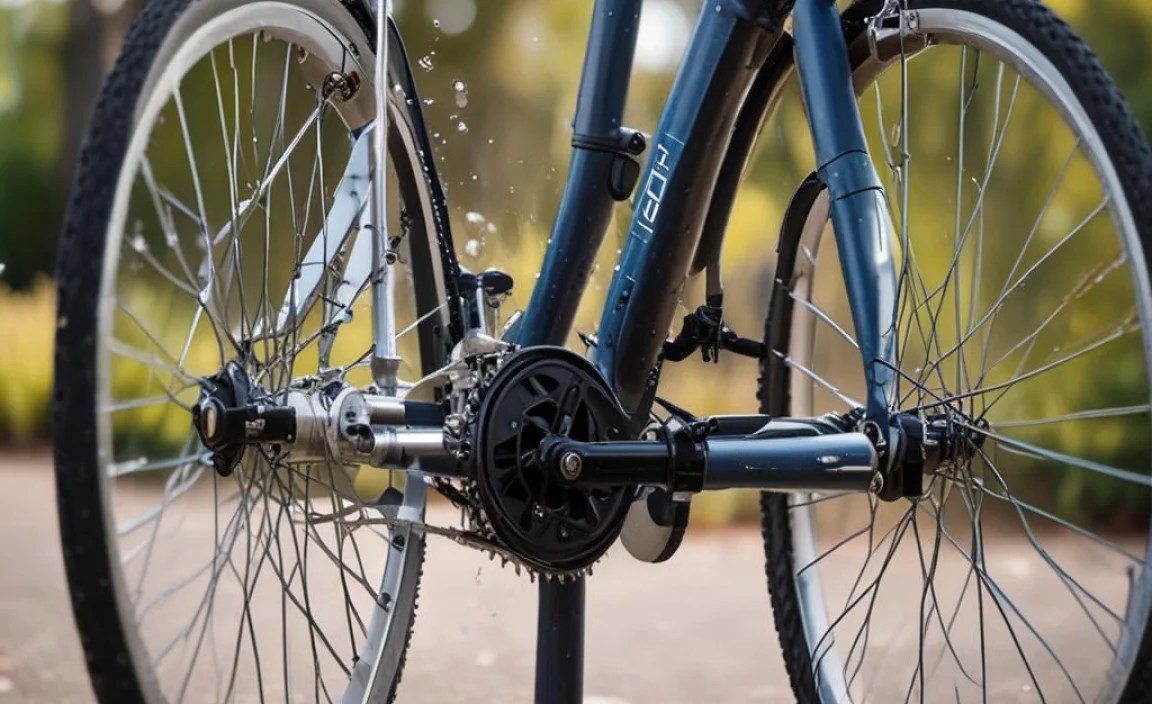
Sometimes bike pumps don’t work as expected. What should you do if your pump is not working? First, check the connection to the tire valve. Make sure it is secure. Next, check the pump for leaks. Listen for hissing sounds. If the pump is hard to push, it may need lubrication. If the gauge is not working, it may need to be replaced. Sometimes, the pump head wears out. You can buy replacement pump heads. With a little troubleshooting, you can often fix common bike pump problems. You don’t need bike pump water for these fixes.
| Problem | Possible Cause | Solution |
|---|---|---|
| Pump won’t inflate tire | Loose connection | Tighten the pump head |
| Pump is hard to push | Lack of lubrication | Lubricate the piston |
| Pressure gauge is not working | Faulty gauge | Replace the gauge |
| Air leaks from the hose | Cracked or damaged hose | Replace the hose |
Troubleshooting bike pump problems can save you money. Instead of buying a new pump, try to fix the old one. Start by identifying the problem. Is the pump not inflating the tire? Is it hard to push? Is there air leaking from somewhere? Once you know the problem, you can find a solution. Many common problems are easy to fix with simple tools. You can find helpful videos online that show you how to repair bike pumps. With a little effort, you can keep your bike pump working for years. Remember not to use bike pump water internally for troubleshooting.
Fun Fact or Stat: Most bike pump problems can be fixed with basic tools in under 15 minutes!
Connection Issues
Connection issues are a common problem with bike pumps. Is the pump head not staying on the valve? This can be frustrating. Make sure you are using the correct side of the pump head. Some pumps have two sides for different valve types. Check that the pump head is fully engaged with the valve. It should lock into place. If the connection is still loose, try cleaning the valve. Dirt and debris can prevent a good connection. A secure connection is essential for inflating tires properly. You can use bike pump water to clean the valve.
Pumping Difficulty
Pumping difficulty can make inflating tires hard work. Is the pump hard to push? This often means the pump needs lubrication. The piston inside the pump may be dry. Apply a small amount of light oil to the piston. Work the pump a few times to distribute the oil. Make sure there are no obstructions in the hose. A kinked hose can restrict airflow. Straighten the hose and try again. If the pump is still hard to push, it may be worn out. It might be time to replace the pump. Do not use bike pump water as a lubricant.
Gauge Problems
Gauge problems can make it hard to inflate tires accurately. Is the gauge not showing the correct pressure? Or is it not working at all? First, make sure the gauge is properly attached to the pump. Check for loose connections. If the gauge is still not working, it may be faulty. You can buy replacement gauges at most bike shops. A working gauge is important for proper tire inflation. It helps you avoid over-inflating or under-inflating your tires. Without a gauge, you are just guessing. You can’t use bike pump water to fix it.
Choosing the Right Bike Pump
Choosing the right bike pump depends on your needs. Do you need a pump for home use or for taking on rides? Floor pumps are great for home use. They are easy to use and have a gauge. Hand pumps are smaller and good for taking on rides. They are useful for fixing flats on the road. CO2 inflators are another option. They quickly inflate tires using a CO2 cartridge. Consider your budget and how often you will use the pump. The right bike pump will make inflating tires much easier. Just remember, no bike pump water is necessary for regular use.
- Floor pumps are good for home use.
- Hand pumps are portable for rides.
- CO2 inflators are quick but single-use.
- Consider your budget.
- Think about how often you’ll use it.
When choosing a bike pump, consider the type of valve on your tires. There are two main types of valves: Presta and Schrader. Presta valves are narrow and have a small nut at the top. Schrader valves are wider and look like car tire valves. Some bike pumps have a head that works with both types of valves. Others require you to switch the internal parts of the pump head. Make sure the pump you choose is compatible with your tire valves. This will make inflating your tires much easier. Thinking about using bike pump water to clean the valves is okay though.
Fun Fact or Stat: The first bicycle tire pump was invented in the late 1800s!
Floor Pump Features
Floor pumps come with many features. Do you know what to look for? A good floor pump should have a stable base. This will prevent it from tipping over while you are pumping. It should also have a comfortable handle. This will make it easier to pump. A gauge is essential for accurate inflation. Look for a gauge that is easy to read. Some floor pumps have extra features like a built-in storage compartment for adapters. Choose a floor pump that meets your needs and budget. Using bike pump water is not among the features.
Hand Pump Portability
Hand pump portability is important for on-the-go repairs. Do you need a pump that you can take on rides? Look for a hand pump that is lightweight and compact. It should fit easily in your backpack or saddlebag. Some hand pumps come with a mounting bracket. This allows you to attach the pump to your bike frame. Consider the length of the pump. A longer pump will move more air with each stroke. But it will also be less portable. Choose a hand pump that balances portability and performance. You can use bike pump water to clean after the ride.
CO2 Inflator Speed
CO2 inflator speed is a major advantage. Do you need to inflate your tires quickly? A CO2 inflator can inflate a tire in seconds. It uses a cartridge of compressed CO2 gas. This makes it much faster than a hand pump. However, CO2 inflators are only good for one use per cartridge. You need to carry extra cartridges with you. They can also be more expensive than hand pumps. But if you need speed, a CO2 inflator is a great option. You can’t use bike pump water with CO2 inflators.
Summary
A bike pump is a useful tool for inflating tires and other items. You can even use a bike pump with water for certain tasks. It’s helpful to know how to use your bike pump for more than just tires. You can use a bike pump to inflate pool toys, sports equipment, and air mattresses. Regular maintenance will keep your bike pump working well. Knowing how to troubleshoot common problems can save you money. Choosing the right bike pump depends on your needs. You have to consider where and how often you will use the pump.
Conclusion
Bike pumps are essential tools for cyclists. They keep your tires properly inflated. You can use them for many other tasks too. Knowing how to maintain and troubleshoot your pump is important. This will help it last longer. Don’t forget that you can even use a bike pump with water in certain situations. With the right knowledge, your bike pump will be a valuable tool for years to come. Keeping your pump in great condition will bring you joy.
Frequently Asked Questions
Question No 1: Can I use any bike pump to move water?
Answer: Not all bike pumps are ideal for moving water, but most can do it in a pinch. Floor pumps generally work better than hand pumps because they can move more air and thus more water with each stroke. The key is to have a hose that fits snugly onto the pump nozzle and is long enough to reach from the water source to where you want to move the water. Make sure the pump is clean before using it with water, especially if the water will be used for cleaning or other sensitive purposes.
Question No 2: Is it safe to use a bike pump for drinking water?
Answer: It’s generally not recommended to use a regular bike pump for pumping drinking water unless you’re absolutely certain it is very clean. Bike pumps can harbor bacteria and other contaminants inside the cylinder and hose. These contaminants can get into the water and make it unsafe to drink. If you must use a bike pump for drinking water in an emergency, try to disinfect the pump as best you can and purify the water thoroughly before drinking it.
Question No 3: How do I clean my bike pump after using it with water?
Answer: Cleaning your bike pump after using it with water is important to prevent rust and bacteria growth. First, disconnect the hose and rinse it thoroughly with clean water. Then, use a mild soap and water solution to clean the outside of the pump. For the inside, you can try pumping some soapy water through the pump, followed by clean water to rinse it out. Make sure to let the pump dry completely before storing it. This will help prevent corrosion and keep it in good working condition. You should never introduce soap or chemicals if you plan to use bike pump water for potable water.
Question No 4: What type of hose should I use with my bike pump for moving water?
Answer: The best type of hose to use with your bike pump for moving water is a flexible, non-toxic plastic or rubber hose. Make sure the hose fits snugly onto the nozzle of your bike pump to create a good seal. The length of the hose will depend on the distance you need to move the water. Avoid using hoses that are too stiff or brittle, as they may crack or break under pressure. Also, make sure the hose is clean before using it, especially if you’re moving water for cleaning purposes. A dirty hose could add contamination to your bike pump water process.
Question No 5: Can I use a bike pump to drain a small pool?
Answer: Yes, you can use a bike pump to drain a small pool, but it may take a while. The process involves attaching a hose to the pump and using the pump to create pressure that pushes the water out of the pool. It’s more effective for shallower pools or for removing the last few inches of water that a regular pump can’t reach. Keep in mind that this method is best suited for small volumes of water. For larger pools, a dedicated pool pump is a much more efficient solution than using a bike pump water method.
Question No 6: Are there any risks to using a bike pump with water?
Answer: While using a bike pump with water is generally safe, there are a few risks to be aware of. First, if the pump or hose is not clean, you could contaminate the water. Second, if you’re pumping water near electrical outlets, be careful to avoid getting water on the electricity, as this could cause a shock. Third, be mindful of the pressure you’re creating with the pump. Over-pressurizing a container could cause it to burst. Finally, remember that using a bike pump water method is not ideal for drinking water, so take extra precautions if you do so.


