
Electric Cycle Pump Types: Which is Right For You?

Quick Summary: Electric cycle pumps come in two main types: handheld and floor-standing. Handheld pumps are compact and portable, great for on-the-go inflation. Floor-standing pumps offer more power and stability, ideal for home use and achieving higher pressures quickly. Choosing the right one depends on your needs and where you’ll be using it most.
Tire pressure is super important for a smooth and safe bike ride. But let’s face it, pumping tires manually can be a real pain, especially when you’re trying to hit that perfect pressure. Electric cycle pumps take away the hassle, but with so many options out there, how do you pick the right one? Don’t worry! I’m here to walk you through the different types of electric pumps, so you can find the perfect match for your cycling needs. Let’s get started and make tire inflation a breeze!
Understanding Electric Cycle Pump Types
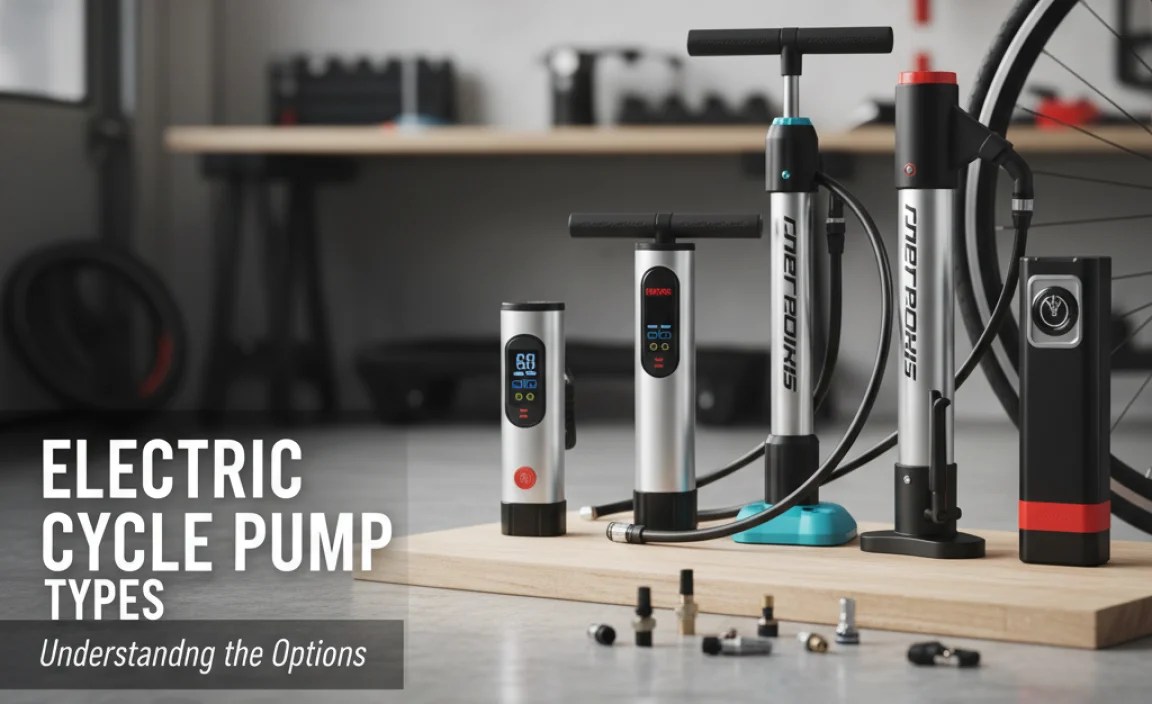
Electric cycle pumps are a game-changer for cyclists. They make inflating tires quick and easy, without the manual effort. There are primarily two types: handheld and floor-standing. Each type has its own strengths and weaknesses, making them suitable for different situations.
Handheld Electric Cycle Pumps
Handheld electric cycle pumps are designed for portability and convenience. They are compact, lightweight, and easy to carry with you on rides. These pumps are perfect for quick top-ups or emergency inflation when you’re away from home.
Pros of Handheld Electric Cycle Pumps:
- Portability: Small size and lightweight make them easy to carry in a backpack or saddlebag.
- Convenience: Great for on-the-go inflation and quick pressure adjustments.
- Ease of Use: Simple controls and straightforward operation.
- Versatility: Many models come with adapters for different valve types (Presta, Schrader, and Dunlop).
Cons of Handheld Electric Cycle Pumps:
- Lower Power: May take longer to inflate tires compared to floor pumps.
- Battery Life: Limited battery capacity, requiring frequent charging.
- Stability: Can be challenging to hold steady while inflating.
- Pressure Limit: Some models may not reach very high pressures needed for road bikes.
Key Features to Look For:
- Pressure Range: Make sure it meets the pressure requirements of your tires.
- Battery Capacity: Look for longer battery life for fewer recharges.
- Valve Compatibility: Ensure it works with your bike’s valve type.
- Digital Display: Easy-to-read display for accurate pressure readings.
- Automatic Shut-Off: Prevents over-inflation by stopping at the set pressure.
Floor-Standing Electric Cycle Pumps
Floor-standing electric cycle pumps are designed for home use and provide more power and stability. They resemble traditional floor pumps but with an electric motor to do the work. These pumps are ideal for cyclists who want a quick and effortless way to inflate their tires at home.
Pros of Floor-Standing Electric Cycle Pumps:
- Higher Power: Inflates tires faster and reaches higher pressures.
- Stability: Sturdy base for easy and stable operation.
- Efficiency: Quickly inflates multiple tires without much effort.
- Convenience: Easy to use and store in your garage or workshop.
Cons of Floor-Standing Electric Cycle Pumps:
- Portability: Not designed for on-the-go use due to their size and weight.
- Storage: Requires more storage space compared to handheld pumps.
- Price: Generally more expensive than handheld models.
- Power Source: Requires a power outlet, limiting where you can use it.
Key Features to Look For:
- Pressure Range: Ensure it meets the pressure requirements of your tires.
- Digital Display: Easy-to-read display for accurate pressure readings.
- Automatic Shut-Off: Prevents over-inflation by stopping at the set pressure.
- Valve Compatibility: Should work with both Presta and Schrader valves.
- Build Quality: Look for durable materials and a stable base.
Detailed Comparison: Handheld vs. Floor-Standing

To help you make a better decision, here’s a detailed comparison between handheld and floor-standing electric cycle pumps.
| Feature | Handheld Electric Cycle Pump | Floor-Standing Electric Cycle Pump |
|---|---|---|
| Portability | Highly portable | Not portable |
| Power | Lower power | Higher power |
| Stability | Less stable | Very stable |
| Pressure Range | Moderate | High |
| Battery Life/Power Source | Battery-powered (rechargeable) | AC power outlet |
| Price | Less expensive | More expensive |
| Best Use | On-the-go inflation, quick top-ups | Home use, frequent inflation |
Choosing the Right Pump for Your Needs

Selecting the right electric cycle pump depends on your specific needs and cycling habits. Consider these factors to make an informed decision.
For Commuters and Urban Cyclists
If you primarily commute or cycle in urban areas, a handheld electric cycle pump is an excellent choice. Its portability allows you to carry it with you and quickly inflate your tires if needed. Look for a model with a long battery life and a clear digital display for accurate pressure readings. Being able to quickly inflate your tires before or after a ride can save you time and keep you rolling smoothly.
For Road Cyclists
Road cyclists often require high tire pressures for optimal performance. A floor-standing electric cycle pump is ideal for achieving these higher pressures quickly and efficiently. The stability of a floor pump ensures accurate inflation, and the digital display helps you reach the precise PSI needed for your tires. Make sure the pump you choose has a pressure range that meets the demands of your road bike tires.
For Mountain Bikers
Mountain bikers may benefit from both types of electric cycle pumps. A handheld pump is great for carrying on the trail for quick adjustments, while a floor-standing pump is useful at home for setting up your tires before a ride. Look for a handheld pump that is durable and can handle rugged conditions. For the floor pump, ensure it has a wide base for stability and can handle the lower pressures typically used in mountain biking.
For E-Bike Riders
E-bike tires often require higher pressures due to the added weight of the motor and battery. A floor-standing electric cycle pump is generally the better option for e-bike riders. It can handle the higher pressures and inflate tires quickly, saving you time and effort. Some e-bikes use unique tire sizes or valve types, so double-check compatibility before making a purchase.
Step-by-Step Guide: Using an Electric Cycle Pump
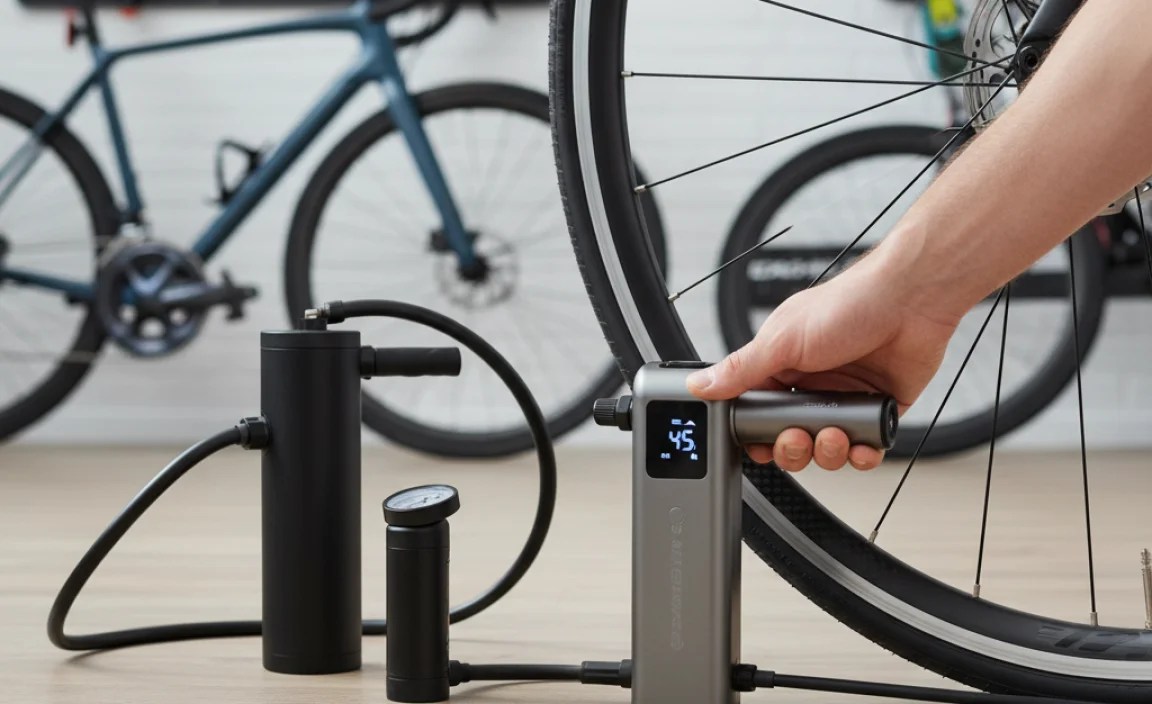
Using an electric cycle pump is straightforward. Here’s a step-by-step guide to help you get started.
Step 1: Prepare Your Bike
- Make sure your bike is stable and the valve is easily accessible.
- Remove the valve cap from your tire.
Step 2: Connect the Pump
- Attach the pump head to the valve. Ensure a secure connection to prevent air leakage.
- For Presta valves, you may need to unscrew the valve core slightly before attaching the pump.
- For Schrader valves, simply press the pump head onto the valve.
Step 3: Set the Desired Pressure
- Turn on the electric pump and use the controls to set the desired pressure.
- Refer to the recommended pressure range on your tire sidewall.
Step 4: Start Inflation
- Press the start button to begin inflating the tire.
- Monitor the pressure on the digital display as it inflates.
Step 5: Stop and Check
- The pump should automatically stop when it reaches the set pressure.
- If it doesn’t, manually stop the pump.
- Remove the pump head from the valve.
- Check the tire pressure with a separate gauge to ensure accuracy.
Step 6: Finish Up
- Replace the valve cap.
- Store the pump in a safe place.
Maintaining Your Electric Cycle Pump
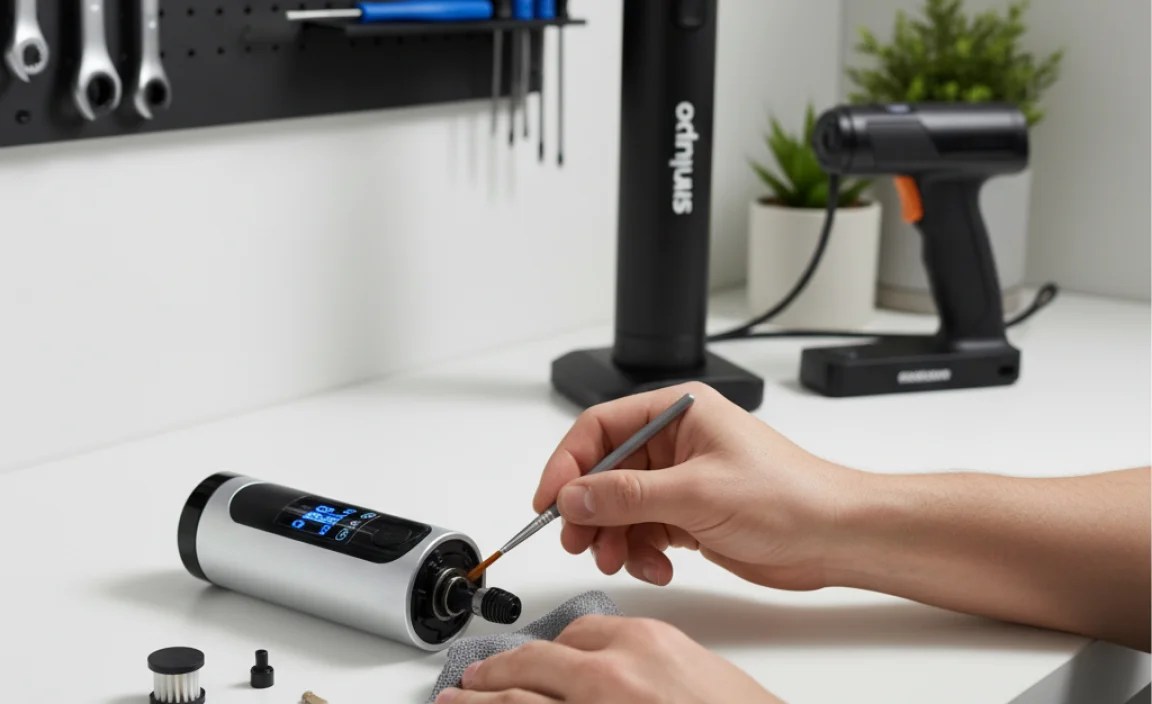
Proper maintenance can extend the life of your electric cycle pump and ensure it operates efficiently. Here are some tips to keep your pump in top condition.
- Clean the Pump Head: Regularly clean the pump head to remove dirt and debris that can cause air leaks.
- Check the Hoses: Inspect the hoses for cracks or damage and replace them as needed.
- Charge the Battery: For handheld pumps, keep the battery charged according to the manufacturer’s instructions.
- Store Properly: Store the pump in a cool, dry place to prevent damage.
- Calibrate the Gauge: Periodically check the accuracy of the pressure gauge and calibrate it if necessary.
Troubleshooting Common Issues
Even with proper care, you may encounter some issues with your electric cycle pump. Here are some common problems and how to fix them.
- Pump Not Turning On:
- Check the power source or battery.
- Ensure the power switch is in the “on” position.
- If battery operated, try charging.
- Pump Not Inflating:
- Make sure the pump head is securely attached to the valve.
- Check for any air leaks in the hose or pump head.
- Ensure the valve core is open (especially for Presta valves).
- Inaccurate Pressure Readings:
- Calibrate the pressure gauge.
- Check for damage to the gauge.
- Pump Overheating:
- Allow the pump to cool down before using it again.
- Avoid continuous use for extended periods.
Top Brands and Models to Consider
When choosing an electric cycle pump, consider reputable brands known for their quality and reliability. Here are some top brands and models to explore.
- Park Tool: Known for high-quality, durable bike tools.
- Topeak: Offers a wide range of innovative cycling accessories.
- Lezyne: Renowned for stylish and functional bike pumps and tools.
- Xiaomi: Popular for affordable and reliable handheld electric pumps.
- Viair: Specializes in high-performance air compressors, some suitable for bike tires.
Safety Tips for Using Electric Cycle Pumps
Safety should always be a priority when using electric cycle pumps. Here are some essential safety tips to keep in mind.
- Read the Manual: Always read and follow the manufacturer’s instructions.
- Check Pressure: Never exceed the recommended pressure for your tires. Over-inflation can cause blowouts.
- Inspect Equipment: Regularly inspect the pump and hoses for damage.
- Use in a Safe Area: Use the pump in a well-ventilated area, away from flammable materials.
- Protect Your Eyes: Wear safety glasses to protect your eyes from debris.
- Supervise Children: Keep electric cycle pumps out of reach of children.
Additional Accessories for Electric Cycle Pumps
Enhance your electric cycle pump with these useful accessories:
- Valve Adapters: For compatibility with different valve types.
- Extension Hoses: To reach difficult-to-access valves.
- Carrying Cases: To protect and transport your pump.
- Replacement Parts: Such as hoses, pump heads, and seals.
Where to Buy Electric Cycle Pumps
Electric cycle pumps are widely available at various retailers. Here are some places where you can buy them:
- Local Bike Shops: Offer expert advice and a chance to see the pumps in person.
- Online Retailers: Provide a wide selection and competitive prices (e.g., Amazon, REI).
- Sporting Goods Stores: Carry a range of pumps suitable for different types of bikes.
- Manufacturer Websites: Offer the latest models and direct support.
Electric Cycle Pump Types: A Summary Table
Here’s a summary table to help you quickly compare the different types of electric cycle pumps and their ideal uses:
| Pump Type | Portability | Power | Best For |
|---|---|---|---|
| Handheld | High | Moderate | Commuters, urban cyclists, on-the-go inflation |
| Floor-Standing | Low | High | Road cyclists, e-bike riders, home use |
Electric Cycle Pump FAQs
Here are some frequently asked questions about electric cycle pumps to help you make an informed decision.
- Q: What is the ideal PSI for my bike tires?
- A: The ideal PSI is usually printed on the sidewall of your tire. Follow that recommendation for optimal performance and safety. Tire pressure also depends on rider weight and the type of riding you’re doing.
- Q: Can I use an electric car tire inflator for my bike?
- A: While you can, it’s not recommended. Car tire inflators often deliver too much air too quickly and can easily overinflate a bike tire. Electric cycle pumps are designed for the specific needs of bike tires.
- Q: How often should I inflate my bike tires?
- A: Check and inflate your tires at least once a week, or before every ride if you’re a frequent cyclist. Proper inflation ensures a smooth, efficient, and safe ride.
- Q: Are electric cycle pumps suitable for all types of bike valves?
- A: Most electric cycle pumps come with adapters for both Presta and Schrader valves. Some also support Dunlop valves. Check the pump’s specifications to ensure it’s compatible with your bike’s valve type.
- Q: How long does it take to inflate a bike tire with an electric pump?
- A: It depends on the pump’s power and the tire size, but generally, a handheld pump takes 1-3 minutes, while a floor pump can do it in under a minute.
- Q: Can electric cycle pumps overinflate my tires?
- A: Most electric cycle pumps have an automatic shut-off feature that prevents over-inflation. Set the desired pressure, and the pump will stop when it reaches that level. Always double-check with a separate gauge for accuracy.
- Q: Are electric cycle pumps worth the investment?
- A: Yes, especially if you cycle frequently. They save time and effort, making tire inflation quick and easy. The convenience and accuracy they offer make them a worthwhile addition to your cycling gear.
Conclusion
Choosing the right electric cycle pump can make a big difference in your cycling experience. Whether you opt for a portable handheld pump for on-the-go convenience or a powerful floor-standing pump for home use, understanding the different types and their features will help you make the best choice for your needs. By following the tips and guidelines in this article, you’ll be well-equipped to keep your tires properly inflated, ensuring a smooth, safe, and enjoyable ride every time. Happy cycling!


