
High Volume Pump Types: Find Your Powerful Match

High-volume pumps are designed to move a lot of air quickly, perfect for inflating bicycle tires, air mattresses, or anything that needs a large volume of air at lower pressure. Common types include floor pumps, frame-mounted pumps, and some electric pumps. Each has its own advantages for different situations, from home use to on-the-go inflation.
Ever struggled to inflate a tire or an air mattress? It can be frustrating when you need a lot of air, but your pump just isn’t up to the task. High-volume pumps are the answer. They’re designed to move large amounts of air with each stroke, making inflation quicker and easier. Whether you’re a cyclist, camper, or just need to inflate things around the house, understanding these pumps will save you time and effort.
In this guide, I’ll break down the different types of high-volume pumps, explain their uses, and help you choose the right one for your needs. Let’s get started and make inflation a breeze!
Understanding High-Volume Pumps
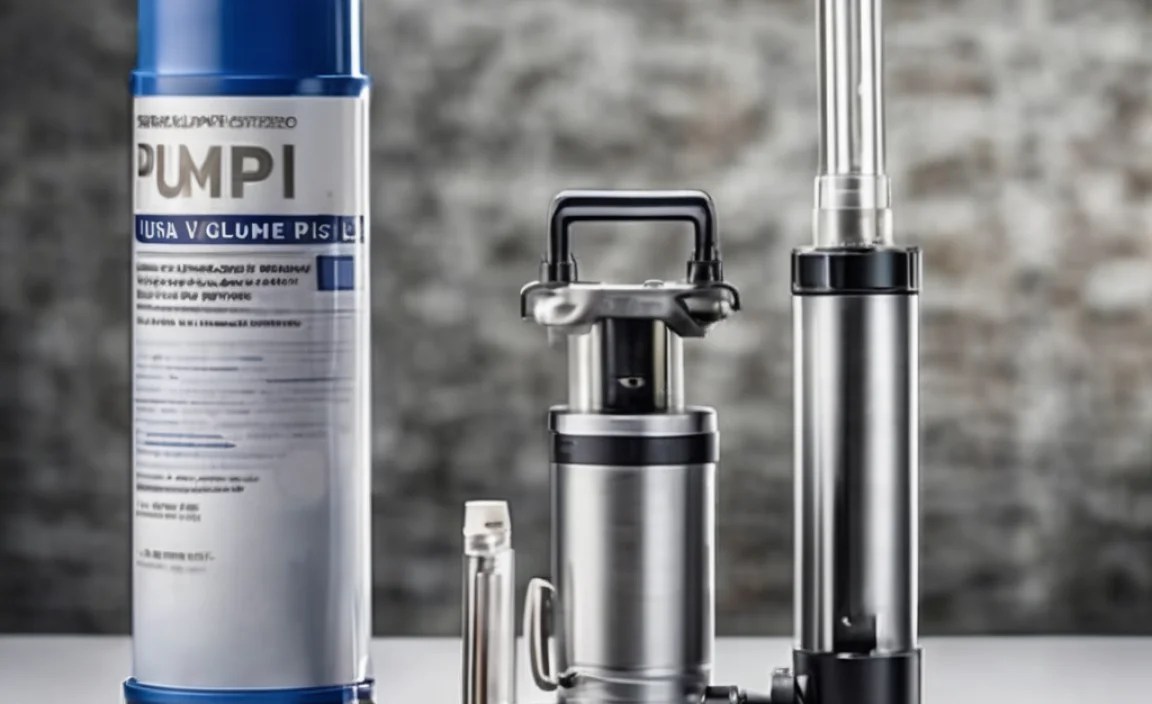
High-volume pumps are designed to move a large amount of air with each stroke or cycle. This makes them ideal for inflating items that require a lot of air but don’t necessarily need high pressure. Think of things like bike tires (especially mountain bike tires), air mattresses, inflatable boats, and large sports balls. These pumps prioritize airflow over pressure, allowing you to fill items quickly.
What Makes a Pump “High-Volume”?
The key to a high-volume pump is its large cylinder and piston design. This allows it to displace more air with each stroke compared to a high-pressure pump, which has a smaller cylinder and focuses on compressing air to higher pressures. The difference lies in the intended use: high-volume for quickly filling large spaces, and high-pressure for achieving specific, higher pressure levels.
For example, a floor pump designed for mountain bike tires will typically be a high-volume pump, while a pump designed for road bike tires will prioritize high pressure to reach the higher PSI levels needed for those tires.
Key Features to Look For
When choosing a high-volume pump, keep these features in mind:
- Cylinder Size: A larger cylinder means more air per stroke.
- Ergonomics: Comfortable handles and a stable base make pumping easier.
- Gauge Accuracy: A reliable gauge helps you avoid over- or under-inflating.
- Valve Compatibility: Ensure the pump works with both Presta and Schrader valves.
- Durability: Look for sturdy materials that can withstand regular use.
Types of High-Volume Pumps

There are several types of high-volume pumps, each with its own advantages and best uses. Let’s take a closer look at some of the most common types:
Floor Pumps
Floor pumps, also known as track pumps, are a staple for home use. They provide a stable platform and an ergonomic handle, making it easy to inflate tires and other items quickly. They typically have a built-in gauge for accurate inflation.
Pros:
- High Efficiency: Floor pumps deliver a large volume of air with each stroke.
- Ease of Use: The stable base and comfortable handle make them easy to use.
- Accurate Inflation: Most have a built-in gauge for precise pressure control.
- Versatility: Suitable for a variety of inflation tasks.
Cons:
- Not Portable: Floor pumps are bulky and not ideal for carrying on rides.
- Higher Cost: Generally more expensive than other types of pumps.
Frame-Mounted Pumps
Frame-mounted pumps are designed to be carried on your bike, making them ideal for on-the-go inflation. They attach directly to the bike frame, so you always have them when you need them.
Pros:
- Portability: Compact and lightweight for easy transport on your bike.
- Convenience: Always available when you need them.
- Affordable: Generally less expensive than floor pumps.
Cons:
- Lower Efficiency: Smaller cylinder size means more strokes are needed.
- Less Accurate: Often lack a gauge, making it harder to achieve precise pressure.
- More Effort: Can require more effort to inflate tires fully.
Hand Pumps
Hand pumps are small, portable pumps that are great for quick inflation tasks. They don’t attach to the frame but can easily be carried in a backpack or pocket.
Pros:
- Ultra-Portable: Small and lightweight, perfect for carrying anywhere.
- Inexpensive: One of the most affordable pump options.
- Simple to Use: Easy to operate for quick inflation.
Cons:
- Least Efficient: Requires the most strokes to inflate items.
- No Gauge: Lacks a gauge, making it difficult to achieve precise pressure.
- Can Be Tiring: Requires significant effort to inflate larger items.
Electric Pumps
Electric pumps offer the convenience of automated inflation. They can be powered by batteries or plugged into a power source, making them ideal for inflating multiple items or larger inflatables.
Pros:
- Effortless Inflation: Automated pumping requires minimal effort.
- Fast Inflation: Quickly inflates items with consistent airflow.
- Versatile: Suitable for a wide range of inflation tasks.
Cons:
- Dependence on Power: Requires batteries or a power source.
- Higher Cost: More expensive than manual pumps.
- Can Be Bulky: Some models are larger and less portable.
CO2 Inflators
CO2 inflators use cartridges of compressed carbon dioxide to quickly inflate tires. They are popular among cyclists for their speed and portability, especially during races or long rides.
Pros:
- Extremely Fast: Inflates tires in seconds.
- Highly Portable: Small and lightweight, easy to carry in a saddlebag.
- Convenient: Great for emergency repairs on the road.
Cons:
- Single Use: Each cartridge can only inflate one tire.
- Costly: Requires purchasing replacement cartridges.
- Less Control: Difficult to achieve precise pressure.
Comparing High-Volume Pump Types
To help you make an informed decision, here’s a comparison table of the different high-volume pump types:
| Pump Type | Pros | Cons | Best Use |
|---|---|---|---|
| Floor Pump | High efficiency, easy to use, accurate inflation, versatile | Not portable, higher cost | Home use, regular tire maintenance |
| Frame-Mounted Pump | Portable, convenient, affordable | Lower efficiency, less accurate, more effort | On-the-go inflation, emergency repairs |
| Hand Pump | Ultra-portable, inexpensive, simple to use | Least efficient, no gauge, can be tiring | Quick inflation tasks, backup pump |
| Electric Pump | Effortless inflation, fast inflation, versatile | Dependence on power, higher cost, can be bulky | Inflating multiple items, large inflatables |
| CO2 Inflator | Extremely fast, highly portable, convenient | Single use, costly, less control | Emergency repairs on the road, racing |
Choosing the Right High-Volume Pump

Selecting the right high-volume pump depends on your specific needs and preferences. Here’s a guide to help you choose:
For Home Use
If you primarily need a pump for home use, a floor pump is the best option. Its high efficiency and ease of use make it ideal for regular tire maintenance and inflating other household items. Look for a model with a large, easy-to-read gauge for accurate inflation.
For On-the-Go Inflation
For cyclists and outdoor enthusiasts who need a pump for on-the-go inflation, a frame-mounted pump or CO2 inflator is a great choice. Frame-mounted pumps offer a balance of portability and efficiency, while CO2 inflators provide the fastest inflation for emergency repairs.
For Travel
When traveling, a hand pump or a compact electric pump is your best bet. Hand pumps are lightweight and easy to pack, while electric pumps offer the convenience of automated inflation without taking up too much space.
For Specific Applications
Consider these specific applications when choosing a pump:
- Mountain Biking: A high-volume floor pump or frame-mounted pump is ideal for inflating wider mountain bike tires.
- Road Cycling: A high-pressure floor pump or CO2 inflator is better suited for the higher PSI requirements of road bike tires.
- Camping: An electric pump or a large-capacity hand pump is useful for inflating air mattresses and other camping gear.
- Water Sports: A high-volume electric pump is perfect for inflating inflatable boats, kayaks, and paddleboards.
How to Use a High-Volume Pump

Using a high-volume pump is generally straightforward, but here are some tips to ensure proper inflation:
Using a Floor Pump
- Connect the Nozzle: Attach the pump nozzle to the valve stem, ensuring a secure fit. Most floor pumps have a dual head for both Presta and Schrader valves.
- Lock the Lever: Engage the lever on the pump head to create an airtight seal.
- Inflate: Use a smooth, steady motion to pump air into the tire or inflatable.
- Monitor the Gauge: Keep an eye on the pressure gauge to avoid over- or under-inflating.
- Remove the Nozzle: Disengage the lever and carefully remove the nozzle from the valve stem.
Using a Frame-Mounted or Hand Pump
- Attach the Nozzle: Securely attach the pump nozzle to the valve stem.
- Inflate: Use a consistent pumping motion to inflate the tire.
- Check Pressure: If your pump has a gauge, monitor the pressure. If not, check the tire pressure periodically with a separate gauge or by feel.
- Remove the Nozzle: Carefully remove the nozzle from the valve stem.
Using an Electric Pump
- Connect the Nozzle: Attach the appropriate nozzle to the valve stem.
- Set the Pressure: If your pump has a pressure setting, set it to the desired PSI.
- Turn On: Power on the pump and let it inflate the item.
- Monitor: Keep an eye on the pressure and turn off the pump when the desired level is reached.
- Remove the Nozzle: Disconnect the nozzle from the valve stem.
Using a CO2 Inflator
- Prepare the Inflator: Attach a CO2 cartridge to the inflator head.
- Connect to Valve: Securely attach the inflator head to the valve stem.
- Inflate: Activate the inflator to release the CO2 and inflate the tire.
- Check Pressure: Use a separate gauge to check the tire pressure, as CO2 inflators do not have built-in gauges.
Tips for Maintaining Your High-Volume Pump
Proper maintenance can extend the life of your high-volume pump and ensure it performs optimally. Here are some tips:
- Clean Regularly: Wipe down the pump with a clean cloth to remove dirt and debris.
- Lubricate: Periodically lubricate the piston and other moving parts with silicone-based lubricant.
- Check the Nozzle: Inspect the nozzle for wear and tear, and replace it if necessary.
- Store Properly: Store the pump in a dry, protected area to prevent rust and corrosion.
- Replace Parts: Replace worn-out parts, such as hoses and seals, to maintain optimal performance.
Troubleshooting Common Issues
Even with proper maintenance, you may encounter some common issues with your high-volume pump. Here are some troubleshooting tips:
- Pump Not Inflating: Check the nozzle connection, valve stem, and pump seals for leaks.
- Low Pressure: Ensure the pump is properly sealed and that there are no leaks in the hose or nozzle.
- Stiff Pumping: Lubricate the piston and other moving parts to reduce friction.
- Gauge Inaccurate: Replace the gauge if it consistently provides inaccurate readings.
FAQ About High-Volume Pumps
Here are some frequently asked questions about high-volume pumps:
What is the difference between a high-volume and a high-pressure pump?
High-volume pumps move a large amount of air at lower pressure, ideal for quickly filling large spaces. High-pressure pumps move a smaller amount of air at higher pressure, suitable for reaching specific, higher pressure levels.
Can I use a high-volume pump for road bike tires?
Yes, but a high-pressure pump is generally better for road bike tires. High-volume pumps may take longer to reach the higher PSI required for road tires.
How do I know if my pump is compatible with Presta and Schrader valves?
Most modern pumps have a dual head that is compatible with both Presta and Schrader valves. Check the pump head for instructions on how to switch between valve types.
How often should I lubricate my pump?
Lubricate your pump every few months, or whenever you notice the pumping action becoming stiff or less smooth.
Can I use a car tire inflator for my bike tires?
While some car tire inflators can be used for bike tires, they often deliver air too quickly and can be difficult to control. It’s best to use a pump specifically designed for bike tires.
What PSI should I inflate my tires to?
The recommended PSI for your tires is usually printed on the sidewall of the tire. Follow these recommendations to ensure optimal performance and safety.
Are electric pumps worth the investment?
Electric pumps are worth the investment if you frequently need to inflate multiple items or larger inflatables. They offer convenience and save time and effort.
Conclusion
Choosing the right high-volume pump can make all the difference in your inflation tasks. Whether you need a reliable floor pump for home use, a portable frame-mounted pump for on-the-go inflation, or a convenient electric pump for larger items, understanding the different types and their features will help you make an informed decision. Remember to maintain your pump regularly to ensure it performs optimally for years to come. Happy inflating!


