
How to Use Hand Pump Efficiently While Cycling: Smart!

Quick Summary:
Using a hand pump efficiently while cycling means getting the most air into your tires with the least amount of effort. Make sure the pump head is securely attached to the valve. Use your body weight to compress the pump, keep your arms straight, and avoid quick, jerky motions. Pump until you reach the recommended tire pressure, usually found on the tire sidewall. A little practice makes it much easier!
Ever been stuck on the side of the road with a flat tire, wrestling with a hand pump that just doesn’t seem to do the trick? It’s a common cycling frustration! Hand pumps are essential for quick fixes on the go, but using them effectively can be a challenge. Many cyclists struggle with getting enough pressure or simply tire out too quickly. Don’t worry; it doesn’t have to be a workout.
In this guide, I’ll walk you through the best techniques to use a hand pump efficiently. We’ll cover everything from choosing the right pump to mastering the pumping motion. By the end, you’ll be able to inflate your tires quickly and easily, getting you back on the road in no time. Let’s get pumping!
Choosing the Right Hand Pump

Not all hand pumps are created equal. Selecting the right one can significantly impact how efficiently you inflate your tires. Here’s what to consider:
Pump Type
- Mini Pumps: Compact and lightweight, perfect for carrying on rides. They require more strokes to inflate tires but are easy to transport.
- Frame-Mounted Pumps: Attach directly to your bike frame. They are usually longer and more efficient than mini pumps.
- Hybrid Pumps: These combine features of both mini and frame-mounted pumps, offering a balance of portability and efficiency.
Valve Compatibility
Ensure the pump is compatible with your bike’s valves. There are two main types:
- Presta Valves: Narrower with a locking nut at the tip. Common on road bikes and high-performance tires.
- Schrader Valves: Wider, similar to car tire valves. Often found on mountain bikes and hybrid bikes.
Many pumps come with dual heads or adapters to fit both valve types.
Pressure Gauge
A built-in pressure gauge is extremely helpful for achieving the correct tire pressure. Look for a pump with a clear, easy-to-read gauge. This prevents over- or under-inflation, which can affect your ride quality and tire lifespan.
Material and Build Quality
Opt for pumps made from durable materials like aluminum alloy. A sturdy build ensures the pump can withstand regular use and provides a more stable pumping experience.
Essential Hand Pump Features
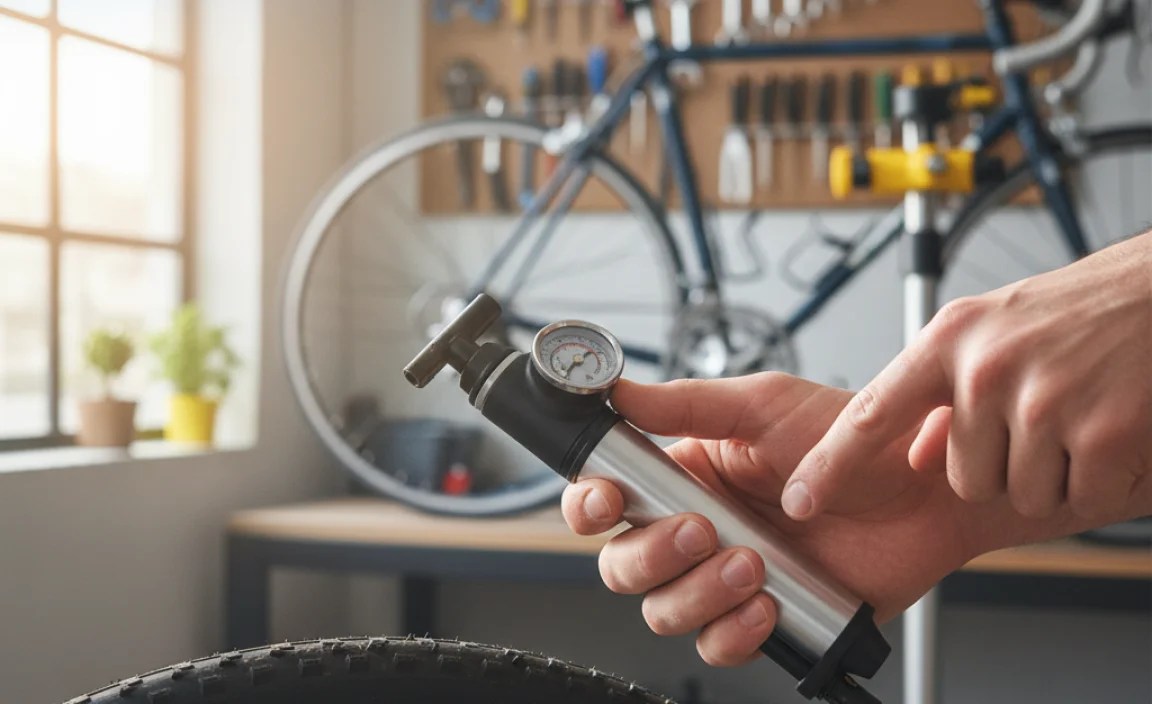
Before you buy, here are some features that can make using a hand pump easier and more efficient:
- Extendable Hose: Reduces stress on the valve stem and makes it easier to pump.
- Fold-Out Footrest: Provides stability and leverage, especially useful for higher pressures.
- Ergonomic Handle: A comfortable handle reduces hand fatigue.
- Dust Cap: Protects the pump head from dirt and debris.
Step-by-Step Guide to Efficient Hand Pumping
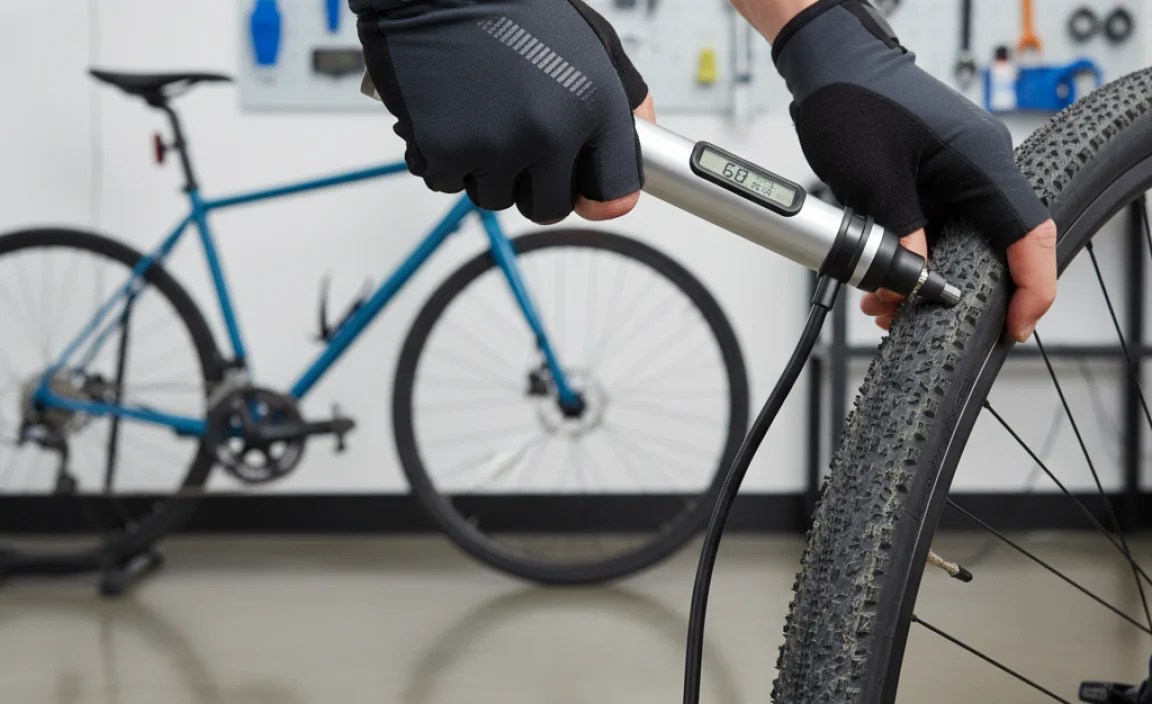
Follow these steps to get the most out of your hand pump:
Step 1: Prepare the Valve
Before attaching the pump, prepare the valve:
- Presta Valve: Unscrew the locking nut at the tip and gently press the valve to release a small amount of air. This ensures the valve isn’t stuck.
- Schrader Valve: Remove the valve cap and ensure the valve pin is free.
Step 2: Attach the Pump Head
Properly attaching the pump head is crucial for an airtight seal:
- Align the Pump Head: Ensure the pump head is correctly aligned with the valve type (Presta or Schrader).
- Securely Attach: Press the pump head firmly onto the valve. Some pumps have a lever or locking mechanism to secure the connection. Make sure it’s engaged.
Step 3: Position Yourself
Your body position can significantly affect pumping efficiency:
- Stable Base: Stand with your feet shoulder-width apart for a stable base.
- Lean Over the Pump: Position yourself so you can use your body weight to compress the pump.
- Keep Arms Straight: Straight arms allow you to use your larger back and shoulder muscles, reducing arm fatigue.
Step 4: The Pumping Motion
Use a smooth, controlled pumping motion:
- Full Strokes: Use the full stroke length of the pump to maximize the amount of air per stroke.
- Consistent Pressure: Apply consistent pressure throughout the stroke. Avoid jerky or uneven movements.
- Listen for Air Leaks: If you hear air escaping, check the pump head connection and readjust if necessary.
Step 5: Monitor Tire Pressure
Regularly check the tire pressure to avoid over- or under-inflation:
- Use a Gauge: If your pump has a gauge, monitor the pressure as you pump.
- Check Tire Sidewall: Look for the recommended pressure range printed on the tire sidewall.
- Stop at the Right Pressure: Stop pumping when you reach the recommended pressure.
Step 6: Detach the Pump Head
Carefully detach the pump head to avoid losing air:
- Disengage the Lever: If your pump has a locking lever, disengage it.
- Pull Straight Off: Pull the pump head straight off the valve. Avoid bending or twisting.
- Presta Valve: Screw the locking nut back on the Presta valve.
- Replace Valve Cap: Replace the valve cap on both Presta and Schrader valves to protect them from dirt.
Troubleshooting Common Issues
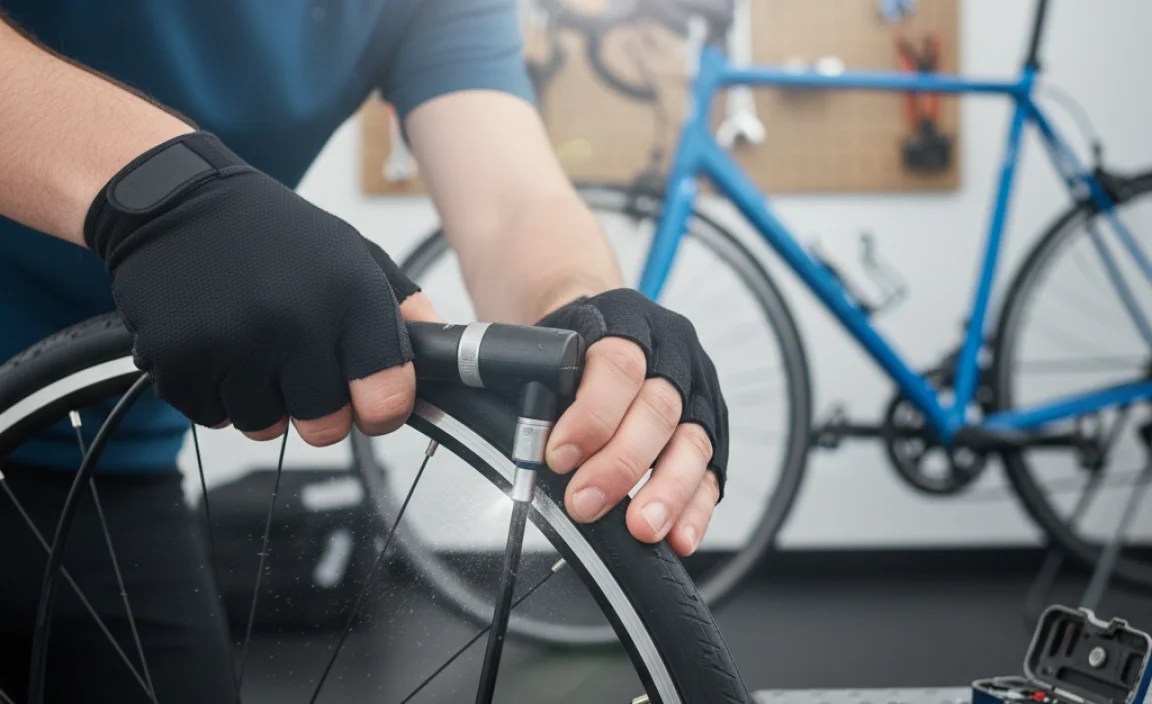
Even with the best technique, you might encounter some issues. Here’s how to troubleshoot them:
Problem: Air Leaking
- Cause: Poor pump head connection.
- Solution: Reattach the pump head, ensuring it’s properly aligned and secured.
Problem: Difficulty Pumping
- Cause: Insufficient leverage or incorrect body position.
- Solution: Adjust your stance to use your body weight more effectively. Ensure your arms are straight and you’re using full strokes.
Problem: Not Reaching Desired Pressure
- Cause: Pump not designed for high pressure or worn-out pump seals.
- Solution: Use a high-pressure pump or replace the pump seals. Consider using a floor pump for easier inflation at home.
Problem: Valve Damage
- Cause: Excessive bending or twisting of the valve stem.
- Solution: Use an extendable hose to reduce stress on the valve. Be gentle when attaching and detaching the pump head.
Tips for Maintaining Your Hand Pump
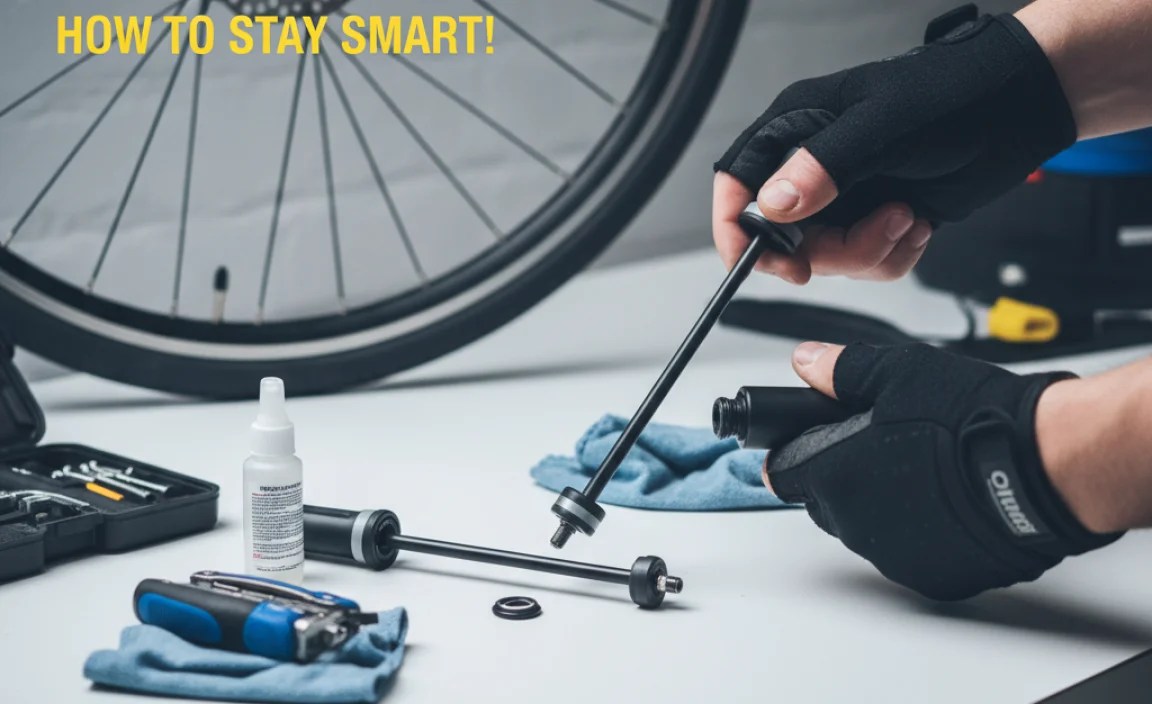
Proper maintenance ensures your hand pump remains efficient and reliable:
- Clean Regularly: Wipe down the pump with a clean cloth to remove dirt and grime.
- Lubricate Moving Parts: Apply a small amount of lubricant (like silicone spray) to the piston and other moving parts to keep them working smoothly.
- Inspect Seals: Check the pump seals regularly for wear and tear. Replace them as needed to maintain an airtight seal.
- Store Properly: Store the pump in a dry place to prevent corrosion.
Table: Hand Pump Comparison
| Feature | Mini Pump | Frame-Mounted Pump | Hybrid Pump |
|---|---|---|---|
| Size | Compact | Medium | Medium |
| Weight | Light | Medium | Medium |
| Efficiency | Lower | Higher | Moderate |
| Portability | Excellent | Good | Good |
| Ease of Use | Moderate | Easier | Moderate |
| Typical Use | Emergency repairs | Regular use | Versatile |
Table: Troubleshooting Air Leaks
| Problem | Possible Cause | Solution |
|---|---|---|
| Air leaking at the valve | Pump head not properly attached | Reattach pump head, ensure proper alignment and secure fit |
| Air leaking from the pump body | Worn or damaged seals | Replace pump seals, lubricate moving parts |
| Air leaking from the hose (if applicable) | Hose is cracked or loose | Replace hose, tighten connections |
Advanced Techniques for Efficient Pumping
Once you’ve mastered the basics, try these advanced techniques:
Using Body Weight
Leverage your body weight to compress the pump. This reduces strain on your arms and allows you to generate more force.
Optimizing Stroke Length
Use the full stroke length of the pump with each stroke. Short, choppy strokes are less efficient.
Maintaining a Steady Rhythm
Establish a steady, consistent rhythm while pumping. This helps maintain pressure and reduces fatigue.
Pumping in Stages
If you’re struggling to reach high pressures, try pumping in stages. Pump for a short period, then take a break before continuing.
Hand Pump Alternatives
While hand pumps are great for on-the-go repairs, consider these alternatives for home use:
- Floor Pumps: More efficient and easier to use for inflating tires to higher pressures.
- CO2 Inflators: Quick and convenient for emergency inflation, but require CO2 cartridges.
- Electric Pumps: Provide effortless inflation, ideal for home or garage use.
External Resources
For more information on bike maintenance and tire inflation, check out these resources:
FAQ: Efficient Hand Pumping
Q: How do I know what tire pressure to use?
A: Look for the recommended pressure range printed on the sidewall of your tire. Use a pump with a gauge to reach the correct pressure.
Q: Why is it so hard to pump my tires with a hand pump?
A: Hand pumps require more effort than floor pumps. Make sure you’re using proper technique, leveraging your body weight, and using full strokes.
Q: What’s the difference between Presta and Schrader valves?
A: Presta valves are narrow with a locking nut, common on road bikes. Schrader valves are wider, like car tire valves, often on mountain bikes.
Q: How often should I check my tire pressure?
A: Check your tire pressure before each ride to ensure optimal performance and safety.
Q: Can I use a car tire pump on my bike?
A: Yes, if you have a Schrader valve. For Presta valves, you’ll need an adapter.
Q: What should I do if my pump keeps slipping off the valve?
A: Make sure the pump head is securely attached and properly aligned with the valve. Some pumps have a locking lever for a tighter fit.
Q: How do I maintain my hand pump?
A: Clean it regularly, lubricate moving parts, inspect seals, and store it in a dry place.
Conclusion
Mastering the art of using a hand pump efficiently can save you time and energy on your cycling adventures. By choosing the right pump, using proper technique, and maintaining your equipment, you’ll be able to inflate your tires quickly and easily. Remember to leverage your body weight, use full strokes, and monitor your tire pressure. With a little practice, you’ll be back on the road in no time, enjoying a smooth and comfortable ride. Happy cycling!


