
How Does a Cycle Pump Work? A Beginner’s Guide

Quick Summary: A cycle pump works by using a piston inside a cylinder to create a pressure difference. When you pull the handle, air is sucked into the cylinder. Pushing the handle forces that air through a one-way valve and into your bike’s tire, inflating it. Simple, right?
Ever struggled with a flat tire and a stubborn bike pump? You’re not alone! Understanding how your cycle pump works can make inflating your tires much easier. It’s a simple tool, but knowing the mechanics helps you troubleshoot problems and get back on the road (or trail) faster. This guide breaks down the inner workings of a cycle pump, step by step. We’ll cover everything from the basic principles to different types of pumps, so you can inflate your tires with confidence.
The Basic Principles of a Cycle Pump
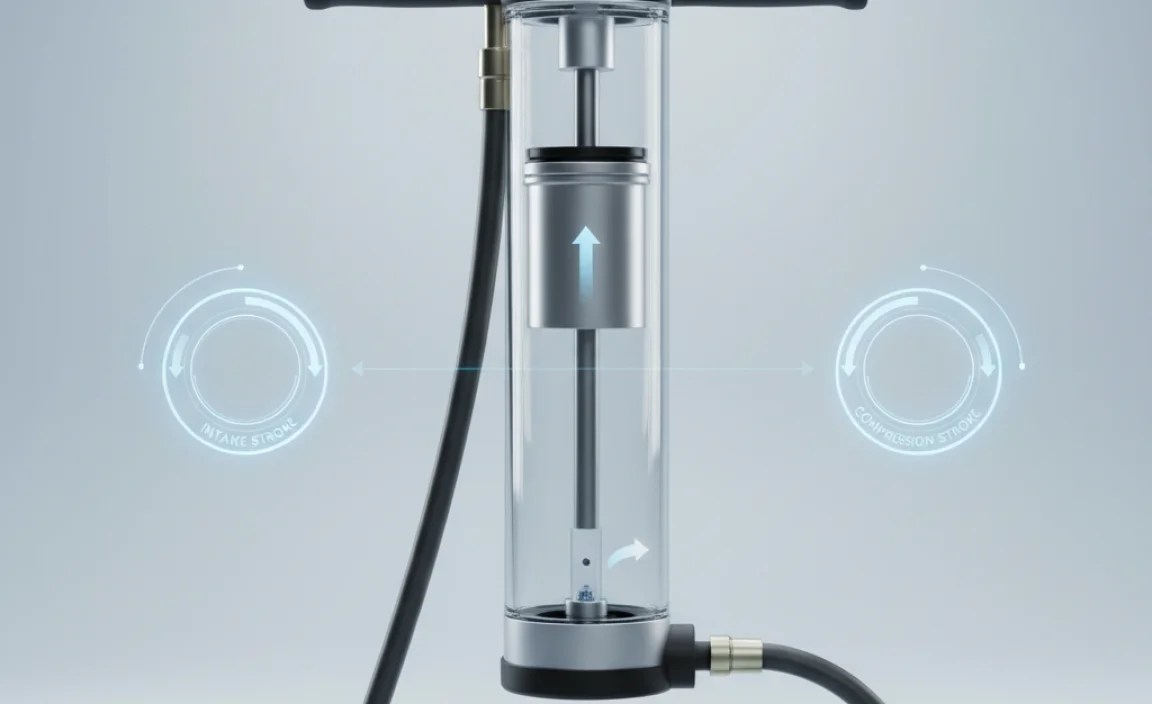
At its core, a cycle pump is a simple machine that moves air from one place to another. It uses basic physics to increase air pressure and inflate your tires. Here’s a breakdown of the key principles:
- Pressure Difference: The pump creates a difference in air pressure. It lowers the pressure inside the pump cylinder, allowing outside air to rush in. Then, it increases the pressure to force air into the tire.
- Piston and Cylinder: The heart of the pump is a piston moving inside a cylinder. This creates the vacuum and pressure needed to move air.
- One-Way Valve: A crucial component is the one-way valve. It allows air to flow in only one direction – into the tire – preventing air from escaping back into the pump.
Think of it like this: you’re creating a tiny, controlled “breath” that fills your tire bit by bit. Each stroke of the pump adds a little more air, increasing the tire pressure until it’s just right.
Step-by-Step: How a Cycle Pump Inflates Your Tire

Let’s break down the pumping process into simple steps:
- Pulling the Handle: When you pull the pump handle up, the piston moves up inside the cylinder. This increases the volume of the cylinder, creating a partial vacuum (lower pressure) inside.
- Air Intake: Due to the pressure difference, outside air rushes into the cylinder through an intake valve. This valve opens when the pressure inside the cylinder is lower than the outside air pressure.
- Pushing the Handle: When you push the handle down, the piston moves down, decreasing the volume of the cylinder. This compresses the air inside, increasing its pressure.
- One-Way Valve Action: The increased air pressure forces the one-way valve to open, allowing the compressed air to flow into the tire through the hose and valve connector. The intake valve closes to prevent air from escaping back out.
- Inflation: The air flows into the tire, increasing the tire pressure. You repeat this process until the tire reaches the desired pressure.
Types of Cycle Pumps

There are several types of cycle pumps, each designed for different purposes. Here’s a look at some common types:
Floor Pumps (Track Pumps)
Floor pumps are designed for home use and offer the most efficient way to inflate tires. They have a large cylinder and a long handle, allowing you to pump more air with each stroke.
- Pros: High volume, stable base, built-in pressure gauge.
- Cons: Not portable, bulky for travel.
- Best for: Home use, inflating tires quickly and accurately.
Hand Pumps
Hand pumps are compact and portable, making them ideal for carrying on rides. They’re smaller and require more effort to use than floor pumps.
- Pros: Portable, lightweight, easy to carry.
- Cons: Lower volume, requires more effort, may lack a pressure gauge.
- Best for: On-the-go inflation, emergency repairs.
CO2 Inflators
CO2 inflators use compressed carbon dioxide cartridges to quickly inflate tires. They’re lightweight and fast, but require purchasing replacement cartridges.
- Pros: Extremely fast inflation, lightweight.
- Cons: Requires cartridges, can be wasteful, no precise pressure control.
- Best for: Racing, quick repairs during rides.
Mini Pumps
Mini pumps are smaller versions of hand pumps, emphasizing portability. They often attach directly to your bike frame.
- Pros: Very portable, lightweight, convenient.
- Cons: Low volume, requires significant effort.
- Best for: Emergency inflation, cyclists prioritizing minimal weight.
Understanding Pump Heads and Valve Types

The pump head is the part that connects to your tire’s valve. There are two main types of valves:
- Presta Valves: These are narrow valves with a locking nut at the tip, commonly found on road bikes and some high-performance bikes.
- Schrader Valves: These are wider valves similar to those found on car tires, commonly found on mountain bikes, hybrid bikes, and children’s bikes.
Some pump heads are designed to work with both Presta and Schrader valves, while others are specific to one type. Dual-head pumps have separate openings for each valve type. Universal pump heads use a single opening that adjusts to fit both types.
Here’s a table summarizing the key differences:
| Feature | Presta Valve | Schrader Valve |
|---|---|---|
| Width | Narrow | Wider |
| Locking Nut | Yes | No |
| Commonly Found On | Road bikes, high-performance bikes | Mountain bikes, hybrid bikes, children’s bikes |
| Pressure Release | Loosen nut to release | Depress the pin |
Troubleshooting Common Pump Problems
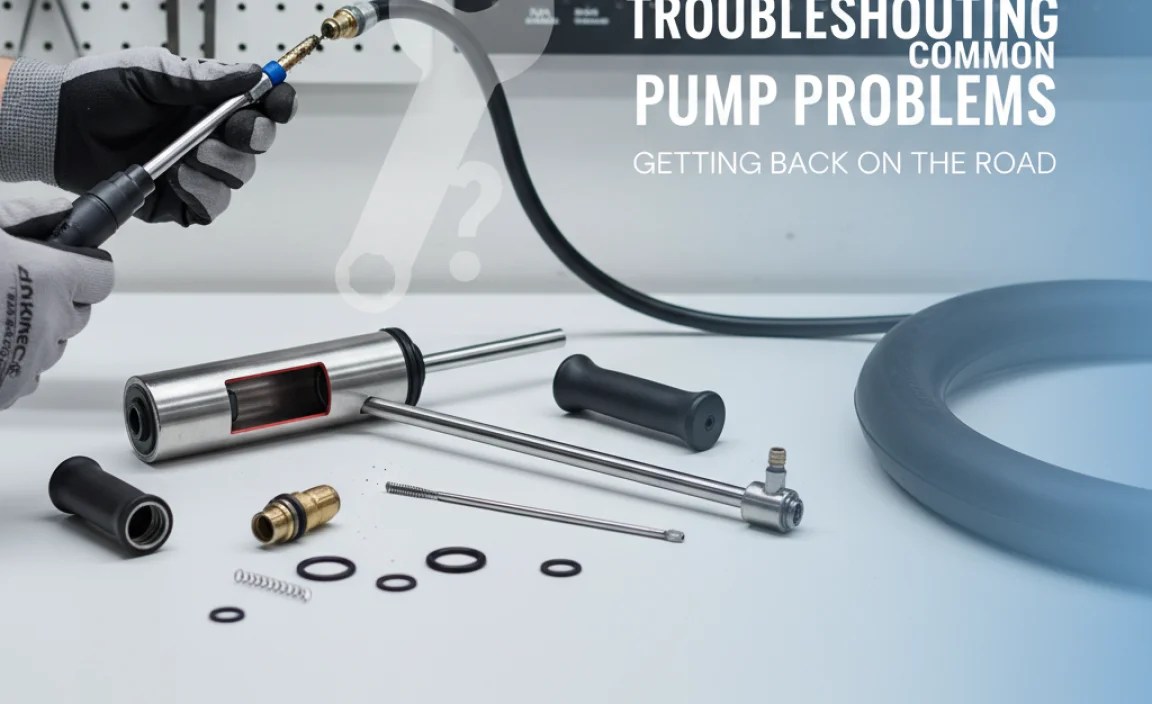
Even with a good understanding of how a cycle pump works, you might encounter some common problems. Here’s how to troubleshoot them:
- Pump Not Pumping Air:
- Check the valve connection: Make sure the pump head is securely attached to the valve.
- Inspect the pump head: Ensure the internal rubber seals are in good condition and properly positioned.
- Check for leaks: Listen for air leaks around the hose, pump head, or cylinder.
- Difficulty Pumping:
- Lubricate the piston: Apply a small amount of silicone-based lubricant to the piston to reduce friction.
- Check for obstructions: Make sure there are no obstructions in the hose or valve.
- Ensure proper valve engagement: For Presta valves, make sure the locking nut is loosened before pumping.
- Air Leaking from Valve:
- Tighten the valve core: Use a valve core tool to tighten the valve core.
- Replace the valve core: If the valve core is damaged, replace it with a new one.
- Check the tire valve: Inspect the tire valve for damage.
Maintaining Your Cycle Pump
Regular maintenance will keep your cycle pump working smoothly and extend its lifespan. Here are some tips:
- Clean the Pump: Wipe down the pump regularly with a damp cloth to remove dirt and grime.
- Lubricate the Piston: Apply a small amount of silicone-based lubricant to the piston every few months to keep it moving smoothly.
- Inspect the Hose: Check the hose for cracks or damage and replace it if necessary.
- Replace Worn Parts: Replace worn or damaged parts, such as the pump head seals or valve connectors. Many manufacturers sell rebuild kits for their pumps.
- Store Properly: Store your pump in a dry place to prevent rust and corrosion.
Choosing the Right Cycle Pump
Selecting the right cycle pump depends on your needs and riding style. Consider these factors:
- Type of Bike: Road bikes typically require higher pressure than mountain bikes, so choose a pump that can reach the necessary PSI.
- Frequency of Use: If you ride frequently, invest in a durable floor pump for home use and a reliable hand pump for on-the-go repairs.
- Portability: If you prioritize portability, choose a compact hand pump or CO2 inflator.
- Budget: Cycle pumps range in price from budget-friendly options to high-end models. Set a budget and choose a pump that meets your needs without breaking the bank.
Here’s a comparison table to help you decide:
| Pump Type | Pros | Cons | Best Use |
|---|---|---|---|
| Floor Pump | High volume, accurate pressure, durable | Not portable | Home use, frequent inflation |
| Hand Pump | Portable, lightweight | Lower volume, requires more effort | On-the-go repairs, emergency inflation |
| CO2 Inflator | Extremely fast inflation, lightweight | Requires cartridges, less precise | Racing, quick repairs |
| Mini Pump | Very portable, lightweight | Low volume, requires significant effort | Emergency inflation, minimal weight |
Additional Tips for Efficient Pumping
Here are some extra tips to make pumping your tires easier and more efficient:
- Use Proper Technique: Use your body weight to push down on the pump handle, rather than just using your arm strength.
- Check Tire Pressure Regularly: Use a pressure gauge to ensure your tires are inflated to the correct pressure. This improves performance and prevents flats.
- Inflate Tires Before Each Ride: Check and inflate your tires before each ride to ensure optimal performance and safety.
- Listen for Leaks: Pay attention to any hissing sounds that may indicate a leak. Address leaks promptly to prevent flat tires.
FAQ: Cycle Pump Basics
Here are some frequently asked questions about cycle pumps:
- What is the difference between a Presta and Schrader valve?
- Presta valves are narrow and have a locking nut, commonly found on road bikes. Schrader valves are wider and similar to car tire valves, often used on mountain and hybrid bikes.
- How do I know what pressure to inflate my tires to?
- Check the sidewall of your tire for the recommended pressure range (PSI). Use a pump with a pressure gauge to inflate your tires to the correct pressure.
- Why is my pump not working?
- Make sure the pump head is securely attached to the valve. Check for leaks in the hose or pump head. Lubricate the piston if it’s difficult to pump.
- Can I use a car tire pump on my bike?
- Yes, if your bike has Schrader valves. However, car tire pumps often deliver too much air too quickly for Presta valves, potentially damaging them.
- How often should I maintain my cycle pump?
- Clean your pump regularly and lubricate the piston every few months. Inspect the hose and replace worn parts as needed.
- What does PSI mean?
- PSI stands for “pounds per square inch,” which is the unit of measurement for tire pressure.
- Is it possible to over-inflate my tires?
- Yes, over-inflating can cause the tire to burst. Always stay within the PSI range printed on the tire’s sidewall.
Conclusion
Understanding how a cycle pump works empowers you to maintain your bike’s tires and enjoy smoother, safer rides. By grasping the basic principles, troubleshooting common problems, and performing regular maintenance, you can keep your pump in top condition. Whether you’re a casual rider or a seasoned cyclist, knowing your pump is a key part of bike ownership. So, pump up those tires and get ready to roll!
“`


