
Dual Head Floor Pump: The Easiest Inflation!

Have you ever tried to pump up a bike tire? It can be hard. Some pumps don’t fit all tires. What if there was a pump that worked for every bike? A dual head floor pump can help.
A dual head floor pump is a tool. It makes pumping tires easy. It has two different heads. These heads fit different valves. This means you can pump up almost any tire. Isn’t that neat?
Key Takeaways
- A dual head floor pump makes inflating different types of tires much simpler.
- Using the correct pump ensures proper tire pressure and a better ride.
- A good pump saves time and energy when maintaining your bicycle tires.
- Look for durable materials in a pump for long-lasting performance.
- Regularly check your tire pressure to avoid flats and improve safety.
What is a Dual Head Floor Pump?

A dual head floor pump is a special kind of pump. It helps you fill your bike tires with air. It has two different heads. One head is for Schrader valves. These are like car tire valves. The other head is for Presta valves. These are on many road bikes. A floor pump stands on the ground. You use your hands and feet to pump. This makes it easier than using a small hand pump. With a dual head floor pump, you can pump up almost any bike tire.
- It has two heads for different valves.
- It stands on the floor for easy use.
- You use your hands and feet to pump.
- It works for Schrader and Presta valves.
- It makes pumping tires faster.
Imagine you have two bikes. One has Schrader valves. The other has Presta valves. With a regular pump, you need two different pumps. But with a dual head floor pump, you only need one. This saves space in your garage. It also saves you money. Plus, it’s easier to switch between bikes. You don’t have to find the right pump. Just use the correct head on your dual head floor pump. This makes bike maintenance much simpler.
How Does a Floor Pump Work?
Have you ever wondered how a floor pump works? It’s all about air pressure. When you push down on the handle, it pushes air into the tire. The pump has a piston inside. This piston moves up and down. As it moves, it sucks in air and then pushes it out. The air goes through a hose and into the tire valve. The valve lets air in but not out. This keeps the tire inflated. A dual head floor pump just has two different attachments for the valves.
Why Use a Floor Pump?
Why should you use a floor pump instead of a hand pump? Floor pumps are much easier to use. They let you use your body weight to pump. This means you don’t have to use as much muscle power. Hand pumps can be tiring. They often don’t pump as much air. A floor pump is faster and more efficient. It gets your tires inflated quickly. This is important before a long bike ride. A good dual head floor pump will last for years.
What are the Parts of a Pump?
A floor pump has many parts. The base keeps it stable on the ground. The barrel is where the piston moves. The handle is what you push down on. The hose connects the pump to the tire. The head attaches to the valve. A dual head floor pump has two heads. Each head is made for a different valve type. Knowing the parts helps you understand how the pump works. It also helps you fix it if something goes wrong.
Fun Fact or Stat: Did you know that properly inflated tires can make you ride up to 20% faster?
Benefits of a Dual Head Design

The best thing about a dual head floor pump is the dual head. This design makes it very useful. You don’t need to switch parts. You don’t need extra tools. Just flip the head to the valve you need. This saves time and trouble. It also makes the pump more versatile. You can use it on different bikes. You can even use it on some sports equipment. A dual head floor pump is a great tool to have.
- It is easy to switch between valve types.
- It saves time and effort.
- It works on many different bikes.
- You don’t need extra adapters.
- It simplifies tire inflation.
- It reduces clutter in your garage.
Imagine you are going on a bike ride with friends. One friend has a mountain bike. Another has a road bike. You have a dual head floor pump. You can easily pump up both bikes’ tires. Your friends will be impressed. They might even want to borrow your pump. Having the right tools makes you a helpful friend. It also makes bike riding more fun. A dual head floor pump is a valuable addition to your bike gear.
Why is Versatility Important?
Versatility is important because it saves you money. You don’t have to buy two separate pumps. One dual head floor pump does the job of both. This is good for families with different types of bikes. It’s also good for people who like to ride different kinds of bikes. A versatile pump is a smart investment. It will last for years and work on many tires. Make sure to choose a pump that meets your needs.
How Does it Save Time?
Switching between pumps takes time. You have to find the right pump. You have to attach it to the valve. With a dual head floor pump, you just flip the head. This only takes a few seconds. Over time, this can save you a lot of time. Time is valuable. You can use the saved time to ride your bike. You can also use it to do other fun things. A dual head floor pump makes your life easier.
What About Different Bikes?
Different bikes have different valves. Mountain bikes often have Schrader valves. Road bikes often have Presta valves. Some bikes have both. A dual head floor pump works with both types. This means you can use it on any bike. You don’t have to worry about having the right pump. You can just grab your dual head floor pump and go. This makes bike maintenance simple.
Fun Fact or Stat: Some professional cyclists use floor pumps that cost over $200 because they need precise pressure readings!
Choosing the Right Pump Head
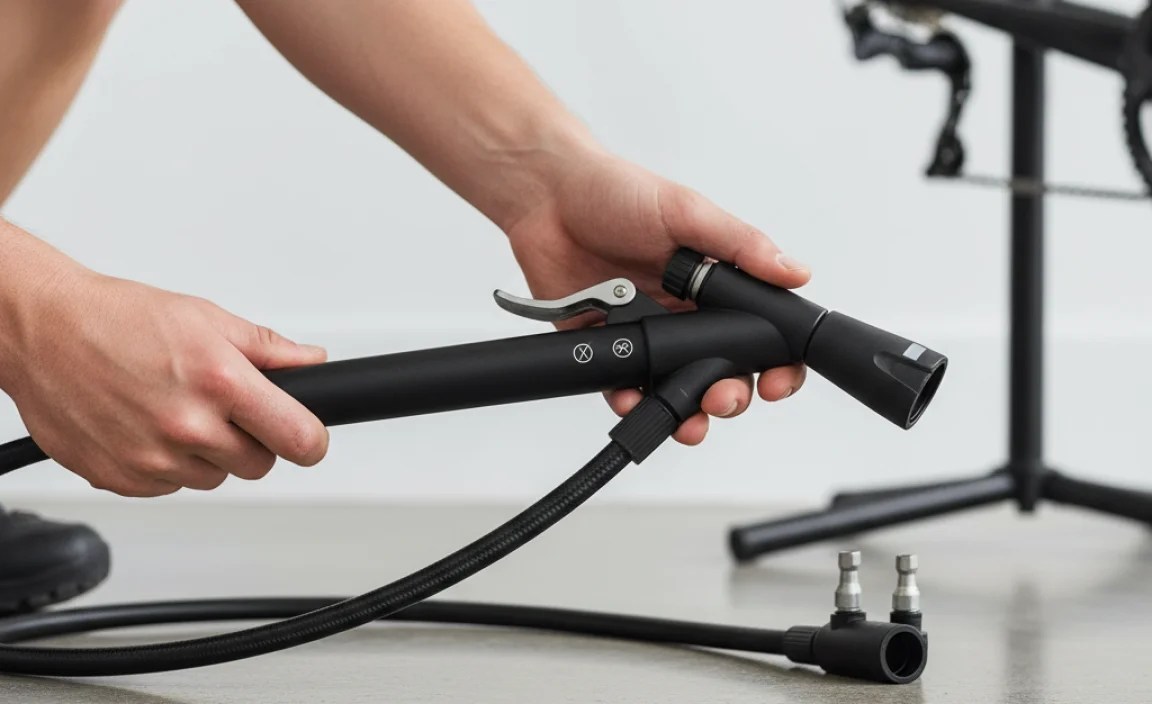
Choosing the right pump head is key. A dual head floor pump has two options. One is for Schrader valves. The other is for Presta valves. Make sure you know what kind of valve your bike has. Schrader valves are wider. They look like car tire valves. Presta valves are thinner. They have a small nut on the end. Using the wrong head can damage the valve. It can also make it hard to pump.
- Know your valve type.
- Schrader valves are wide.
- Presta valves are thin.
- Use the correct pump head.
- Avoid damaging the valve.
- Check the head before pumping.
Imagine you are trying to pump up a Presta valve with a Schrader head. The head won’t fit properly. You might force it on. This could bend the valve. It could even break it. Then you would have to replace the valve. This can be expensive and time-consuming. Using the right head is important. It prevents damage. It makes pumping easier. A dual head floor pump makes it simple to choose the right head.
What is a Schrader Valve?
A Schrader valve is like the valve on your car tires. It is wider and sturdier than a Presta valve. To inflate a Schrader valve, you simply attach the pump head. No need to loosen any nuts. Many mountain bikes and kids’ bikes use Schrader valves. They are easy to use and reliable. A dual head floor pump makes inflating them quick. Always check the pressure after inflating.
What is a Presta Valve?
A Presta valve is thinner and longer than a Schrader valve. It has a small nut on the end that you need to loosen before inflating. Many road bikes use Presta valves. They are designed for higher pressure. Some people find them a bit trickier to use at first. With practice, they become easy. A dual head floor pump makes the process smoother. Remember to tighten the nut after inflating.
How to Switch Pump Heads?
Switching pump heads on a dual head floor pump is usually very easy. Most pumps have a lever or a rotating part. This lever lets you switch between the two heads. Some pumps have separate attachments. You simply flip the head to the correct side. Always make sure the head is securely attached. This prevents air leaks. Follow the pump’s instructions for the best results.
Fun Fact or Stat: Presta valves were invented in France and are sometimes called “French valves.”
Understanding Pressure Gauges
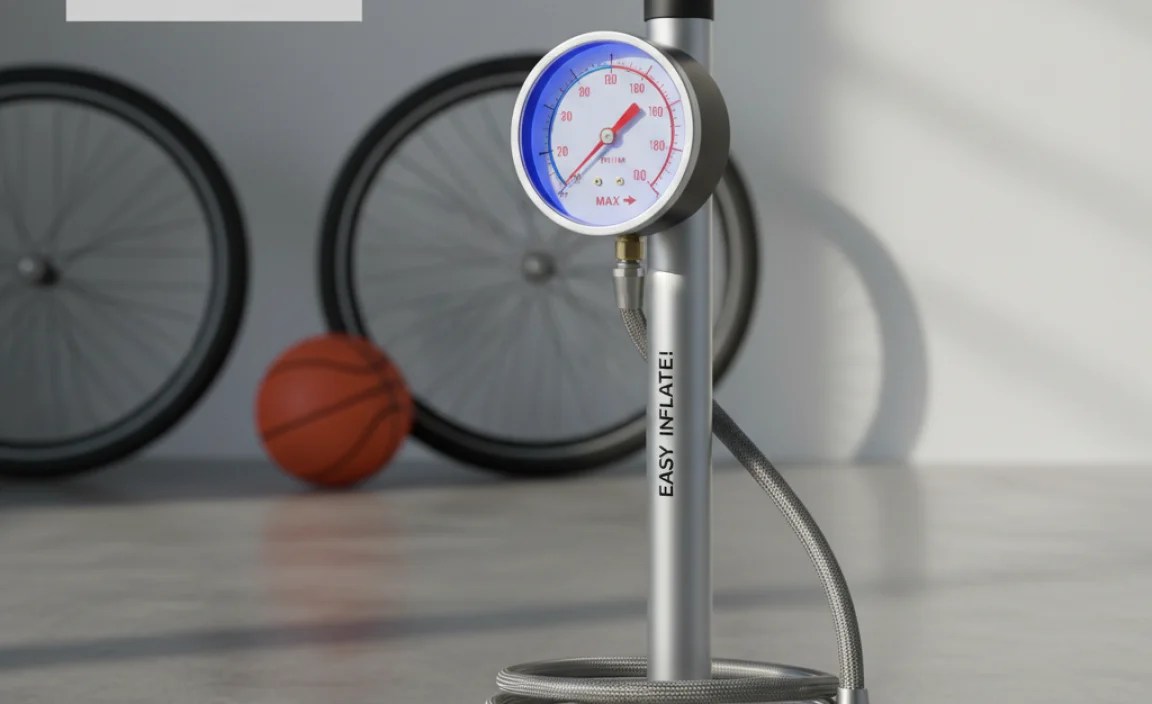
A pressure gauge is very important on a floor pump. It tells you how much air is in the tire. The gauge shows the pressure in PSI or BAR. PSI stands for pounds per square inch. BAR is another unit of pressure. Knowing the pressure helps you inflate the tire correctly. Too little air can cause flats. Too much air can make the ride uncomfortable. A dual head floor pump with a good gauge is essential.
| Tire Type | Recommended PSI |
|---|---|
| Road Bike | 80-130 PSI |
| Mountain Bike | 25-35 PSI |
| Hybrid Bike | 40-70 PSI |
| Kids Bike | 30-50 PSI |
- A gauge shows tire pressure.
- PSI and BAR are units of pressure.
- Correct pressure prevents flats.
- Too much air is uncomfortable.
- Use the gauge while pumping.
- Check your tire’s recommended PSI.
Imagine you are inflating your tires without a gauge. You might think they are full. But they could be too low. This can make the bike harder to ride. It can also increase the risk of a flat tire. On the other hand, you might over-inflate the tires. This can make the ride bumpy and uncomfortable. A gauge helps you avoid these problems. A dual head floor pump with a clear gauge is a smart choice.
Why is Accuracy Important?
Accuracy is very important. An inaccurate gauge can give you the wrong reading. You might think your tires are properly inflated. But they might not be. This can lead to problems on your ride. A good gauge is accurate and easy to read. Look for a gauge with clear numbers. Make sure it is properly calibrated. A dual head floor pump with an accurate gauge is a must-have.
PSI vs. BAR: What’s the Difference?
PSI and BAR are both units of pressure. PSI is more common in the United States. BAR is more common in Europe. Most gauges show both PSI and BAR. This makes it easy to understand the pressure. Knowing the difference can be helpful. It allows you to compare readings from different sources. A dual head floor pump usually has a gauge with both units.
How to Read a Pressure Gauge?
Reading a pressure gauge is simple. Look for the needle or digital display. The needle points to a number. This number is the tire pressure. The gauge will show PSI and/or BAR. Compare the reading to the recommended pressure on your tire. Add air until you reach the correct pressure. A dual head floor pump with a clear gauge makes this easy. Always double-check your reading.
Fun Fact or Stat: The ideal tire pressure depends on the type of bike, the rider’s weight, and the terrain you’re riding on!
Maintaining Your Floor Pump
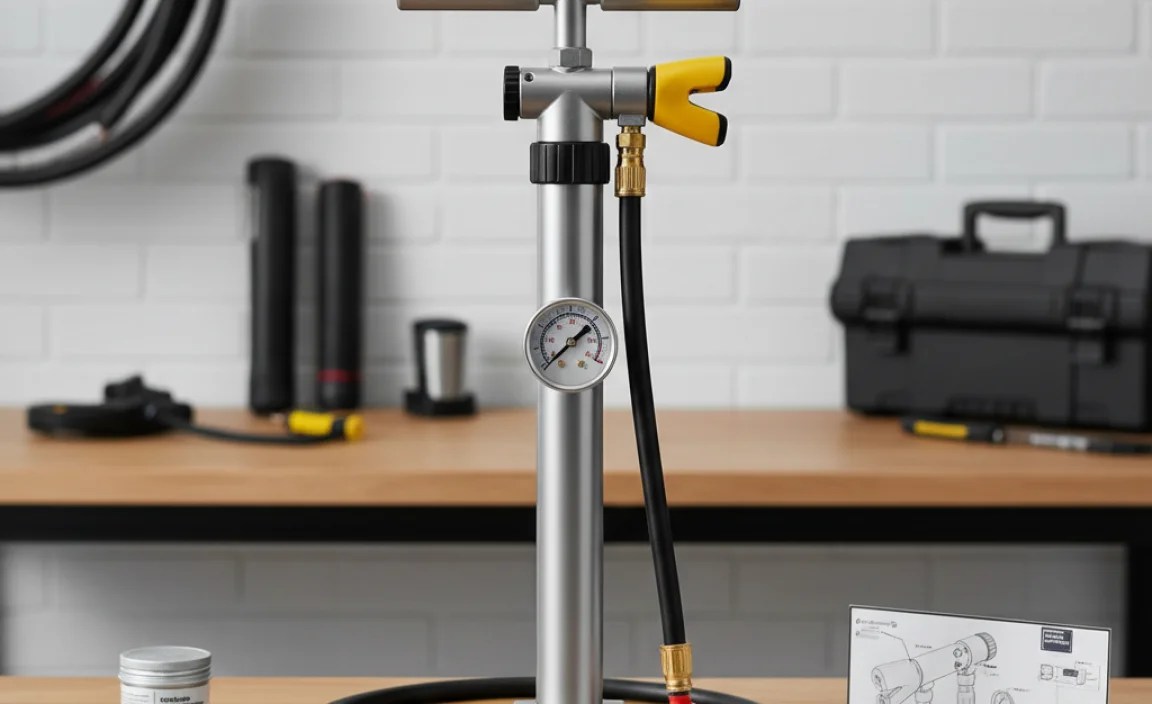
Taking care of your floor pump is important. It will make it last longer. Keep it clean and dry. Store it in a safe place. Check the hose for cracks. Make sure the head is clean. Lubricate the piston if needed. A dual head floor pump is a tool. Like any tool, it needs maintenance. Regular care will keep it working well for years. This saves you money in the long run.
- Keep the pump clean.
- Store it in a dry place.
- Check the hose for damage.
- Clean the pump heads.
- Lubricate the piston if needed.
- Follow the manufacturer’s instructions.
- Regular maintenance is important.
Imagine you leave your floor pump outside in the rain. The rain can cause rust. The hose can crack in the sun. The pump might stop working properly. But if you store it inside, it will be protected. If you clean it regularly, it will stay in good condition. A dual head floor pump is an investment. Taking care of it is a smart way to protect that investment.
How to Clean the Pump?
Cleaning your pump is easy. Use a damp cloth to wipe it down. Remove any dirt or grime. Pay special attention to the hose and the pump heads. Make sure they are free of debris. Use a mild soap if needed. Avoid using harsh chemicals. These can damage the pump. A clean dual head floor pump will work more efficiently. It will also last longer.
What About Lubrication?
Sometimes the piston inside the pump can get dry. This can make it harder to pump. Lubricating the piston can help. Use a silicone-based lubricant. Apply a small amount to the piston. Work the pump handle up and down. This will distribute the lubricant. A well-lubricated dual head floor pump will be easier to use. It will also last longer.
Checking for Leaks?
Leaks can reduce the pump’s efficiency. Check the hose for cracks or holes. Make sure the pump heads are securely attached. Listen for hissing sounds. These can indicate a leak. If you find a leak, try to repair it. Sometimes you can tighten a loose connection. Other times you might need to replace a part. A leak-free dual head floor pump is essential for proper inflation.
Fun Fact or Stat: Some high-end floor pumps have built-in air filters to prevent dirt from entering your tires!
Troubleshooting Common Issues
Sometimes things go wrong with your floor pump. It might not pump air. The gauge might not work. The head might not attach properly. Knowing how to troubleshoot can save you time and money. Most problems are easy to fix. A dual head floor pump is a simple tool. But it can still have issues. Don’t worry, most are easy to solve.
- Pump doesn’t inflate.
- Gauge is not working.
- Head won’t attach.
- Air leaks from the hose.
- Handle is hard to push.
- Pump makes strange noises.
Imagine you are about to go on a bike ride. You try to pump up your tires. But the pump won’t work. You might feel frustrated. But don’t give up. Check the pump head. Make sure it is properly attached. Check the hose for leaks. If the handle is hard to push, try lubricating the piston. Most problems have simple solutions. A little troubleshooting can get you back on the road quickly. A dual head floor pump is usually reliable, but knowing these tips helps.
What if the Pump Won’t Inflate?
If the pump won’t inflate, start by checking the pump head. Make sure it is securely attached to the valve. Ensure the valve is open (especially for Presta valves). Check the hose for any kinks or blockages. Sometimes the piston seal can dry out. Try lubricating it with silicone lubricant. If none of these steps work, the pump might need professional repair. A dual head floor pump usually works well, but these checks are vital.
What if the Gauge is Broken?
A broken gauge can make it hard to inflate your tires properly. If the gauge is not working, you might need to replace it. Some pumps have replaceable gauges. You can buy a new gauge online or at a bike shop. If the gauge is not replaceable, you might need to buy a new pump. A dual head floor pump with a reliable gauge is important for accurate inflation.
What if There’s an Air Leak?
Air leaks can make pumping very difficult. Check the hose for cracks or holes. Examine the connection between the hose and the pump. Make sure the pump head is securely attached to the valve. If you find a leak, try tightening the connections. You might need to replace the hose or the pump head. A dual head floor pump should not leak air. Addressing leaks will improve its efficiency.
Fun Fact or Stat: Some bike shops offer floor pump repair services for a small fee.
Summary
A dual head floor pump is a great tool for any cyclist. It makes inflating tires easy and convenient. The dual head design works with both Schrader and Presta valves. This means you only need one pump for all your bikes. A good floor pump also has a pressure gauge. This helps you inflate your tires to the correct pressure. Maintaining your pump will keep it working well for years.
Choosing the right floor pump can make a big difference. Look for a pump with a sturdy base and a comfortable handle. The gauge should be easy to read. The dual head should be easy to switch. A dual head floor pump is a valuable addition to your bike gear. It will make your rides safer and more enjoyable.
Conclusion
A dual head floor pump is a must-have for bike owners. It simplifies tire inflation. It works with different valve types. It helps you maintain proper tire pressure. This improves your ride quality and safety. With a good floor pump, you can keep your tires in top condition. This makes biking more enjoyable.
Frequently Asked Questions
Question No 1: What is the difference between a Schrader and a Presta valve?
Answer: Schrader valves are wider and similar to those found on car tires. They are simple to use. Presta valves are narrower and longer. They often have a small nut at the tip that needs loosening before inflation. Road bikes often use Presta valves because they can handle higher pressures. A dual head floor pump allows you to inflate both types without needing adapters.
Question No 2: How do I know what PSI my tires should be?
Answer: The recommended PSI (pounds per square inch) is usually printed on the sidewall of your tire. Look for a range, like “35-65 PSI.” Choose a pressure within this range based on your weight and riding conditions. Lower pressures provide more comfort and grip. Higher pressures are faster but can be less comfortable. Using a dual head floor pump with a gauge ensures you reach the correct pressure.
Question No 3: Can I use a car tire pump on my bike tires?
Answer: Yes, you can use a car tire pump on bike tires with Schrader valves. However, car tire pumps often deliver a high volume of air at once. This can make it easy to over-inflate your bike tires. It’s best to use a pump designed for bikes. A dual head floor pump gives you more control. It also has a gauge to monitor the pressure accurately.
Question No 4: How often should I check my tire pressure?
Answer: It’s a good idea to check your tire pressure before every ride, especially if you haven’t ridden in a while. Tires slowly lose air over time. Maintaining proper pressure improves your bike’s performance. It also reduces the risk of flats. A dual head floor pump makes it quick and easy to check and adjust your tire pressure regularly.
Question No 5: What should I do if my floor pump stops working?
Answer: First, check the pump head and hose for any damage or leaks. Make sure the pump head is securely attached to the valve. If the pump still doesn’t work, try lubricating the piston with silicone lubricant. If these steps don’t fix the problem, you may need to have the pump repaired or replaced. Regular maintenance can help prevent these issues. A dual head floor pump is a durable tool, but care is still important.
Question No 6: Are all dual head floor pumps the same?
Answer: No, dual head floor pumps vary in quality and features. Some have more accurate gauges. Some are made from stronger materials. Some have more comfortable handles. Look for a pump with good reviews. Consider the features that are most important to you. A well-made pump will last longer and provide better performance.


