
How to Fill a Swimming Pool with a Cycle Pump

Quick Summary: Yes, you can use a cycle pump to inflate small inflatable pools or pool toys. Attach the pump nozzle securely to the valve, ensuring a tight seal. Pump in air gradually, avoiding over-inflation. For larger pools, a dedicated air pump is much faster and more efficient, but a cycle pump works in a pinch for smaller tasks.
Ever found yourself with a droopy inflatable pool and no electric pump in sight? It’s a common summer woe! Maybe your electric pump died, or you just need a quick top-up of air. Using a cycle pump seems like a crazy idea, but it can be done. Don’t worry; I’ll walk you through using a cycle pump to inflate your swimming pool or pool toys. I’ll cover everything from choosing the right adapter to getting the job done efficiently. Let’s get that pool ready for some fun!
Understanding When a Cycle Pump Can Help
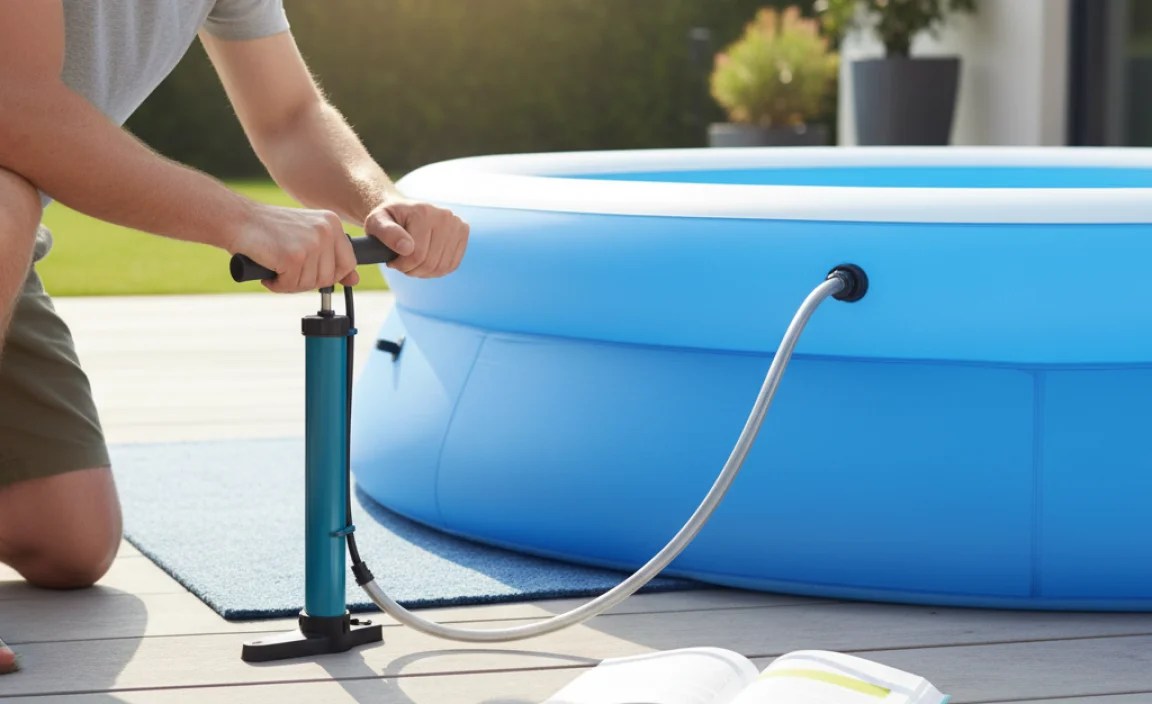
Before we dive into the how-to, let’s be realistic. A cycle pump isn’t going to inflate a full-sized above-ground pool. But for smaller jobs, it can be a lifesaver.
Ideal Scenarios for Using a Cycle Pump
- Small Inflatable Pools: Kiddie pools or small, portable pools are perfect candidates.
- Pool Toys: Think inflatable rafts, beach balls, and floating loungers.
- Quick Top-Ups: If your inflatable just needs a little extra air, a cycle pump is convenient.
When to Use a Dedicated Air Pump
For anything larger, you’ll want an air pump designed for the job. These pumps move a much larger volume of air, saving you time and effort.
- Large Pools: Above-ground pools or large inflatable pools need a high-volume pump.
- Air Mattresses: These require significant air volume, best handled by an electric or foot pump.
- Speed is Essential: If you need to inflate something quickly, a dedicated air pump is the way to go.
Tools and Materials You’ll Need

Here’s what you’ll need to get started. Gathering everything beforehand will make the process smoother.
- Cycle Pump: Any standard bike pump will work, but a floor pump is generally easier to use than a hand pump.
- Adapter Nozzles: Most inflatable pools and toys use a wider nozzle than a bike tire. Look for a set of adapter nozzles; these often come with the pool itself or are available at hardware stores.
- Towel or Cloth: To wipe down any dirt or moisture.
- (Optional) Pliers: For a more secure fit if the adapter is loose.
Step-by-Step Guide: Inflating Your Pool
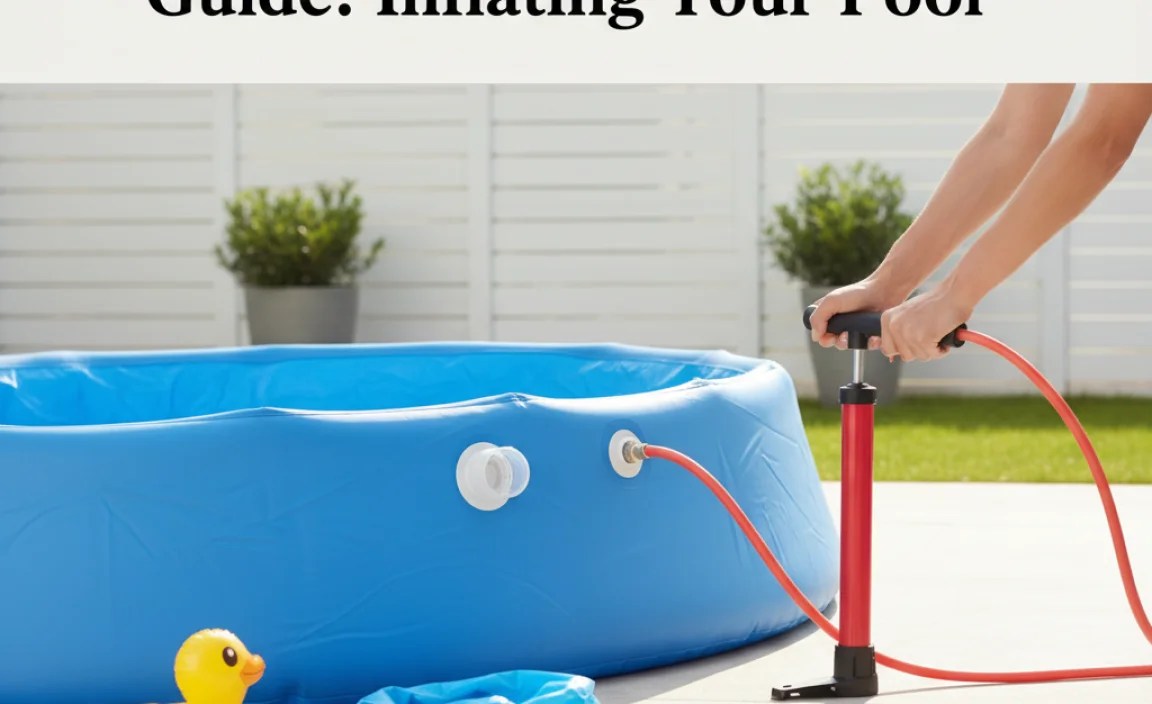
Now, let’s get to the main event. Follow these steps to inflate your pool or toy using a cycle pump.
Step 1: Prepare the Area
Choose a clean, flat surface to work on. This prevents punctures and keeps the inflatable clean.
- Clear the area of any sharp objects like rocks or sticks.
- Lay down a tarp or blanket for extra protection.
Step 2: Locate the Inflation Valve
Find the valve on your inflatable. It’s usually a small opening with a cap or plug.
- Clean around the valve with a towel to remove any dirt or debris.
- Ensure the valve is in good condition; check for cracks or damage.
Step 3: Select the Correct Adapter Nozzle
This is crucial for a good seal. The right adapter will fit snugly into the valve without being too loose or too tight.
- Test different nozzles to find the best fit.
- If the nozzle is slightly loose, try wrapping it with a bit of tape for a tighter seal.
Step 4: Attach the Adapter to the Cycle Pump
Connect the adapter nozzle to the cycle pump’s hose.
- Make sure the connection is secure. Some adapters screw on, while others push in.
- If needed, use pliers to tighten the connection, but be careful not to over-tighten and damage the adapter.
Step 5: Insert the Nozzle into the Valve
Carefully insert the adapter nozzle into the inflation valve on the pool or toy.
- Ensure the nozzle is fully inserted to create a good seal.
- Hold the nozzle firmly in place to prevent air from escaping.
Step 6: Begin Pumping
Start pumping air into the inflatable. Use steady, even strokes.
- Avoid pumping too quickly, which can overheat the pump.
- Listen for any air leaks around the nozzle. If you hear leaks, readjust the nozzle or try a different adapter.
Step 7: Monitor the Inflation Level
Check the firmness of the inflatable as you pump. Avoid over-inflation, which can cause the seams to burst.
- Refer to the manufacturer’s instructions for the recommended inflation level.
- If the inflatable feels too tight, release a little air.
Step 8: Seal the Valve
Once the inflatable is properly inflated, remove the nozzle and quickly seal the valve.
- Replace the valve cap or plug to prevent air from escaping.
- Ensure the cap is tightly sealed.
Troubleshooting Common Issues
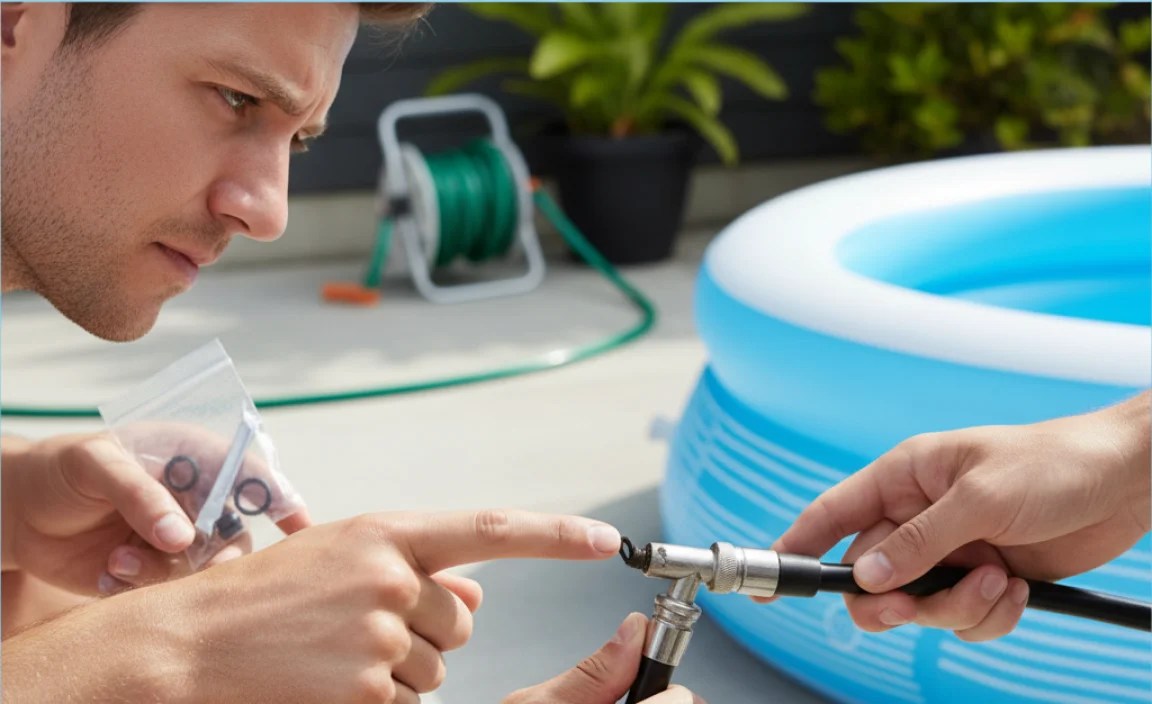
Sometimes things don’t go as planned. Here are some common problems and how to fix them.
Air Leaks Around the Nozzle
- Problem: Air is escaping around the nozzle, making it difficult to inflate the pool.
- Solution:
- Try a different adapter nozzle.
- Wrap the nozzle with Teflon tape or plumber’s tape for a tighter seal.
- Hold the nozzle firmly in place while pumping.
Pump Overheating
- Problem: The pump gets hot and becomes less efficient.
- Solution:
- Take breaks to allow the pump to cool down.
- Pump more slowly and steadily.
- Ensure the pump is well-lubricated.
Valve Issues
- Problem: The valve is damaged or not sealing properly.
- Solution:
- Check the valve for cracks or damage.
- Clean the valve thoroughly.
- If the valve is beyond repair, consider using a valve repair kit or replacing the inflatable.
Tips for Efficient Inflation
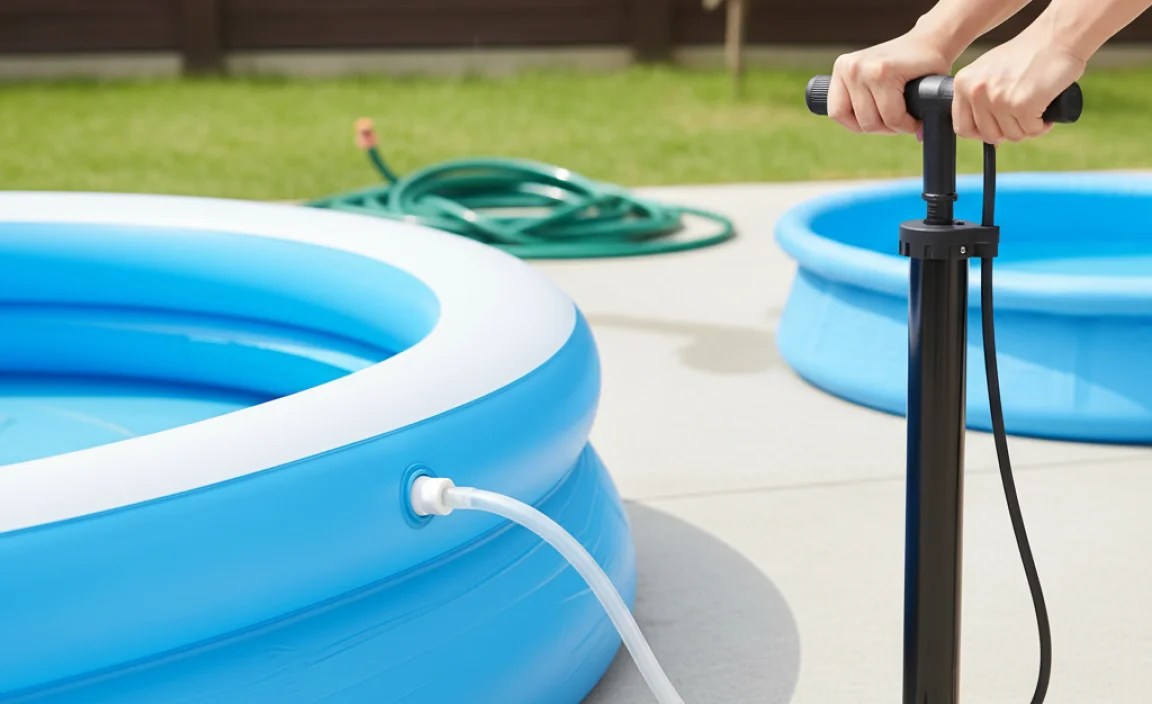
Want to make the process faster and easier? Here are some helpful tips.
- Use a Floor Pump: Floor pumps are more efficient than hand pumps, allowing you to inflate the pool faster with less effort.
- Lubricate the Nozzle: A small amount of lubricant on the adapter nozzle can help it slide into the valve more easily and create a better seal.
- Work in a Cool Environment: Inflating the pool in a cool environment can prevent the pump from overheating.
- Avoid Over-Inflation: Over-inflation can cause the seams to burst, so always monitor the inflation level and avoid pumping too much air.
Comparing Cycle Pumps to Other Inflation Methods
Let’s look at how cycle pumps stack up against other options.
| Method | Pros | Cons | Best For |
|---|---|---|---|
| Cycle Pump | Portable, readily available, no electricity needed | Slow, requires manual effort, not suitable for large inflatables | Small pools, pool toys, quick top-ups |
| Electric Air Pump | Fast, efficient, easy to use | Requires electricity, can be noisy | Large pools, air mattresses, frequent inflation |
| Foot Pump | No electricity needed, more efficient than hand pump | Requires manual effort, can be tiring for large inflatables | Medium-sized pools, air mattresses, occasional use |
Maintaining Your Cycle Pump
To keep your cycle pump in good working condition, regular maintenance is essential.
- Clean the Pump: Wipe down the pump regularly to remove dirt and debris.
- Lubricate Moving Parts: Apply a small amount of lubricant to the piston and other moving parts to keep them working smoothly.
- Check the Hose: Inspect the hose for cracks or damage, and replace it if necessary.
- Store Properly: Store the pump in a cool, dry place to prevent rust and corrosion.
Safety Precautions
Safety should always be a priority when inflating a pool or toy.
- Avoid Over-Inflation: Over-inflation can cause the seams to burst, which can be dangerous.
- Protect Your Back: Use proper posture when pumping to avoid back strain.
- Keep Away from Children: Keep the pump and accessories away from children to prevent accidents.
- Use in a Well-Ventilated Area: Inflate the pool in a well-ventilated area to avoid inhaling fumes from the inflatable material.
Choosing the Right Cycle Pump for the Job
While most cycle pumps will work, some are better suited for inflating pools and toys.
- Floor Pumps: Floor pumps provide more leverage and are easier to use than hand pumps.
- Dual-Action Pumps: These pumps inflate on both the upstroke and downstroke, making them more efficient.
- Pumps with Built-In Gauges: A built-in gauge allows you to monitor the inflation level accurately.
Alternatives to Cycle Pumps
If you don’t have a cycle pump, here are some alternative methods you can try.
- Hair Dryer (Cool Setting): A hair dryer on the cool setting can be used to inflate small inflatables. Be careful not to overheat the inflatable.
- Vacuum Cleaner (Exhaust Port): Some vacuum cleaners have an exhaust port that can be used to inflate inflatables.
- Manual Bellows Pump: A manual bellows pump is a simple and inexpensive way to inflate small items.
Environmental Considerations
Think about the environment when dealing with inflatable pools and toys.
- Durability: Choose high-quality inflatables that are less likely to puncture and need replacing.
- Repair: Instead of throwing away a damaged inflatable, try to repair it with a repair kit.
- Recycling: Check with your local recycling center to see if they accept inflatable materials.
FAQ Section
Can I use any cycle pump to inflate a pool?
Yes, most standard cycle pumps can be used. However, a floor pump is more efficient than a hand pump. Ensure you have the correct adapter nozzle for the pool’s valve.
How do I know if the pool is over-inflated?
The pool should feel firm but not rock-hard. If it feels too tight, release some air. Refer to the manufacturer’s instructions for the recommended inflation level.
What if I don’t have an adapter nozzle?
You can purchase adapter nozzle sets at most hardware stores or online. Alternatively, try wrapping the pump nozzle with tape to create a tighter seal.
Is it safe to use a hair dryer to inflate a pool?
Yes, but only on the cool setting. Using heat can damage the inflatable material. Be cautious and monitor the inflatable to prevent overheating.
How long does it take to inflate a pool with a cycle pump?
It depends on the size of the pool and the efficiency of the pump. Small pools may take 10-15 minutes, while larger pools can take much longer.
Can I use a car tire inflator instead of a cycle pump?
Yes, but be very careful. Car tire inflators can deliver air at a much higher pressure, which can easily over-inflate and damage the pool. Use short bursts and constantly monitor the inflation level.
What should I do if the pool keeps losing air?
Check for leaks. Submerge the inflated pool in water and look for bubbles. Mark the leak and use a repair kit to patch it. Ensure the valve is properly sealed.
Conclusion
Using a cycle pump to inflate a swimming pool or pool toys might take a bit of elbow grease, but it’s a handy solution when you’re in a pinch. Remember to use the right adapter, avoid over-inflation, and take breaks to prevent overheating your pump (and yourself!). With a little patience and these tips, you’ll have your pool ready for summer fun in no time. So, grab your pump, get those inflatables ready, and enjoy the water!
“`


