
Examples of Dynamic Pumps: Powerful Guide!

Have you ever used a water gun? Or seen a fountain shooting water up high? These use pumps! Pumps help move liquids. There are many kinds of pumps. Some examples of dynamic pumps are used every day. They help us in many ways. Let’s find out more about them!
Key Takeaways
- Dynamic pumps are essential for moving liquids in many industries and applications.
- Centrifugal pumps are a common type of dynamic pump using spinning impellers.
- Axial-flow pumps are great for moving large volumes of liquid at low pressure.
- Mixed-flow pumps combine features of centrifugal and axial-flow pumps.
- Understanding different examples of dynamic pumps helps choose the right one.
What Are Examples of Dynamic Pumps?

Dynamic pumps are like spinning tops that move water. They use a spinning part to push liquids. This part is called an impeller or a rotor. The spinning makes the liquid move faster and go where we want it to go. Think of a fan pushing air. Dynamic pumps push liquids in a similar way. They are used in many places. You can find them in water parks and even in big factories. Different examples of dynamic pumps work best for different jobs. Some are good at moving lots of liquid. Others are better at pushing liquid very far.
- Dynamic pumps move liquids using a spinning part.
- The spinning part is called an impeller or rotor.
- They are used in water parks and factories.
- Different dynamic pumps are for different jobs.
- Some move lots of liquid, others push it far.
Dynamic pumps are very important machines. They help us move water, oil, and other liquids. Without them, many things would not work. For example, power plants use dynamic pumps to cool down their machines. Water treatment plants use them to clean our water. Even some toys use small dynamic pumps! It is amazing how these spinning machines can do so much. Learning about examples of dynamic pumps helps us understand how the world works. They are a key part of many systems we rely on every day.
Fun Fact or Stat: The first centrifugal pump was invented in the late 17th century!
How Do Dynamic Pumps Work?
Have you ever wondered how a water slide works? It uses a pump to push water to the top. Dynamic pumps work using a similar idea. They have a spinning part inside. This spinning part is called an impeller. As the impeller spins, it pushes the liquid outward. This creates pressure that forces the liquid to move. The faster the impeller spins, the more pressure it creates. This means the liquid will move faster and farther. Examples of dynamic pumps all use this spinning motion to move liquids. The design of the impeller can change how well the pump works.
Why Are They Called Dynamic Pumps?
Why do we call them dynamic pumps? The word “dynamic” means something is moving or changing. In these pumps, the liquid is always moving because of the spinning impeller. It’s not just sitting still. The pump adds energy to the liquid, making it move with force. This is different from other types of pumps that might squeeze or push the liquid directly. The energy from the spinning impeller is what makes dynamic pumps special. Understanding this helps us see why examples of dynamic pumps are so useful.
Where Are Dynamic Pumps Used?
Imagine a big building that needs water on every floor. How does the water get there? Dynamic pumps are used to push the water up. They are also used in farms to water crops. Factories use them to move chemicals and cool machines. Even your car has a water pump to keep the engine from overheating! Examples of dynamic pumps are everywhere. They are a hidden part of many things we use every day. Next time you see a fountain or a sprinkler, remember the dynamic pump that makes it work.
Fun Fact or Stat: Dynamic pumps account for over 20% of the world’s electrical energy consumption!
Centrifugal Pump Examples
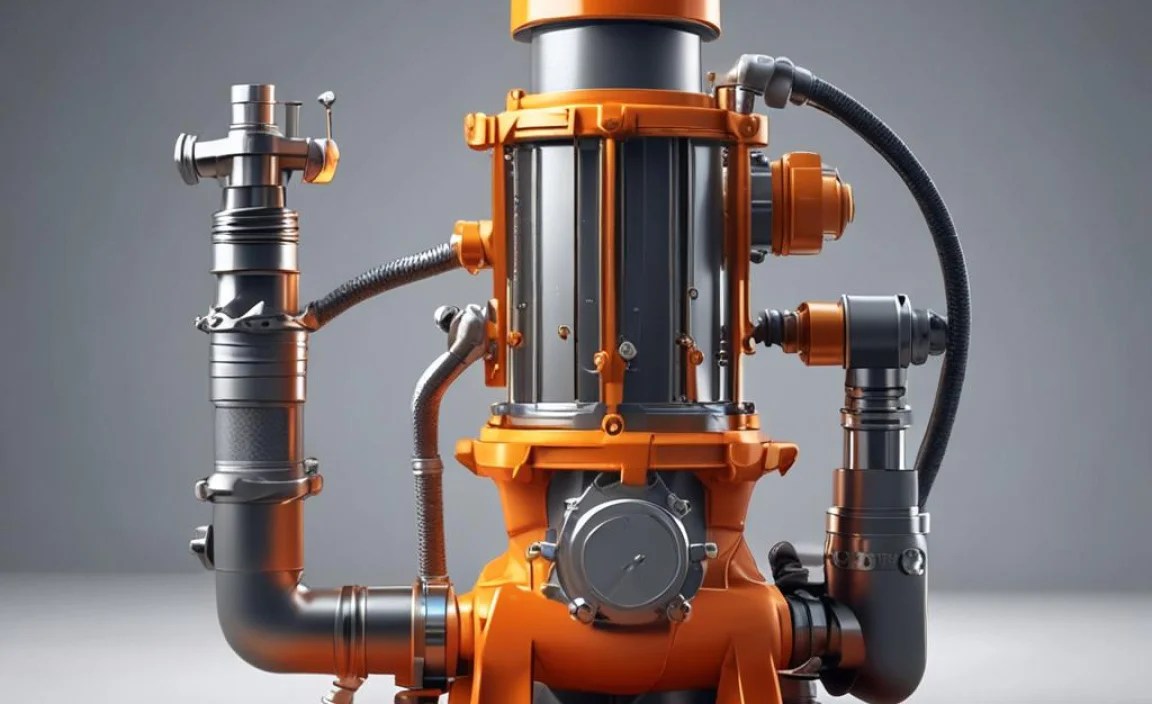
Centrifugal pumps are a common type of dynamic pump. They look like a spiral with a spinning wheel inside. This wheel is the impeller. As the impeller spins, it sucks liquid in from the center. Then, it throws the liquid outward with force. This force makes the liquid move through the pump and out the other side. Centrifugal pumps are good at moving large amounts of liquid. They are often used in water treatment plants and irrigation systems. There are many examples of dynamic pumps that are centrifugal. They are reliable and can handle different types of liquids.
- Centrifugal pumps have a spinning impeller.
- The impeller sucks liquid in from the center.
- It throws the liquid outward with force.
- They move large amounts of liquid.
- They are used in water treatment plants.
- Irrigation systems often use them.
Think about a merry-go-round. When you spin it fast, things fly off to the side. A centrifugal pump works in a similar way. The spinning impeller throws the liquid outward. This creates a force that pushes the liquid through the pump. The shape of the pump helps to guide the liquid in the right direction. Different designs of impellers can change how well the pump works. Some impellers are better at moving thick liquids. Others are better at moving liquids at high speeds. Learning about examples of dynamic pumps like centrifugal pumps helps us understand how machines work.
Fun Fact or Stat: Centrifugal pumps are the most commonly used type of pump in the world!
What are the Parts of a Centrifugal Pump?
A centrifugal pump has several important parts. The impeller is the spinning wheel that moves the liquid. The casing is the outer shell that protects the impeller. The inlet is where the liquid enters the pump. The outlet is where the liquid exits the pump. There is also a shaft that connects the impeller to the motor. Each part plays a role in making the pump work correctly. Understanding these parts helps us understand how the pump moves liquid. Examples of dynamic pumps often share these basic parts.
How Efficient Are Centrifugal Pumps?
How well does a centrifugal pump work? We measure this using something called efficiency. Efficiency tells us how much of the energy used by the pump actually goes into moving the liquid. Some energy is lost due to friction and other factors. A good centrifugal pump can be very efficient. This means it can move a lot of liquid without using too much energy. The design of the pump and the speed of the impeller can affect its efficiency. Looking at examples of dynamic pumps and their efficiency can help us choose the best one for a job.
Where Are Centrifugal Pumps Used?
Centrifugal pumps are used in many different places. They are common in water treatment plants. They help move water through the cleaning process. They are also used in power plants to cool down equipment. Farmers use them to irrigate their fields. Even your home might have a small centrifugal pump in the well. Examples of dynamic pumps like centrifugal pumps are very versatile. They can handle many different types of liquids and tasks. This makes them a popular choice for many industries.
Fun Fact or Stat: The efficiency of a centrifugal pump can range from 40% to 85%!
Axial-Flow Pump Examples
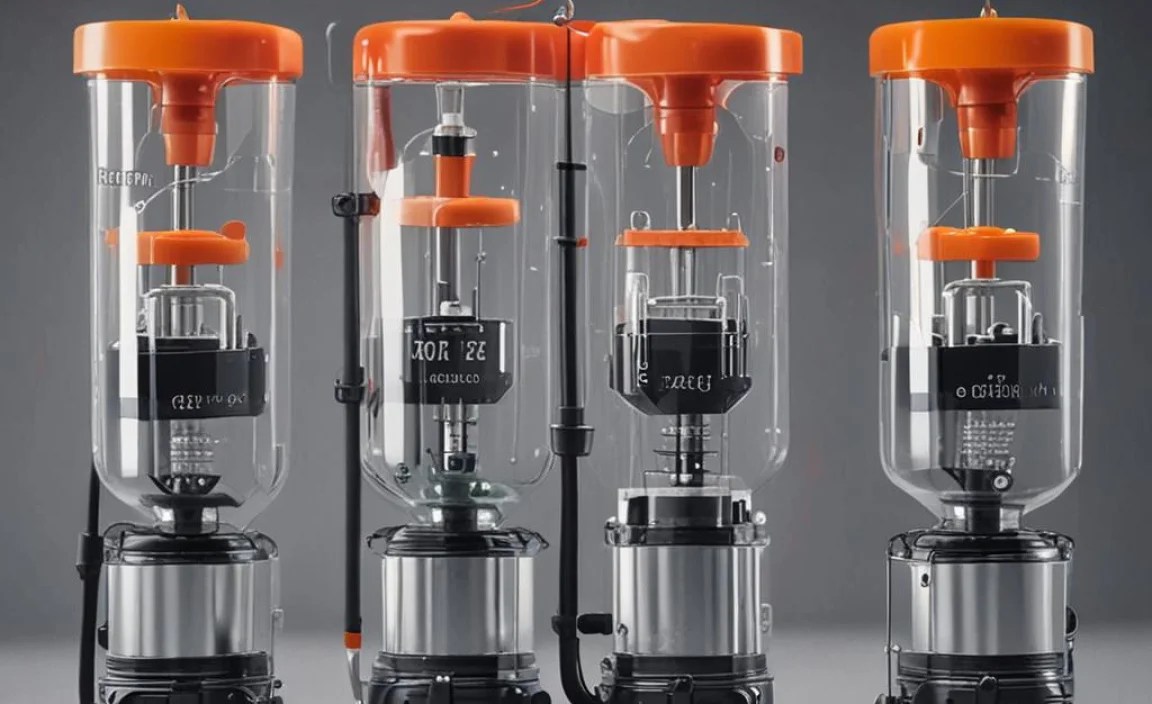
Axial-flow pumps are like big propellers pushing water. They have a rotor with blades that spin. These blades push the liquid straight along the axis of the pump. This is different from centrifugal pumps that throw the liquid outward. Axial-flow pumps are good at moving large volumes of liquid at low pressure. They are often used in irrigation and drainage systems. Think of a boat propeller moving water. Axial-flow pumps work in a similar way. Some examples of dynamic pumps are axial-flow pumps used in very large projects.
- Axial-flow pumps use a rotor with blades.
- The blades push the liquid straight along.
- They move large volumes of liquid at low pressure.
- They are used in irrigation systems.
- Drainage systems often use them.
- They work like a boat propeller.
Imagine a tunnel with a fan inside. The fan pushes air straight through the tunnel. An axial-flow pump works in a similar way. The spinning blades push the liquid straight through the pump. This makes it very efficient for moving large amounts of liquid quickly. The design of the blades is important. It affects how well the pump moves the liquid. Different examples of dynamic pumps use different blade designs. Some blades are better for moving clean water. Others are better for moving liquids with solids in them.
Fun Fact or Stat: Axial-flow pumps can move up to 10 times more liquid than centrifugal pumps of the same size!
What Makes Axial-Flow Pumps Unique?
Axial-flow pumps have some special features. They are designed to move large volumes of liquid. They do this with very little pressure. This makes them different from other types of pumps. The blades of the rotor are shaped to push the liquid efficiently. The pump is also designed to minimize energy loss. This helps it move the liquid using less power. Examples of dynamic pumps like axial-flow pumps show how different designs can achieve different goals. They are perfect for situations where you need to move a lot of liquid quickly.
Where Are Axial-Flow Pumps Used?
Axial-flow pumps are used in many places where large volumes of water need to be moved. They are common in irrigation systems. They help move water from rivers and canals to fields. They are also used in drainage systems. They help remove excess water from flooded areas. Power plants use them to circulate cooling water. Examples of dynamic pumps like axial-flow pumps are vital for managing water resources. They help us move water where it is needed most.
How Do Axial-Flow Pumps Compare?
How do axial-flow pumps compare to other pumps? Centrifugal pumps are better at creating high pressure. Axial-flow pumps are better at moving large volumes. Positive displacement pumps are good for precise dosing. Each type of pump has its own strengths and weaknesses. Choosing the right pump depends on the specific job. Considering examples of dynamic pumps helps us understand the options. It allows us to select the best pump for the task at hand.
Fun Fact or Stat: The blades of an axial-flow pump can be adjustable to optimize performance for different flow rates!
Mixed-Flow Pump Examples
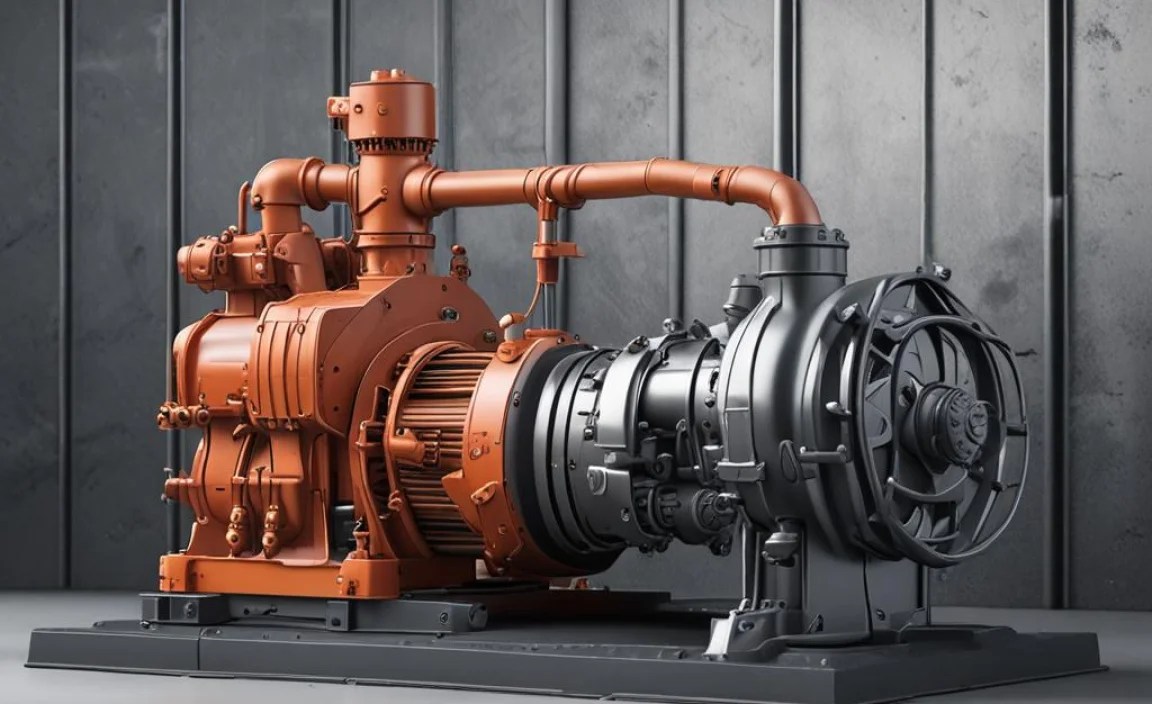
Mixed-flow pumps are a mix of centrifugal and axial-flow pumps. They combine the best features of both. They move liquid both outward and along the axis. This makes them good for moving medium volumes of liquid at medium pressure. They are often used in water supply systems and industrial processes. Think of a pump that is not quite centrifugal and not quite axial. That’s a mixed-flow pump! Some examples of dynamic pumps are mixed-flow pumps designed for special purposes.
- Mixed-flow pumps combine features.
- They move liquid outward and along the axis.
- They are good for medium volumes and pressure.
- They are used in water supply systems.
- They are used in industrial processes.
- They are a mix of two pump types.
Imagine a pump that can handle both high pressure and high volume. A mixed-flow pump is designed to do just that. The impeller is shaped to move the liquid in a diagonal direction. This allows the pump to create both pressure and flow. The design of the impeller is important. It affects how well the pump balances pressure and volume. Different examples of dynamic pumps use different impeller designs. Some are better at creating pressure. Others are better at moving large volumes.
Fun Fact or Stat: Mixed-flow pumps are often used in deep well applications to lift water from underground sources!
What Are the Advantages of Mixed-Flow Pumps?
Mixed-flow pumps have several advantages. They can handle a wide range of flow rates and pressures. They are also relatively efficient. This makes them a good choice for many applications. They are not as sensitive to changes in pressure as centrifugal pumps. They are also not as limited in flow rate as axial-flow pumps. Examples of dynamic pumps like mixed-flow pumps show how design can create versatile machines. They are a good compromise between different performance needs.
Where Are Mixed-Flow Pumps Commonly Used?
Mixed-flow pumps are commonly used in water supply systems. They help move water from reservoirs to homes and businesses. They are also used in industrial processes. They help move chemicals and other fluids. They are also used in agriculture for irrigation. Examples of dynamic pumps like mixed-flow pumps are essential for many everyday tasks. They help us get the water and other fluids we need.
How Do Mixed-Flow Pumps Compare?
How do mixed-flow pumps compare to other pumps? They offer a balance between centrifugal and axial-flow pumps. They can handle both medium volumes and medium pressures. This makes them a versatile choice. Centrifugal pumps are better for high pressure. Axial-flow pumps are better for high volume. Mixed-flow pumps offer a compromise. Considering examples of dynamic pumps helps us see the trade-offs between different designs. It allows us to choose the best pump for our needs.
Fun Fact or Stat: The impeller of a mixed-flow pump can be designed with different blade angles to optimize performance!
Choosing the Right Dynamic Pump
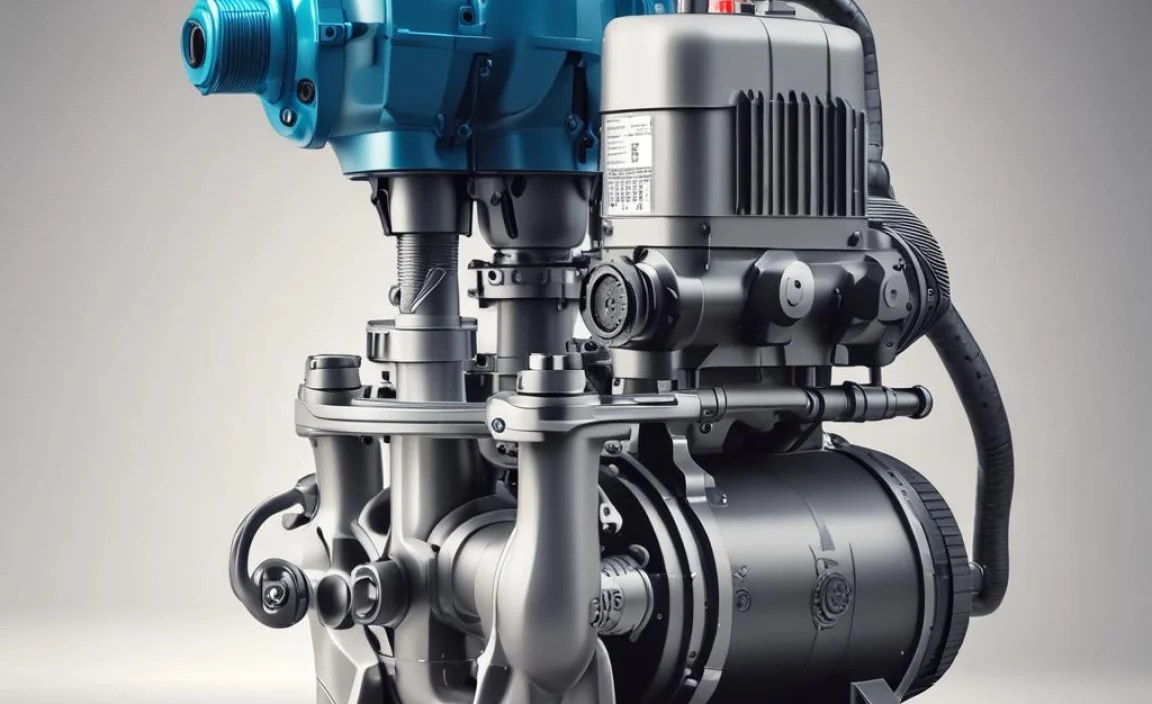
Choosing the right dynamic pump depends on the job. You need to think about what liquid you are moving. You also need to think about how much liquid you need to move. And you need to think about how far you need to move it. Centrifugal pumps are good for moving large amounts of liquid at medium pressure. Axial-flow pumps are good for moving very large amounts of liquid at low pressure. Mixed-flow pumps are good for moving medium amounts of liquid at medium pressure. Looking at examples of dynamic pumps can help you make the right choice.
- Think about the liquid you are moving.
- Consider the amount of liquid needed.
- Think about the distance to move it.
- Centrifugal pumps are good for medium pressure.
- Axial-flow pumps are good for low pressure.
- Mixed-flow pumps offer a balance.
Imagine you are trying to fill a small bucket from a well. You would not use a giant fire hose! You would use a smaller hose that is easier to control. Choosing a pump is similar. You need to choose a pump that is the right size and type for the job. A small pump might be perfect for a small task. A large pump might be needed for a large task. Thinking about examples of dynamic pumps and their uses can help you make the best decision.
Fun Fact or Stat: Improper pump selection can increase energy consumption by up to 50%!
What Factors Affect Pump Selection?
Several factors affect pump selection. The flow rate is how much liquid the pump can move. The pressure is how much force the pump can create. The liquid viscosity is how thick the liquid is. The temperature of the liquid can also affect the pump. The size of the pump is important. The cost of the pump is also a factor. Considering all these factors helps you choose the right pump. Examples of dynamic pumps show how these factors influence design.
How Do You Calculate Pump Requirements?
Calculating pump requirements can be tricky. You need to know the flow rate you need. You also need to know the pressure you need. You can use formulas to calculate these values. You can also use online calculators. It is important to be accurate. Choosing the wrong pump can cause problems. Looking at examples of dynamic pumps and their specifications can help. It provides a better understanding of the calculations.
What Are Common Pump Problems?
Pumps can have problems. Cavitation is when bubbles form in the liquid. This can damage the pump. Overheating can also be a problem. This can happen if the pump is working too hard. Leaks can also occur. These can waste liquid and energy. Regular maintenance can help prevent these problems. Checking examples of dynamic pumps and their maintenance needs is useful. Proper care extends pump life.
Fun Fact or Stat: Regular pump maintenance can extend the life of a pump by up to 30%!
Dynamic Pump Applications
Dynamic pumps are used in many different industries. They are essential for water treatment, agriculture, and manufacturing. In water treatment, they move water through the cleaning process. In agriculture, they irrigate crops. In manufacturing, they move chemicals and cool machines. Without dynamic pumps, many of these processes would not be possible. Examples of dynamic pumps are everywhere in the world around us. They play a vital role in keeping our world running smoothly.
- Dynamic pumps are used in water treatment.
- They are used in agriculture for irrigation.
- They are used in manufacturing to move chemicals.
- They are essential for many industries.
- They play a vital role in our world.
- Without them, many processes would stop.
Imagine a world without running water. Or a world without food grown on farms. Or a world without the products made in factories. Dynamic pumps help make all these things possible. They are a hidden part of many things we take for granted. Thinking about examples of dynamic pumps helps us appreciate their importance. They are a key part of our modern world.
Fun Fact or Stat: Dynamic pumps are used in over 80% of industrial processes!
How Are Dynamic Pumps Used in Water Treatment?
Dynamic pumps are vital in water treatment plants. They move water through different stages of cleaning. They pump raw water from rivers or lakes into the plant. They move water through filters and other treatment processes. They pump clean water to homes and businesses. Examples of dynamic pumps are crucial for providing safe drinking water. They help remove dirt, bacteria, and other harmful substances.
How Are Dynamic Pumps Used in Agriculture?
Dynamic pumps are essential for irrigation. They pump water from wells, rivers, or canals to fields. They help farmers grow crops even in dry areas. They can also be used to distribute fertilizers and pesticides. Examples of dynamic pumps make modern agriculture possible. They help us grow enough food to feed the world. Without them, many farms would not be able to operate.
How Are Dynamic Pumps Used in Manufacturing?
Dynamic pumps are used in many manufacturing processes. They move chemicals and other fluids. They cool machines and equipment. They help create the products we use every day. Examples of dynamic pumps are a key part of many factories. They help make everything from cars to computers to clothes. Without them, manufacturing would be much more difficult.
Fun Fact or Stat: Dynamic pumps help irrigate over 70% of the world’s farmland!
##
Summary
Dynamic pumps are essential machines. They move liquids using a spinning impeller. There are different types of dynamic pumps. Centrifugal pumps are good for medium pressure. Axial-flow pumps are good for high volume. Mixed-flow pumps offer a balance. Examples of dynamic pumps are used in many industries. They are used in water treatment, agriculture, and manufacturing. Choosing the right pump depends on the job. You need to consider the liquid, flow rate, and pressure.
Dynamic pumps play a vital role in our world. They help us get clean water, grow food, and make products. Without them, many things would not be possible. Learning about examples of dynamic pumps helps us understand how the world works. They are a key part of many systems we rely on every day.
Conclusion
Dynamic pumps are important tools for moving liquids. They come in different types. Each type works best for certain jobs. Centrifugal, axial-flow, and mixed-flow pumps each have unique strengths. They help us in many ways. From providing clean water to growing food, dynamic pumps are essential. Understanding examples of dynamic pumps helps us appreciate their role in our daily lives.
Frequently Asked Questions
Question No 1: What is a dynamic pump?
Answer: A dynamic pump is a type of pump that uses a spinning part to move liquids. This spinning part is called an impeller or a rotor. The spinning motion creates pressure that forces the liquid to move. Dynamic pumps are used in many different applications, from water treatment to irrigation to manufacturing. There are several different types of dynamic pumps, each with its own strengths and weaknesses. Examples of dynamic pumps include centrifugal, axial-flow, and mixed-flow pumps.
Question No 2: What are the main types of dynamic pumps?
Answer: The main types of dynamic pumps are centrifugal pumps, axial-flow pumps, and mixed-flow pumps. Centrifugal pumps use a spinning impeller to throw liquid outward. This creates pressure that forces the liquid to move. Axial-flow pumps use a propeller-like rotor to push liquid straight along the axis of the pump. Mixed-flow pumps combine features of both centrifugal and axial-flow pumps. Understanding these different examples of dynamic pumps helps you choose the right one for a specific job.
Question No 3: How does a centrifugal pump work?
Answer: A centrifugal pump works by using a spinning impeller to throw liquid outward. The impeller is located inside a casing. As the impeller spins, it sucks liquid in from the center. Then, it throws the liquid outward with force. This force makes the liquid move through the pump and out the other side. Centrifugal pumps are good at moving large amounts of liquid at medium pressure. There are many examples of dynamic pumps that rely on centrifugal force.
Question No 4: What are some common uses for dynamic pumps?
Answer: Dynamic pumps are used in a wide variety of applications. They are used in water treatment plants to move water through the cleaning process. They are used in agriculture to irrigate crops. They are used in manufacturing to move chemicals and cool machines. They are also used in power plants, oil refineries, and many other industries. Examples of dynamic pumps can be found in almost every aspect of modern life.
Question No 5: How do I choose the right dynamic pump for my needs?
Answer: Choosing the right dynamic pump depends on several factors. You need to consider the type of liquid you are moving. You also need to consider the amount of liquid you need to move. And you need to consider the distance you need to move it. Centrifugal pumps are good for medium pressure. Axial-flow pumps are good for high volume. Mixed-flow pumps offer a balance. Researching examples of dynamic pumps and their specifications is a good starting point.
Question No 6: What are some common problems with dynamic pumps?
Answer: Dynamic pumps can experience several problems. Cavitation is when bubbles form in the liquid. This can damage the pump. Overheating can also be a problem. This can happen if the pump is working too hard. Leaks can also occur. These can waste liquid and energy. Regular maintenance can help prevent these problems. Checking the maintenance schedules for different examples of dynamic pumps can help prevent downtime.


