
Floor Water Pump: Solve Leaks Easy!

Do you ever wonder where water goes after a big storm? Sometimes, it ends up where it shouldn’t. It might flood your basement or garage. That’s where a floor water pump can help.
These pumps are like superheroes for your home. They quickly remove unwanted water. This keeps your home safe and dry. Have you ever seen one in action?
They are very useful tools. People use them to protect their homes. They also use them in businesses. Floor water pumps can prevent a lot of damage. Let’s learn more about them!
Key Takeaways
- Floor water pumps quickly remove water from flooded basements and garages.
- Different types of pumps exist, like submersible and pedestal models.
- Consider flow rate, horsepower, and switch type when choosing a pump.
- Regular maintenance ensures your floor water pump works when needed.
- A reliable pump can prevent costly water damage to your property.
Understanding Floor Water Pump Basics
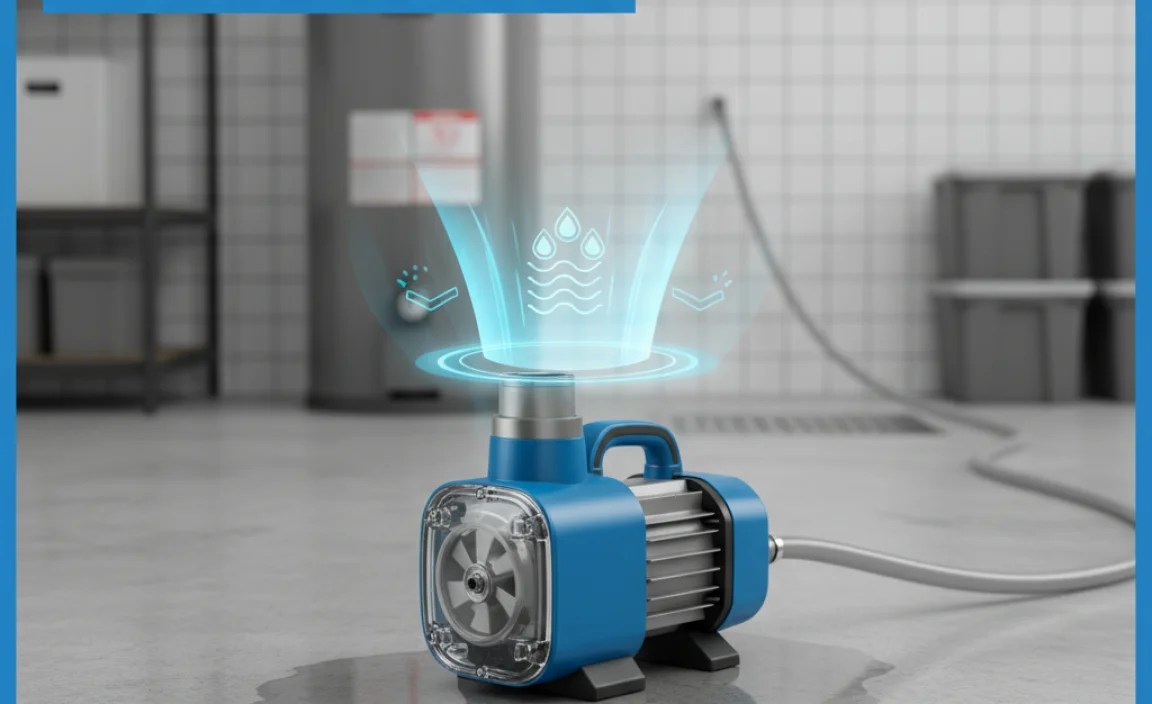
A floor water pump is a device that removes water from areas like basements and garages. These pumps are very important. They help prevent damage from flooding. Flooding can ruin furniture, walls, and floors. It can also cause mold to grow. Mold is bad for your health. A good pump can save you a lot of trouble. There are different kinds of these pumps. Some sit inside the water. These are called submersible pumps. Others stand above the water. These are called pedestal pumps. They each have their own benefits. Choosing the right one depends on your needs. Consider how much water you need to pump. Think about how often you might need to use it. With the right pump, you can keep your home dry and safe. It is a great way to protect your property.
- Pumps prevent flood damage.
- Submersible pumps sit in water.
- Pedestal pumps stand above water.
- Choose the right pump for your needs.
- Pumps help prevent mold growth.
The main job of a floor water pump is to move water away from your home. It does this using a motor. The motor powers a part called an impeller. The impeller spins around very fast. This spinning motion pushes the water through a pipe. The water then goes outside, away from your house. Some pumps have a switch that turns them on automatically. This is very helpful because you don’t have to turn the pump on yourself. Other pumps need to be turned on manually. It’s important to know how your pump works. This will help you use it correctly. Always read the instructions before using your pump. This will keep you safe. Remember, a floor water pump is a great tool for protecting your home.
Fun Fact or Stat: Did you know that a good floor water pump can pump thousands of gallons of water per hour?
How Does a Sump Pump Work?
Have you ever wondered how a sump pump knows when to turn on? Most sump pumps have a float switch. This switch is like a little buoy that floats on the water. As the water level rises, the float rises too. When the float reaches a certain height, it triggers the switch. This switch then turns on the pump. The pump starts to remove the water. As the water level goes down, the float goes down too. When it reaches a low enough level, the switch turns the pump off. This automatic system is very convenient. It means the pump only runs when it needs to. This saves energy. It also helps to prolong the life of the pump. Some pumps have electronic sensors instead of a float. These sensors detect the water level and control the pump.
Importance of a Check Valve
Imagine you’re filling a bucket with water. You stop pouring, but the water starts flowing back out of the hose. That’s what can happen with a floor water pump if you don’t have a check valve. A check valve is like a one-way door for water. It lets water flow out of the pump. However, it stops water from flowing back in. This is very important. Without a check valve, the water that the pump just removed could flow back into your basement. This would make the pump work harder. It would also waste energy. Check valves are usually made of plastic or metal. They are installed in the discharge pipe of the pump. Make sure your pump has a check valve. It will help your pump work better and last longer.
What is a Discharge Pipe?
The discharge pipe is like the escape route for water. It’s the pipe that carries the water away from your floor water pump and out of your house. This pipe is very important. It needs to be strong and durable. It also needs to be installed correctly. If the discharge pipe is blocked or damaged, the pump won’t be able to remove water. This could cause flooding. Discharge pipes are usually made of PVC plastic. PVC is strong and doesn’t rust. The pipe should slope away from your house. This helps the water flow easily. The end of the pipe should be far enough away from your foundation. This prevents the water from flowing back into your basement. Always check your discharge pipe regularly to make sure it’s clear and in good condition.
Types of Floor Water Pumps Available

There are several types of floor water pumps. Each type is designed for different situations. Submersible pumps are designed to be placed directly in the water. They are often used in sump pits. These pumps are very powerful and efficient. Pedestal pumps stand above the water. The motor is located on a pedestal. This keeps it away from the water. Pedestal pumps are easier to maintain. They are also less expensive than submersible pumps. Utility pumps are small and portable. They are used for removing water from small areas. They are great for draining pools or hot tubs. Battery backup pumps are used as a backup in case of a power outage. They are powered by a battery. This ensures that your pump will continue to work even if the power goes out. Choosing the right pump depends on your specific needs.
- Submersible pumps are placed in water.
- Pedestal pumps stand above water.
- Utility pumps are small and portable.
- Battery backup pumps work during outages.
- Each type has different uses.
- Consider your needs when choosing.
When choosing a floor water pump, think about where you will use it. If you have a sump pit, a submersible pump is a good choice. If you want something easy to maintain, a pedestal pump might be better. For small jobs, a utility pump is perfect. Also, think about the power of the pump. This is measured in horsepower (HP). A more powerful pump can remove water faster. Consider the size of your basement or the area you need to drain. A larger area will need a more powerful pump. Finally, think about a backup system. A battery backup pump can save you from flooding during a power outage. It is a good idea to have a backup plan. This will protect your home from water damage.
Fun Fact or Stat: Submersible pumps are often quieter than pedestal pumps because the water helps to muffle the sound!
Submersible Pump Advantages
Have you ever wondered why some people choose submersible pumps? One big reason is that they are very quiet. Because they sit underwater, the water helps to absorb the noise. This makes them much quieter than pedestal pumps. Submersible pumps are also very efficient. They can pump water from very low levels. This means they can remove more water from your basement. Another advantage is that they are less likely to get clogged. The water helps to keep the pump clean. Submersible pumps are also hidden from view. This makes them more aesthetically pleasing. They don’t take up as much space as pedestal pumps. If you want a quiet, efficient, and discreet pump, a submersible pump is a great choice. They are a popular option for many homeowners.
Pedestal Pump Advantages
Pedestal pumps have some great advantages too. One of the biggest is that they are easy to maintain. The motor is located above the water. This makes it easy to access for repairs and maintenance. You don’t have to pull the entire pump out of the water to work on it. Pedestal pumps are also generally less expensive than submersible pumps. This can make them a more budget-friendly option. Another advantage is that you can easily see if there is a problem. If the motor is making strange noises or not running properly, you can spot it quickly. Pedestal pumps are also good for areas with a lot of debris. The motor is less likely to get clogged because it’s not in the water. If you want an affordable and easy-to-maintain pump, a pedestal pump is a good choice.
Utility Pump Uses
Utility pumps are the versatile helpers of the pump world. They are small, lightweight, and easy to move around. This makes them perfect for a variety of jobs. Need to drain a kiddie pool? A utility pump can do it. Have a leaky washing machine? A utility pump can help. They are also great for removing water from window wells or other small areas. Utility pumps are not as powerful as submersible or pedestal pumps. However, they are perfect for smaller tasks. They are also very affordable. This makes them a great addition to any homeowner’s toolkit. Utility pumps are easy to use. Just plug them in and place them in the water. They are a quick and easy solution for removing unwanted water from small spaces. Do you need to empty a fish tank? A utility pump can handle that too!
Choosing the Right Floor Water Pump

Choosing the right floor water pump can seem tricky. There are many things to consider. First, think about the size of the area you need to protect. A larger basement will need a more powerful pump. Look at the flow rate of the pump. This tells you how many gallons of water it can pump per hour (GPH). A higher GPH means the pump can remove water faster. Next, consider the horsepower (HP) of the pump. Higher horsepower usually means more power. However, it can also mean a higher price. Think about the type of switch you want. Automatic switches turn the pump on and off automatically. Manual switches require you to turn the pump on and off yourself. Finally, consider your budget. Floor water pumps range in price from affordable to expensive. Choose a pump that meets your needs and fits your budget.
- Consider the size of the area.
- Check the flow rate (GPH).
- Think about horsepower (HP).
- Choose automatic or manual switch.
- Set a budget for the pump.
It’s also important to read reviews before you buy a floor water pump. See what other people say about the pump’s performance. Look for pumps that have good ratings and positive reviews. Pay attention to any complaints about the pump’s reliability. A reliable pump is very important. You don’t want it to fail when you need it most. Also, check the warranty. A good warranty will protect you if the pump breaks down. Make sure you understand the terms of the warranty. Knowing what is covered and what is not is important. By doing your research and reading reviews, you can choose a floor water pump that will protect your home for years to come.
Fun Fact or Stat: The average lifespan of a floor water pump is about 7–10 years, but proper maintenance can extend its life!
Flow Rate Explained
What exactly is flow rate, and why does it matter? Flow rate is the amount of water a pump can move in a certain amount of time. It’s usually measured in gallons per hour (GPH). A higher flow rate means the pump can remove water faster. This is important if you have a large basement or if you live in an area that gets a lot of rain. Think of it like this: a small straw can only move a little bit of water at a time. A big pipe can move a lot more water. The same is true for pumps. A pump with a high flow rate is like a big pipe. It can quickly remove water from your basement. When choosing a pump, consider how much water you might need to remove. A pump with a higher flow rate will give you more peace of mind.
Horsepower Considerations
Horsepower (HP) is a measure of how much power a pump has. A pump with higher horsepower can pump water more forcefully. This is important if you need to pump water a long distance or uphill. Think of it like a car engine. A car with a more powerful engine can climb hills more easily. A pump with higher horsepower can push water through pipes more easily. However, higher horsepower also means the pump will use more electricity. It might also be more expensive to buy. When choosing a pump, consider how much power you really need. A pump with too much horsepower will waste energy. A pump with too little horsepower won’t be able to do the job. Find a balance that meets your needs.
Switch Type Options
The switch is what tells the floor water pump when to turn on and off. There are two main types of switches: automatic and manual. Automatic switches turn the pump on when the water reaches a certain level. They turn the pump off when the water goes down. This is very convenient. You don’t have to worry about turning the pump on and off yourself. Manual switches require you to turn the pump on and off manually. This means you have to check the water level regularly. Automatic switches are generally more popular. They are more reliable and require less work. However, manual switches can be useful in certain situations. For example, if you only need to pump water occasionally, a manual switch might be fine. When choosing a switch, think about how much effort you want to put into managing the pump.
Installing Your Floor Water Pump
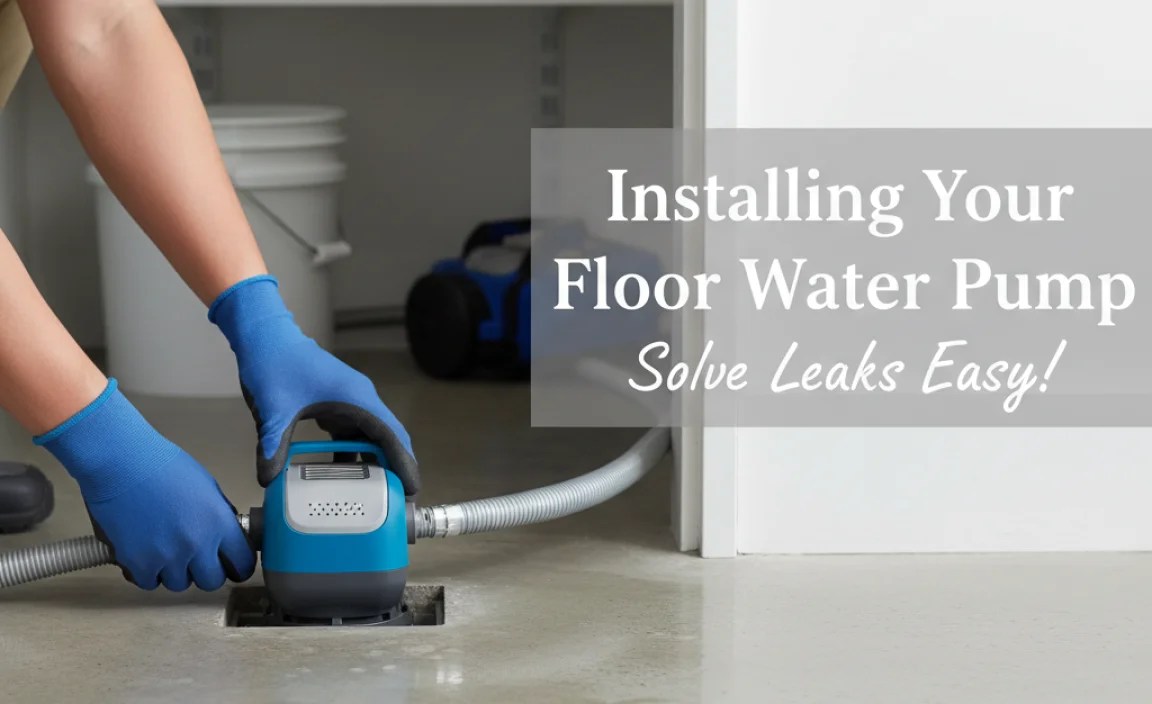
Installing a floor water pump is something you can do yourself. But, you can also hire a professional. If you are comfortable with basic plumbing, you can probably install it. First, read the instructions that come with the pump. This is very important. The instructions will tell you exactly how to install your specific model. Next, gather the tools you will need. You will probably need a wrench, a screwdriver, and some PVC cement. Make sure you have all the parts you need. This includes the pump, the discharge pipe, and the check valve. If you are replacing an old pump, disconnect it from the power source. Then, remove the old pump. Install the new pump according to the instructions. Make sure all the connections are tight. Finally, test the pump to make sure it is working properly. If you are not comfortable with any of these steps, hire a professional.
- Read the pump instructions first.
- Gather all necessary tools.
- Disconnect the old pump.
- Install the new pump carefully.
- Test the pump after installation.
- Hire a pro if unsure.
One of the most important parts of the installation is the discharge pipe. This pipe carries the water away from your house. Make sure it is properly connected to the pump. The pipe should slope away from your house. This helps the water flow easily. The end of the pipe should be far enough away from your foundation. This prevents the water from flowing back into your basement. Also, make sure the check valve is installed correctly. This valve prevents water from flowing back into the pump. This can damage the pump and cause it to work harder. Finally, be careful when working with electricity. Always disconnect the power before working on any electrical components. If you are not comfortable working with electricity, hire a professional electrician.
Fun Fact or Stat: Proper installation of a floor water pump can increase its efficiency by up to 20%!
Sump Pit Preparation
Before you install your floor water pump, you need to prepare the sump pit. The sump pit is the hole in the floor where the pump sits. Make sure the pit is clean and free of debris. Remove any rocks, dirt, or other objects that could clog the pump. The pit should be deep enough to hold the pump and allow the float switch to move freely. If the pit is too shallow, the pump won’t work properly. If the pit is too deep, the pump might have to work harder. The bottom of the pit should be level. This will help the pump sit evenly. If the pit is not level, the pump might vibrate and make noise. A well-prepared sump pit will help your pump work efficiently and last longer. Always wear gloves when cleaning the pit.
Discharge Pipe Routing
The discharge pipe is like the road that the water travels on to get away from your house. How you route this pipe is very important. The pipe should slope downwards away from your house. This helps the water flow easily. Avoid sharp bends or turns in the pipe. These can restrict the flow of water. The end of the pipe should be far enough away from your foundation. This prevents the water from flowing back into your basement. If you live in a cold climate, insulate the pipe to prevent it from freezing. A frozen pipe can burst and cause damage. Make sure the pipe is securely attached to the pump and to the outlet. Loose connections can leak and waste water. A well-routed discharge pipe will ensure that your pump works efficiently and effectively.
Electrical Connections Safety
Working with electricity can be dangerous. Always take precautions when making electrical connections for your floor water pump. First, disconnect the power to the circuit. This will prevent you from getting an electric shock. Use a circuit tester to make sure the power is off. Wear rubber gloves and safety glasses. These will protect you from electric shock and sparks. Make sure all the connections are tight and secure. Loose connections can cause fires. Use the correct size and type of wire. Using the wrong wire can overload the circuit. If you are not comfortable working with electricity, hire a qualified electrician. An electrician can safely and correctly connect your pump to the power supply. Always follow all local electrical codes.
Maintaining Your Floor Water Pump

Regular maintenance is key to keeping your floor water pump working well. A little bit of maintenance can prevent big problems. First, check the pump regularly. Look for any signs of wear and tear. Check the discharge pipe for leaks. Make sure the check valve is working properly. Clean the sump pit regularly. Remove any debris that could clog the pump. Test the pump periodically. Pour water into the sump pit to make sure the pump turns on and off automatically. If the pump is making strange noises, investigate. The noise could be a sign of a problem. Replace any worn or damaged parts. This will help to extend the life of your pump. With regular maintenance, your floor water pump will protect your home for years to come.
- Check the pump regularly.
- Clean the sump pit.
- Test the pump periodically.
- Replace worn parts promptly.
- Inspect the discharge pipe.
- Keep the area around the pump clear.
One of the most important maintenance tasks is cleaning the sump pit. Over time, dirt, debris, and sediment can accumulate in the pit. This can clog the pump and reduce its efficiency. Use a wet/dry vacuum to remove the debris from the pit. You can also use a garden hose to flush out the pit. Be careful not to damage the pump or the pipes. Also, inspect the check valve regularly. This valve prevents water from flowing back into the pump. If the check valve is not working properly, replace it. A faulty check valve can cause the pump to work harder. This can shorten its lifespan. By taking good care of your floor water pump, you can ensure that it is ready to protect your home when you need it most.
Fun Fact or Stat: A well-maintained floor water pump can last twice as long as one that is neglected!
Sump Pit Cleaning Frequency
How often should you clean your sump pit? The answer depends on several factors. If you live in an area with a lot of sediment in the water, you might need to clean it more often. If you have a lot of trees around your house, leaves and debris can fall into the pit. This can also require more frequent cleaning. As a general rule, you should clean your sump pit at least once a year. However, if you notice any signs of clogging or reduced pump performance, clean it more often. A clean sump pit will help your pump work efficiently and prevent problems. It’s a small task that can save you a lot of trouble in the long run. Mark your calendar as a reminder.
Check Valve Inspection
The check valve is a small but important part of your floor water pump system. It prevents water from flowing back into the pump after it has been pumped out. This can prevent damage to the pump and reduce its efficiency. Inspect the check valve regularly to make sure it is working properly. Look for any signs of wear and tear. Check for leaks around the valve. If the valve is not sealing properly, replace it. A faulty check valve can cause the pump to work harder and can shorten its lifespan. Replacing a check valve is a relatively simple and inexpensive task. It’s a good investment in the long-term health of your pump. Do not ignore the check valve!
Pump Testing Procedures
Testing your floor water pump is a simple way to make sure it is working properly. It can also help you identify any potential problems before they become serious. To test the pump, pour water into the sump pit. The pump should turn on automatically when the water reaches a certain level. If it doesn’t, check the float switch. Make sure it is moving freely. If the float switch is stuck, clean it or replace it. Once the pump turns on, make sure it is pumping water out of the pit. Check the discharge pipe for leaks. Observe how the pump sounds during operation. Strange noises can mean problems. If the pump is not working properly, consult a professional. Regular testing can help you catch problems early and prevent costly repairs.
Troubleshooting Common Pump Problems
Even with regular maintenance, floor water pumps can sometimes have problems. Knowing how to troubleshoot these problems can save you time and money. One common problem is that the pump won’t turn on. First, check the power supply. Make sure the pump is plugged in and that the circuit breaker is not tripped. If the power is on, check the float switch. Make sure it is moving freely. Another common problem is that the pump is running but not pumping water. This could be due to a clogged impeller or a blocked discharge pipe. Check these components and clear any obstructions. Sometimes, the pump might be making strange noises. This could be a sign of a worn bearing or a damaged impeller. If you hear strange noises, consult a professional. With a little bit of troubleshooting, you can often fix common pump problems yourself.
- Pump won’t turn on? Check power.
- Pump runs but no water? Check for clogs.
- Strange noises? Call a professional.
- Check the float switch.
- Inspect the discharge pipe.
- Read the pump manual for help.
Another common problem is that the pump is cycling on and off too frequently. This can be caused by a faulty check valve or a high water table. Check the check valve to make sure it is sealing properly. If the water table is high, you might need to install a larger sump pit. Sometimes, the pump might be vibrating excessively. This could be due to an unbalanced impeller or loose mounting bolts. Check these components and tighten any loose bolts. If the problem persists, consult a professional. Remember, safety is always the top priority. If you are not comfortable working with electricity or plumbing, hire a professional. They have the expertise to diagnose and fix pump problems safely and effectively.
Fun Fact or Stat: Many pump problems can be avoided by simply cleaning the sump pit regularly!
Pump Not Turning On
What do you do if your floor water pump won’t turn on? Don’t panic! Start with the simplest things first. Is the pump plugged in? It sounds obvious, but it’s easy to overlook. Check the electrical outlet to make sure it’s working. Plug something else into the outlet to test it. Next, check the circuit breaker. Has it tripped? If so, reset it. If the breaker trips again, there might be a short circuit. Call an electrician. If the power is on, check the pump itself. Is the power switch on? If so, check the float switch. Is it moving freely? If not, clean it. Sometimes, debris can block the float. These simple checks can often solve the problem. If not, it’s time to call a professional.
Pump Running Constantly
Is your floor water pump running all the time? This is a sign that something is wrong. One common cause is a faulty float switch. The float might be stuck in the “on” position. This causes the pump to run continuously. Check the float switch and make sure it’s moving freely. Another cause is a leak in the discharge pipe. Water might be flowing back into the sump pit. This causes the pump to keep running. Inspect the discharge pipe for leaks. A high water table can also cause the pump to run constantly. If the water table is high, you might need a more powerful pump. A pump that runs constantly will wear out quickly. It also wastes electricity. Fix the problem as soon as possible.
Unusual Noises
Strange noises coming from your floor water pump are never a good sign. They usually indicate a problem. A grinding noise could mean that the impeller is damaged. A rattling noise could mean that there is debris inside the pump. A humming noise could mean that the motor is overheating. If you hear any unusual noises, turn off the pump immediately. Disconnect it from the power supply. Inspect the pump for damage. Clean out any debris. If you can’t identify the problem, call a professional. Ignoring strange noises can lead to more serious damage. It’s better to be safe than sorry. A professional can diagnose the problem and repair the pump quickly and efficiently.
| Problem | Possible Cause | Solution |
|---|---|---|
| Pump won’t turn on | No power, tripped breaker | Check power, reset breaker |
| Pump runs constantly | Faulty float, leaky pipe | Replace float, fix pipe |
| Noisy pump | Damaged impeller, debris | Inspect/replace impeller, clean pump |
| No water pumping | Clogged impeller, blocked pipe | Clean impeller, clear pipe |
Summary
A floor water pump is an important tool. It protects your home from water damage. Different types of pumps exist. Submersible pumps sit in water. Pedestal pumps stand above water. Utility pumps are small and portable. Choosing the right pump depends on your needs. Consider the size of the area you need to protect. Think about the flow rate and horsepower of the pump. Choose a pump with an automatic or manual switch. Regular maintenance is key to keeping your pump working well. Clean the sump pit regularly. Inspect the check valve. Test the pump periodically. Troubleshooting common problems can save you time and money. With the right pump and proper maintenance, you can keep your home dry and safe.
Conclusion
Floor water pumps are very important for homeowners. They help prevent costly water damage. Choosing the right pump and maintaining it is key. Regular checks and cleaning are essential. This will ensure your pump works when you need it most. Don’t wait until a flood happens. Take action now to protect your home with a reliable floor water pump.
Frequently Asked Questions
Question No 1: What is a floor water pump, and why do I need one?
Answer: A floor water pump, often called a sump pump, removes water from basements or crawl spaces. You need one if your home is prone to flooding. It can prevent water damage to your foundation, furniture, and belongings. It also helps prevent mold growth. Mold can cause health problems. A floor water pump is a great way to protect your home and your health. These pumps automatically remove unwanted water. This helps keep your property safe from damage. Consider getting one if you live in a flood-prone area.
Question No 2: How do I choose the right size floor water pump for my home?
Answer: To choose the right size floor water pump, consider the size of your basement or crawl space. Also, think about how often your home floods. Look at the flow rate of the pump. This is measured in gallons per hour (GPH). A higher GPH means the pump can remove more water faster. If you have a large basement or frequent flooding, choose a pump with a higher GPH. Also, think about the horsepower (HP) of the pump. Higher horsepower means more power. A more powerful pump can handle more water. A professional plumber can help you choose the right size pump for your needs. They can assess your situation and recommend the best option. They will consider the dimensions of your basement.
Question No 3: How often should I maintain my floor water pump?
Answer: You should maintain your floor water pump at least once a year. Regular maintenance can prevent problems. It can also extend the life of your pump. Check the pump regularly for any signs of wear and tear. Clean the sump pit to remove any debris. Inspect the check valve to make sure it is working properly. Test the pump periodically to make sure it turns on and off automatically. If you notice any problems, address them immediately. Ignoring problems can lead to more serious damage. A little bit of maintenance can go a long way. It will help you keep your pump working well for years to come.
Question No 4: What are some common problems with floor water pumps and how can I fix them?
Answer: One common problem is that the pump won’t turn on. Check the power supply and the float switch. Another problem is that the pump is running but not pumping water. This could be due to a clogged impeller or a blocked discharge pipe. Clean these components. Sometimes, the pump might be making strange noises. This could be a sign of a worn bearing or a damaged impeller. If you hear strange noises, consult a professional. Another issue is that the pump is cycling on and off too frequently. This can be caused by a faulty check valve. If you suspect a problem with your floor water pump, consult a professional.
Question No 5: Can I install a floor water pump myself, or should I hire a professional?
Answer: You can install a floor water pump yourself if you are comfortable with basic plumbing and electrical work. However, if you are not comfortable with these tasks, it is best to hire a professional. A professional will ensure that the pump is installed correctly and safely. They can also help you choose the right size pump for your needs. Installing a pump incorrectly can lead to problems. It can also be dangerous. If you are unsure about any part of the installation process, hire a professional. They have the expertise to do the job right. Safety is always the top priority. If you decide to install it yourself, read the instructions carefully.
Question No 6: What is a check valve, and why is it important for a floor water pump?
Answer: A check valve is a valve that allows water to flow in only one direction. It is important for a floor water pump because it prevents water from flowing back into the sump pit after it has been pumped out. This can prevent the pump from having to work harder. It also helps prevent flooding. A faulty check valve can cause the pump to cycle on and off more frequently. This can shorten its lifespan. Inspect the check valve regularly to make sure it is working properly. If it is not sealing properly, replace it. A check valve is a small but important part of a floor water pump system. It helps the pump work efficiently.


