
Floor Bike Pump Types: Find YOUR Perfect Match!

Floor bike pumps come in several types, each designed for specific needs. High-volume pumps quickly fill large tires on mountain and hybrid bikes. High-pressure pumps efficiently inflate the narrower tires of road bikes. Dual-chamber pumps offer both volume and pressure, while digital pumps provide precise inflation. Knowing the differences helps you choose the best pump for your bike and riding style.
Picking the right floor pump for your bike can feel overwhelming. So many options, so many features! But don’t worry, it’s simpler than you think. A good floor pump makes tire inflation quick and easy, keeping you rolling smoothly. Choosing the wrong one can lead to frustration and wasted effort.
In this guide, I’ll walk you through the different types of floor bike pumps. You’ll learn the pros and cons of each, so you can confidently choose the perfect pump for your needs. Let’s get started and make sure you’re always ready to ride!
Understanding Floor Bike Pump Types
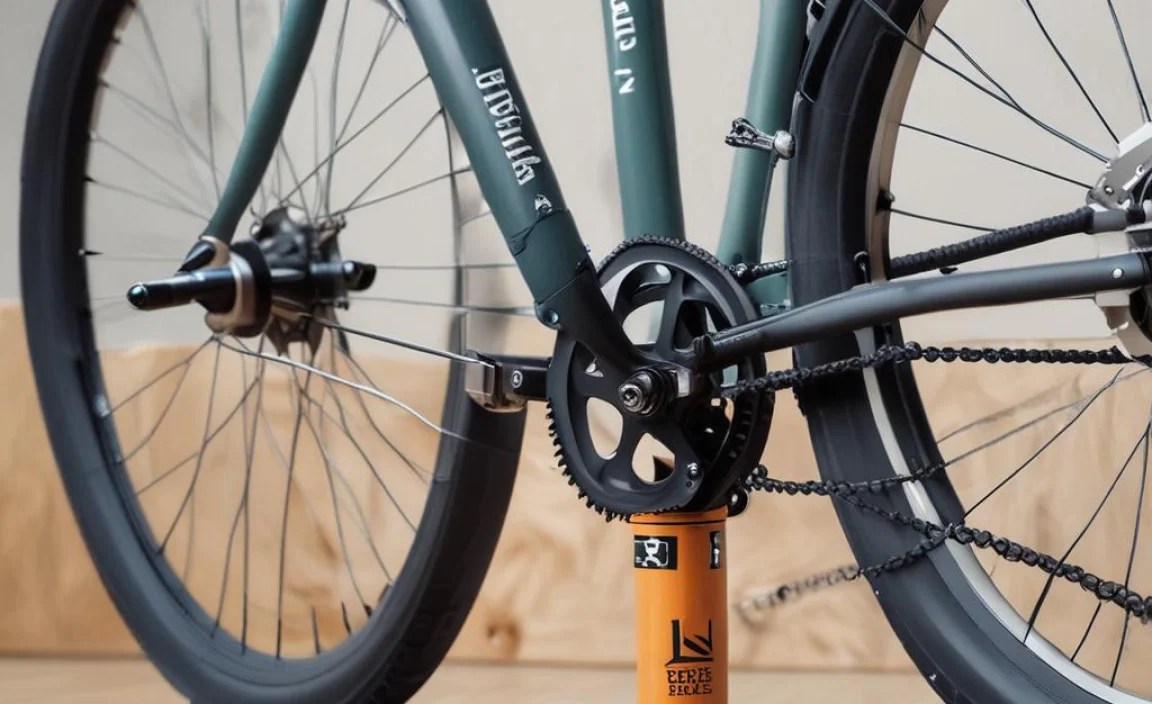
Floor pumps, also known as track pumps, are essential for maintaining proper tire pressure. They offer stability and efficiency compared to hand pumps. Here’s a breakdown of the main types:
High-Volume Floor Pumps
High-volume pumps are designed to move a large amount of air quickly. They are ideal for tires that require lower pressures but higher volumes, such as those found on mountain bikes and hybrid bikes.
Pros of High-Volume Floor Pumps:
- Fast Inflation: Quickly fills large tires.
- Ideal for Low Pressure: Works well for tires needing 20-50 PSI.
- Less Effort: Requires fewer strokes to reach the desired pressure.
Cons of High-Volume Floor Pumps:
- Less Efficient at High Pressure: Struggles to inflate tires above 60 PSI.
- Not Suitable for Road Bikes: Not the best choice for high-pressure road bike tires.
High-Pressure Floor Pumps
High-pressure pumps are designed to efficiently inflate tires to high pressures. They are best suited for road bikes and other applications where tires need to be inflated to 80-120 PSI or higher.
Pros of High-Pressure Floor Pumps:
- Efficient at High Pressure: Easily inflates tires to 100+ PSI.
- Ideal for Road Bikes: Perfect for the narrow tires of road bikes.
- Precise Inflation: Allows for fine-tuning of tire pressure.
Cons of High-Pressure Floor Pumps:
- Slower Inflation at Low Pressure: Takes more strokes to fill large tires.
- More Effort: Requires more effort to reach the desired pressure, especially at lower volumes.
- Not Ideal for Mountain Bikes: Less efficient for the larger tires of mountain bikes.
Dual-Chamber Floor Pumps
Dual-chamber pumps offer the best of both worlds. They have a switch or mechanism that allows you to choose between high-volume and high-pressure modes. This makes them versatile for different types of bikes and tires.
Pros of Dual-Chamber Floor Pumps:
- Versatile: Suitable for both high-volume and high-pressure tires.
- Convenient: Can be used for multiple bikes in the same household.
- Efficient: Provides good inflation performance across a range of pressures.
Cons of Dual-Chamber Floor Pumps:
- More Expensive: Generally costs more than single-purpose pumps.
- More Complex: May have more parts that can potentially fail.
- Can Be Confusing: Requires understanding of when to switch between modes.
Digital Floor Pumps
Digital floor pumps come with a digital gauge that provides a precise pressure reading. Some models even have an automatic shut-off feature that stops inflation when the desired pressure is reached.
Pros of Digital Floor Pumps:
- Precise Readings: Offers accurate pressure measurements.
- Easy to Read: Digital display is clear and easy to see.
- Automatic Shut-Off: Prevents over-inflation.
Cons of Digital Floor Pumps:
- Requires Batteries: Needs a power source to operate.
- More Expensive: Typically more costly than analog pumps.
- Potential for Malfunction: Digital components can fail.
Key Features to Consider
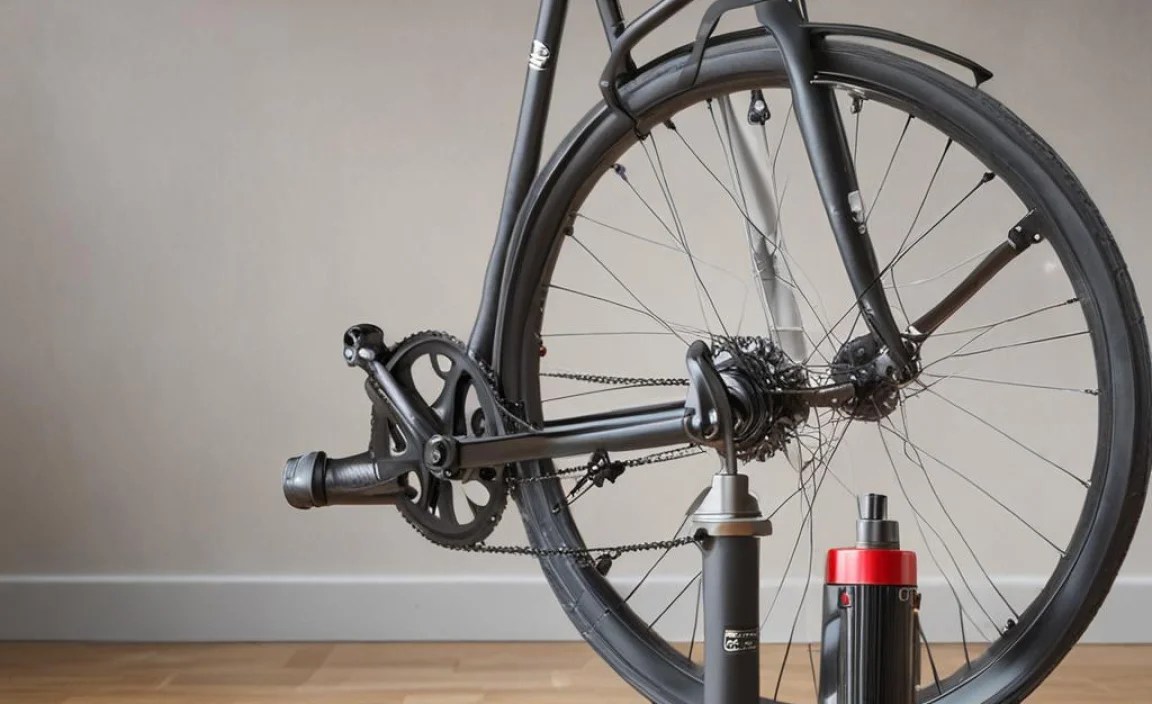
When choosing a floor pump, consider these key features to ensure you get the best performance and durability.
Gauge Accuracy and Placement
The accuracy of the gauge is crucial for achieving the correct tire pressure. Look for a gauge that is easy to read and provides precise measurements. Gauges placed higher on the pump are generally easier to see.
Pump Head Compatibility
The pump head should be compatible with both Presta and Schrader valves. Some pumps have dual heads, while others have adapters. Make sure the pump head is easy to use and creates a secure seal.
Base Stability
A wide, stable base prevents the pump from tipping over during use. Look for a pump with a sturdy base made of steel or durable plastic.
Handle Comfort and Ergonomics
The handle should be comfortable to grip and easy to use. Ergonomic handles reduce hand fatigue during inflation.
Hose Length and Material
A longer hose provides more flexibility and makes it easier to reach the tire valve. Look for a hose made of durable material that won’t crack or leak.
Comparing Floor Bike Pump Types

Here’s a table summarizing the different types of floor pumps and their key characteristics:
| Type of Pump | Ideal For | Pros | Cons |
|---|---|---|---|
| High-Volume | Mountain and Hybrid Bikes | Fast inflation, ideal for low pressure | Less efficient at high pressure |
| High-Pressure | Road Bikes | Efficient at high pressure, precise inflation | Slower inflation at low pressure |
| Dual-Chamber | Multiple Bikes | Versatile, convenient | More expensive, more complex |
| Digital | All Bikes | Precise readings, easy to read, automatic shut-off | Requires batteries, more expensive |
Step-by-Step Guide to Using a Floor Bike Pump

Using a floor pump is straightforward. Follow these steps to inflate your tires quickly and safely.
Step 1: Prepare the Valve
Remove the valve cap from your tire. For Presta valves, unscrew the valve nut to allow airflow. For Schrader valves, simply remove the cap.
Step 2: Attach the Pump Head
Connect the pump head to the valve. Make sure it’s securely attached to prevent air leaks. For Presta valves, ensure the pump head is fully engaged. For Schrader valves, push the pump head straight onto the valve.
Step 3: Lock the Pump Head (If Applicable)
Some pump heads have a lever or locking mechanism to ensure a tight seal. Engage the lever to lock the pump head in place.
Step 4: Inflate the Tire
Place one foot on the base of the pump for stability. Grip the handle firmly and pump up and down in a smooth, consistent motion. Watch the gauge to monitor the pressure.
Step 5: Reach the Desired Pressure
Inflate the tire to the recommended pressure, which is usually printed on the sidewall of the tire. Avoid over-inflation, as this can cause the tire to burst.
Step 6: Remove the Pump Head
Disengage the locking lever (if applicable) and carefully remove the pump head from the valve. For Presta valves, tighten the valve nut to prevent air leaks.
Step 7: Replace the Valve Cap
Replace the valve cap to protect the valve from dirt and damage.
Maintenance Tips for Your Floor Bike Pump
Proper maintenance will extend the life of your floor pump and ensure it continues to perform optimally.
Regular Cleaning
Keep your pump clean by wiping it down with a damp cloth. Remove any dirt or debris that may accumulate on the pump head or hose.
Check for Leaks
Periodically check the pump for leaks. Pay attention to the hose, pump head, and connections. Replace any worn or damaged parts.
Lubricate Moving Parts
Lubricate the moving parts of the pump with a silicone-based lubricant. This will keep the pump operating smoothly and prevent corrosion. Apply lubricant to the piston, handle, and any other moving parts.
Store Properly
Store your pump in a dry, protected area. Avoid exposing it to extreme temperatures or direct sunlight, which can damage the seals and other components.
Troubleshooting Common Issues
Even with proper maintenance, you may encounter issues with your floor pump. Here are some common problems and how to fix them.
Air Leaks
If you notice air leaking from the pump head or hose, check the connections and seals. Tighten any loose connections and replace any worn or damaged seals.
Pump Not Inflating
If the pump is not inflating the tire, make sure the pump head is securely attached to the valve. Check the valve for obstructions and ensure it is functioning properly.
Gauge Not Working
If the gauge is not working, check the battery (for digital pumps) and the connections. If the gauge is still not working, it may need to be replaced.
Floor Bike Pump Brands and Recommendations
Here are a few reputable brands known for producing high-quality floor bike pumps:
- Lezyne: Known for their durable and stylish pumps with accurate gauges.
- Topeak: Offers a wide range of pumps for different needs and budgets.
- Park Tool: A trusted brand among bike mechanics, known for their reliable and durable tools.
- Serfas: Provides affordable and functional pumps for everyday use.
- Specialized: Offers high-performance pumps designed for serious cyclists.
External Resources
For more information on bike pumps and maintenance, check out these resources:
- Bicycling.com – Best Bike Pumps
- REI – How to Choose a Bike Pump
- Park Tool – Floor Pump Use
FAQ: Common Questions About Floor Bike Pumps
What is the difference between a Presta and Schrader valve?
Presta valves are narrow and typically found on road bikes. They have a valve nut that needs to be unscrewed before inflation. Schrader valves are wider and similar to those found on car tires. They have a spring-loaded pin in the center.
How do I know what tire pressure to use?
The recommended tire pressure is usually printed on the sidewall of the tire. It is typically expressed in PSI (pounds per square inch) or BAR (metric unit of pressure). Stay within this range for optimal performance and safety.
Can I use a floor pump for tubeless tires?
Yes, you can use a floor pump for tubeless tires. However, some tubeless setups require a pump that can deliver a large volume of air quickly to seat the tire bead. A dedicated tubeless inflator or a pump with a boost chamber may be more effective.
How often should I check my tire pressure?
It is a good idea to check your tire pressure before each ride. Tires can lose pressure over time, especially if they have small punctures or leaks. Maintaining the correct pressure ensures optimal performance and reduces the risk of flats.
What is the best type of floor pump for a beginner?
A dual-chamber pump is a great option for beginners because it can handle both high-volume and high-pressure tires. It’s versatile and can be used for different types of bikes. A pump with an easy-to-read gauge is also helpful.
How do I fix a floor pump that won’t pump air?
First, check that the pump head is securely attached to the tire valve. Make sure the valve is not clogged with dirt. If the pump still won’t pump air, the seals inside the pump may be worn out and need to be replaced.
Are digital floor pumps worth the extra cost?
Digital floor pumps offer precise pressure readings, which can be very useful for cyclists who want to fine-tune their tire pressure. If accuracy is important to you, a digital pump may be worth the extra cost. However, analog pumps are generally more reliable and less prone to failure.
Conclusion
Choosing the right floor bike pump can make a big difference in your cycling experience. By understanding the different types of pumps and their features, you can select the one that best meets your needs. Whether you’re a road cyclist, mountain biker, or just enjoy riding around town, a good floor pump is an essential tool for keeping your tires properly inflated and ensuring a smooth, safe ride. Happy pumping!


