
Bicycle Floor Pump Parts: Find the Right Ones!

Do you love riding your bike? Have you ever had a flat tire? A bicycle floor pump can help. These pumps make it easy to inflate your tires. They have many different parts. Knowing about these bicycle floor pump parts can help you fix your pump. It can also help you choose the right pump.
Understanding the parts of a bicycle floor pump is useful. It helps you keep your tires inflated. This makes your rides safer and more fun. Let’s explore the bicycle floor pump parts. We will learn what they do. We will also learn how they work together.
A good pump is important for every bike owner. It keeps your tires at the right pressure. This makes riding easier. It also helps prevent flats. So, let’s dive into the world of bicycle floor pump parts. We will become pump experts!
Key Takeaways
- Knowing the bicycle floor pump parts helps you maintain your pump.
- The base provides stability while you are pumping your bike tires.
- The hose connects the pump to your tire’s valve for easy inflation.
- The handle allows you to push air into your tire with each pump.
- Replacing worn parts keeps your bicycle floor pump working well.
Understanding Bicycle Floor Pump Components
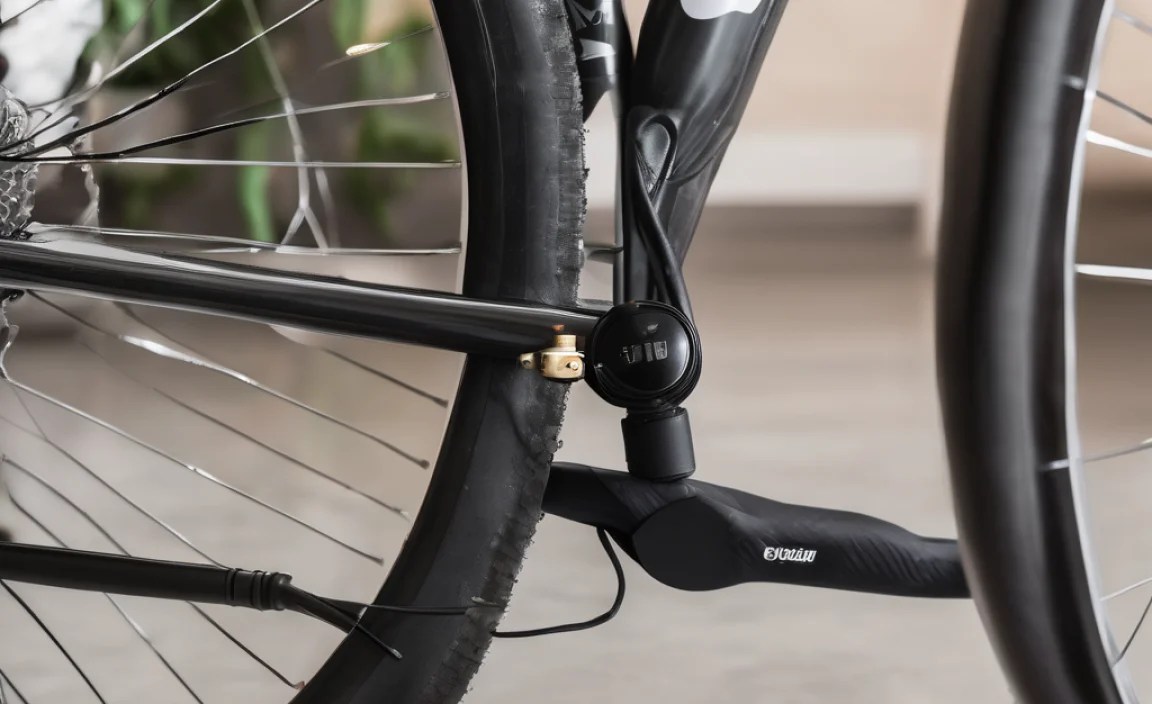
A bicycle floor pump has many parts. Each part has a job. The base keeps the pump steady. The hose connects to your tire. The handle lets you push air. The gauge shows the pressure. Knowing these bicycle floor pump components helps you use the pump better. It also helps you fix it if it breaks. Understanding how each part works can make inflating your tires easier and faster. Plus, you will be able to keep your pump in good shape for a long time. So, let’s learn about all the important parts. This will make you a pump pro!
- The base keeps the pump steady.
- The hose connects to the tire valve.
- The handle helps you push air.
- The gauge shows the tire pressure.
- The valve connector fits different valves.
- Seals keep air from leaking.
Learning about the components can be fun. Think of it like building with LEGOs. Each brick is a part. When you put them together, you get something cool. The bicycle floor pump components work the same way. Each part does its job. Together, they inflate your tire. Knowing how they fit helps you fix problems. It also helps you choose a good pump. Remember, a well-maintained pump makes biking more fun. It also keeps you safe on the road. So, pay attention to all the bicycle floor pump components.
What Does the Base Do?
Have you ever tried to stand on one foot? It is hard to stay steady, right? The base of a bicycle floor pump is like your feet. It keeps the pump from tipping over. A wide base is better. It gives more support. Some bases are made of metal. Others are plastic. Metal bases are usually stronger. Plastic bases are lighter. The base helps you pump easily. It lets you focus on pushing the handle. Without a good base, pumping would be hard! So, the base is a very important part of your pump.
How Does the Hose Connect?
The hose is like a straw for air. It connects the pump to your tire. The hose must be strong. It has to handle high pressure. It also needs to be flexible. This lets you reach the tire valve easily. Some hoses are longer than others. A longer hose can be helpful. It lets you pump from different angles. The hose connects to the valve connector. This part attaches to your tire valve. Make sure the hose is in good shape. Cracks can cause leaks. A good hose makes pumping easier.
Why Is the Gauge Important?
Imagine baking a cake without a timer. You would not know when it is done! The gauge on a bicycle floor pump is like a timer. It tells you how much air is in your tire. Too little air makes riding hard. Too much air can make the tire explode! The gauge shows the pressure in PSI or BAR. These are units of measurement. Knowing the right pressure is important. It makes riding safer and more fun. Always check the gauge while pumping. This will help you get the perfect tire pressure.
Fun Fact or Stat: The first bicycle pump was invented in the late 1800s. It was much simpler than the pumps we use today!
Exploring Handle and Piston Mechanisms

The handle and piston are key parts. They work together to push air. The handle is what you push down on. It is connected to the piston. The piston moves inside the pump. As you push the handle, the piston pushes air. The air goes through the hose. Then it goes into your tire. A good handle is comfortable. It should not hurt your hands. The piston needs to be strong. It should not leak air. These bicycle floor pump parts make pumping possible. Without them, you could not inflate your tires. So, they are very important!
- The handle is what you push.
- The piston pushes the air.
- The handle should be comfy.
- The piston must be strong.
- Seals prevent air leaks.
- Good parts make pumping easy.
Think about a syringe. The handle is like the plunger. The piston is inside the syringe. When you push the plunger, the liquid comes out. The handle and piston on a bicycle floor pump work the same way. When you push the handle, air goes into your tire. The better these parts are, the easier it is to pump. Look for a pump with a strong piston. Make sure the handle is comfortable. This will make inflating your tires much easier. Always check these bicycle floor pump parts when buying a new pump.
How Does the Handle Work?
The handle is the part you hold. It lets you push down on the pump. A good handle is easy to grip. It should not slip. Some handles are made of wood. Others are plastic or metal. The handle connects to the piston rod. This rod pushes the piston. The shape of the handle matters. A wider handle is often more comfortable. It lets you use more of your hand. This makes pumping easier. Choose a pump with a comfortable handle. Your hands will thank you!
What Does the Piston Do?
The piston is the heart of the pump. It moves up and down inside the cylinder. As it moves, it pushes air. The piston has seals. These seals keep air from leaking. A good piston is made of strong material. It needs to handle a lot of pressure. The piston rod connects to the handle. When you push the handle, the piston moves. This pushes air into the hose. The piston is a very important part. Without it, the pump would not work.
Why Are Seals Important?
Imagine trying to fill a bucket with holes. The water would leak out! Seals on a bicycle floor pump prevent air from leaking. They are usually made of rubber. They fit tightly around the piston. They also seal the valve connector. Over time, seals can wear out. This can cause air to leak. If your pump is not working well, check the seals. You may need to replace them. New seals can make your pump work like new. Good seals are key to a good pump.
Fun Fact or Stat: Some high-end bicycle pumps use pistons made of Teflon for smoother action and longer life!
Valve Connector Types and Compatibility

The valve connector is very important. It connects the pump to your tire valve. There are different types of valves. Schrader valves are like car tire valves. Presta valves are thinner. They are often found on road bikes. The valve connector needs to fit both types. Some connectors have two sides. One side fits Schrader valves. The other fits Presta valves. Other connectors adjust to fit both. Make sure your pump’s connector fits your tires. This will make pumping much easier. These bicycle floor pump parts are essential for proper inflation.
- Schrader valves are like car valves.
- Presta valves are thin.
- Some connectors fit both.
- Check your tire valve type.
- A good fit prevents leaks.
- Adapters can help with fit.
Think of the valve connector as a key. The tire valve is the lock. The right key opens the lock easily. The wrong key will not work. A good valve connector fits tightly. It should not leak air. Some connectors have a lever. This lever locks the connector onto the valve. This helps prevent leaks. Always check the connector before pumping. Make sure it is attached correctly. A good connection makes pumping easier and faster. So, pay attention to this important part of your pump.
What Is a Schrader Valve?
A Schrader valve is like the valve on a car tire. It is wider than a Presta valve. It has a small pin in the center. You push the pin to let air out. Schrader valves are common on mountain bikes. They are also used on kids’ bikes. Most gas station air pumps fit Schrader valves. This makes them easy to inflate. If your bike has Schrader valves, make sure your pump fits them. A Schrader valve is simple and reliable.
What Is a Presta Valve?
A Presta valve is thinner than a Schrader valve. It is often found on road bikes. It has a small nut at the top. You need to unscrew the nut to inflate the tire. Presta valves can hold higher pressure. This makes them good for racing bikes. Some people find them harder to use. But with practice, they are easy. If your bike has Presta valves, make sure your pump fits them. A Presta valve is light and efficient.
How Do Adapters Help?
Sometimes, your pump connector might not fit your tire valve. This is where adapters come in handy. An adapter is a small part. It changes the valve type. You can use an adapter to inflate a Presta valve with a Schrader pump. Or vice versa. Adapters are small and cheap. They can save you a lot of trouble. Keep an adapter in your bike bag. It can be a lifesaver on a ride. Adapters make your pump more versatile.
Fun Fact or Stat: Presta valves were invented in France. They are named after the French cyclist who designed them!
Importance of Pressure Gauges in Floor Pumps

The pressure gauge is like a speedometer for your tires. It tells you how much air is inside. Too little air makes riding hard. Too much air can cause a flat. The gauge shows the pressure in PSI or BAR. PSI stands for pounds per square inch. BAR is another unit of pressure. Most tires have a recommended pressure range. This is printed on the side of the tire. Use the gauge to reach the right pressure. This will make your ride smoother and safer. These bicycle floor pump parts are important for optimal performance.
- Gauges show tire pressure.
- PSI and BAR are units.
- Check the tire sidewall.
- Too much air is bad.
- Too little air is bad.
- Use the gauge to be safe.
Imagine trying to guess how much water is in a glass. You might pour too much or too little. The pressure gauge takes the guesswork out of inflating your tires. It tells you exactly how much air is inside. This helps you get the perfect ride. Some gauges are digital. They show the pressure on a screen. Others are analog. They have a needle that points to the pressure. Both types work well. Choose the one you like best. Just make sure it is easy to read. These bicycle floor pump parts are essential for proper inflation.
Analog vs. Digital Gauges
Analog gauges have a needle. The needle points to the pressure. They are simple and easy to read. They do not need batteries. Digital gauges show the pressure on a screen. They are often more accurate. They need batteries to work. Some people prefer analog gauges. They like the classic look. Others prefer digital gauges. They like the accuracy. Both types are good. Choose the one that works best for you.
How to Read a Pressure Gauge
Reading a pressure gauge is easy. Look for the needle or the number on the screen. The gauge will show the pressure in PSI or BAR. Find the recommended pressure on your tire. Inflate the tire until the gauge reaches that number. Do not over-inflate the tire. This can cause it to explode. Always check the pressure before each ride. This will keep you safe and comfortable.
Why Accuracy Matters
A good gauge is accurate. It shows the correct pressure. An inaccurate gauge can be dangerous. It might tell you the wrong pressure. This could lead to a flat tire. Or even an accident. Choose a pump with a reliable gauge. You can test the gauge at a bike shop. They have tools to check the accuracy. A good gauge is worth the investment. It keeps you safe on the road.
Fun Fact or Stat: Some professional cyclists use gauges that are accurate to within 1 PSI to fine-tune their tire pressure for races!
Maintaining Your Bicycle Floor Pump

Like any tool, a bicycle floor pump needs care. Regular cleaning helps. Check the hose for cracks. Replace worn seals. Oil the piston. This keeps it moving smoothly. A little maintenance goes a long way. It keeps your pump working well. It also saves you money. You will not have to buy a new pump as often. Taking care of your bicycle floor pump parts ensures it is always ready when you need it. Plus, it is a good way to learn more about how the pump works.
- Clean the pump regularly.
- Check the hose for cracks.
- Replace worn seals.
- Oil the piston.
- Store the pump properly.
- Regular care helps.
Think of your bicycle floor pump like your bike. You clean and oil your bike, right? You should do the same for your pump. A clean pump works better. It lasts longer. Check the hose often. Look for cracks or wear. Replace the hose if needed. Seals can dry out over time. Replace them to prevent leaks. A little oil on the piston keeps it moving smoothly. Store your pump in a dry place. This prevents rust. Taking care of your pump is easy. It keeps your tires inflated and ready to ride.
How to Clean Your Pump
Cleaning your pump is simple. Wipe it down with a damp cloth. Remove any dirt or grime. Pay attention to the hose and valve connector. These parts can get dirty easily. Use a mild soap if needed. Do not use harsh chemicals. They can damage the pump. Dry the pump thoroughly after cleaning. This prevents rust. A clean pump looks good and works well. Make cleaning part of your routine.
When to Replace Seals
Seals keep air from leaking. Over time, they can wear out. If your pump is not working well, check the seals. Look for cracks or dryness. If the seals look worn, replace them. You can buy new seals at a bike shop. Replacing seals is easy. It can make your pump work like new. New seals prevent air leaks. This makes pumping easier. Check your seals regularly. This will keep your pump in good shape.
Oiling the Piston
The piston needs to move smoothly. Oiling it helps. Use a light oil. Apply a few drops to the piston rod. Work the handle up and down. This spreads the oil. Do not use too much oil. It can attract dirt. Oil the piston every few months. This keeps it moving smoothly. A well-oiled piston makes pumping easier. It also extends the life of your pump. Oiling the piston is a simple task. It makes a big difference.
Fun Fact or Stat: Some bike shops offer pump repair services. They can replace seals and other parts for you!
Troubleshooting Common Pump Issues
Sometimes, pumps do not work right. Air might leak. The gauge might not work. The handle might be hard to push. These problems can be frustrating. But most are easy to fix. Check the hose for leaks. Replace worn seals. Make sure the valve connector is tight. A little troubleshooting can save you time and money. Knowing about bicycle floor pump parts helps you diagnose problems. It also helps you fix them quickly. So, let’s learn how to troubleshoot common pump issues.
- Air leaks are common.
- Check the hose for cracks.
- Replace worn seals.
- Tighten the valve connector.
- The gauge might be broken.
- The handle might be stiff.
Imagine your bike has a flat. You grab your pump, but it does not work. This can ruin your ride! Knowing how to fix common pump problems is important. If air is leaking, check the hose. Look for cracks or holes. Replace the hose if needed. Worn seals are another common problem. Replace them to stop leaks. Make sure the valve connector is tight. A loose connector can cause leaks. If the gauge is not working, it might be broken. You might need to replace the whole pump. If the handle is hard to push, oil the piston. A little oil can make a big difference. These simple steps can fix most pump problems. Taking care of your bicycle floor pump parts will save you time and frustration.
Air Leaks and How to Fix Them
Air leaks are a common problem. They can happen at the hose, valve connector, or piston. Check the hose for cracks. If you see any, replace the hose. Check the valve connector. Make sure it is tight. If it is loose, tighten it. Check the seals on the piston. If they are worn, replace them. Air leaks can make pumping hard. Fixing them makes pumping easier. Air leaks are often easy to fix. A little troubleshooting can save the day.
Gauge Not Working?
If the gauge is not working, it might be broken. First, make sure the hose is connected tightly. A loose hose can cause the gauge to read wrong. If the hose is tight, the gauge might be broken. You can try tapping the gauge gently. Sometimes, this can fix it. If not, you might need to replace the gauge. Or, you might need to buy a new pump. A broken gauge can be frustrating. But there are ways to fix it.
Handle Is Hard to Push?
If the handle is hard to push, the piston might need oil. Apply a few drops of light oil to the piston rod. Work the handle up and down. This spreads the oil. If the handle is still hard to push, check the cylinder. There might be dirt inside. Clean the cylinder with a damp cloth. A little oil and cleaning can make a big difference. A smooth handle makes pumping easier. A hard handle makes pumping difficult.
Fun Fact or Stat: Many bike shops offer free pump repair clinics. They can teach you how to fix common pump problems!
Choosing the Right Bicycle Floor Pump
Choosing the right pump can be tricky. There are many types. Some are cheap. Others are expensive. Some are big. Others are small. Think about what you need. Do you need a pump for road bikes? Or mountain bikes? Do you need a pump with a gauge? Or without a gauge? Consider the bicycle floor pump parts. A good pump has strong parts. It also has a comfortable handle. Choosing the right pump makes biking more fun. It also keeps you safe on the road.
- Think about your needs.
- Consider the valve type.
- Check the gauge accuracy.
- Look for strong parts.
- Read reviews online.
- A good pump is worth it.
Imagine you are buying a new bike. You would not just pick the first one you see, right? You would do some research. You would think about what you need. Buying a pump is the same. Think about what kind of bike you have. What kind of valves do your tires use? Do you want a gauge? How important is accuracy? Read reviews online. See what other people say. A little research can help you choose the right pump. It will also help you get the best value for your money. Consider all the bicycle floor pump parts before you buy.
What Kind of Bike Do You Have?
The type of bike matters. Road bikes often use Presta valves. Mountain bikes often use Schrader valves. Some pumps fit both types. Others only fit one. If you have both types of bikes, get a pump that fits both. This will save you time and trouble. Knowing your bike type is the first step. It helps you choose the right pump. A good pump makes inflating your tires easy. A bad pump makes it hard.
How Important Is Gauge Accuracy?
Gauge accuracy is important. A good gauge tells you the correct pressure. This helps you avoid over-inflating or under-inflating your tires. Over-inflating can cause a flat. Under-inflating can make riding hard. Choose a pump with an accurate gauge. You can test the gauge at a bike shop. They have tools to check the accuracy. A good gauge is worth the investment. It keeps you safe and comfortable.
Read Reviews Before Buying
Reading reviews is a good idea. See what other people say about the pump. Do they like it? Is it easy to use? Is the gauge accurate? Do the parts seem strong? Reviews can give you valuable information. They can help you avoid buying a bad pump. Look for reviews from people with similar bikes. This will give you the most relevant information. Reviews can save you time and money. They can also help you choose the best pump.
| Feature | Cheap Pump | Mid-Range Pump | High-End Pump |
|---|---|---|---|
| Price | $20–$30 | $40–$60 | $70+ |
| Gauge Accuracy | Less Accurate | Fairly Accurate | Very Accurate |
| Durability | Less Durable | Durable | Very Durable |
| Valve Compatibility | Usually Both | Usually Both | Usually Both |
Fun Fact or Stat: The most expensive bicycle floor pumps can cost over $200. They are made with high-quality materials and have very accurate gauges!
Summary
A bicycle floor pump is a must-have for any bike owner. Knowing the different bicycle floor pump parts helps you use and maintain your pump. The base keeps the pump steady. The hose connects to your tire valve. The handle lets you push air. The gauge shows the pressure. Different valve connectors fit different tires. Regular maintenance keeps your pump working well. Troubleshooting common problems can save you time and money. Choosing the right pump depends on your needs and bike type.
Understanding the bicycle floor pump parts empowers you to keep your tires properly inflated. This makes your rides safer and more enjoyable. Whether you are a casual rider or a serious cyclist, a good floor pump is an essential tool. It ensures your tires are always ready for the road. By knowing how each part works and how to maintain your pump, you can keep it working for years to come.
Conclusion
A bicycle floor pump is important for every cyclist. Knowing the parts helps you choose the right pump. It also helps you fix it if it breaks. Regular care keeps your pump working well. A good pump makes biking safer and more fun. So, take the time to learn about your pump. You will be glad you did. Now you know all about bicycle floor pump parts!
Frequently Asked Questions
Question No 1: What are the most important bicycle floor pump parts?
Answer: The most important parts include the base, which provides stability; the hose, which connects to the tire valve; the handle, which you use to pump air; the piston, which pushes the air; the valve connector, which attaches to the tire; and the gauge, which measures the tire pressure. Each part plays a key role in inflating your tires efficiently and accurately. Understanding these parts will help you maintain your pump and troubleshoot any issues that may arise.
Question No 2: How do I know which valve connector to use?
Answer: There are two main types of tire valves: Schrader and Presta. Schrader valves are wider and are commonly found on mountain bikes and kids’ bikes. Presta valves are thinner and are often used on road bikes. Some pumps have a dual-head connector that fits both types. Others have separate connectors. Check your tire valve to see which type you have. Then, use the corresponding connector on your pump. Make sure the connector is securely attached to prevent air leaks.
Question No 3: How often should I maintain my bicycle floor pump?
Answer: You should inspect your pump regularly, ideally before each use. Check the hose for cracks or wear. Make sure the valve connector is clean and in good condition. If you notice any air leaks or if the handle is difficult to push, it is time to perform some maintenance. Clean the pump with a damp cloth, replace worn seals, and oil the piston. Regular maintenance will keep your pump working efficiently and extend its lifespan. Also, properly storing your bicycle floor pump can make a big difference in its life span.
Question No 4: What do I do if my pump is not inflating my tire?
Answer: First, make sure the valve connector is securely attached to the tire valve. If it is loose, air will leak out. Second, check the hose for cracks or holes. If there are any, replace the hose. Third, check the seals on the piston. If they are worn, replace them. Fourth, make sure the tire valve is not clogged. Sometimes, dirt can get inside the valve. If you have checked all of these things and the pump is still not working, it might be time to buy a new pump.
Question No 5: Can I replace individual bicycle floor pump parts?
Answer: Yes, in many cases, you can replace individual parts. Common replacement parts include hoses, valve connectors, seals, and gauges. You can often find these parts at bike shops or online. Replacing individual parts can be more cost-effective than buying a new pump. However, make sure you choose the correct parts for your pump model. If you are not comfortable replacing the parts yourself, you can take your pump to a bike shop for repair.
Question No 6: How accurate are the gauges on bicycle floor pumps?
Answer: The accuracy of gauges can vary. Cheaper pumps often have less accurate gauges. More expensive pumps usually have more accurate gauges. Digital gauges tend to be more accurate than analog gauges. If gauge accuracy is important to you, choose a pump with a high-quality gauge. You can also test the gauge at a bike shop. They have tools to check the accuracy. Knowing the pressure in your tires can make a big difference in comfort and rolling resistance.


