
Dynamic Pump Definition: The Powerful Key

Have you ever seen a water fountain change its spray? Some pumps can change how much liquid they move. This change makes them very useful. This ability to adapt is part of the dynamic pump definition. These pumps adjust to meet different needs. They are not always running at the same speed. They can speed up or slow down.
Key Takeaways
- Dynamic pumps can adjust their flow rate as needed for different jobs.
- These pumps are efficient because they only use the needed energy.
- Understanding the dynamic pump definition helps in selecting the right pump.
- Variable speed drives help control the pump’s motor for optimal performance.
- Using the right pump improves system reliability and reduces maintenance costs.
Understanding Dynamic Pump Definition
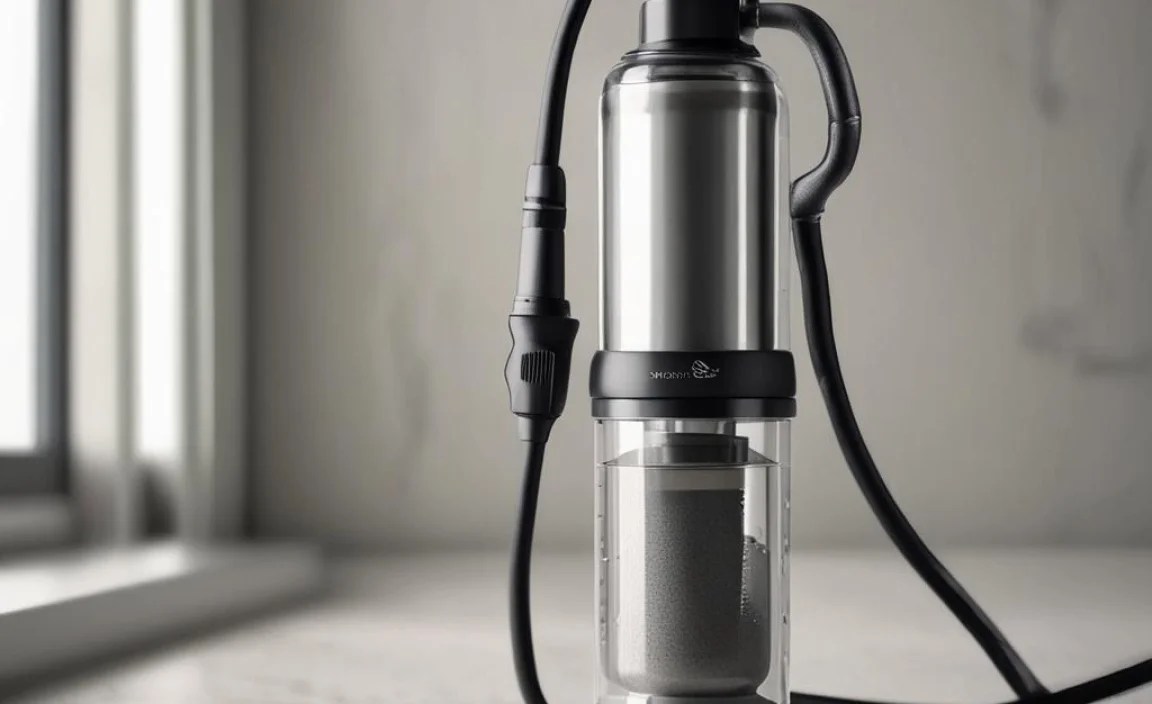
What does it mean for a pump to be dynamic? The dynamic pump definition centers on its ability to adapt. These pumps don’t just run at one set speed. They can change their speed and output. This adaptability makes them useful in many situations. Imagine a pump used to cool a machine. Sometimes the machine is hot and needs a lot of cooling. Other times, it is cooler and needs less. A dynamic pump can adjust to these changes. It provides more coolant when needed and less when not. This saves energy and reduces wear on the pump. Dynamic pumps are also used in water systems. They can adjust to changes in demand. This keeps the water pressure steady, even when many people are using water at the same time.
- Dynamic pumps adjust to system needs.
- They save energy by changing speed.
- These pumps reduce wear and tear.
- They maintain steady pressure in systems.
- Dynamic pumps are versatile and efficient.
The key to a dynamic pump is its control system. This system monitors the needs of the application. It then adjusts the pump’s speed accordingly. This adjustment is often done with a variable frequency drive (VFD). The VFD controls the motor that drives the pump. By changing the frequency of the power to the motor, the VFD can change the motor’s speed. This allows the pump to operate at different speeds. This precise control is what makes a dynamic pump so effective. It ensures that the pump is always working at its optimal point. This improves efficiency and extends the life of the pump.
Fun Fact or Stat: Did you know that using dynamic pumps can reduce energy consumption by up to 50% compared to traditional pumps?
What Makes a Pump Dynamic?
Have you ever wondered how a pump can change its output? It’s all about control. Dynamic pumps use special motors and controls. These allow them to adjust their speed. Think of it like a car. You don’t always drive at the same speed. You speed up or slow down as needed. Dynamic pumps do the same thing. They change their speed to match the demand. This is very different from older pumps. Older pumps often ran at one speed. They wasted energy when full power wasn’t needed. Dynamic pumps are smarter. They use sensors to detect changes in the system. Then, they adjust their speed to meet those changes. This makes them more efficient and saves energy.
How Does a VFD Control a Pump?
Imagine you have a volume knob on a radio. You can turn it up or down to change the sound. A variable frequency drive, or VFD, is like that knob for a pump’s motor. It controls the frequency of the electricity going to the motor. Changing the frequency changes the motor’s speed. This directly affects how much liquid the pump moves. A VFD allows very precise control. It can speed up or slow down the pump smoothly. This is important for maintaining consistent pressure and flow. Without a VFD, the pump would run at one speed. It would be like a radio stuck on one volume. The VFD makes the pump adaptable and efficient.
What Are the Benefits of Dynamic Control?
Why should we use dynamic pumps? The main reason is efficiency. Dynamic pumps save energy. They only use the power they need. This reduces electricity bills. It also helps the environment. Another benefit is better control. Dynamic pumps keep pressure and flow consistent. This is important for many applications. For example, in a water system, consistent pressure means everyone gets the water they need. Dynamic pumps also last longer. They don’t work as hard when demand is low. This reduces wear and tear. It extends the life of the pump. Overall, dynamic pumps are a smart choice. They save money, improve performance, and last longer.
Fun Fact or Stat: Variable Frequency Drives (VFDs) used with dynamic pumps can extend the lifespan of a motor by up to 30%!
Dynamic Pump Applications in Industry

Dynamic pumps are used in many different industries. They are helpful where needs change often. Think about a water treatment plant. The amount of water needed changes throughout the day. Early in the morning, demand is low. As people wake up and start their day, demand increases. A dynamic pump can adjust to these changes. It pumps more water when needed and less when not. This saves energy and keeps the water pressure steady. Dynamic pumps are also used in heating and cooling systems. They adjust to changes in temperature. This keeps buildings comfortable while saving energy. Factories use dynamic pumps for many processes. They can control the flow of liquids precisely. This is important for making products correctly.
- Water treatment plants use dynamic pumps.
- Heating and cooling systems benefit from them.
- Factories use them for precise control.
- They are used in irrigation systems.
- Dynamic pumps are ideal for variable demand.
One common application is in irrigation. Farmers use dynamic pumps to water their crops. The amount of water needed depends on the weather and the type of crop. A dynamic pump can adjust to these changes. It provides the right amount of water at the right time. This helps the crops grow healthy and strong. It also saves water, which is important in dry areas. Another use is in swimming pools. Dynamic pumps circulate the water and keep it clean. They can adjust the flow rate depending on how many people are swimming. This saves energy and keeps the pool water sparkling. Overall, dynamic pumps are very versatile. They can be used in many different ways to save energy and improve performance.
Fun Fact or Stat: Dynamic pumps in irrigation systems can reduce water usage by up to 20% while improving crop yields!
Water Treatment Applications
Have you ever wondered how clean water gets to your home? Water treatment plants use many pumps. Some of these are dynamic pumps. They help control the flow of water through the plant. The amount of water that needs to be treated changes. It depends on the time of day and the season. Dynamic pumps can adjust to these changes. They ensure that the plant always treats the right amount of water. This keeps the water clean and safe to drink. Dynamic pumps also help save energy. They don’t run at full speed when demand is low. This reduces the cost of treating water. It also helps protect the environment.
Heating and Cooling Systems
Imagine your house is too hot in the summer. You turn on the air conditioner. The air conditioner uses a pump to circulate coolant. This coolant removes heat from the air. Dynamic pumps can make this process more efficient. They adjust the flow of coolant based on the temperature. If it’s very hot, the pump runs faster. If it’s cooler, the pump runs slower. This saves energy and keeps your house comfortable. The same idea applies to heating systems in the winter. Dynamic pumps circulate hot water or steam. They adjust the flow based on the temperature. This keeps your house warm without wasting energy.
Industrial Process Control
Think about a factory that makes soda. They need to mix ingredients precisely. They use pumps to move liquids from one place to another. Dynamic pumps are very useful in this process. They can control the flow of liquids very accurately. This ensures that the soda is made correctly. Dynamic pumps can also adjust to changes in the process. For example, if the factory is making more soda, the pumps can speed up. If they are making less, the pumps can slow down. This keeps the process running smoothly and efficiently. It also helps the factory save money on energy.
Fun Fact or Stat: Over 60% of new industrial pump installations now use dynamic pumps for improved efficiency and control.
Benefits of Variable Speed Pumping

What are the real benefits of using pumps that can change speed? Dynamic pumps offer many advantages. One big benefit is energy savings. Pumps often run at full speed. This uses a lot of power, even when not needed. Variable speed pumps adjust to the actual demand. They slow down when less flow is needed. This saves a lot of energy. Another benefit is reduced wear and tear. When pumps run at full speed all the time, they wear out faster. Variable speed pumps run slower when possible. This extends their lifespan. They also create less noise. Pumps running at full speed can be very loud. Variable speed pumps are much quieter at lower speeds. This makes the workplace more pleasant.
- They save significant energy.
- Pumps last longer with variable speed.
- They reduce noise levels in operations.
- They improve system control.
- Variable speed avoids water hammer.
Variable speed pumping also improves system control. You can adjust the flow and pressure very precisely. This is important in many applications. For example, in a water system, it keeps the pressure consistent. This prevents problems like water hammer. Water hammer is when the water pressure suddenly spikes. This can damage pipes and equipment. Variable speed pumps can ramp up and down smoothly. This avoids sudden changes in pressure. They also reduce maintenance costs. Because they last longer and are easier on the system, they need less repair. Overall, variable speed pumping offers many great benefits.
Fun Fact or Stat: Variable speed pumps can reduce water hammer incidents by up to 80% in water distribution systems.
Energy Savings Explained
How do dynamic pumps save so much energy? It’s all about how pumps work. Traditional pumps often run at a constant speed. They use the same amount of energy whether you need a lot of flow or just a little. Dynamic pumps are different. They can change their speed to match the demand. If you only need half as much flow, the pump can slow down. This reduces the amount of energy it uses. The energy savings can be very significant. In some cases, dynamic pumps can save up to 50% of the energy compared to traditional pumps. This can save a lot of money on electricity bills. It also helps reduce your carbon footprint.
Reduced Wear and Tear
Imagine running a race. If you sprint the whole time, you’ll get tired quickly. But if you pace yourself, you can run much farther. Dynamic pumps work the same way. Traditional pumps run at full speed all the time. This puts a lot of stress on the pump components. Dynamic pumps run slower when possible. This reduces the stress on the pump. It also reduces the wear and tear on the bearings, seals, and other parts. This means that the pump will last longer. You won’t have to replace it as often. This saves you money on maintenance and replacement costs.
Lower Noise Levels
Have you ever been near a pump that’s running at full speed? They can be very noisy. This noise can be annoying and even harmful to your hearing. Dynamic pumps can help reduce noise levels. When they are running at lower speeds, they make much less noise. This can make the workplace more pleasant. It can also help protect workers from hearing damage. Some dynamic pumps are also designed with special features to reduce noise. These features include vibration dampeners and sound enclosures. These can further reduce the noise levels produced by the pump.
Fun Fact or Stat: Dynamic pumps running at lower speeds can reduce noise pollution by as much as 15 decibels!
Components of a Dynamic Pumping System
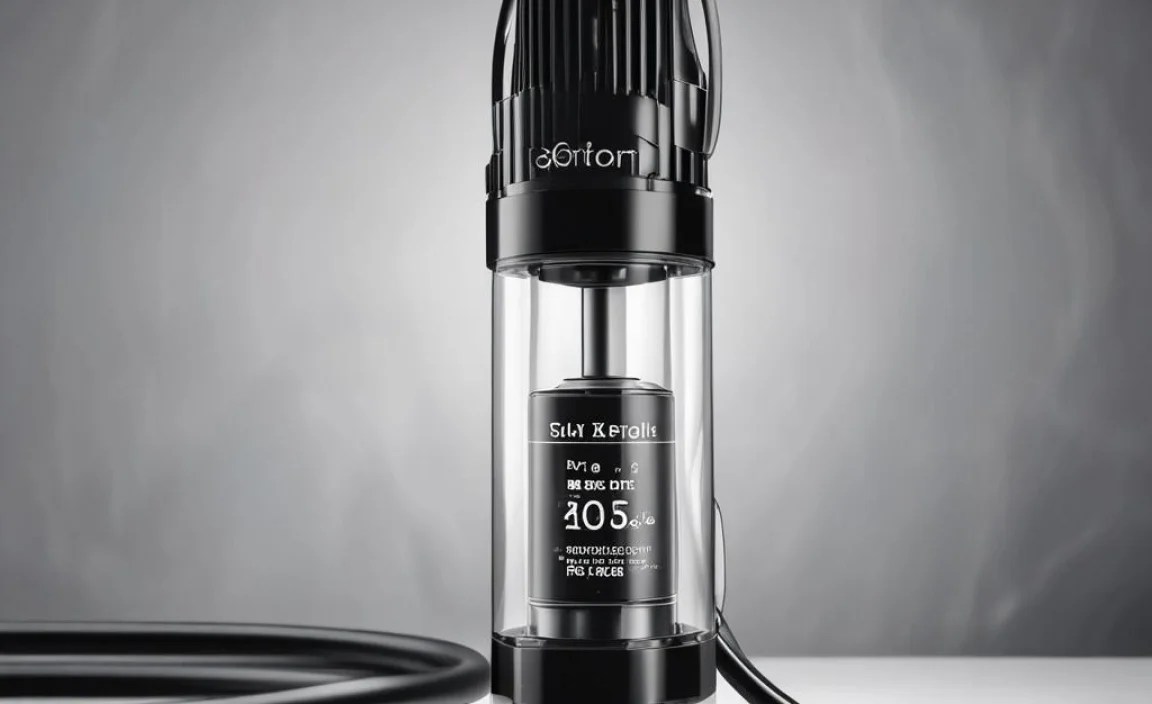
What parts make up a dynamic pump system? Several key parts work together. First, there’s the pump itself. This is what moves the liquid. The pump is usually driven by an electric motor. Next is the variable frequency drive (VFD). The VFD controls the speed of the motor. It adjusts the frequency of the power going to the motor. This changes the motor’s speed. Sensors are also important. They measure things like pressure, flow, and temperature. These sensors send information to the control system. The control system uses this information to adjust the pump’s speed. Finally, there’s the control panel. This is where you can monitor and control the system.
- The pump moves the liquid.
- The motor drives the pump.
- VFD controls the motor speed.
- Sensors measure system conditions.
- The control panel monitors the system.
The pump is the heart of the system. It must be sized correctly for the application. The motor must also be matched to the pump. The VFD is a crucial component. It allows for precise control of the pump’s speed. The sensors provide feedback to the control system. This feedback is essential for maintaining stable operation. The control system uses sophisticated algorithms. These algorithms optimize the pump’s performance. The control panel provides a user interface. This interface allows operators to monitor and adjust the system. All these components work together to create a dynamic pumping system.
Fun Fact or Stat: A well-designed dynamic pumping system can improve overall process efficiency by up to 25%!
The Role of the Pump
Have you ever thought about what a pump actually does? It’s a simple machine with a big job. The pump moves liquids from one place to another. It uses a rotating impeller or other mechanism. This creates pressure that pushes the liquid forward. The pump must be strong and reliable. It needs to handle different types of liquids. It also needs to operate under different conditions. The pump is the most important part of the dynamic pumping system. Without it, the system wouldn’t work at all. Choosing the right pump is crucial for the system’s success.
Understanding the VFD
Imagine you’re driving a car. You use the gas pedal to control the speed. A VFD is like the gas pedal for a pump’s motor. It controls the amount of power going to the motor. By changing the frequency of the power, it changes the motor’s speed. This allows the pump to run at different speeds. A VFD is a complex electronic device. It uses sophisticated technology to control the motor. It also protects the motor from damage. A good VFD is essential for a dynamic pumping system. It allows the system to operate efficiently and reliably.
Importance of Sensors
Why are sensors so important in a dynamic pumping system? They provide information about the system’s performance. They measure things like pressure, flow, and temperature. This information is sent to the control system. The control system uses this information to adjust the pump’s speed. Without sensors, the control system wouldn’t know what’s happening in the system. It wouldn’t be able to make accurate adjustments. Sensors are like the eyes and ears of the system. They help the system operate efficiently and safely.
Fun Fact or Stat: Advanced sensors in dynamic pumping systems can detect anomalies and predict maintenance needs with up to 90% accuracy.
Maintenance and Troubleshooting

How do you keep dynamic pumps running smoothly? Regular maintenance is key. Check the pump for leaks. Make sure the motor is running properly. Inspect the VFD for any problems. Clean the sensors to ensure accurate readings. Lubricate the moving parts of the pump. Keep the area around the pump clean and free of debris. If you notice any problems, address them quickly. Small problems can become big problems if they are ignored. Proper maintenance will extend the life of your dynamic pump. It will also ensure that it operates efficiently.
- Check for leaks regularly.
- Inspect the motor and VFD.
- Clean the sensors often.
- Lubricate moving parts properly.
- Address problems quickly.
Troubleshooting is also important. If the pump isn’t working correctly, you need to figure out why. Start by checking the power supply. Make sure the pump is getting electricity. Check the VFD for any error codes. These codes can help you identify the problem. Check the sensors to make sure they are working correctly. If the pump is making unusual noises, it could indicate a problem with the bearings or impeller. Consult the pump’s manual for troubleshooting tips. If you can’t fix the problem yourself, call a qualified technician.
Fun Fact or Stat: Regular maintenance can reduce the chances of pump failure by up to 60%!
Common Maintenance Tasks
What are some common tasks you need to do to keep your dynamic pump in good shape? One important task is lubrication. The moving parts of the pump need to be lubricated regularly. This reduces friction and wear. Another task is cleaning. Keep the pump and its surroundings clean. This prevents dirt and debris from damaging the pump. You should also check the seals. Seals prevent leaks. If you see any leaks, replace the seals immediately. Finally, inspect the motor. Make sure it’s running smoothly and not overheating.
Troubleshooting Tips
Imagine your dynamic pump stops working. What do you do? First, check the power. Is the pump getting electricity? Next, check the VFD. Does it show any error codes? These codes can help you identify the problem. Also, check the sensors. Are they working correctly? If the pump is making strange noises, there could be a problem with the bearings. Check the pump’s manual for more tips. If you can’t fix it, call a professional.
When to Call a Professional
When should you call a professional for help with your dynamic pump? If you’re not comfortable working with electricity, always call a professional. Also, if you can’t identify the problem, it’s best to get expert help. Some problems require special tools and knowledge. Trying to fix these problems yourself could make them worse. A qualified technician can diagnose and repair the pump quickly and safely. This will save you time and money in the long run.
Fun Fact or Stat: Hiring a professional for pump maintenance can save up to 30% in repair costs compared to DIY attempts.
Future Trends in Dynamic Pumping
What does the future hold for dynamic pumps? Technology is always improving. Expect to see even more efficient pumps. New materials will make pumps lighter and stronger. Smart sensors will provide more data. This data will help optimize pump performance. Wireless technology will allow for remote monitoring and control. Artificial intelligence (AI) will play a bigger role. AI will analyze data and make adjustments automatically. This will further improve efficiency and reliability. Expect to see dynamic pumps used in even more applications.
| Trend | Description | Benefit |
|---|---|---|
| Improved Efficiency | New designs reduce energy use. | Lower operating costs. |
| Smart Sensors | Sensors provide detailed data. | Optimized performance. |
| Wireless Technology | Remote monitoring and control. | Convenient management. |
| Artificial Intelligence | AI automates adjustments. | Enhanced reliability. |
One exciting trend is the development of self-healing pumps. These pumps will be able to detect and repair damage automatically. This will greatly reduce maintenance costs. Another trend is the use of 3D printing. 3D printing will allow for the creation of custom pump designs. This will make it easier to optimize pumps for specific applications. The future of dynamic pumping is bright. Expect to see many exciting innovations in the years to come. These innovations will make pumps more efficient, reliable, and versatile.
Fun Fact or Stat: The market for smart pumps is expected to grow by 15% annually over the next five years, driven by demand for energy efficiency and remote monitoring.
New Materials and Designs
How will new materials change dynamic pumps? Stronger, lighter materials will make pumps more efficient. They will also last longer. New designs will reduce friction and improve flow. This will further improve efficiency. Some pumps will be made from composite materials. These materials are strong and resistant to corrosion. Other pumps will use advanced coatings. These coatings will reduce wear and tear. New materials and designs will make dynamic pumps even better.
The Role of Smart Sensors
Imagine a pump that can tell you when it needs maintenance. Smart sensors make this possible. They collect data about the pump’s performance. This data is sent to a computer for analysis. The computer can identify potential problems. It can also predict when the pump will need maintenance. This allows you to schedule maintenance before the pump fails. Smart sensors can save you time and money. They also help prevent unexpected downtime. They are an important part of the future of dynamic pumping.
AI and Automation
What if a pump could adjust itself automatically? AI can make this happen. AI can analyze data from sensors. It can then make adjustments to the pump’s speed. This optimizes the pump’s performance. AI can also learn from past performance. It can use this knowledge to improve future performance. AI and automation will make dynamic pumps even more efficient and reliable. They will also reduce the need for human intervention. This will save time and money.
Fun Fact or Stat: AI-powered dynamic pumping systems can reduce energy waste by up to 20% compared to traditional control methods.
Choosing the Right Dynamic Pump
How do you pick the best dynamic pump for your needs? First, think about what you need the pump to do. What kind of liquid will it be pumping? How much liquid do you need to pump? What pressure do you need? Consider the operating conditions. Will the pump be used indoors or outdoors? What is the temperature range? What is the humidity level? Look at different pump types. Centrifugal pumps are common. Positive displacement pumps are used for thick liquids. Submersible pumps are used underwater. Compare different brands and models. Read reviews and ask for recommendations. Choose a pump that is reliable and efficient.
- Determine your flow and pressure needs.
- Consider the type of liquid pumped.
- Evaluate operating conditions.
- Compare different pump types.
- Read reviews and get recommendations.
- Check pump efficiency ratings.
Efficiency is very important. Look for pumps with high efficiency ratings. This will save you money on energy costs. Consider the cost of maintenance. Some pumps are easier to maintain than others. Choose a pump that is easy to service. Think about the lifespan of the pump. Some pumps last longer than others. Choose a pump that is durable and reliable. Get expert advice. Talk to a pump specialist. They can help you choose the right pump for your application. Selecting the right pump is essential for optimal performance.
Fun Fact or Stat: Selecting an energy-efficient dynamic pump can reduce your electricity bill by up to 40% over the pump’s lifespan.
Understanding Your Needs
Before you buy a dynamic pump, think about what you need it for. What kind of liquid will you be pumping? Is it water, oil, or something else? How much liquid do you need to pump each minute or hour? What pressure do you need to maintain? Understanding your needs is the first step in choosing the right pump. Write down your requirements. This will help you compare different pumps. It will also help you communicate your needs to a pump specialist.
Comparing Pump Types
There are many different types of pumps. Centrifugal pumps are common for water and other thin liquids. Positive displacement pumps are good for thick liquids. Submersible pumps can be placed underwater. Each type of pump has its advantages and disadvantages. Research different pump types. Find out which one is best for your application. Talk to a pump specialist for advice. They can help you choose the right type of pump.
Getting Expert Advice
Choosing a dynamic pump can be complicated. There are many factors to consider. It’s a good idea to get expert advice. Talk to a pump specialist. They can help you understand your needs. They can also recommend the best pump for your application. A pump specialist can answer your questions. They can also provide you with valuable information. Getting expert advice can save you time and money. It can also help you avoid making mistakes.
Fun Fact or Stat: Consulting with a pump specialist can reduce the risk of selecting the wrong pump by up to 50%.
Summary
Dynamic pumps are pumps that can change their speed and output. This is different from traditional pumps. Traditional pumps usually run at one set speed. The dynamic pump definition includes the ability to adjust to changing needs. These pumps use variable frequency drives (VFDs) to control their speed. This allows them to save energy and reduce wear and tear. They are used in many different industries. These industries include water treatment, heating and cooling, and manufacturing. They offer many benefits.
These benefits include energy savings, reduced maintenance, and improved control. Choosing the right dynamic pump is important. You need to consider your specific needs and requirements. Regular maintenance is also essential. This will help keep your dynamic pump running smoothly. The future of dynamic pumping is bright. Expect to see even more efficient and reliable pumps in the years to come.
Conclusion
Dynamic pumps are a smart choice for many applications. They offer many benefits over traditional pumps. These benefits include energy savings, reduced wear, and improved control. Understanding the dynamic pump definition helps you appreciate their versatility. By choosing the right pump and maintaining it properly, you can save money and improve performance. Dynamic pumps are an important part of modern technology.
Frequently Asked Questions
Question No 1: What exactly is the dynamic pump definition?
Answer: The dynamic pump definition refers to a pump that can adjust its flow rate or pressure output based on the demands of the system it serves. Unlike traditional pumps that operate at a constant speed, dynamic pumps use variable speed drives (VFDs) to control the motor’s speed. This allows them to increase or decrease the flow rate as needed, saving energy and improving system efficiency. The key characteristic is their ability to adapt in real-time to changing conditions.
Question No 2: How do dynamic pumps save energy?
Answer: Dynamic pumps save energy by adjusting their speed to match the system’s demand. Traditional pumps often run at full speed, even when only a fraction of their capacity is needed. This wastes energy. Dynamic pumps, equipped with VFDs, can slow down when demand is low. This reduces the amount of energy consumed. The relationship between pump speed and energy consumption is not linear. Even a small reduction in speed can lead to significant energy savings.
Question No 3: What are some common applications of dynamic pumps?
Answer: Dynamic pumps are used in a variety of applications. These applications include water treatment plants, HVAC systems, irrigation, and industrial processes. In water treatment, they maintain consistent water pressure while adjusting to changing demand. In HVAC, they regulate coolant flow based on temperature. In irrigation, they provide the right amount of water to crops. In industrial settings, they control the flow of liquids in manufacturing processes. The versatility of dynamic pumps makes them suitable for many different industries.
Question No 4: What is a variable frequency drive (VFD)?
Answer: A variable frequency drive (VFD) is a device that controls the speed of an electric motor. It does this by changing the frequency of the electrical power supplied to the motor. By adjusting the frequency, the VFD can precisely control the motor’s speed. This allows the pump connected to the motor to operate at different speeds. VFDs are essential components of dynamic pumping systems. They are what make it possible for the pump to adjust its output based on demand. The VFD is key to understanding the dynamic pump definition.
Question No 5: How do I maintain a dynamic pump?
Answer: Maintaining a dynamic pump involves several key steps. Regularly check for leaks around the pump and pipes. Inspect the motor and VFD for any signs of damage or wear. Clean the sensors to ensure accurate readings. Lubricate moving parts according to the manufacturer’s recommendations. Address any problems promptly to prevent them from escalating. Proper maintenance will extend the life of your dynamic pump and ensure efficient operation. Following the manufacturer’s guidelines for maintenance is always a good practice.
Question No 6: What are the benefits of using dynamic pumps over traditional pumps?
Answer: Dynamic pumps offer several benefits over traditional pumps. They save energy by adjusting their speed to match demand. They reduce wear and tear on the pump and motor. This extends their lifespan. They improve system control by maintaining consistent pressure and flow. They also reduce noise levels compared to pumps running at full speed. These benefits make dynamic pumps a cost-effective and environmentally friendly choice for many applications. When considering the dynamic pump definition, these benefits are important to remember.


