
Pump Body Types: The Powerful Guide You Need

Quick Summary: Bike pump bodies come in a few main types: steel, aluminum, and plastic. Steel is tough and lasts long, aluminum is lighter and resists rust, and plastic is the cheapest but least durable. Choosing the right one depends on how often you pump and how much you want to spend. Knowing the differences helps you pick a pump that fits your needs and lasts for years.
Ever wonder why some bike pumps feel like they’ll last forever, while others break after just a few uses? It often comes down to the pump body type. Picking the right pump can be confusing, but it doesn’t have to be! The material used for the pump’s body affects its weight, durability, and how well it resists rust. Let’s break down the main types and help you choose the best one for your bike.
Understanding Bike Pump Body Types

The pump body is the main structure of your bike pump. It houses the inner parts that create air pressure. The material used affects how the pump feels to use, how long it lasts, and even how easy it is to carry around. Let’s look at the most common types.
Steel Pump Bodies
Steel is a strong and reliable choice for bike pumps. It’s known for its durability and ability to withstand wear and tear. Steel pumps are often found in workshops and home garages because they can handle lots of use.
Pros of Steel Pump Bodies:
- Durability: Steel pumps can last for many years, even with regular use.
- Strength: They can handle high pressures without bending or breaking.
- Stability: Steel pumps are usually heavier, which makes them stable and easy to use on the ground.
Cons of Steel Pump Bodies:
- Weight: Steel is heavier than aluminum or plastic, which can make them less ideal for carrying on rides.
- Rust: Steel can rust if not properly cared for, especially in wet conditions.
Best for: Home use, workshops, and anyone who values durability over weight.
Aluminum Pump Bodies
Aluminum is a lighter alternative to steel. It offers a good balance of durability and portability. Aluminum pumps are popular among cyclists who want a reliable pump that’s easy to carry.
Pros of Aluminum Pump Bodies:
- Lightweight: Aluminum is much lighter than steel, making it easier to carry in a backpack or on your bike.
- Rust Resistance: Aluminum doesn’t rust, which makes it a good choice for wet conditions.
- Durability: While not as strong as steel, aluminum is still durable enough for regular use.
Cons of Aluminum Pump Bodies:
- Cost: Aluminum pumps are generally more expensive than steel or plastic pumps.
- Strength: Aluminum can bend or break under extreme pressure or stress.
Best for: Cyclists who want a balance of durability and portability, and those who ride in wet conditions.
Plastic Pump Bodies
Plastic is the most affordable option for bike pump bodies. Plastic pumps are lightweight and inexpensive, making them a popular choice for occasional use or as a backup pump.
Pros of Plastic Pump Bodies:
- Cost: Plastic pumps are the cheapest option.
- Lightweight: Plastic is very light, making these pumps easy to carry.
- Rust Resistance: Plastic doesn’t rust.
Cons of Plastic Pump Bodies:
- Durability: Plastic is the least durable material and can break easily.
- Strength: Plastic pumps may struggle to reach high pressures.
Best for: Occasional use, as a backup pump, or for cyclists on a tight budget.
Comparing Pump Body Types: A Detailed Look

To make your decision easier, here’s a table comparing the key features of each pump body type:
| Feature | Steel | Aluminum | Plastic |
|---|---|---|---|
| Durability | Excellent | Good | Fair |
| Weight | Heavy | Light | Very Light |
| Cost | Low to Moderate | Moderate to High | Low |
| Rust Resistance | Poor (requires maintenance) | Excellent | Excellent |
| Best Use | Home, Workshop | Everyday Riding, Portability | Backup, Occasional Use |
How to Choose the Right Pump Body Type

Choosing the right pump body type depends on your specific needs and priorities. Here’s a step-by-step guide to help you make the best decision.
Step 1: Consider Your Riding Style
Think about how often you ride and the conditions you typically encounter. If you’re a daily commuter or a serious cyclist, you’ll need a more durable pump than someone who only rides occasionally. Also, consider if you frequently ride in wet or humid environments.
- Frequent Riders: Steel or Aluminum
- Occasional Riders: Plastic or Aluminum
- Wet Conditions: Aluminum or Plastic
Step 2: Think About Portability
Do you need to carry your pump with you on rides? If so, weight is an important factor. A lightweight pump won’t weigh you down, making your ride more enjoyable. Mini pumps are great for on-the-go inflation, but can take more effort than floor pumps.
- Need Portability: Aluminum or Plastic
- Don’t Need Portability: Steel
Step 3: Set a Budget
Pump prices can vary widely depending on the material and features. Set a budget before you start shopping to narrow down your options. Remember that investing in a higher-quality pump can save you money in the long run by avoiding frequent replacements.
- Tight Budget: Plastic or Steel
- Flexible Budget: Aluminum
Step 4: Evaluate Durability Needs
Consider how much wear and tear your pump will experience. If you’re using it in a workshop or sharing it with multiple people, a durable steel pump is a good choice. If you’re just using it occasionally at home, a plastic or aluminum pump may suffice. Check independent tests, like those run by BikeRadar, for specific pump reviews.
- High Durability Needed: Steel
- Moderate Durability Needed: Aluminum
- Low Durability Needed: Plastic
Step 5: Check the Pump Features
Besides the body material, consider other features like the pump head (Presta or Schrader valve compatibility), pressure gauge, and handle design. These features can affect how easy and efficient the pump is to use. A pump head that easily switches between Presta and Schrader valves is super handy.
Maintaining Your Bike Pump
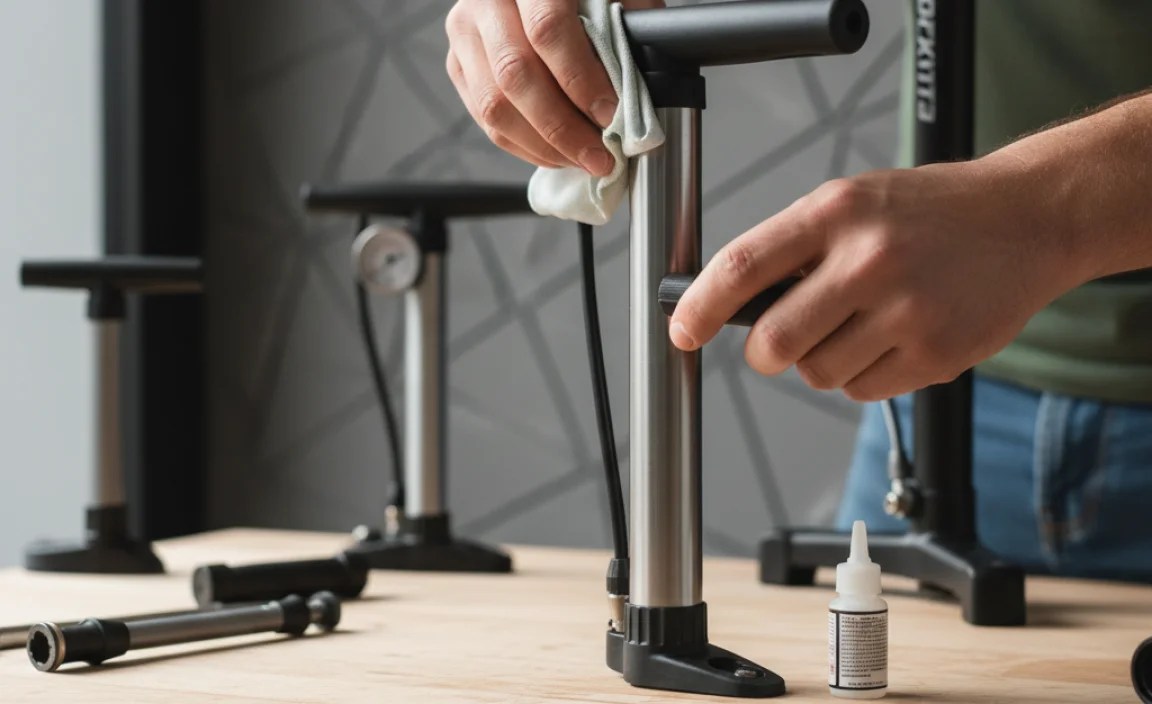
No matter which pump body type you choose, proper maintenance is key to prolonging its life. Here are some tips to keep your pump in good working condition.
Cleaning
Regularly clean your pump to remove dirt and debris. Use a damp cloth to wipe down the exterior and a small brush to clean the pump head. Be sure to clean around the valve connector.
Lubrication
Lubricate the moving parts of your pump to keep them working smoothly. Use a silicone-based lubricant on the piston and seals. Avoid using oil-based lubricants, as they can attract dirt and grime.
Storage
Store your pump in a dry place to prevent rust and corrosion. Avoid leaving it exposed to the elements, especially if it has a steel body. Storing it indoors or in a shed can help extend its lifespan.
Replacing Parts
Over time, some parts of your pump may wear out and need to be replaced. Common replacement parts include the pump head, seals, and hoses. Check your pump regularly for signs of wear and replace parts as needed. Many manufacturers offer replacement part kits.
Specific Pump Recommendations by Body Type

Here are a few pump recommendations based on body type, considering different budgets and needs:
Steel Pump Recommendations
- Budget Pick: Topeak Transformer X – Known for its durability and stability.
- Premium Pick: Lezyne Classic Floor Drive – Offers excellent build quality and a smooth pumping action.
Aluminum Pump Recommendations
- Budget Pick: Serfas E-Lume E-Pump – A reliable and affordable option for everyday use.
- Premium Pick: Silca Pista – Renowned for its precision and durability.
Plastic Pump Recommendations
- Budget Pick: Pro Bike Tool Mini Bike Pump – Compact and lightweight, perfect for emergencies.
- Premium Pick: Lezyne Grip Drive HV – Despite its plastic construction, it offers decent performance and durability for its class.
Troubleshooting Common Pump Problems
Even with the best pump, you may encounter some common problems. Here’s how to troubleshoot them.
Pump Not Inflating Tire
- Check the pump head: Make sure it’s securely attached to the valve.
- Inspect the valve: Ensure the valve core is not loose or damaged.
- Look for leaks: Check the hose and connections for any signs of air leaks.
Pump is Hard to Push
- Lubricate the piston: Apply a silicone-based lubricant to the piston to reduce friction.
- Check for obstructions: Make sure there’s no dirt or debris inside the pump body.
Pressure Gauge Not Working
- Check the gauge connection: Ensure the gauge is properly connected to the pump body.
- Replace the gauge: If the gauge is damaged, it may need to be replaced.
FAQ About Bike Pump Body Types
Here are some frequently asked questions about bike pump body types.
What is the most durable bike pump body type?
Steel is the most durable bike pump body type. It can withstand a lot of wear and tear and is less likely to break under pressure.
Is aluminum a good material for bike pumps?
Yes, aluminum is a great material for bike pumps. It’s lightweight, rust-resistant, and durable enough for regular use.
Are plastic bike pumps worth buying?
Plastic bike pumps can be a good option for occasional use or as a backup pump. They are affordable and lightweight, but not as durable as steel or aluminum pumps.
How do I maintain a steel bike pump to prevent rust?
To prevent rust on a steel bike pump, store it in a dry place and regularly wipe it down with a damp cloth. You can also apply a thin layer of oil to protect it from moisture.
Can I replace the body of my bike pump?
In most cases, you cannot replace the entire body of your bike pump. However, you can often replace individual parts like the pump head, seals, and hoses.
What type of pump is best for high-pressure tires?
Steel or high-quality aluminum pumps are best for high-pressure tires. They are strong enough to handle the pressure without bending or breaking.
How does the pump body material affect pumping efficiency?
The pump body material affects pumping efficiency because a stiffer material (like steel or aluminum) minimizes energy loss due to flexing. This makes it easier to reach higher pressures with less effort.
Conclusion
Choosing the right bike pump body type is an important part of ensuring your tires are always properly inflated. Whether you prioritize durability, weight, or cost, understanding the differences between steel, aluminum, and plastic can help you make an informed decision. Remember to consider your riding style, budget, and maintenance habits when selecting a pump. With the right pump and proper care, you’ll be able to keep your tires inflated and enjoy smooth, safe rides for years to come. So, get pumping and enjoy the ride!


