High Pressure Pump Types: Powerful Guide for You

High-pressure pumps come in a few main types, each designed for specific jobs. The most common are piston pumps, known for their consistent pressure; plunger pumps, which handle thicker fluids; diaphragm pumps, great for sensitive materials; and centrifugal pumps, best for high-volume tasks. Choosing the right one depends on the pressure needed, the type of fluid, and how often you’ll use it.
Ever wondered how some machines create such intense pressure? It all comes down to the pump. High-pressure pumps are the workhorses behind many systems, from power washers to hydraulic lifts. But with so many types available, picking the right one can feel overwhelming. Don’t worry! This guide will break down the most common types of high-pressure pumps, explaining how they work and what they’re best suited for.
We’ll explore piston, plunger, diaphragm, and centrifugal pumps, highlighting their pros, cons, and typical applications. By the end, you’ll have a solid understanding of high-pressure pump types and be able to choose the right one for your needs. Let’s dive in!
Understanding High-Pressure Pumps
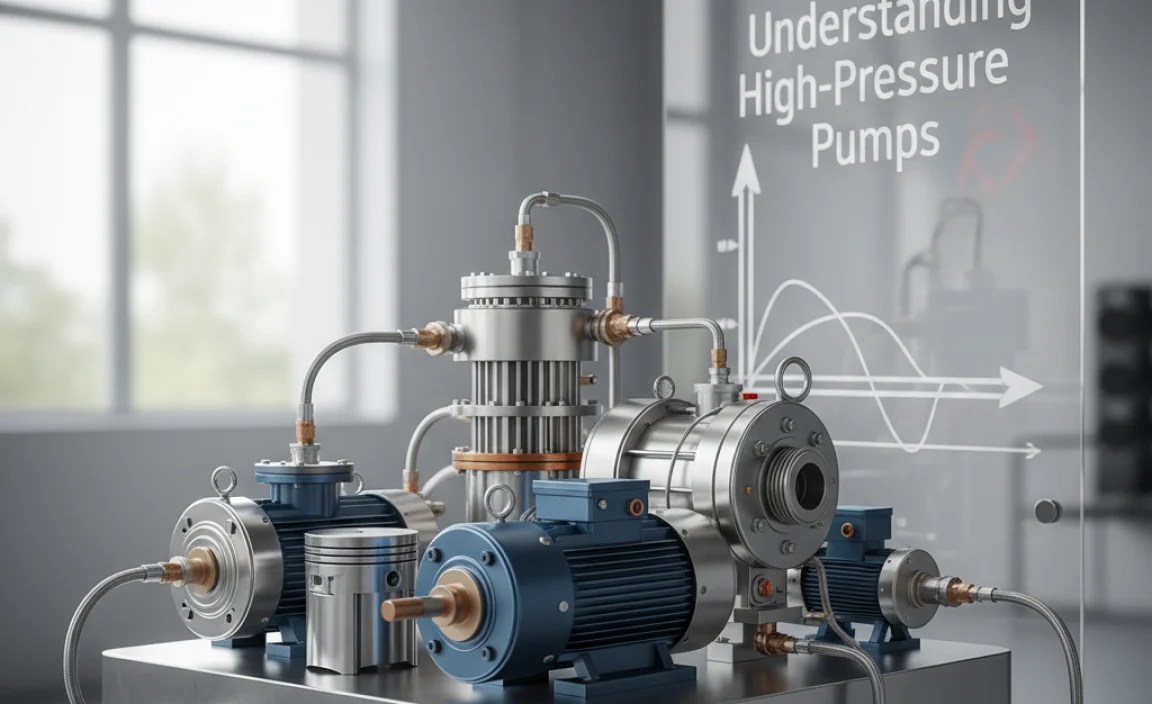
High-pressure pumps are designed to move fluids at significantly higher pressures than standard pumps. They achieve this through various mechanical designs, each offering unique advantages and disadvantages. Understanding these differences is crucial for selecting the right pump for a specific application. Pressure is typically measured in pounds per square inch (PSI) or bar. High-pressure pumps can often operate at pressures of 3,000 PSI or higher, depending on the design and materials used.
Key Components of a High-Pressure Pump
While specific designs vary, most high-pressure pumps share some common components:
- Drive Mechanism: This could be an electric motor, engine, or other power source that drives the pump’s internal mechanisms.
- Pumping Chamber: This is where the fluid is compressed. It might be a cylinder with a piston, a flexible diaphragm, or a rotating impeller.
- Valves: Inlet and outlet valves control the flow of fluid into and out of the pumping chamber, ensuring one-way movement.
- Seals: High-pressure environments demand robust seals to prevent leaks.
- Fluid End: The part of the pump that comes into contact with the fluid being pumped.
Types of High-Pressure Pumps

Let’s explore the most common types of high-pressure pumps in detail:
1. Piston Pumps
Piston pumps are positive displacement pumps that use a piston moving back and forth within a cylinder to create pressure. As the piston retracts, it draws fluid into the cylinder. As it advances, it forces the fluid out at high pressure through an outlet valve.
How Piston Pumps Work
- Intake Stroke: The piston moves backward, creating a vacuum that draws fluid into the cylinder through the inlet valve.
- Compression Stroke: The piston moves forward, closing the inlet valve and forcing the fluid out through the outlet valve.
- Reciprocation: This cycle repeats continuously, providing a consistent flow of high-pressure fluid.
Advantages of Piston Pumps
- High Pressure Capability: Piston pumps can generate very high pressures, making them suitable for demanding applications.
- Consistent Flow: They provide a relatively constant flow rate, even at high pressures.
- Efficiency: Piston pumps are generally efficient in converting mechanical energy into fluid power.
Disadvantages of Piston Pumps
- Pulsation: The reciprocating motion can create pulsations in the flow, which may require dampeners in some applications.
- Complexity: Piston pumps tend to be more complex in design than some other types of pumps, potentially increasing maintenance requirements.
- Cost: They can be more expensive than other types of pumps due to their intricate construction.
Applications of Piston Pumps
- Hydraulic Systems: Used in hydraulic presses, lifts, and other heavy machinery.
- Oil and Gas Industry: For injecting chemicals, pumping crude oil, and other high-pressure tasks.
- Water Jet Cutting: Providing the high-pressure water needed to cut through various materials.
2. Plunger Pumps
Plunger pumps are similar to piston pumps, but instead of a piston with seals along its length, they use a cylindrical plunger that slides through a stationary seal. This design allows them to handle thicker, more abrasive fluids than piston pumps.
How Plunger Pumps Work
- Suction Stroke: The plunger retracts, creating a vacuum that draws fluid into the cylinder through the inlet valve.
- Discharge Stroke: The plunger advances, closing the inlet valve and forcing the fluid out through the outlet valve at high pressure.
- Continuous Cycle: The reciprocating motion of the plunger ensures a continuous flow of fluid.
Advantages of Plunger Pumps
- Handles Abrasive Fluids: The design is more tolerant of abrasive particles in the fluid.
- High Pressure Capability: Like piston pumps, they can generate very high pressures.
- Durability: Plunger pumps tend to be durable and long-lasting.
Disadvantages of Plunger Pumps
- Pulsation: Similar to piston pumps, they can produce pulsations in the flow.
- Seal Wear: The seals can wear over time, especially when handling abrasive fluids.
- Cost: They can be relatively expensive.
Applications of Plunger Pumps
- Oil and Gas Industry: For pumping drilling mud and other abrasive fluids.
- Chemical Processing: Handling corrosive and abrasive chemicals.
- High-Pressure Cleaning: Power washing and industrial cleaning applications.
3. Diaphragm Pumps
Diaphragm pumps use a flexible diaphragm that moves back and forth to create pressure. The diaphragm is typically made of rubber, plastic, or Teflon and is driven by a connecting rod or hydraulic fluid. This design is ideal for pumping sensitive or hazardous fluids, as the fluid is completely isolated from the pump’s internal mechanisms.
How Diaphragm Pumps Work
- Suction Stroke: The diaphragm is pulled back, increasing the volume of the pumping chamber and drawing fluid in through the inlet valve.
- Discharge Stroke: The diaphragm is pushed forward, decreasing the volume of the pumping chamber and forcing fluid out through the outlet valve.
- Reciprocating Action: The back-and-forth motion of the diaphragm creates a continuous pumping action.
Advantages of Diaphragm Pumps
- Handles Sensitive Fluids: Ideal for pumping corrosive, abrasive, or shear-sensitive fluids.
- Leak-Free Design: The diaphragm provides a complete seal, preventing leaks.
- Dry Running Capability: Can operate without fluid without damage.
Disadvantages of Diaphragm Pumps
- Lower Pressure Capability: Typically generate lower pressures than piston or plunger pumps.
- Lower Flow Rate: Flow rates are generally lower compared to other types of high-pressure pumps.
- Diaphragm Wear: The diaphragm can wear out over time and need replacement.
Applications of Diaphragm Pumps
- Chemical Dosing: Precisely dispensing chemicals in water treatment and other processes.
- Pharmaceutical Industry: Handling sterile and sensitive fluids.
- Food and Beverage Industry: Pumping food products and beverages.
4. Centrifugal Pumps
Centrifugal pumps use a rotating impeller to create pressure. The impeller spins rapidly, drawing fluid into the pump and accelerating it outwards. This kinetic energy is then converted into pressure as the fluid exits the pump.
How Centrifugal Pumps Work
- Intake: Fluid enters the pump through the eye of the impeller.
- Acceleration: The rotating impeller blades accelerate the fluid outwards.
- Discharge: The high-velocity fluid is collected in the volute (a spiral-shaped casing) and discharged from the pump.
Advantages of Centrifugal Pumps
- High Flow Rate: Centrifugal pumps can deliver very high flow rates.
- Simple Design: They are relatively simple in design, making them easy to maintain.
- Cost-Effective: Generally less expensive than positive displacement pumps.
Disadvantages of Centrifugal Pumps
- Lower Pressure Capability: Typically generate lower pressures than positive displacement pumps.
- Performance Sensitive to Fluid Viscosity: Performance decreases with more viscous fluids.
- Require Priming: Usually need to be primed (filled with fluid) before starting.
Applications of Centrifugal Pumps
- Water Supply: Pumping water for irrigation, municipal water systems, and industrial processes.
- Cooling Systems: Circulating coolant in power plants, HVAC systems, and industrial equipment.
- Firefighting: Providing high-volume water flow for firefighting applications.
Comparing High-Pressure Pump Types
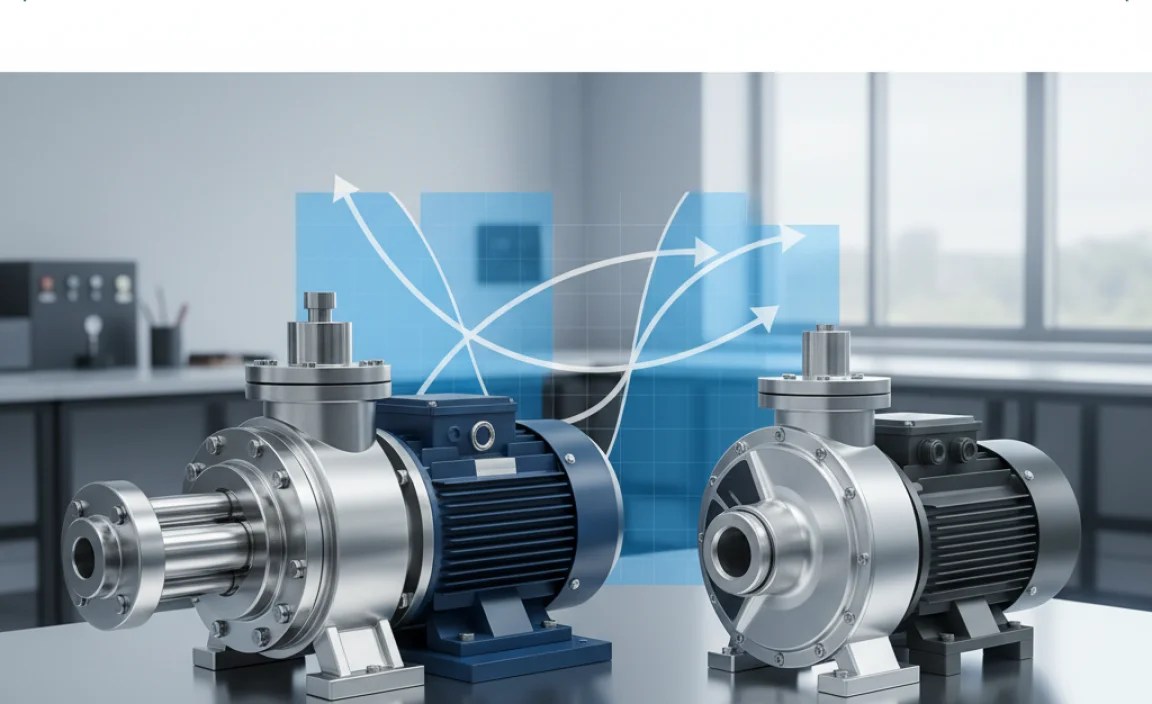
Here’s a table summarizing the key differences between the different types of high-pressure pumps:
| Pump Type | Pressure Capability | Flow Rate | Fluid Handling | Advantages | Disadvantages | Typical Applications |
|---|---|---|---|---|---|---|
| Piston Pump | Very High | Moderate | Clean Fluids | High pressure, consistent flow, efficient | Pulsation, complex design, higher cost | Hydraulic systems, oil and gas, water jet cutting |
| Plunger Pump | Very High | Moderate | Abrasive Fluids | Handles abrasive fluids, high pressure, durable | Pulsation, seal wear, higher cost | Oil and gas, chemical processing, high-pressure cleaning |
| Diaphragm Pump | Low to Moderate | Low | Sensitive Fluids | Handles sensitive fluids, leak-free, dry running capability | Lower pressure, lower flow rate, diaphragm wear | Chemical dosing, pharmaceuticals, food and beverage |
| Centrifugal Pump | Low to Moderate | Very High | Low Viscosity Fluids | High flow rate, simple design, cost-effective | Lower pressure, performance sensitive to viscosity, requires priming | Water supply, cooling systems, firefighting |
Factors to Consider When Choosing a High-Pressure Pump

Selecting the right high-pressure pump involves considering several factors:
- Pressure Requirements: Determine the maximum pressure needed for the application.
- Flow Rate: Calculate the required flow rate (volume of fluid per unit time).
- Fluid Type: Consider the viscosity, abrasiveness, and chemical compatibility of the fluid.
- Application: Understand the specific requirements of the application, such as continuous or intermittent operation.
- Budget: Set a budget and compare the costs of different pump types.
- Maintenance: Consider the ease of maintenance and availability of spare parts.
- Efficiency: Look for pumps with high energy efficiency to reduce operating costs.
Maintenance Tips for High-Pressure Pumps
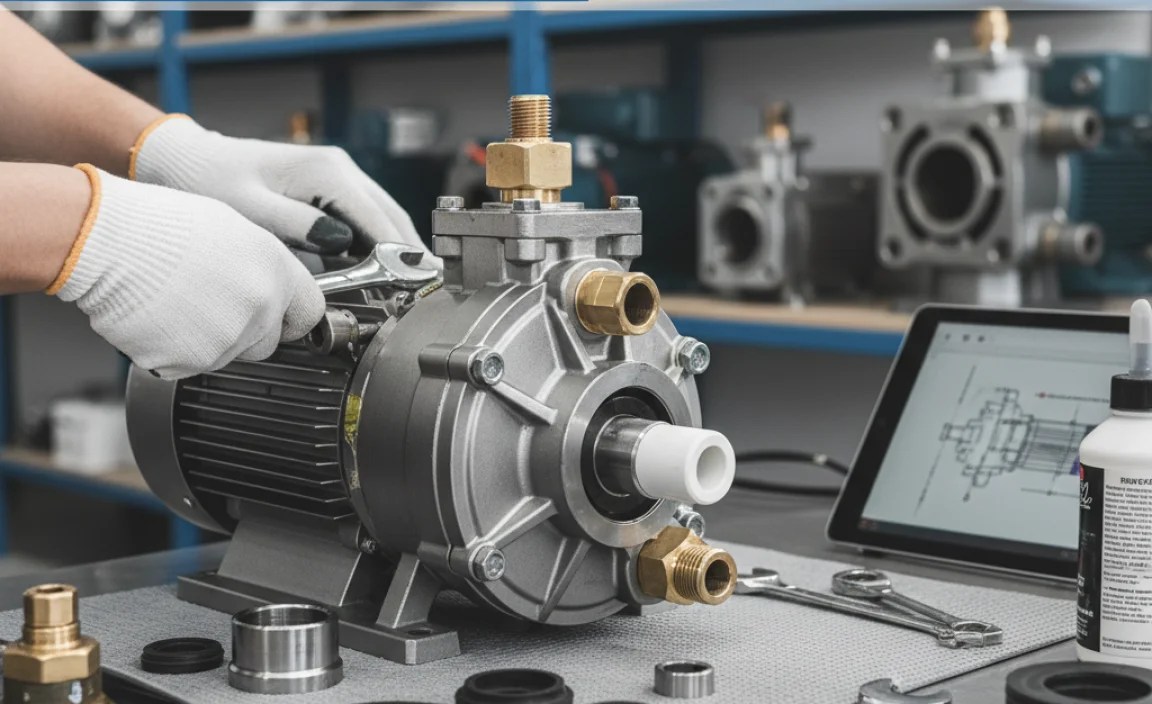
Proper maintenance is essential for ensuring the longevity and reliable operation of high-pressure pumps. Here are some general maintenance tips:
- Regular Inspections: Check for leaks, unusual noises, and vibrations.
- Lubrication: Follow the manufacturer’s recommendations for lubrication.
- Seal Replacement: Replace worn or damaged seals promptly.
- Fluid Filtration: Use filters to remove contaminants from the fluid.
- Pressure Relief Valves: Ensure pressure relief valves are functioning correctly to prevent over-pressurization.
- Proper Storage: Store pumps in a clean, dry environment when not in use.
- Professional Servicing: Schedule regular servicing by qualified technicians.
FAQ: High-Pressure Pump Types
Here are some frequently asked questions about high-pressure pumps:
What is the difference between a piston pump and a plunger pump?
Piston pumps use a piston with seals along its length, while plunger pumps use a cylindrical plunger that slides through a stationary seal. Plunger pumps are better suited for handling abrasive fluids.
Which type of pump is best for pumping corrosive chemicals?
Diaphragm pumps are ideal for pumping corrosive chemicals because the fluid is completely isolated from the pump’s internal mechanisms.
What is priming, and why is it necessary for centrifugal pumps?
Priming is the process of filling the pump casing with fluid before starting the pump. Centrifugal pumps need to be primed because they rely on the fluid to create a vacuum and draw more fluid into the pump.
How do I choose the right size high-pressure pump for my application?
Consider the pressure requirements, flow rate, and fluid type. Consult with a pump supplier or engineer to determine the appropriate pump size for your specific needs.
What are the signs of a failing high-pressure pump?
Signs of a failing high-pressure pump include leaks, unusual noises, reduced pressure, and decreased flow rate.
How often should I service my high-pressure pump?
The frequency of servicing depends on the pump type, operating conditions, and manufacturer’s recommendations. Regular inspections and preventative maintenance can help extend the life of your pump.
Can I use a centrifugal pump for high-pressure applications?
While centrifugal pumps excel at high flow rates, they generally don’t generate extremely high pressures compared to positive displacement pumps like piston or plunger pumps. For applications requiring very high pressure, a positive displacement pump is usually the better choice.
Conclusion
Choosing the right high-pressure pump depends on your specific needs. By understanding the different types of pumps available – piston, plunger, diaphragm, and centrifugal – and considering factors like pressure requirements, fluid type, and application, you can make an informed decision. Remember to prioritize regular maintenance to ensure long-lasting and reliable performance. With the right pump and proper care, you can tackle even the most demanding high-pressure tasks with confidence. Now get out there and put that pressure to work!