
How Long Should a Sump Pump Run Per Cycle? A Simple Guide

A sump pump typically runs for 1-3 minutes per cycle, activating several times an hour during heavy rain. The exact run time depends on factors like the pump’s horsepower, the pit’s size, and the amount of water entering the pit. Monitoring your pump’s cycle can help detect potential problems early.
Worried about water in your basement? A sump pump is your first line of defense! But how long should it actually run each time it kicks on? It’s a common question, and figuring it out can save you from costly water damage. Don’t stress – we’ll break down the ideal run time, what affects it, and how to spot any issues. Let’s dive in and keep that basement dry!
Understanding Sump Pump Cycles
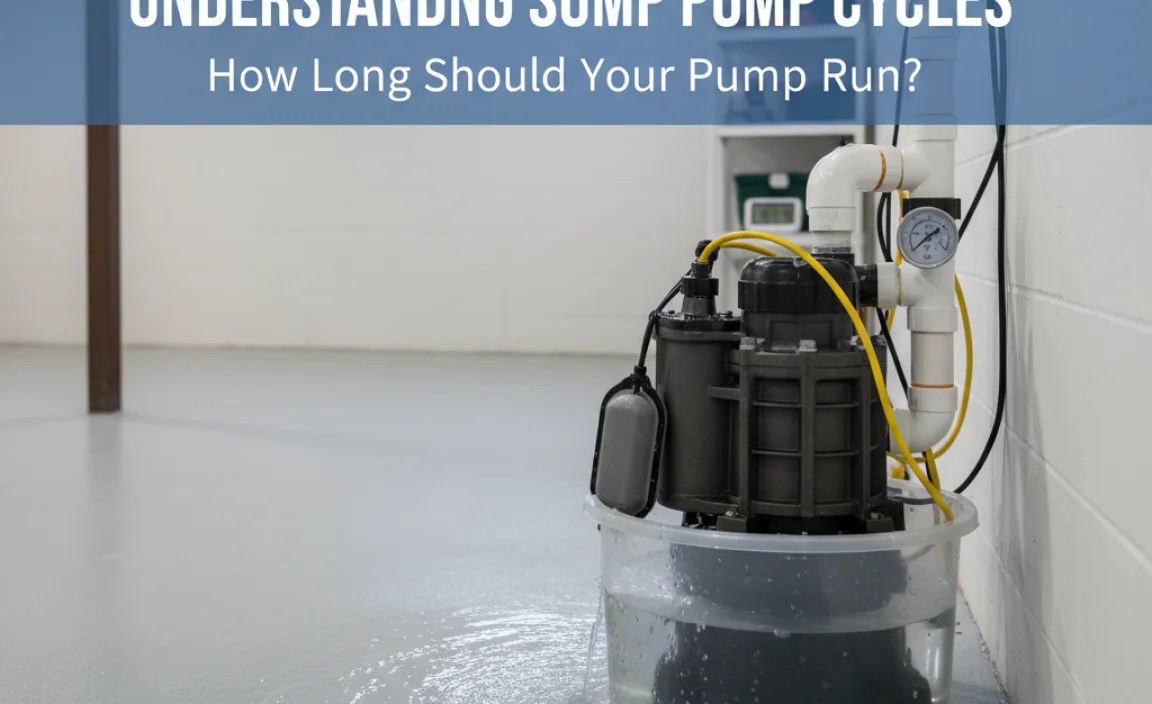
A sump pump works by automatically removing water that accumulates in a sump pit, usually located in the basement of a home. Here’s a breakdown of how it operates:
- Water Accumulation: Water from the surrounding soil drains into the sump pit. This water can come from rain, melting snow, or a high water table.
- Float Activation: As the water level rises, it lifts a float switch. Once the water reaches a certain level, the float switch triggers the sump pump to turn on.
- Pumping Water Out: The pump then pushes the water out of the pit through a discharge pipe, directing it away from the foundation of the house. This water is typically directed to a nearby storm drain, dry well, or an area of the yard where it won’t cause further issues.
- Shut-Off: Once the water level drops and the float switch lowers to a certain point, the pump turns off, ending the cycle.
The duration and frequency of these cycles are influenced by several factors, which we’ll explore in the next sections.
Factors Affecting Sump Pump Cycle Length

Several factors influence how long your sump pump runs per cycle. Understanding these factors can help you determine if your pump is operating efficiently and identify potential issues.
- Pump Horsepower: A more powerful pump (higher horsepower) will pump water out more quickly, resulting in a shorter cycle. Smaller horsepower pumps will take longer to remove the same amount of water.
- Sump Pit Size: A larger sump pit will hold more water, leading to longer run times as the pump works to empty the larger volume.
- Water Inflow Rate: The amount of water entering the pit affects how frequently the pump cycles. During heavy rain or snowmelt, the inflow rate increases, causing the pump to run more often and potentially for longer durations.
- Discharge Pipe Length and Height: Longer and higher discharge pipes require the pump to work harder, which can extend the cycle time. The pump needs to overcome gravity and friction to push the water through the pipe.
- Check Valve Functionality: A check valve prevents water from flowing back into the sump pit after the pump shuts off. A malfunctioning check valve can cause the pump to cycle more frequently as it has to pump out the same water multiple times.
Ideal Run Time for a Sump Pump
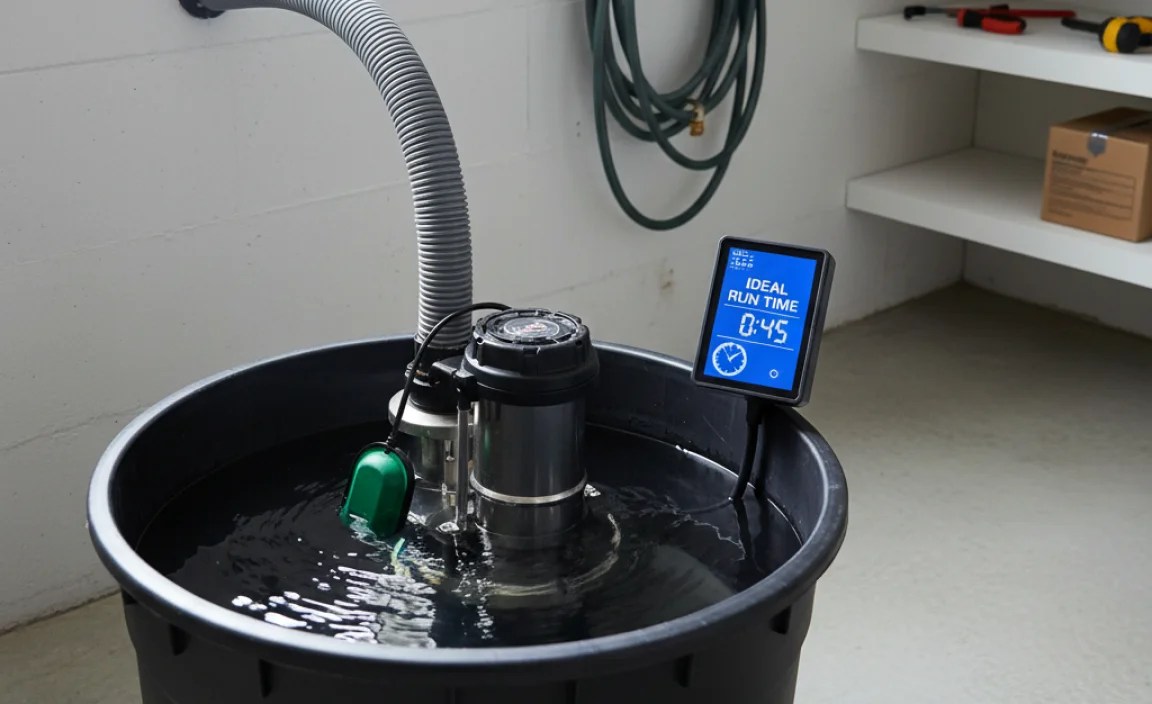
The ideal run time for a sump pump typically falls within a specific range. This range ensures that the pump operates efficiently without overworking or wasting energy.
- Typical Run Time: Most sump pumps run for about 1 to 3 minutes per cycle. This duration is usually sufficient to remove the accumulated water in the sump pit.
- Frequency: During periods of heavy rain or snowmelt, a sump pump might cycle every few minutes. In drier conditions, it could run much less frequently, perhaps only a few times per day or even less.
- Monitoring: It’s essential to monitor your sump pump’s behavior to ensure it’s operating within these typical parameters. If you notice significant deviations, it could indicate a problem that needs attention.
Here’s a table summarizing the typical run times and frequencies:
| Condition | Typical Run Time | Frequency |
|---|---|---|
| Normal Conditions | 1-3 minutes | Few times per day |
| Heavy Rain/Snowmelt | 1-3 minutes | Every few minutes |
How to Calculate Your Sump Pump’s Cycle Time

Calculating your sump pump’s cycle time involves a few simple steps. This calculation helps you understand how efficiently your pump is working and identify any potential issues.
- Prepare for Observation: Choose a period when the pump is likely to cycle, such as during or after rainfall.
- Start the Timer: When the pump starts, begin timing the cycle.
- Stop the Timer: Stop the timer when the pump shuts off. This is the duration of one cycle.
- Repeat the Process: Repeat this process several times to get an average cycle time. This helps account for variations in water inflow.
- Analyze the Data: Compare your results with the typical run time of 1-3 minutes. If your pump runs significantly longer or shorter, investigate further.
Using a simple stopwatch or your smartphone’s timer can make this process straightforward. Keeping a log of these measurements over time can also help you track changes and identify trends.
Troubleshooting Common Sump Pump Issues
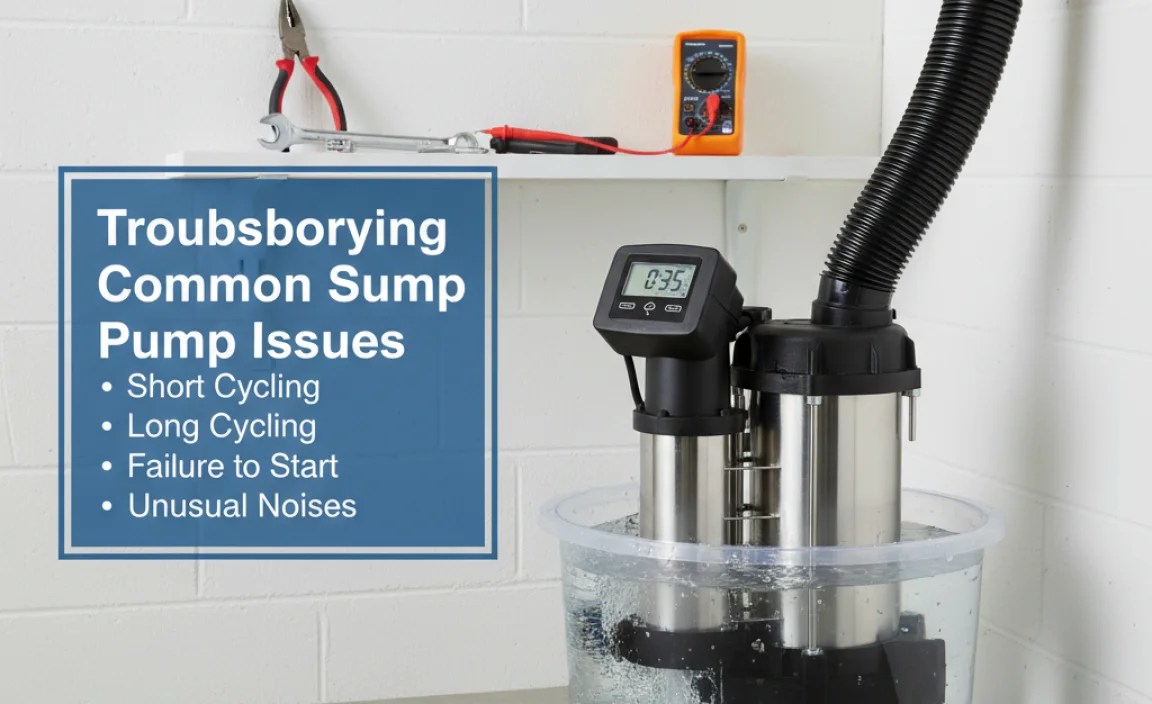
Several issues can affect your sump pump’s performance. Here are some common problems and how to troubleshoot them:
- Pump Runs Constantly:
- Possible Cause: The float switch might be stuck or obstructed.
- Solution: Check the float switch and ensure it can move freely. Clear any debris or obstructions.
- Pump Runs Too Frequently:
- Possible Cause: A leaking check valve could be allowing water to flow back into the pit.
- Solution: Inspect the check valve and replace it if necessary.
- Pump Runs Too Long:
- Possible Cause: The pump might be undersized for the amount of water entering the pit.
- Solution: Consider upgrading to a more powerful pump.
- Pump Doesn’t Turn On:
- Possible Cause: The pump might not be receiving power.
- Solution: Check the power cord, circuit breaker, and any other electrical connections.
Regular maintenance and timely troubleshooting can prevent these issues from escalating and ensure your sump pump operates efficiently.
Maintaining Your Sump Pump for Optimal Performance
Regular maintenance is crucial for ensuring your sump pump operates efficiently and reliably. Here are some essential maintenance tasks:
- Regular Inspections:
- Frequency: Inspect your sump pump at least twice a year, typically in the spring and fall.
- Tasks: Check for any signs of damage, debris, or corrosion.
- Cleaning the Sump Pit:
- Frequency: Clean the sump pit annually to remove sediment and debris.
- Tasks: Remove the pump, clear out any accumulated dirt, gravel, or other materials.
- Testing the Pump:
- Frequency: Test the pump regularly to ensure it turns on and off correctly.
- Tasks: Pour water into the pit to raise the float switch and observe the pump’s operation.
- Checking the Discharge Pipe:
- Frequency: Inspect the discharge pipe for any blockages or leaks.
- Tasks: Ensure the pipe is clear of obstructions and properly directs water away from the foundation.
- Replacing Components:
- Frequency: Replace any worn or damaged components, such as the check valve or float switch.
- Tasks: Follow the manufacturer’s instructions for replacement.
Choosing the Right Sump Pump
Selecting the right sump pump is essential for effective water management in your basement. Here are some factors to consider when choosing a sump pump:
- Type of Pump:
- Submersible Pumps: These pumps are submerged in the sump pit and are generally more efficient and quieter.
- Pedestal Pumps: These pumps have a motor that sits above the pit, making them easier to access for maintenance. However, they are typically louder and less efficient.
- Horsepower:
- Sizing: Choose a pump with adequate horsepower for your needs. A pump that is too small will struggle to keep up with the water inflow, while a pump that is too large can cycle too quickly and wear out prematurely.
- Considerations: Consider the depth of your basement, the typical water inflow rate, and the height the water needs to be pumped to determine the appropriate horsepower.
- Material:
- Durability: Look for pumps made from durable materials such as cast iron or stainless steel. These materials are more resistant to corrosion and wear.
- Features:
- Float Switch Type: Consider the type of float switch, such as a tethered or vertical float switch. Vertical float switches are less prone to getting stuck.
- Alarm Systems: Some pumps come with alarm systems that alert you to potential problems, such as a pump failure or high water level.
Consulting with a professional plumber or contractor can help you choose the best sump pump for your specific needs and ensure proper installation.
Sump Pump Costs: Initial and Ongoing
Understanding the costs associated with sump pumps, both initial and ongoing, is essential for budgeting and planning. Here’s a breakdown of the various expenses involved:
| Cost Type | Description | Estimated Cost |
|---|---|---|
| Initial Purchase | The cost of the sump pump itself. This varies based on type, horsepower, and features. | $100 – $400+ |
| Installation | The cost to install the sump pump. This can include labor and materials like piping and fittings. | $100 – $500+ |
| Electrical Work | If a new electrical outlet is needed, this will add to the initial costs. | $50 – $200+ |
| Maintenance | Costs for regular maintenance tasks such as cleaning and inspections. | $20 – $50 per year |
| Repairs | Costs for repairing or replacing components like the check valve or float switch. | $50 – $200+ per repair |
| Replacement | The cost to replace the entire sump pump when it reaches the end of its lifespan. | $100 – $400+ (every 5-10 years) |
| Electricity | The ongoing cost of electricity to run the sump pump. This depends on usage and local electricity rates. | $5 – $20 per month (depending on usage) |
Investing in a high-quality sump pump and proper maintenance can help minimize long-term costs and ensure reliable performance.
Emergency Backup Systems
Having an emergency backup system for your sump pump is crucial for protecting your basement during power outages or pump failures. Here are some common backup options:
- Battery Backup Sump Pumps:
- How They Work: These pumps are powered by a battery and automatically kick in when the primary pump fails or during a power outage.
- Pros: Reliable, relatively inexpensive, and easy to install.
- Cons: Limited run time based on battery capacity.
- Water-Powered Backup Sump Pumps:
- How They Work: These pumps use municipal water pressure to operate and don’t require electricity.
- Pros: Can run indefinitely as long as water pressure is maintained.
- Cons: Can be more expensive to install and may increase your water bill.
- Generator Backup:
- How They Work: A generator can power your primary sump pump during a power outage.
- Pros: Can power multiple appliances, including the sump pump.
- Cons: More expensive and requires fuel storage.
Choosing the right backup system depends on your specific needs, budget, and the likelihood of power outages in your area.
For additional information on sump pumps, you can refer to resources like the EPA’s guide on protecting your home’s water.
Sump Pump Alarms and Monitoring
Sump pump alarms and monitoring systems can provide early warnings of potential problems, helping you prevent costly water damage. Here are some options to consider:
- High-Water Alarms:
- How They Work: These alarms trigger when the water level in the sump pit rises above a certain point, indicating a potential pump failure.
- Types: Available as standalone units or integrated into smart home systems.
- Pump Failure Alarms:
- How They Work: These alarms detect when the sump pump has stopped working, even if the water level hasn’t reached a critical point.
- Smart Home Integration:
- Features: Some sump pump systems can be integrated with smart home platforms, allowing you to monitor pump performance remotely and receive alerts on your smartphone.
- Benefits of Monitoring:
- Early Detection: Alarms provide early warnings of potential problems, allowing you to take action before water damage occurs.
- Peace of Mind: Monitoring systems offer peace of mind, knowing that you’ll be alerted to any issues.
FAQ About Sump Pump Cycles
How often should my sump pump run?
During heavy rain, your sump pump might run every few minutes. In dry conditions, it could run a few times a day or less.
Is it normal for my sump pump to run constantly?
No, a sump pump running constantly usually indicates a problem, like a stuck float switch or excessive water inflow.
What happens if my sump pump runs too long?
If your sump pump runs too long, it could be overworked, leading to premature wear and potential failure. It might also indicate an undersized pump.
Can I adjust how often my sump pump runs?
You can’t directly adjust the frequency, but ensuring the float switch is clear and the pump is appropriately sized can optimize its operation.
How do I know if my sump pump is the right size?
Consider the size of your basement, the typical water inflow, and the height the water needs to be pumped. Consult a professional if needed.
What is a check valve and why is it important?
A check valve prevents water from flowing back into the sump pit after the pump shuts off, preventing unnecessary cycling.
How long do sump pumps typically last?
With proper maintenance, a sump pump typically lasts 5-10 years. Regular inspections and timely repairs can extend its lifespan.
Conclusion
Understanding how long your sump pump should run per cycle is key to maintaining a dry basement and preventing water damage. By monitoring your pump’s behavior, performing regular maintenance, and addressing issues promptly, you can ensure your sump pump operates efficiently and reliably. If you notice any unusual patterns or have concerns about your sump pump’s performance, don’t hesitate to consult with a professional plumber. Keeping your basement dry is all about staying informed and proactive!
“`


