
How Often Should a Water Pump Cycle? A Simple Guide

Quick Summary: A water pump should ideally cycle 3-8 times per hour. More frequent cycling can indicate a problem like a leak, a waterlogged pressure tank, or a faulty pump. Less frequent cycling might mean your pump is oversized or your water usage is very low. Monitoring cycle frequency can help you catch issues early and extend the life of your pump.
Is your water pump turning on and off too often? It’s a common issue that many homeowners face, and it can be frustrating. A pump that cycles too frequently not only wastes energy but can also significantly shorten the lifespan of your well pump. On the other hand, a pump that rarely cycles might indicate other underlying problems. Don’t worry; understanding the ideal cycling frequency and troubleshooting common issues is easier than you think. This guide will walk you through everything you need to know to keep your water pump running smoothly and efficiently.
Understanding Water Pump Cycling

Before diving into how often a water pump *should* cycle, it’s essential to understand what cycling means and why it matters. Your water pump is responsible for moving water from your well or water source into your home’s plumbing system. When you turn on a faucet or flush a toilet, the pressure in your water tank drops, triggering the pump to turn on and replenish the water supply. Once the pressure reaches a set level, the pump turns off until the next time water is needed.
Proper cycling is crucial for several reasons:
- Extends Pump Life: Frequent starts and stops put extra stress on the pump motor and components, leading to premature wear and tear.
- Saves Energy: A pump that cycles excessively consumes more electricity, increasing your energy bills.
- Maintains Water Pressure: Consistent cycling ensures you have adequate water pressure throughout your home.
What is the Ideal Cycling Frequency?

So, how often *should* a water pump cycle? The ideal frequency depends on several factors, including the size of your pressure tank, your water usage habits, and the pump’s capacity. However, a general guideline is:
Ideal Cycling Frequency: 3-8 cycles per hour.
This range provides a good balance between maintaining adequate water pressure and minimizing stress on the pump. Here’s a breakdown:
- 3-8 Cycles Per Hour: Generally considered normal and indicates a healthy system.
- More Than 8 Cycles Per Hour: Suggests a potential problem that needs investigation.
- Less Than 3 Cycles Per Hour: Could indicate an oversized pump or very low water usage.
Factors Affecting Cycling Frequency

Several factors can influence how often your water pump cycles. Understanding these factors can help you diagnose potential issues and optimize your system’s performance.
1. Pressure Tank Size
The size of your pressure tank plays a significant role in cycling frequency. A larger tank stores more water, allowing for longer draw-down periods and fewer pump cycles. A smaller tank, on the other hand, will result in more frequent cycling.
Here’s a simple analogy: Imagine filling a large bucket versus a small cup from a tap. You’ll need to refill the small cup much more often to keep it full.
2. Water Usage
Your household’s water consumption habits directly impact pump cycling. Families with higher water usage (e.g., frequent showers, laundry, irrigation) will naturally experience more pump cycles than those with lower usage.
3. Pump Capacity
The pump’s flow rate (measured in gallons per minute or GPM) also affects cycling. An oversized pump can fill the pressure tank quickly, leading to short cycles, while an undersized pump may struggle to maintain adequate pressure.
4. Leaks
Even small leaks in your plumbing system can cause the pump to cycle more frequently. Leaks can be anywhere from dripping faucets to hidden pipe leaks in walls or underground.
5. Pressure Switch Settings
The pressure switch controls the on/off points of your pump. If the pressure switch is set too high or too low, it can cause abnormal cycling. The typical pressure switch setting is 30/50 PSI (pump turns on at 30 PSI and off at 50 PSI) or 40/60 PSI.
6. Well Recovery Rate
The well recovery rate is the speed at which water refills the well after it has been drawn down. If the recovery rate is slow, the pump may cycle more frequently as it struggles to keep up with demand.
Troubleshooting Common Cycling Problems
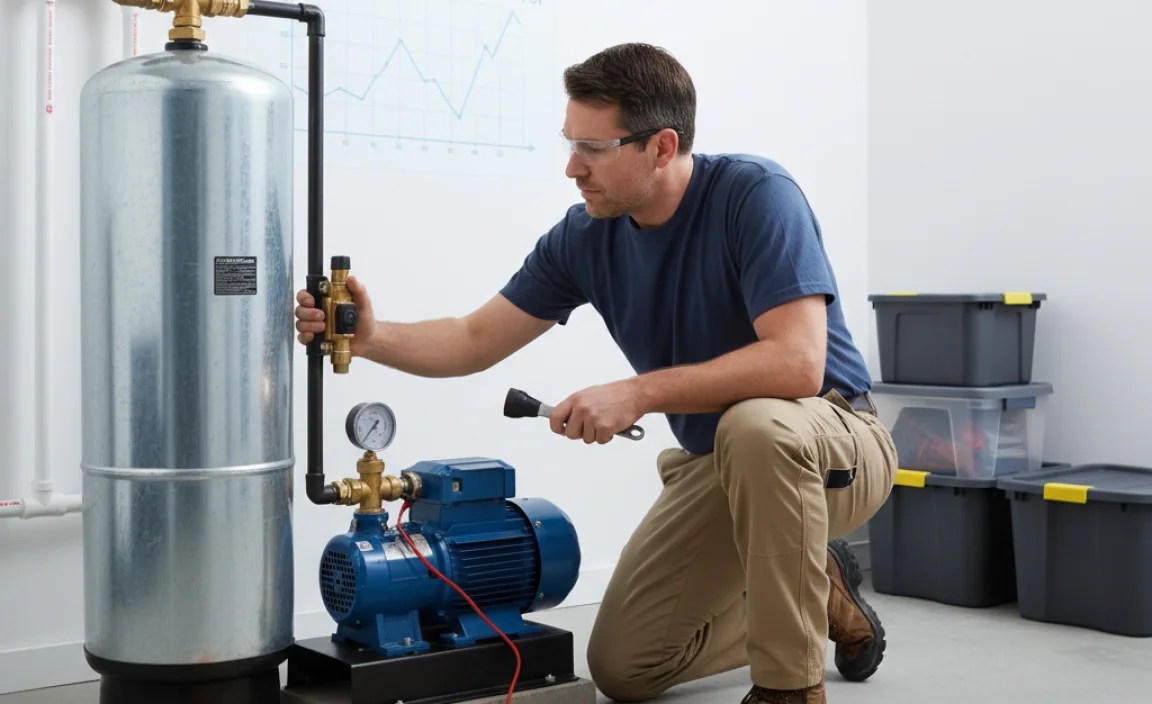
If your water pump is cycling too frequently or too infrequently, here’s a step-by-step guide to troubleshooting common issues:
1. Check for Leaks
The first step is to inspect your plumbing system for leaks. Start with the obvious places like faucets, toilets, and showerheads. Listen for dripping sounds and check for water stains or damp spots.
How to Check for Toilet Leaks:
- Add a few drops of food coloring to the toilet tank.
- Wait 15-30 minutes without flushing.
- If the colored water appears in the toilet bowl, you have a leak in the flapper valve.
If you suspect a hidden pipe leak, consider hiring a professional plumber to conduct a pressure test or use leak detection equipment.
2. Inspect the Pressure Tank
A waterlogged pressure tank is a common cause of frequent cycling. The pressure tank contains a bladder or diaphragm that separates the water from the air. Over time, the bladder can become damaged, causing the tank to fill with water and lose its air cushion.
How to Check Your Pressure Tank:
- Turn off the pump’s power at the circuit breaker.
- Locate the Schrader valve (like a tire valve) on top of the tank.
- Use a tire pressure gauge to check the air pressure.
- The air pressure should be 2 PSI below the pump’s cut-in pressure (e.g., 28 PSI for a 30/50 switch).
- If water comes out of the Schrader valve, the bladder is likely damaged, and the tank needs to be replaced.
3. Adjust Pressure Switch Settings
Incorrect pressure switch settings can cause the pump to cycle erratically. Check the pressure switch and make sure it’s set to the correct range (typically 30/50 or 40/60 PSI).
How to Adjust Pressure Switch Settings:
- Turn off the pump’s power at the circuit breaker.
- Remove the cover of the pressure switch.
- Locate the two adjustment nuts. The larger nut adjusts the overall pressure range, while the smaller nut adjusts the differential (the difference between the cut-in and cut-out pressure).
- Use a wrench to turn the nuts. Turn clockwise to increase pressure and counterclockwise to decrease pressure. Make small adjustments and monitor the pump’s cycling behavior.
Caution: Be careful when adjusting the pressure switch, as incorrect settings can damage the pump or plumbing system.
4. Check the Well Recovery Rate
If your well has a slow recovery rate, the pump may cycle more frequently as it struggles to keep up with demand. You can check the recovery rate by measuring the time it takes for the well to refill after it has been drawn down.
How to Check Well Recovery Rate:
- Run water until the well is depleted and the pump starts cycling rapidly.
- Turn off the pump and wait for the well to refill.
- Measure the time it takes for the water level to return to its normal level.
- Consult a well professional if the recovery rate is too slow, as it may indicate a problem with the well itself.
5. Evaluate Pump Size
An oversized pump can cause short cycling, where the pump turns on and off rapidly. If you suspect your pump is too large, consult a well professional to determine the appropriate pump size for your home’s water needs.
Signs of an Oversized Pump:
- Pump cycles very quickly, even with low water usage.
- Water pressure spikes and drops rapidly.
- Pump makes loud or unusual noises.
Tools You Might Need
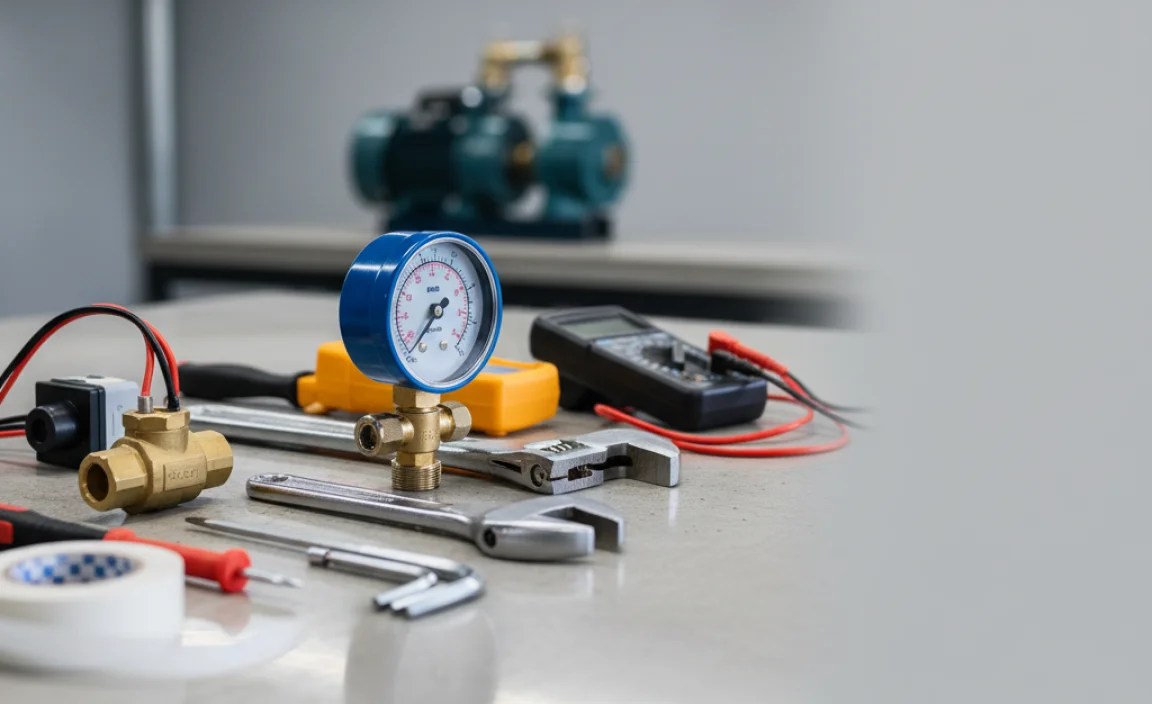
Here’s a list of tools you might need for troubleshooting and maintaining your water pump system:
- Tire Pressure Gauge: For checking pressure tank air pressure.
- Wrench Set: For adjusting pressure switch settings and tightening fittings.
- Screwdrivers: For removing pressure switch covers and other components.
- Multimeter: For testing electrical connections (if you’re comfortable working with electricity).
- Plumber’s Tape: For sealing threaded connections.
- Bucket and Hose: For draining the pressure tank.
Preventive Maintenance Tips
Regular maintenance can help prevent cycling problems and extend the life of your water pump. Here are some preventive maintenance tips:
- Inspect the Pressure Tank Annually: Check the air pressure and look for signs of damage or corrosion.
- Flush the Pressure Tank: Sediment can accumulate in the tank over time, reducing its capacity. Flush the tank annually to remove sediment.
- Check for Leaks Regularly: Inspect your plumbing system for leaks and repair them promptly.
- Monitor Water Pressure: Keep an eye on your water pressure and adjust the pressure switch settings as needed.
- Consider a Well Inspection: Have your well inspected by a professional every few years to ensure it’s in good condition.
Understanding Pressure Tank Size and Pump Cycling
Choosing the right pressure tank size is vital for efficient pump cycling. A properly sized tank reduces pump starts and stops, extending the pump’s lifespan and saving energy. Here’s a closer look at how tank size impacts cycling frequency:
Impact of Tank Size on Pump Cycling
The table below illustrates how tank size affects the drawdown volume (the amount of water available between pump cycles) and the number of pump cycles per hour.
| Tank Size (Gallons) | Drawdown (Gallons, Approx.) | Cycles per Hour (Moderate Use) |
|---|---|---|
| 20 | 5-7 | 8-12 |
| 40 | 10-14 | 4-6 |
| 80 | 20-28 | 2-4 |
As you can see, a larger tank provides a greater drawdown volume, which means the pump cycles less frequently. This reduces wear and tear on the pump and helps maintain consistent water pressure.
How to Choose the Right Tank Size
Choosing the right tank size depends on several factors, including your household’s water usage, the pump’s flow rate, and the well’s recovery rate. A general rule of thumb is to choose a tank that provides at least one gallon of drawdown for every gallon per minute (GPM) of pump flow rate.
For example, if your pump has a flow rate of 10 GPM, you should choose a tank with a drawdown volume of at least 10 gallons. This would typically require a 40-gallon tank.
Consulting with a well professional is always a good idea to ensure you choose the right tank size for your specific needs.
When to Call a Professional
While many cycling problems can be resolved with DIY troubleshooting, some situations require the expertise of a qualified well professional. Consider calling a professional if:
- You’re uncomfortable working with electrical components.
- You suspect a problem with the well itself (e.g., slow recovery rate, contaminated water).
- You can’t identify the source of the problem after troubleshooting.
- You need to replace the pump or pressure tank.
A professional can diagnose the problem accurately and recommend the appropriate solution.
FAQ: Water Pump Cycling
1. What does it mean when my water pump cycles?
When your water pump cycles, it means it turns on to refill the pressure tank with water after the water level has dropped due to household use. The pump then turns off once the pressure reaches a set level.
2. Is it bad if my water pump cycles too often?
Yes, frequent cycling can be harmful. It puts extra stress on the pump motor, leading to premature wear and tear and higher energy consumption.
3. How can I tell if my pressure tank is waterlogged?
You can check by turning off the pump, locating the Schrader valve on the tank, and pressing it. If water comes out instead of air, the tank is likely waterlogged.
4. What is a normal pressure switch setting for a water pump?
A typical pressure switch setting is 30/50 PSI or 40/60 PSI. This means the pump turns on at 30 or 40 PSI and turns off at 50 or 60 PSI.
5. Can a leaky toilet cause my water pump to cycle frequently?
Yes, even a small leak in your toilet can cause the pump to cycle more often as it constantly refills the tank to compensate for the water loss.
6. How often should I inspect my water pump system?
It’s a good idea to inspect your water pump system at least once a year, checking for leaks, pressure tank issues, and any unusual noises or cycling patterns.
7. What should I do if my well has a slow recovery rate?
If your well has a slow recovery rate, consult a well professional. They can assess the situation and recommend solutions, such as deepening the well or increasing the storage capacity.
Final Thoughts
Understanding how often your water pump should cycle is a crucial part of maintaining a healthy and efficient water system. By monitoring the cycling frequency, troubleshooting common issues, and performing regular maintenance, you can extend the life of your pump, save energy, and ensure a reliable water supply for your home. Remember, when in doubt, don’t hesitate to call a qualified well professional for assistance. With the right knowledge and proactive care, you can keep your water pump running smoothly for years to come.
“`


