
Which Phase of the Cardiac Cycle Does the Heart Pump? A Simple Guide

Quick Summary: The heart pumps blood primarily during the systole phase of the cardiac cycle. Systole involves the contraction of the heart muscle, forcing blood out to the lungs and body. While some blood passively enters the ventricles during diastole (the relaxation phase), the forceful ejection happens in systole. Understanding this cycle helps you appreciate how your heart efficiently fuels your rides.
Ever wondered exactly when your heart does the hard work of pumping blood? It might seem like a continuous process, but your heart actually works in distinct phases. Many people find the cardiac cycle a bit confusing, especially when trying to understand how the heart efficiently fuels our bodies, especially during those tough climbs. But don’t worry, it’s simpler than you think!
In this article, we’ll break down the cardiac cycle into easy-to-understand steps. We’ll focus on when the heart pumps blood, what happens during each phase, and why it matters for your overall health and cycling performance. By the end, you’ll have a clear picture of how your heart keeps you pedaling strong.
Understanding the Cardiac Cycle
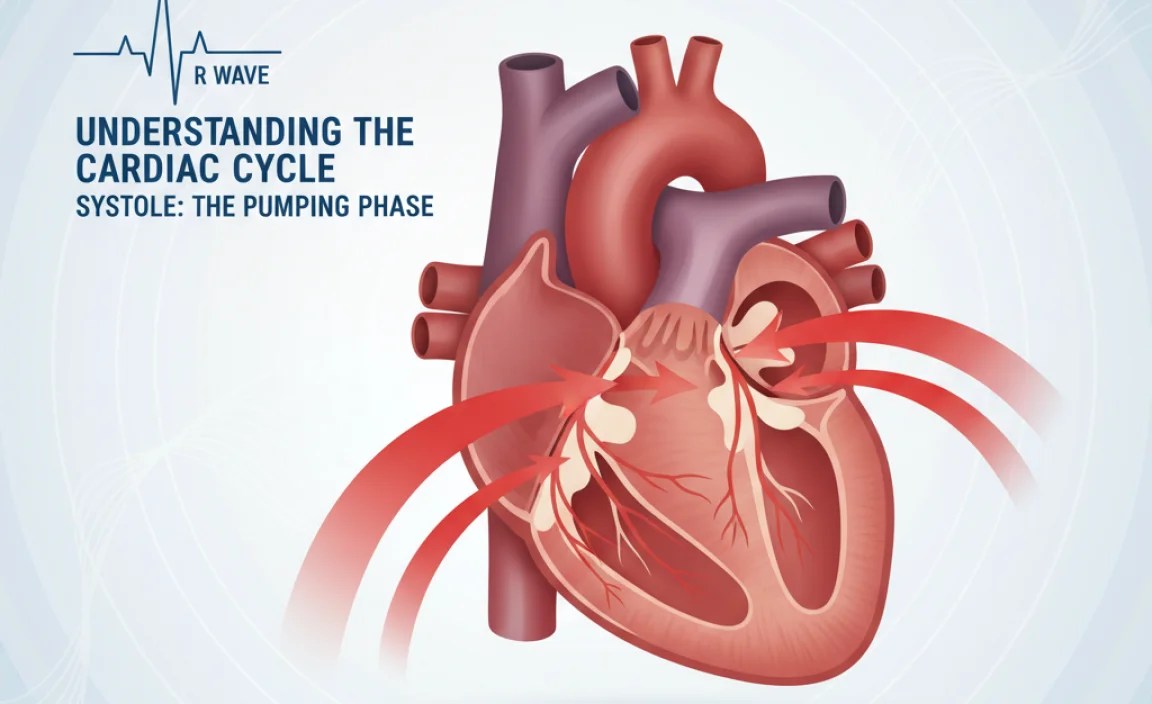
The cardiac cycle is the sequence of events that occur during one complete heartbeat. It includes two main phases: systole and diastole. Think of it like the inhale and exhale of your heart. Let’s dive into each phase.
Systole: The Pumping Phase
Systole is when the heart muscle contracts, pushing blood out of the heart. This phase has two sub-phases:
- Isovolumetric Contraction: The ventricles (the heart’s main pumping chambers) begin to contract, but the valves to the aorta and pulmonary artery are still closed. This builds pressure inside the ventricles.
- Ventricular Ejection: Once the pressure in the ventricles exceeds the pressure in the aorta and pulmonary artery, the valves open, and blood is ejected. This is the key moment when the heart actively pumps blood to the body and lungs.
During ventricular ejection, about two-thirds of the blood in the ventricles is pumped out with each beat. This efficient ejection ensures that oxygen-rich blood reaches your muscles when you need it most, especially during a tough cycling session.
Diastole: The Filling Phase
Diastole is when the heart muscle relaxes, and the ventricles fill with blood. This phase also has two sub-phases:
- Isovolumetric Relaxation: The ventricles relax, and the valves to the aorta and pulmonary artery close. Pressure decreases inside the ventricles.
- Ventricular Filling: The atrioventricular valves (tricuspid and mitral valves) open, allowing blood to flow from the atria (the upper chambers of the heart) into the ventricles. Most of the ventricular filling happens passively, driven by the pressure gradient between the atria and ventricles.
While diastole is primarily a filling phase, a small amount of blood does move into the ventricles, contributing to the overall volume that will be pumped out during the next systole. Think of it as topping off the tank before the next big push.
Which Phase Actually Pumps the Blood?
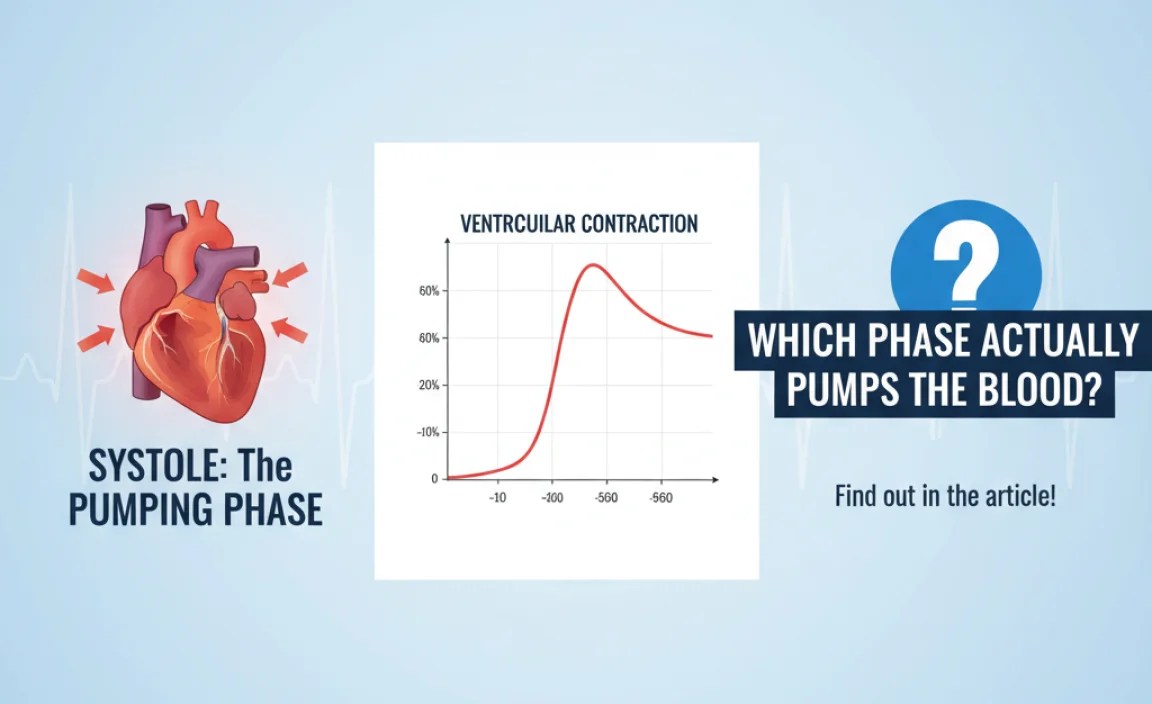
To be crystal clear, the heart actively pumps blood during the systole phase, specifically during the ventricular ejection sub-phase. This is when the forceful contraction of the ventricles sends blood surging out to the body and lungs.
During diastole, the heart is mainly relaxing and filling with blood, setting the stage for the next powerful contraction. Although some blood passively moves into the ventricles during diastole, it’s the systole phase that provides the main pumping action.
The Role of Valves in Pumping

Heart valves play a crucial role in ensuring blood flows in the right direction during the cardiac cycle. Here’s a quick rundown:
- Atrioventricular Valves (Tricuspid and Mitral): These valves are located between the atria and ventricles. They open during diastole to allow blood to flow from the atria into the ventricles and close during systole to prevent backflow.
- Semilunar Valves (Aortic and Pulmonary): These valves are located between the ventricles and the aorta (leading to the body) and the pulmonary artery (leading to the lungs). They open during systole to allow blood to be ejected from the ventricles and close during diastole to prevent backflow.
These valves work together to ensure that blood moves efficiently through the heart and out to the body and lungs. Proper valve function is essential for maintaining adequate blood flow and overall cardiovascular health.
Factors Affecting Heart Pumping Efficiency
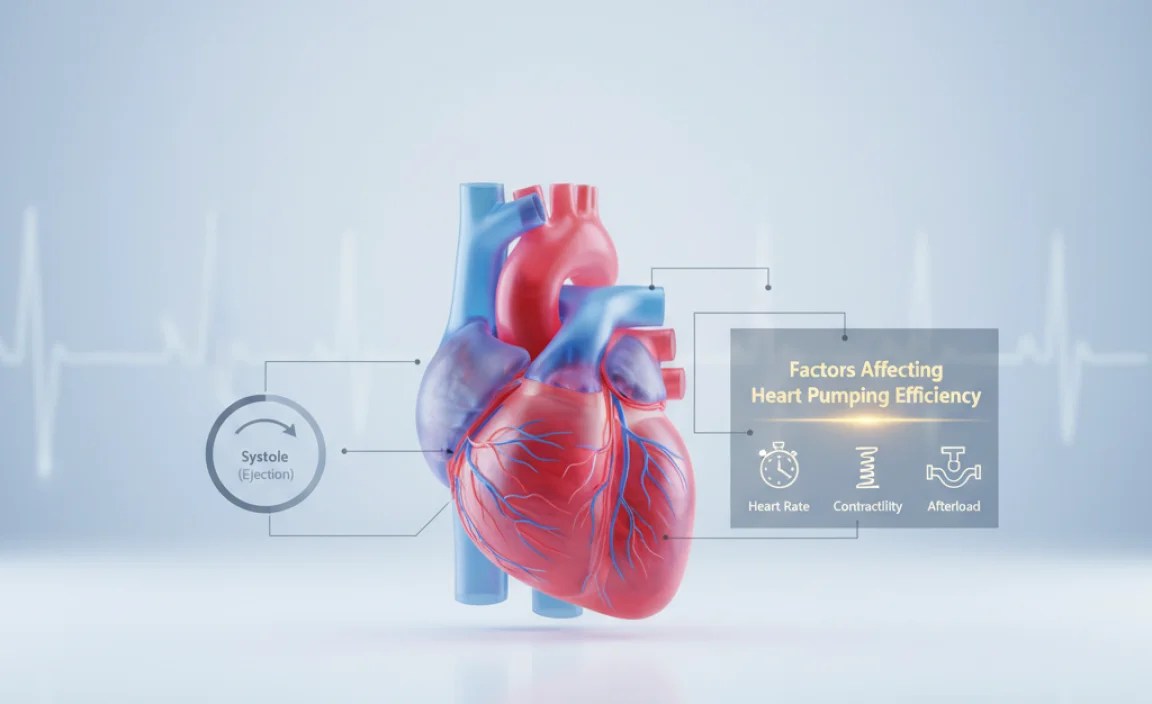
Several factors can influence how efficiently your heart pumps blood. Understanding these can help you optimize your cardiovascular health and cycling performance.
Heart Rate
Heart rate is the number of times your heart beats per minute. During exercise, your heart rate increases to deliver more oxygen to your muscles. A healthy heart can efficiently increase its rate to meet the demands of physical activity.
Stroke Volume
Stroke volume is the amount of blood pumped out of the heart with each beat. Endurance training, like cycling, can increase stroke volume, allowing the heart to pump more blood with fewer beats. This is why trained cyclists often have lower resting heart rates.
Cardiac Output
Cardiac output is the total amount of blood pumped by the heart per minute. It is calculated by multiplying heart rate by stroke volume. Cardiac output increases during exercise to meet the increased oxygen demands of the muscles. Regular cycling can improve cardiac output, making your heart more efficient at delivering oxygen.
Blood Pressure
Blood pressure is the force of blood against the artery walls. High blood pressure can make it harder for the heart to pump blood, reducing its efficiency. Maintaining healthy blood pressure through diet, exercise, and stress management is crucial for cardiovascular health.
Here’s a table summarizing these factors:
| Factor | Description | Impact on Pumping Efficiency |
|---|---|---|
| Heart Rate | Number of beats per minute | Increases during exercise to meet oxygen demands |
| Stroke Volume | Amount of blood pumped per beat | Increases with training, improving efficiency |
| Cardiac Output | Total blood pumped per minute | Increases during exercise, improved by regular cycling |
| Blood Pressure | Force of blood against artery walls | High blood pressure reduces efficiency |
How Cycling Improves Heart Function
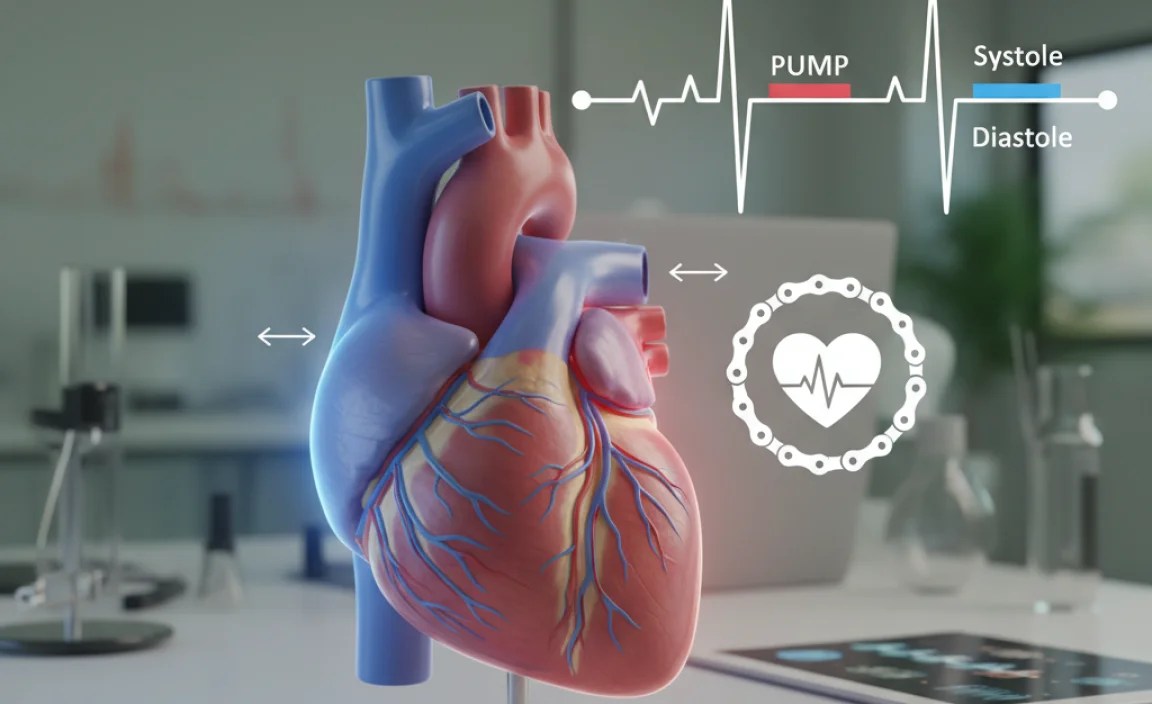
Regular cycling is a fantastic way to improve your heart’s pumping efficiency. Here’s how:
- Increases Stroke Volume: Cycling strengthens the heart muscle, allowing it to pump more blood with each beat.
- Lowers Resting Heart Rate: A stronger heart doesn’t need to beat as often to deliver the same amount of blood, resulting in a lower resting heart rate.
- Improves Cardiac Output: Regular cycling increases the heart’s ability to pump blood, ensuring your muscles get the oxygen they need during exercise.
- Reduces Blood Pressure: Cycling can help lower blood pressure, reducing the strain on your heart.
By incorporating regular cycling into your routine, you can significantly improve your cardiovascular health and enhance your cycling performance.
Tips for Maintaining a Healthy Heart
Here are some practical tips to keep your heart healthy and pumping efficiently:
- Regular Exercise: Aim for at least 150 minutes of moderate-intensity aerobic exercise per week, such as cycling, brisk walking, or swimming.
- Healthy Diet: Eat a balanced diet rich in fruits, vegetables, whole grains, and lean protein. Limit saturated and trans fats, cholesterol, and sodium.
- Maintain a Healthy Weight: Being overweight or obese can strain your heart. Aim for a healthy weight through diet and exercise.
- Manage Stress: Chronic stress can negatively impact your heart health. Practice stress-reducing activities like yoga, meditation, or spending time in nature.
- Quit Smoking: Smoking damages blood vessels and increases the risk of heart disease. Quitting smoking is one of the best things you can do for your heart health.
- Regular Check-ups: See your doctor regularly for check-ups, including blood pressure and cholesterol screenings.
For more detailed information on heart health, you can refer to reputable sources like the American Heart Association and the National Heart, Lung, and Blood Institute.
Common Misconceptions About the Cardiac Cycle
Let’s clear up some common misconceptions about the cardiac cycle:
- Misconception: The heart only pumps during systole.
Reality: While the primary pumping action occurs during systole, a small amount of blood passively moves into the ventricles during diastole. - Misconception: Diastole is just a resting phase.
Reality: Diastole is an active phase where the heart relaxes and fills with blood, preparing for the next powerful contraction. - Misconception: Heart rate is the only factor affecting pumping efficiency.
Reality: Stroke volume, cardiac output, and blood pressure also play crucial roles in determining how efficiently the heart pumps blood.
FAQ: Understanding the Cardiac Cycle
Here are some frequently asked questions to help you better understand the cardiac cycle:
- What is the cardiac cycle?
- The cardiac cycle is the sequence of events that occur during one complete heartbeat, including systole (contraction) and diastole (relaxation).
- What happens during systole?
- During systole, the heart muscle contracts, and blood is ejected from the ventricles to the body and lungs.
- What happens during diastole?
- During diastole, the heart muscle relaxes, and the ventricles fill with blood from the atria.
- Why is understanding the cardiac cycle important for cyclists?
- Understanding the cardiac cycle helps cyclists appreciate how their heart efficiently delivers oxygen to their muscles during exercise, improving performance and overall cardiovascular health.
- How can I improve my heart’s pumping efficiency?
- You can improve your heart’s pumping efficiency through regular exercise like cycling, a healthy diet, maintaining a healthy weight, and managing stress.
- What role do heart valves play in the cardiac cycle?
- Heart valves ensure that blood flows in the correct direction during the cardiac cycle, preventing backflow and maintaining efficient circulation.
- How does cycling affect my resting heart rate?
- Regular cycling strengthens the heart muscle, allowing it to pump more blood with each beat. This results in a lower resting heart rate because the heart doesn’t need to beat as often to deliver the same amount of blood.
Conclusion
So, to recap, the heart pumps blood primarily during the systole phase of the cardiac cycle. Understanding this cycle, along with factors like heart rate, stroke volume, and blood pressure, can help you appreciate the incredible efficiency of your cardiovascular system. Regular cycling is a fantastic way to improve your heart’s pumping efficiency, leading to better overall health and enhanced performance on the road or trail.
Now that you know how your heart works to keep you pedaling, you can focus on enjoying your rides and making the most of every mile. Keep those wheels turning and your heart pumping strong!
“`


