
Floor Water Pump Automatic: Powerful Flood Protection

Have you ever seen a flooded basement? It can be a big problem. Water can damage your things. It can even make your home unsafe. That is where a floor water pump automatic comes in handy. It helps keep your home dry.
These pumps work by sensing water. When water is detected, the pump turns on. It moves the water away from your house. This can stop big problems before they start. Would you like to learn more about these helpful machines?
Key Takeaways
- An automatic floor water pump is a great way to protect your home.
- These pumps can prevent costly damage from flooding and leaks.
- They automatically remove water, so you don’t have to worry.
- Look for pumps with high flow rates to quickly remove water.
- Regular maintenance will keep your pump working for a long time.
How a Floor Water Pump Automatic Works

A floor water pump automatic is a clever device. It protects your home from water damage. These pumps have sensors. The sensors detect when water is present. Once water is detected, the pump starts working. It sucks up the water and moves it away. This prevents water from building up. It keeps your basement or floor dry. These pumps often have a float switch. The switch turns the pump on and off. This makes the pump work only when needed. Some pumps have electronic sensors. These sensors are more reliable. They can detect even small amounts of water. Keeping your home safe from water damage is very important. A good pump can give you peace of mind. It ensures your home stays dry, even during heavy rains or leaks.
- Pumps use sensors to detect water.
- Float switches turn pumps on and off.
- Electronic sensors are very reliable.
- Pumps remove water quickly.
- They help prevent water damage.
Imagine a small boat with a leak. A floor water pump automatic is like the pump on that boat. It keeps the water out. It keeps the boat from sinking. Your home is like that boat. The pump protects it from water damage. It keeps your home safe and dry. Choosing the right pump is important. Look for one that is strong and reliable. A good pump will protect your home for many years. Regular checks will help you make sure it is always ready to go when you need it.
Fun Fact or Stat: Did you know that a single inch of water can cause over $25,000 in damage to a home?
What Type of Sensor Does It Use?
What type of sensor does your pump use? Some pumps use float switches. These are simple and reliable. When the water rises, the float goes up. This turns the pump on. Other pumps use electronic sensors. These sensors can detect even a small amount of water. They are very accurate. Electronic sensors can also be more expensive. The best sensor for you depends on your needs. If you need a simple and reliable pump, a float switch might be enough. If you need a very accurate pump, an electronic sensor is a better choice. Consider how much water you need to pump. Also, think about how reliable you need the sensor to be. This will help you pick the right pump.
How Does the Pump Know When to Stop?
Have you ever wondered how the pump knows when to stop? It is a smart system. The float switch or electronic sensor does the trick. When the water level goes down, the float goes down too. This turns the pump off. With electronic sensors, the pump stops when it no longer senses water. This prevents the pump from running dry. Running dry can damage the pump. It is important that the pump stops when there is no water. This saves energy and protects the pump. Some pumps have a timer. The timer makes the pump run for a set time. This can help remove all the water. Make sure your pump is set up correctly.
How Often Should I Check the Pump?
How often should you check your pump? It is a good idea to check it regularly. You should check it at least every few months. Look for any signs of damage. Make sure the pump is clean. Remove any debris that might block it. Check the float switch or sensor. Make sure it is working correctly. If you live in an area with heavy rain, check it more often. This will help you catch problems early. Regular checks will keep your pump working well. It will also help you avoid costly repairs. Taking care of your pump is a smart thing to do.
Choosing the Right Automatic Floor Water Pump
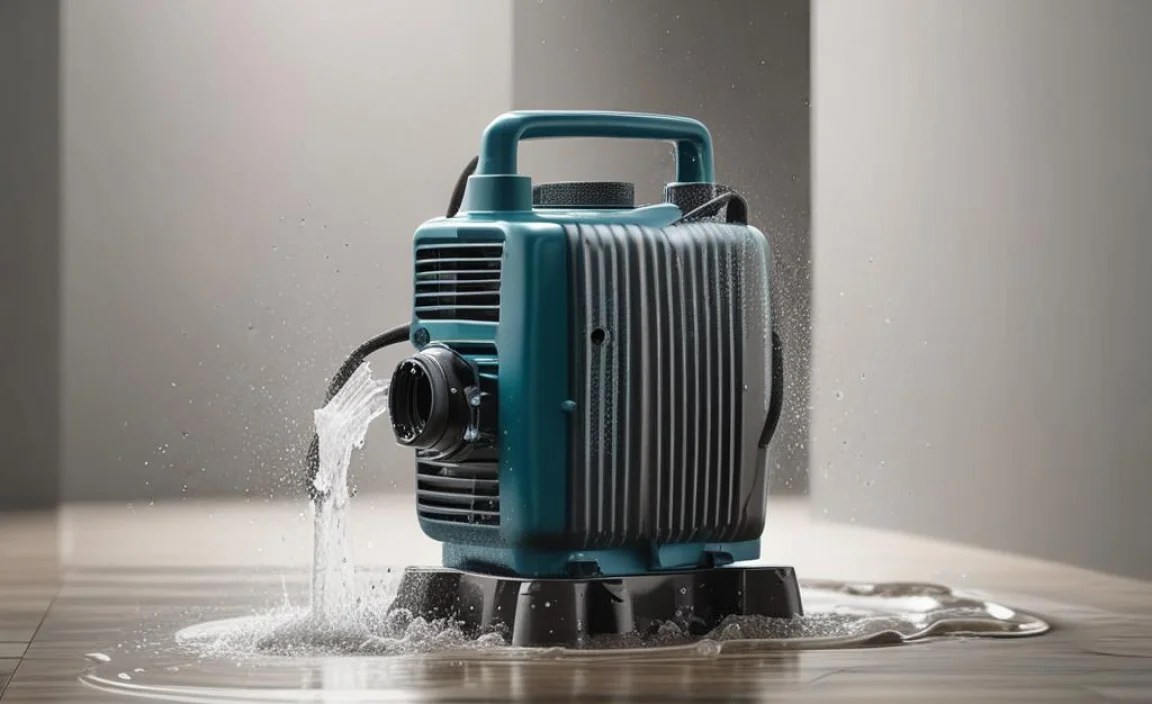
Choosing the right automatic floor water pump is important. You need to think about a few things. First, how much water do you need to pump? Look at the pump’s flow rate. This tells you how many gallons per hour (GPH) it can pump. A higher GPH means the pump can move more water quickly. Next, consider the size of your space. A small basement might only need a small pump. A large area needs a more powerful pump. Also, think about how often you might need to use the pump. If you live in an area with frequent flooding, you need a reliable pump. Finally, look at the pump’s features. Some pumps have automatic shut-off. This prevents the pump from running dry. Others have alarms that tell you when there is a problem. Choose a pump that fits your needs and budget. This will help you keep your home dry and safe.
- Consider the pump’s flow rate (GPH).
- Think about the size of your space.
- Choose a pump that is reliable.
- Look for features like automatic shut-off.
- Read reviews to see what others say.
- Check the warranty on the pump.
Imagine you are buying a new bike. You would think about what kind of riding you will do. Will you ride on smooth roads or rough trails? The same is true for a floor water pump automatic. Think about your needs. Do you have a small leak or a big flood? This will help you choose the right pump. Don’t just buy the cheapest pump you can find. A good pump will last longer and work better. It will save you money in the long run. Take your time and do your research. This will help you find the perfect pump for your home.
Fun Fact or Stat: Some high-capacity pumps can move over 3,000 gallons of water per hour!
What is the Right Size for My Basement?
What is the right size pump for your basement? This depends on the size of your basement. It also depends on how much water you need to pump. A small basement might only need a small pump. A large basement needs a bigger pump. To figure out the right size, measure your basement. Then, think about how much water you expect to deal with. If you only have small leaks, a small pump is fine. If you get a lot of water, you need a more powerful pump. It is always better to get a pump that is a little too big. This will make sure it can handle any amount of water. Talk to a professional if you are not sure. They can help you choose the right size pump.
What Flow Rate (GPH) Do I Need?
Do you know what flow rate you need? The flow rate is measured in gallons per hour (GPH). This tells you how much water the pump can move. To figure out the right flow rate, think about your situation. How quickly do you need to remove the water? If you have a small leak, a lower GPH pump might be okay. If you have a big flood, you need a higher GPH pump. It is better to choose a pump with a higher GPH than you think you need. This will make sure it can handle any amount of water. Look for pumps with at least 1,000 GPH for a typical basement. If you have a large basement, you might need more.
Should I Get a Submersible or Pedestal Pump?
Should you get a submersible or pedestal pump? A submersible pump sits in the water. A pedestal pump sits above the water. Submersible pumps are quieter. They can also handle more water. Pedestal pumps are easier to repair. They are also less expensive. The best choice depends on your needs. If you want a quiet pump that can handle a lot of water, choose a submersible pump. If you want a less expensive pump that is easy to repair, choose a pedestal pump. Think about your budget and your space. This will help you decide which type of pump is best for you.
Installing Your Floor Water Pump Automatic

Installing your floor water pump automatic is a simple process. First, read the instructions that come with the pump. Make sure you understand how to install it correctly. Place the pump in the lowest part of your basement or floor. This is where the water will collect. Make sure the pump is on a flat surface. This will help it work properly. Connect the discharge hose to the pump. Run the hose to a place where the water can drain away. This could be outside or into a drain. Plug the pump into an electrical outlet. Make sure the outlet is grounded. Test the pump to make sure it is working. Pour some water near the pump. The pump should turn on and remove the water. If it does not, check the instructions again. If you are not comfortable installing the pump yourself, ask a professional to help. This will make sure it is installed correctly and safely.
- Read the instructions carefully.
- Place the pump in the lowest area.
- Connect the discharge hose properly.
- Plug the pump into a grounded outlet.
- Test the pump to make sure it works.
Imagine you are putting together a puzzle. Each piece has to go in the right place. Installing a floor water pump automatic is like that. Each step is important. If you skip a step, the pump might not work right. Follow the instructions carefully. This will help you put the pump in the right place. It will also keep your home safe from water damage. If you get stuck, ask for help. A friend or family member might be able to help you. Or, call a professional. They have experience installing pumps. They can make sure it is done right.
Fun Fact or Stat: Proper installation can extend the life of your pump by several years!
Where Should I Place the Pump?
Where should you place the pump? You should place it in the lowest part of your basement. This is where water will naturally collect. Make sure the pump is on a flat surface. This will help it work correctly. Keep the pump away from things that could block it. For example, keep it away from boxes or furniture. You want the water to flow freely to the pump. This will help it remove water quickly and efficiently. If you have a sump pit, place the pump inside the pit. This will help protect the pump from debris. It will also make it easier to remove water. Always follow the manufacturer’s instructions for placement.
How Do I Connect the Discharge Hose?
Do you know how to connect the discharge hose? The discharge hose carries water away from the pump. It is important to connect it properly. First, find the outlet on the pump. This is where the hose will attach. Use a hose clamp to secure the hose to the pump. This will prevent leaks. Run the hose to a place where the water can drain away. This could be outside or into a drain. Make sure the hose is not kinked or blocked. This will prevent the water from flowing freely. If you are using a long hose, you might need to use a larger diameter hose. This will help the water flow more easily. Check the hose regularly for cracks or leaks.
How Do I Test the Pump After Installation?
How do you test the pump after installation? Testing the pump is easy. First, plug the pump into an electrical outlet. Make sure the outlet is grounded. Then, pour some water near the pump. The pump should turn on automatically. Watch the pump to make sure it is removing the water. Check the discharge hose to make sure water is flowing through it. If the pump does not turn on, check the power supply. Make sure the outlet is working. Also, check the float switch or sensor. Make sure it is not blocked. If the pump still does not work, consult the instructions. You might need to call a professional for help.
Maintaining Your Floor Water Pump Automatic

Maintaining your floor water pump automatic is important. Regular maintenance will keep it working well. It will also extend its life. Check the pump regularly for debris. Remove any dirt, leaves, or other things that might block it. Clean the pump’s intake screen. This will help the pump work efficiently. Check the discharge hose for cracks or leaks. Replace the hose if needed. Test the pump regularly. Make sure it turns on and removes water. If you have a battery backup, check the battery. Make sure it is fully charged. Replace the battery every few years. If you follow these tips, your pump will be ready when you need it. This will help you protect your home from water damage.
- Check the pump for debris regularly.
- Clean the intake screen often.
- Check the discharge hose for damage.
- Test the pump to ensure it works.
- Check the battery backup if you have one.
Think of your floor water pump automatic like a car. You need to change the oil and check the tires. This keeps the car running well. Your pump needs similar care. Cleaning it and checking the parts will keep it working. Regular maintenance will help you avoid big problems later. It will also save you money on repairs. A little bit of care can go a long way. It will keep your home safe and dry for many years.
Fun Fact or Stat: Regular maintenance can prevent up to 80% of pump failures!
How Often Should I Clean the Pump?
How often should you clean the pump? You should clean the pump at least twice a year. If you live in an area with a lot of rain, clean it more often. Debris can build up quickly. This can block the pump and make it less efficient. Cleaning the pump is easy. First, unplug the pump from the electrical outlet. Then, remove the pump from the water. Use a brush to clean the pump’s intake screen. Remove any dirt or debris. Rinse the pump with clean water. Put the pump back in place. Plug it back into the electrical outlet. Test the pump to make sure it is working.
How Do I Check the Discharge Hose?
Do you know how to check the discharge hose? The discharge hose carries water away from the pump. It is important to check it regularly for damage. Look for cracks, leaks, or kinks in the hose. If you see any damage, replace the hose. Make sure the hose is securely connected to the pump. Use a hose clamp to keep it in place. Also, make sure the hose is not blocked. Debris can build up inside the hose. This can prevent the water from flowing freely. If you suspect a blockage, try flushing the hose with water. If you cannot remove the blockage, replace the hose.
What Do I Do if the Pump Stops Working?
What do you do if the pump stops working? First, check the power supply. Make sure the pump is plugged into a working electrical outlet. Check the circuit breaker. Make sure it has not tripped. If the power supply is okay, check the pump itself. Make sure the float switch or sensor is not blocked. Remove any debris that might be preventing it from working. If the pump still does not work, consult the instructions. You might need to call a professional for help. Do not try to repair the pump yourself. This could be dangerous. A professional can diagnose the problem and fix it safely.
Troubleshooting Common Problems with Automatic Floor Water Pumps
Sometimes, even the best automatic floor water pump can have problems. Knowing how to troubleshoot these problems can save you time and money. One common problem is the pump not turning on. This could be due to a power issue. Check the electrical outlet and circuit breaker. Another problem is the pump running constantly. This could be a stuck float switch. Try gently moving the float switch to see if it frees up. Sometimes, the pump might make strange noises. This could mean there is debris inside the pump. Clean the pump and check the intake screen. If the pump is not removing water efficiently, check the discharge hose. Make sure it is not blocked or kinked. If you cannot fix the problem yourself, call a professional. They can diagnose and repair the pump.
- Pump does not turn on: Check power supply.
- Pump runs constantly: Check float switch.
- Pump makes strange noises: Clean the pump.
- Pump is not efficient: Check discharge hose.
- Call a professional if you cannot fix it.
Imagine your floor water pump automatic is like a detective. It is trying to solve a mystery. The mystery is why it is not working. You need to look for clues. Is the power on? Is something blocking the pump? By looking for clues, you can solve the mystery. You can get your pump working again. If you cannot solve the mystery, don’t worry. A professional can help. They are like expert detectives. They can find the problem and fix it.
Fun Fact or Stat: Many pump problems are caused by simple issues like a clogged intake screen or a tripped circuit breaker.
What if the Pump Won’t Turn On?
What if the pump will not turn on? First, check the power. Is the pump plugged in? Is the outlet working? You can test the outlet with another device. If the outlet is working, check the circuit breaker. Has it tripped? If so, reset the breaker. If the pump still will not turn on, check the float switch. Is it stuck? Gently move the float switch up and down. This might free it. If none of these things work, the pump might be broken. You might need to call a professional to repair or replace it.
What if the Pump Runs Constantly?
What if the pump runs constantly? This usually means the float switch is stuck. The float switch tells the pump when to turn on and off. If it is stuck in the “on” position, the pump will keep running. Try gently moving the float switch. This might free it. You can also try cleaning the float switch. Debris can sometimes cause it to stick. If cleaning and moving the float switch do not work, it might be broken. You might need to replace the float switch. Consult the pump’s instructions for how to do this.
What if the Pump is Making Strange Noises?
What if the pump is making strange noises? Strange noises can be a sign of a problem. It could mean there is debris inside the pump. It could also mean a part is broken. First, unplug the pump. Then, carefully inspect it for any visible damage. Clean the pump and the intake screen. Remove any debris that might be causing the noise. If the noise persists after cleaning, a part might be broken. You should call a professional to diagnose and repair the pump. Do not continue to use the pump if it is making strange noises. This could cause further damage.
Safety Tips for Using a Floor Water Pump Automatic
Using a floor water pump automatic is generally safe. But, you should still follow some safety tips. Always unplug the pump before cleaning or repairing it. This will prevent electric shock. Make sure the electrical outlet is grounded. This will also prevent electric shock. Never use the pump in flammable liquids. This could cause a fire or explosion. Keep children and pets away from the pump. They could get hurt if they touch it. Inspect the pump regularly for damage. If you see any damage, do not use the pump. Have it repaired by a professional. By following these safety tips, you can use your pump safely and effectively.
| Safety Tip | Description |
|---|---|
| Unplug Before Cleaning | Always unplug the pump before cleaning or repairing it. |
| Grounded Outlet | Use a grounded electrical outlet to prevent shock. |
| No Flammable Liquids | Never use the pump with flammable liquids. |
| Keep Away from Children | Keep children and pets away from the pump. |
| Inspect Regularly | Check the pump for damage before each use. |
- Unplug the pump before cleaning.
- Use a grounded electrical outlet.
- Do not use with flammable liquids.
- Keep children and pets away.
- Inspect the pump regularly.
Imagine you are riding a bike. You wear a helmet to protect your head. Following safety tips is like wearing a helmet. It protects you from harm. It is important to follow the safety tips when using a floor water pump automatic. This will keep you safe. It will also keep your home safe. Always be careful when working with electricity. If you are not sure about something, ask a professional.
Fun Fact or Stat: Electric shock can be fatal, so always take electrical safety seriously!
Why is Grounding Important?
Why is grounding important? Grounding provides a safe path for electricity. If there is a short circuit, the electricity will flow to the ground. This will prevent you from getting an electric shock. A grounded outlet has three prongs. The third prong is the ground. Make sure your pump is plugged into a grounded outlet. This will protect you from electric shock. If you are not sure if your outlet is grounded, ask an electrician. They can test the outlet and make sure it is safe.
What Should I Do if I See Sparks?
What should you do if you see sparks? Sparks are a sign of a serious problem. They mean there is a short circuit. If you see sparks, immediately unplug the pump. Do not touch the pump while it is sparking. This could give you an electric shock. Call an electrician to inspect the pump and the electrical outlet. Do not try to fix the problem yourself. This could be dangerous. An electrician can diagnose the problem and fix it safely. Do not use the pump again until it has been repaired.
Can I Use an Extension Cord?
Can you use an extension cord? It is best to avoid using an extension cord. Extension cords can be dangerous. They can overheat and cause a fire. If you must use an extension cord, choose a heavy-duty cord. Make sure it is rated for the pump’s power requirements. Do not use a damaged extension cord. Inspect the cord for cracks or frayed wires. If you see any damage, replace the cord. Never overload an extension cord. Do not plug too many devices into it. This could cause it to overheat. It is always safer to plug the pump directly into a grounded outlet.
Benefits of Having a Floor Water Pump Automatic
There are many benefits to having a floor water pump automatic. The biggest benefit is protection from water damage. A pump can remove water quickly. This can prevent costly damage to your home. It can also prevent mold growth. Mold can cause health problems. Another benefit is peace of mind. You can relax knowing your home is protected. You don’t have to worry about flooding. These pumps are also easy to use. They turn on automatically when water is detected. They turn off when the water is gone. This makes them very convenient. Finally, these pumps can save you money. They can prevent costly repairs from water damage. They can also lower your insurance costs. For all these reasons, a floor water pump automatic is a smart investment.
- Prevents costly water damage.
- Reduces the risk of mold growth.
- Provides peace of mind.
- Easy to use and automatic.
- Can save money on repairs.
Imagine you are on vacation. You are relaxing on a beach. You don’t have to worry about your home. You know your floor water pump automatic is protecting it. This is the peace of mind that a pump can provide. It is like having a silent guardian. It is always watching for water. It is ready to protect your home. This peace of mind is worth a lot. It allows you to focus on other things. It allows you to enjoy your life.
Fun Fact or Stat: Homeowners insurance rates can increase after a water damage claim, but a pump can help prevent future claims!
How Does It Prevent Water Damage?
How does it prevent water damage? A floor water pump automatic prevents water damage by removing water quickly. When water enters your basement, the pump turns on. It pumps the water away. This prevents the water from building up. It also prevents the water from soaking into your walls and floors. Water can cause a lot of damage. It can damage your furniture, carpets, and walls. It can also cause mold growth. Mold can damage your health. By removing water quickly, the pump prevents all of these problems. It keeps your home dry and safe.
How Does It Reduce Mold Growth?
How does it reduce mold growth? Mold needs moisture to grow. A floor water pump automatic removes moisture. This prevents mold from growing. Mold can cause health problems. It can also damage your home. Removing water quickly is the best way to prevent mold. The pump does this automatically. It turns on when water is detected. It pumps the water away. This keeps your basement dry. It prevents mold from growing. This protects your health and your home.
How Does It Save Money in the Long Run?
How does it save money in the long run? A floor water pump automatic saves money by preventing water damage. Water damage can be very expensive to repair. You might have to replace your furniture, carpets, and walls. You might also have to pay for mold remediation. These repairs can cost thousands of dollars. A pump can prevent all of these costs. It removes water quickly. This prevents water damage. It also prevents mold growth. By preventing these problems, the pump saves you money in the long run. It is a smart investment for your home.
Summary
A floor water pump automatic is a great way to protect your home from water damage. These pumps use sensors to detect water. When water is detected, the pump turns on. It removes the water quickly. This prevents costly damage. Choosing the right pump is important. Consider the size of your basement. Think about how much water you need to pump. Regular maintenance will keep your pump working well. Check the pump for debris. Clean the intake screen. Check the discharge hose. Following safety tips is also important. Always unplug the pump before cleaning it. Use a grounded electrical outlet. By following these tips, you can keep your home safe and dry.
Conclusion
A floor water pump automatic is a valuable tool. It helps protect your home from the dangers of flooding. It gives you peace of mind during heavy rains. With proper installation and regular care, your pump will last for years. It will keep your basement dry. It will prevent costly water damage. So, consider investing in a good quality pump. It’s a smart way to safeguard your home.
Frequently Asked Questions
Question No 1: What is a floor water pump automatic, and how does it work?
Answer: A floor water pump automatic is a device that removes water from basements or other low-lying areas. It has a sensor that detects water. When water is present, the pump automatically turns on. It pumps the water away through a hose. Once the water is gone, the pump turns off. This helps prevent flooding and water damage. The automatic feature makes it easy to use. You don’t have to manually turn it on and off. This is very convenient, especially during heavy rains or storms. These pumps are very effective in keeping your home dry and safe from water damage.
Question No 2: How do I choose the right size pump for my basement?
Answer: Choosing the right size pump depends on the size of your basement. It also depends on how much water you expect to remove. Look at the pump’s flow rate, measured in gallons per hour (GPH). A higher GPH means the pump can remove more water quickly. For a small basement, a pump with 1,000 GPH might be enough. For a larger basement, you might need a pump with 2,000 GPH or more. It is always better to choose a pump that is slightly larger than you need. This will ensure it can handle any amount of water. Consider the risk of flooding in your area when making your decision. A floor water pump automatic is a worthwhile investment to protect your house.
Question No 3: Where is the best place to install a floor water pump automatic?
Answer: The best place to install a floor water pump automatic is in the lowest part of your basement. This is where water will naturally collect. Make sure the pump is on a flat surface. This will help it work properly. Keep the pump away from things that could block it. For example, keep it away from boxes or furniture. You want the water to flow freely to the pump. If you have a sump pit, place the pump inside the pit. This will help protect the pump from debris. It will also make it easier to remove water. Always follow the manufacturer’s instructions for placement.
Question No 4: How often should I maintain my floor water pump automatic?
Answer: You should maintain your floor water pump automatic at least twice a year. Regular maintenance will keep it working well. It will also extend its life. Check the pump regularly for debris. Remove any dirt, leaves, or other things that might block it. Clean the pump’s intake screen. This will help the pump work efficiently. Check the discharge hose for cracks or leaks. Replace the hose if needed. Test the pump regularly. Make sure it turns on and removes water. These simple steps can prevent problems.
Question No 5: What are some common problems with floor water pumps, and how can I fix them?
Answer: Some common problems include the pump not turning on, running constantly, or making strange noises. If the pump will not turn on, check the power supply. Make sure it is plugged in and the circuit breaker has not tripped. If the pump runs constantly, the float switch might be stuck. Try gently moving it to free it. If the pump makes strange noises, there might be debris inside. Clean the pump and the intake screen. If you cannot fix the problem, call a professional. They can diagnose and repair the pump. Remember, a properly working floor water pump automatic is key to preventing water damage.
Question No 6: Is it safe to use a floor water pump automatic around children and pets?
Answer: Yes, it is generally safe to use a floor water pump automatic around children and pets. But, you should still take some precautions. Keep children and pets away from the pump when it is running. They could get hurt if they touch it. Make sure the electrical outlet is grounded. This will prevent electric shock. Never use the pump in flammable liquids. This could cause a fire or explosion. Inspect the pump regularly for damage. If you see any damage, do not use the pump. Have it repaired by a professional. By following these safety tips, you can use your pump safely.


