How to Fix Water Pump Short Cycling: A Step-by-Step Guide

Quick Summary: Water pump short cycling means your pump turns on and off too frequently. To fix it, first check the pressure tank’s air charge. If it’s low, add air. Then, inspect the pressure switch for damage or debris. Adjust the pressure switch settings if needed. Finally, look for leaks in your plumbing system and repair them promptly. Addressing these issues will help your pump run smoothly and last longer.
Is your water pump driving you crazy by constantly turning on and off? This annoying problem, called short cycling, not only wastes energy but can also shorten the life of your pump. Don’t worry! Fixing it is often straightforward. This guide will walk you through the common causes of short cycling and provide simple steps to get your water system back on track. We’ll cover everything from checking your pressure tank to adjusting the pressure switch, so you can tackle this issue with confidence. Let’s get started!
Understanding Water Pump Short Cycling

Water pump short cycling occurs when your well pump turns on and off too rapidly. Instead of running for a reasonable amount of time to fill the pressure tank, it cycles on and off in short bursts. This puts extra stress on the pump motor, leading to premature wear and tear and potentially higher electricity bills. Understanding the causes is the first step to fixing the problem.
Common Causes of Short Cycling
Several factors can contribute to water pump short cycling. Here are the most common culprits:
- Low Air Charge in the Pressure Tank: The pressure tank uses a cushion of air to maintain water pressure. If the air charge is too low, the pump will cycle on and off more frequently.
- Waterlogged Pressure Tank: Over time, the pressure tank can become waterlogged, reducing its ability to store water and maintain consistent pressure.
- Faulty Pressure Switch: The pressure switch controls when the pump turns on and off. A malfunctioning switch can cause erratic cycling.
- Leaks in the Plumbing System: Leaks, even small ones, can cause a drop in pressure, triggering the pump to turn on more often.
- Incorrect Pressure Switch Settings: If the pressure switch is set incorrectly, it may cause the pump to cycle at inappropriate intervals.
Step-by-Step Guide to Fixing Water Pump Short Cycling

Now, let’s dive into the steps you can take to diagnose and fix water pump short cycling.
Step 1: Check the Pressure Tank’s Air Charge
The pressure tank’s air charge is crucial for proper pump operation. Here’s how to check and adjust it:
- Turn Off the Pump: Locate the circuit breaker for your well pump and switch it off. This is a critical safety step.
- Drain the Tank: Open a faucet in the house and let the water run until the pressure tank is completely empty. This ensures an accurate air pressure reading.
- Check the Air Charge: Locate the Schrader valve (like the one on a car tire) on top of the pressure tank. Use a tire pressure gauge to check the air pressure. The pressure should be 2 PSI below the pump’s cut-in pressure (usually 28 PSI if the cut-in is 30 PSI).
- Adjust the Air Charge: If the air pressure is too low, use an air compressor to add air until it reaches the correct level. If it’s too high, release some air by pressing the valve core.
- Turn the Pump Back On: Close the faucet and turn the circuit breaker back on. Observe the pump’s behavior to see if the short cycling has stopped.
Step 2: Inspect the Pressure Switch
The pressure switch is responsible for turning the pump on and off based on water pressure. Here’s how to inspect it:
- Turn Off the Pump: Again, switch off the circuit breaker for the well pump.
- Locate the Pressure Switch: The pressure switch is usually located near the pressure tank and has wires connected to it.
- Inspect for Damage: Look for any signs of damage, such as cracks, corrosion, or loose wires. Replace the switch if you find any damage.
- Clean the Switch: Sometimes, debris can interfere with the switch’s operation. Carefully clean the switch with a brush or cloth to remove any dirt or sediment.
- Check the Wiring: Ensure all wires are securely connected to the switch. Loose connections can cause erratic behavior.
- Turn the Pump Back On: Turn the circuit breaker back on and observe the pump’s behavior.
Step 3: Adjust the Pressure Switch Settings
If the pressure switch is not damaged but the pump is still short cycling, you may need to adjust the settings. Here’s how:
- Turn Off the Pump: Switch off the circuit breaker for the well pump.
- Locate the Adjustment Nuts: The pressure switch typically has two adjustment nuts. One adjusts the cut-in pressure (the pressure at which the pump turns on), and the other adjusts the differential (the pressure difference between the cut-in and cut-out pressures).
- Adjust the Cut-In Pressure: To increase the cut-in pressure, turn the larger nut clockwise. To decrease it, turn it counterclockwise. Make small adjustments and observe the pump’s behavior after each adjustment.
- Adjust the Differential: To increase the differential, turn the smaller nut clockwise. To decrease it, turn it counterclockwise. A larger differential means the pump will run for a longer period.
- Turn the Pump Back On: Turn the circuit breaker back on and monitor the pump’s cycling. Continue adjusting the settings until the pump cycles properly.
Step 4: Check for Leaks in the Plumbing System
Even small leaks can cause a significant drop in pressure, leading to short cycling. Here’s how to check for leaks:
- Inspect Faucets and Fixtures: Check all faucets, showerheads, and toilets for drips or leaks. Repair or replace any leaky fixtures.
- Check Pipes and Fittings: Examine all visible pipes and fittings for signs of leaks, such as water stains or corrosion. Pay close attention to joints and connections.
- Check the Well Head: Inspect the well head for any signs of leaks or damage.
- Check Underground Pipes: If you suspect a leak in an underground pipe, you may need to call a professional plumber to locate and repair it.
- Repair Leaks Promptly: Repair any leaks as soon as possible to prevent further water loss and pump cycling.
Advanced Troubleshooting
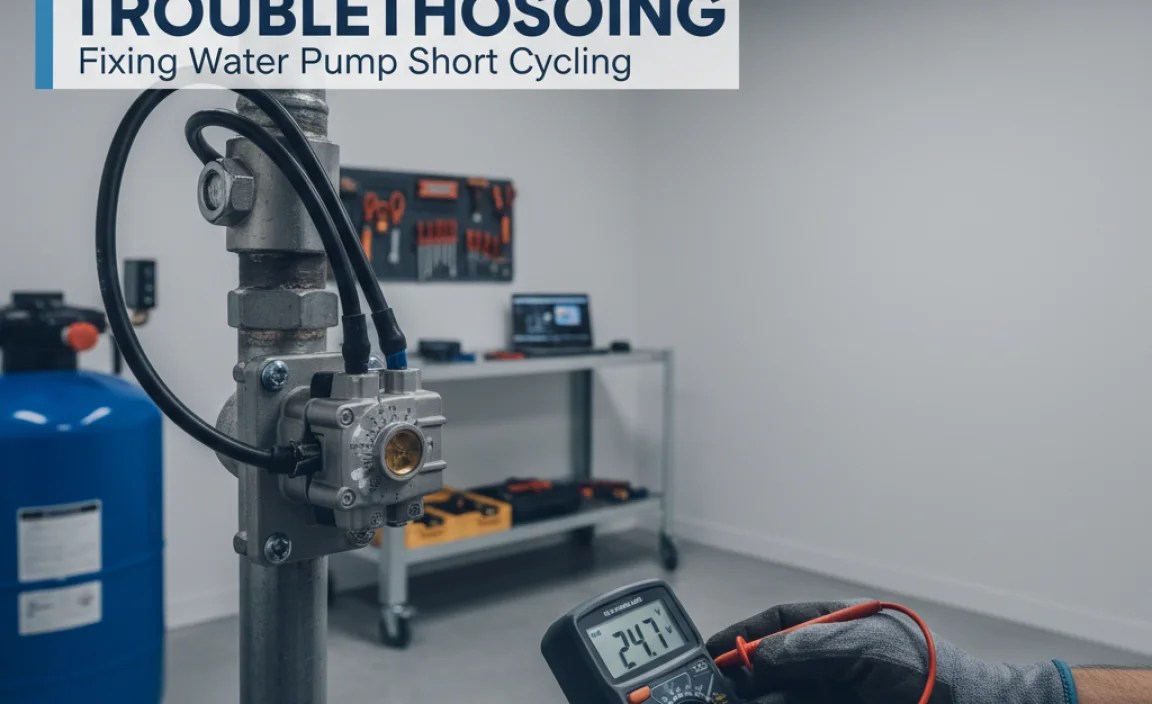
If you’ve tried the above steps and your water pump is still short cycling, here are some more advanced troubleshooting tips:
Check Valve Issues
A check valve prevents water from flowing back into the well when the pump is off. If the check valve is faulty, it can cause a rapid loss of pressure, leading to short cycling. Here’s how to check it:
- Locate the Check Valve: The check valve is usually located near the pump or in the well casing.
- Inspect the Valve: Remove the check valve and inspect it for damage or debris. Clean or replace the valve as needed.
- Test the Valve: To test the valve, try blowing through it in both directions. It should only allow air to flow in one direction.
Sediment Accumulation
Sediment buildup in the pressure tank or pipes can reduce the system’s capacity and cause short cycling. Here’s how to address it:
- Flush the Tank: Drain the pressure tank completely to remove any accumulated sediment.
- Flush the Pipes: Open all faucets and let the water run for several minutes to flush out any sediment in the pipes.
- Install a Sediment Filter: Consider installing a sediment filter to prevent sediment from entering the system in the future.
Well Issues
In some cases, short cycling can be caused by problems with the well itself, such as a low water table or a collapsing well casing. If you suspect a well issue, it’s best to consult with a professional well contractor.
Tools You’ll Need
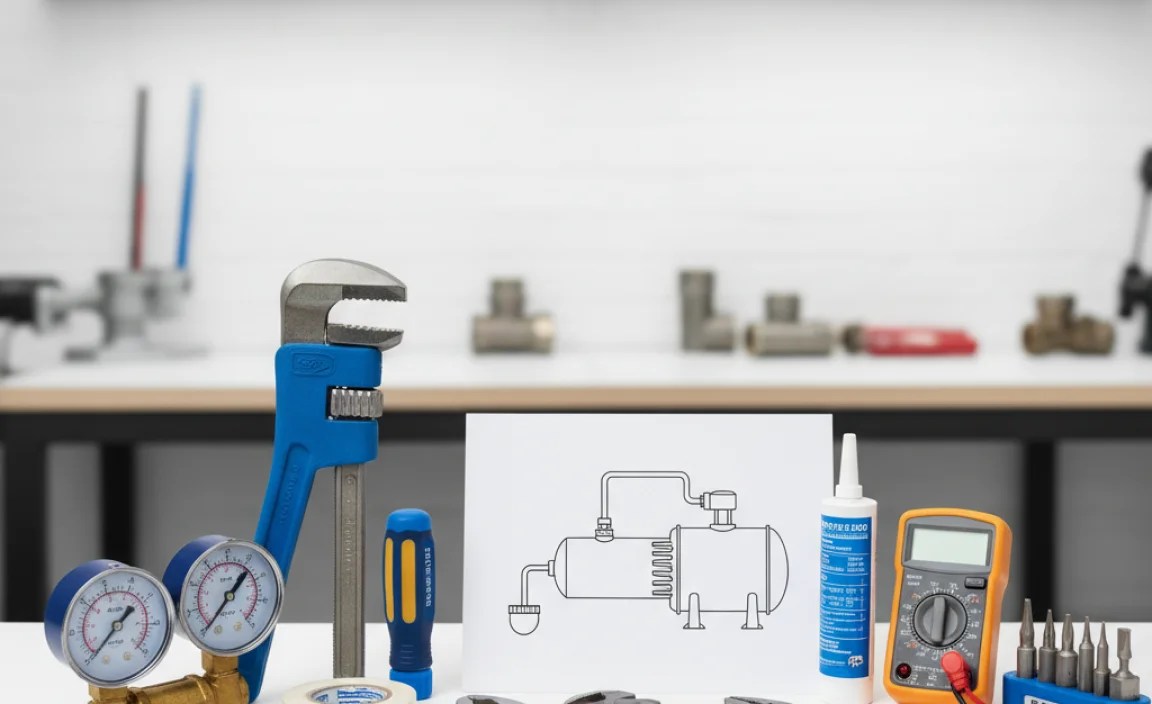
To fix water pump short cycling, you’ll likely need the following tools:
- Screwdrivers: For removing and tightening screws.
- Wrenches: For adjusting the pressure switch and tightening fittings.
- Tire Pressure Gauge: For checking the air charge in the pressure tank.
- Air Compressor: For adding air to the pressure tank.
- Multimeter: For testing electrical components (if you’re comfortable working with electricity).
- Pipe Wrench: For tightening or loosening pipe fittings.
- Teflon Tape: For sealing pipe threads.
Preventative Maintenance
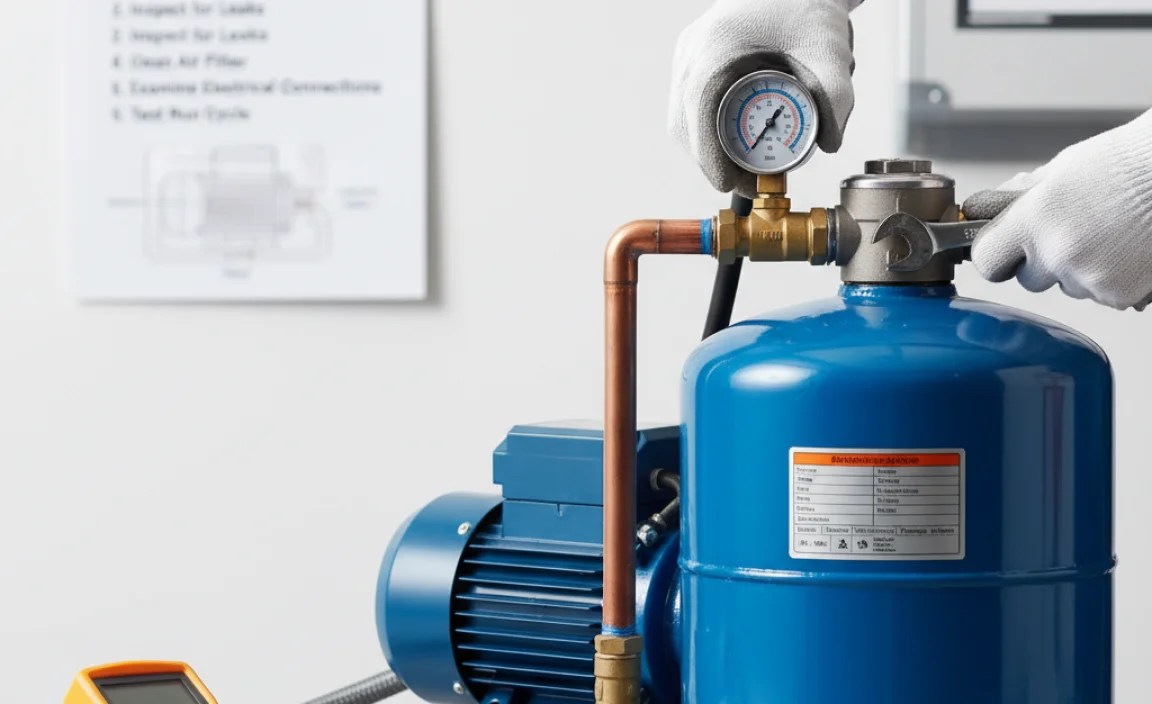
Preventing short cycling is always better than fixing it. Here are some tips for maintaining your water system:
- Regularly Check the Air Charge: Check the air charge in the pressure tank at least once a year.
- Inspect for Leaks: Regularly inspect your plumbing system for leaks and repair them promptly.
- Flush the Tank: Flush the pressure tank every few years to remove sediment.
- Replace the Pressure Switch: Replace the pressure switch every 5-10 years, or as needed.
- Consider a Water Softener: If you have hard water, consider installing a water softener to prevent mineral buildup in your pipes and fixtures.
Cost Considerations
The cost of fixing water pump short cycling can vary depending on the cause and the extent of the problem. Here’s a general idea of what you can expect to pay:
| Repair | Estimated Cost |
|---|---|
| Adjusting Pressure Switch | $0 – $5 (DIY) |
| Replacing Pressure Switch | $20 – $50 (DIY) / $100 – $200 (Professional) |
| Replacing Pressure Tank | $100 – $300 (DIY) / $300 – $600 (Professional) |
| Repairing Leaks | $0 – $20 (DIY) / $100 – $500 (Professional) |
| Replacing Check Valve | $15 – $40 (DIY) / $150 – $300 (Professional) |
When to Call a Professional
While many short cycling issues can be resolved with DIY troubleshooting, there are times when it’s best to call a professional plumber or well contractor. Consider calling a professional if:
- You’re not comfortable working with electricity.
- You suspect a problem with the well itself.
- You can’t locate the source of the problem.
- You’ve tried the above steps and the pump is still short cycling.
FAQ: Water Pump Short Cycling
Here are some frequently asked questions about water pump short cycling:
- Why is my water pump turning on and off so frequently?
- The most common causes are a low air charge in the pressure tank, a faulty pressure switch, or leaks in your plumbing system.
- How do I check the air pressure in my pressure tank?
- Turn off the pump, drain the tank, and use a tire pressure gauge to check the air pressure at the Schrader valve on top of the tank. It should be 2 PSI below the pump’s cut-in pressure.
- What is a pressure switch, and what does it do?
- The pressure switch is a device that controls when the pump turns on and off based on the water pressure in the system. It senses the pressure and signals the pump to start or stop.
- Can a small leak cause short cycling?
- Yes, even small leaks can cause a drop in pressure, triggering the pump to turn on more often and leading to short cycling.
- How often should I check my pressure tank?
- You should check the air charge in your pressure tank at least once a year to ensure it’s functioning properly.
- Is it safe to adjust the pressure switch myself?
- Yes, but be sure to turn off the power to the pump first and make small adjustments, observing the pump’s behavior after each adjustment.
- What if I can’t fix the short cycling myself?
- If you’re not comfortable working with electricity or plumbing, or if you’ve tried the above steps and the pump is still short cycling, it’s best to call a professional plumber or well contractor.
External Resources
For more in-depth information, consider checking out these resources:
- Environmental Protection Agency (EPA) – Private Wells
- United States Geological Survey (USGS) – Wells
Conclusion
Fixing water pump short cycling might seem daunting, but with a systematic approach, you can often resolve the issue yourself. By checking the pressure tank’s air charge, inspecting the pressure switch, looking for leaks, and performing regular maintenance, you can keep your water system running smoothly and extend the life of your pump. Remember to prioritize safety by turning off the power before working on any electrical components. If you encounter a problem you can’t handle, don’t hesitate to call a professional. With a little effort, you can enjoy consistent water pressure and a more reliable water system for years to come.
“`