
How Quickly Should Your Well Pump Pressure Tank Cycle? A Simple Guide

Quick Summary: A healthy well pump pressure tank should cycle every 30 seconds to 2 minutes while water is being used. If it’s cycling faster than that, it could indicate a problem like a waterlogged tank, incorrect air pressure, or a faulty pressure switch. Addressing these issues promptly can prevent damage to your well pump and ensure a consistent water supply.
Is your well pump making strange noises or turning on and off too frequently? Don’t worry, you’re not alone! Many homeowners experience issues with their well pump pressure tanks. It can be frustrating when your water pressure is inconsistent, or you hear that pump kick on every few seconds. The good news is that understanding how your well pump should cycle is the first step to diagnosing and fixing the problem. We’ll walk you through the ideal cycling rate and what to do if yours isn’t performing as it should. Let’s get started!
Understanding Well Pump Cycling

Your well pump system is designed to provide a consistent flow of water to your home. The pressure tank plays a crucial role in this process. To understand how quickly your well pump should cycle, it’s important to grasp the basic components and their functions:
- Well Pump: Submerged in the well, this pump pushes water into your home’s plumbing system.
- Pressure Tank: A storage tank that holds water under pressure, allowing you to use water without the pump turning on every time you open a faucet.
- Pressure Switch: A sensor that monitors the water pressure in the tank and tells the pump when to turn on and off.
When you turn on a faucet, water is drawn from the pressure tank. As the water level in the tank decreases, the pressure drops. When the pressure reaches a pre-set “cut-in” pressure (usually around 40 PSI), the pressure switch activates the well pump. The pump then refills the tank until it reaches the “cut-out” pressure (usually around 60 PSI), at which point the pressure switch shuts off the pump. This cycle repeats as you use water.
The Ideal Cycling Rate

So, how quickly *should* your well pump pressure tank cycle? The answer depends on a few factors, including the size of your tank, the pump’s capacity, and your water usage. However, a general guideline is:
Under normal water usage, a well pump should cycle every 30 seconds to 2 minutes.
This means that when you’re running a faucet or shower, the pump shouldn’t be turning on and off more frequently than every 30 seconds. If it is, it’s a sign that something is wrong.
What Causes Rapid Cycling?

Rapid cycling, also known as short cycling, is when your well pump turns on and off too frequently. This can put unnecessary strain on the pump, shorten its lifespan, and lead to inconsistent water pressure. Here are the most common causes of rapid cycling:
- Waterlogged Tank: This is the most frequent culprit. A pressure tank contains a bladder or diaphragm that separates the water from a cushion of compressed air. If the bladder fails or the air charge is lost, the tank becomes waterlogged. This means there’s very little or no air cushion, so the pump has to turn on more often to maintain pressure.
- Incorrect Air Pressure: Even if the bladder is intact, the air pressure in the tank may be too low. This reduces the tank’s capacity to store water under pressure, leading to frequent cycling.
- Faulty Pressure Switch: A malfunctioning pressure switch can send incorrect signals to the pump, causing it to turn on and off at the wrong times.
- Leaks in the Plumbing: A leak, even a small one, can cause the pressure to drop quickly, triggering the pump to cycle more often.
- Clogged or Failing Well Pump: A pump that’s struggling to deliver water efficiently can also cause rapid cycling.
Troubleshooting Rapid Cycling: A Step-by-Step Guide

If your well pump is cycling too quickly, don’t panic! Here’s a step-by-step guide to help you diagnose and fix the problem:
Step 1: Check the Air Pressure in the Tank
This is the easiest and often the most effective first step. You’ll need a tire pressure gauge for this.
- Turn off the pump: Locate the breaker for your well pump and switch it off. This is crucial for safety.
- Drain the tank: Open a faucet somewhere in your house and let the water run until it stops. This will relieve the pressure in the tank.
- Locate the Schrader valve: This is the same type of valve you find on a car tire. It’s usually located on the top of the tank, often covered by a plastic cap.
- Check the air pressure: Use your tire pressure gauge to check the air pressure. It should be 2 PSI below the cut-in pressure of your pressure switch. For example, if your pressure switch is set to 40/60 PSI, the air pressure in the tank should be 38 PSI.
- Adjust the air pressure: If the pressure is too low, use an air compressor to add air to the tank until it reaches the correct level. If the pressure is too high, depress the Schrader valve to release air.
- Turn the pump back on: Flip the breaker back on and observe the pump’s cycling behavior.
Step 2: Check for Leaks
Even small leaks can cause rapid cycling. Inspect all visible plumbing connections, faucets, and toilets for any signs of leaks.
- Check Faucets and Toilets: Look for drips or signs of water around the base of faucets and toilets. A running toilet can be a major culprit.
- Inspect Plumbing Connections: Examine all pipe joints and connections for any signs of leaks. Look for water stains or mineral buildup.
- Check the Pressure Tank: Inspect the tank itself for any signs of rust or corrosion, which could indicate a leak.
Step 3: Test the Pressure Switch
A faulty pressure switch can cause the pump to cycle erratically. Here’s how to test it:
- Turn off the pump: Again, safety first! Turn off the breaker for the well pump.
- Locate the pressure switch: This is usually a small, square device mounted on a pipe near the pressure tank.
- Inspect the wiring: Check the wiring connections to the pressure switch for any signs of corrosion or damage.
- Test the switch with a multimeter: If you’re comfortable working with electricity, you can use a multimeter to test the continuity of the switch. Consult a wiring diagram and a qualified electrician if needed.
- Replace the switch: If the pressure switch is faulty, replace it with a new one of the same type.
Step 4: Inspect the Pressure Tank
If you’ve checked the air pressure, leaks, and pressure switch, and the pump is still cycling rapidly, the pressure tank itself may be the problem. A waterlogged tank is a common issue.
- Check for waterlogging: After shutting off the pump and draining the tank, tap on the side of the tank. If it sounds full of water from top to bottom, it’s likely waterlogged.
- Consider replacing the tank: If the tank is waterlogged, the bladder inside has probably failed. While some tanks have replaceable bladders, it’s often more cost-effective to replace the entire tank.
Step 5: Check the Well Pump
If you’ve exhausted all other possibilities, the problem may lie with the well pump itself. A failing or clogged pump can cause rapid cycling.
- Listen for unusual noises: A struggling pump may make unusual noises.
- Check the well water: If the water is dirty or contains sediment, it could indicate a problem with the well or the pump.
- Consult a professional: Diagnosing well pump problems can be complex. It’s best to consult a qualified well pump technician for a thorough inspection.
Preventing Rapid Cycling
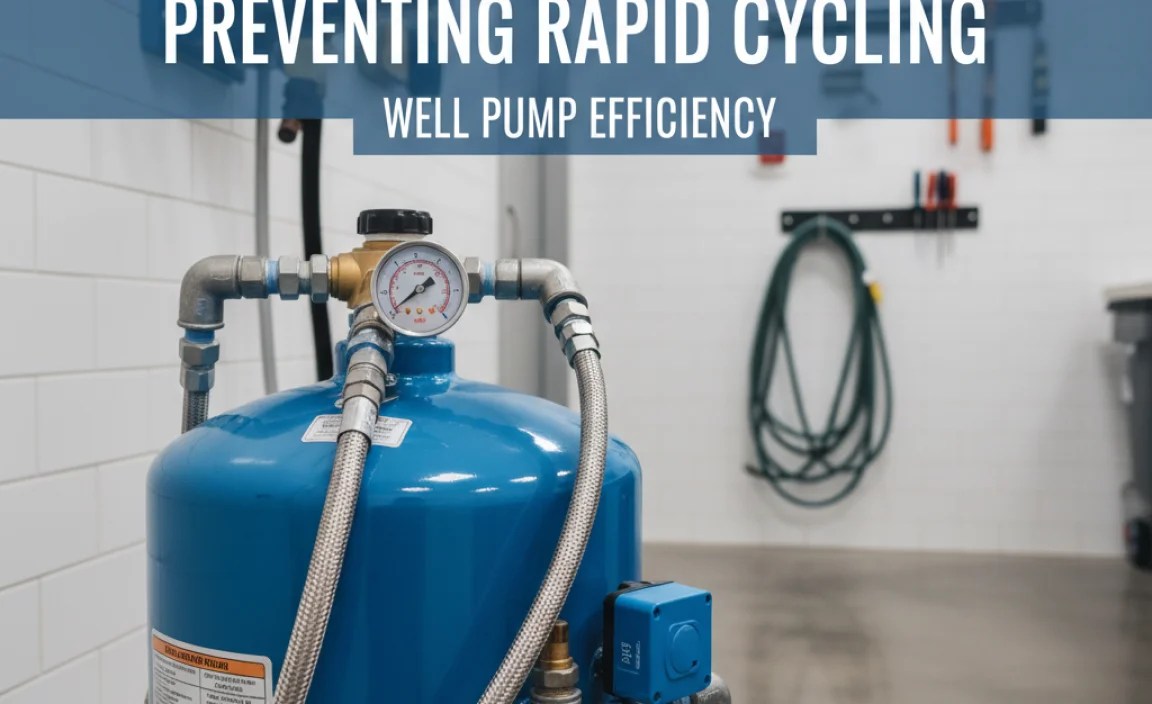
Prevention is always better than cure. Here are some tips to help prevent rapid cycling and extend the life of your well pump system:
- Regularly check the air pressure in the tank: Check the air pressure at least every six months and adjust as needed.
- Inspect for leaks: Regularly inspect your plumbing for leaks and repair them promptly.
- Install a sediment filter: If your well water contains sediment, install a sediment filter to protect the pump and plumbing.
- Consider a larger pressure tank: A larger tank can store more water, reducing the frequency of pump cycling.
- Schedule regular well maintenance: Have your well and pump inspected by a qualified technician every few years.
Choosing the Right Pressure Tank
Selecting the right pressure tank is crucial for optimal well pump performance. Here are some factors to consider:
- Tank Size: The size of the tank should be appropriate for your pump’s capacity and your water usage. A larger tank will generally result in less frequent pump cycling.
- Tank Type: There are two main types of pressure tanks: bladder tanks and diaphragm tanks. Bladder tanks have a replaceable bladder, while diaphragm tanks have a fixed diaphragm. Diaphragm tanks are generally more durable and require less maintenance.
- Material: Pressure tanks are typically made of steel or fiberglass. Fiberglass tanks are more resistant to corrosion.
Consult with a well pump professional to determine the best tank size and type for your specific needs.
Tools You’ll Need
Here’s a list of tools you might need to troubleshoot and repair well pump cycling issues:
- Tire Pressure Gauge: For checking the air pressure in the tank.
- Air Compressor: For adding air to the tank.
- Wrenches: For tightening plumbing connections.
- Screwdrivers: For removing and installing pressure switches.
- Multimeter: For testing the pressure switch (if you’re comfortable working with electricity).
- Plumber’s Tape: For sealing plumbing connections.
- Work Gloves: To protect your hands.
- Safety Glasses: To protect your eyes.
Cost Considerations
The cost of fixing rapid cycling issues can vary depending on the cause and the extent of the repairs. Here’s a general idea of what you can expect to pay:
| Repair | Estimated Cost |
|---|---|
| Adjusting Air Pressure | Free (if you have an air compressor) |
| Repairing a Minor Leak | $10 – $50 (for parts like plumber’s tape or a new fitting) |
| Replacing a Pressure Switch | $30 – $100 (plus labor if you hire a professional) |
| Replacing a Pressure Tank | $200 – $800 (plus labor) |
| Well Pump Repair or Replacement | $500 – $2000 (plus labor) |
These are just estimates, and the actual cost may vary depending on your location and the specific contractor you hire. Always get multiple quotes before hiring a professional.
DIY vs. Hiring a Professional
Some well pump repairs, like adjusting the air pressure or fixing a minor leak, can be easily done yourself. However, more complex repairs, like replacing a pressure tank or well pump, may require the expertise of a qualified professional. Here’s a quick guide to help you decide whether to DIY or hire a pro:
| Repair | DIY | Hire a Professional |
|---|---|---|
| Adjusting Air Pressure | Yes | No |
| Repairing a Minor Leak | Yes (if you’re comfortable with basic plumbing) | Maybe (if you’re not comfortable with plumbing) |
| Replacing a Pressure Switch | Maybe (if you’re comfortable with basic electrical work) | Yes (if you’re not comfortable with electrical work) |
| Replacing a Pressure Tank | Maybe (if you have the tools and experience) | Yes (recommended) |
| Well Pump Repair or Replacement | No | Yes (required) |
If you’re not comfortable with any of these repairs, or if you’re not sure what’s causing the problem, it’s always best to consult a professional. Working with well pump systems can be dangerous, and it’s important to ensure that the repairs are done correctly to avoid further damage or safety hazards.
FAQ: Well Pump Cycling
Here are some frequently asked questions about well pump cycling:
What is a normal cycle time for a well pump?
Under normal water usage, a well pump should cycle every 30 seconds to 2 minutes.
Why is my well pump turning on and off so much?
This could be due to a waterlogged tank, incorrect air pressure, a faulty pressure switch, leaks in the plumbing, or a failing well pump.
How do I check the air pressure in my well pressure tank?
Turn off the pump, drain the tank, locate the Schrader valve, and use a tire pressure gauge to check the pressure. It should be 2 PSI below the cut-in pressure of your pressure switch.
What happens if my well pump cycles too much?
Excessive cycling can put unnecessary strain on the pump, shorten its lifespan, and lead to inconsistent water pressure.
Can a leaking toilet cause my well pump to cycle frequently?
Yes, a running toilet can cause the pressure to drop quickly, triggering the pump to cycle more often.
How often should I replace my well pressure tank?
A well-maintained pressure tank can last for 10-15 years. However, if it becomes waterlogged or develops leaks, it should be replaced sooner.
Is it safe to drink water from a well that’s cycling rapidly?
While rapid cycling itself doesn’t necessarily contaminate the water, it can be a sign of underlying issues that could affect water quality. It’s always a good idea to have your well water tested regularly, especially if you’re experiencing well pump problems. The EPA provides resources on well water safety.
Conclusion
Understanding how your well pump pressure tank should cycle is key to maintaining a healthy and efficient water system. By regularly checking the air pressure, inspecting for leaks, and addressing any issues promptly, you can prevent rapid cycling and extend the life of your well pump. Remember, if you’re not comfortable with any of these repairs, it’s always best to consult a qualified professional. A little preventative maintenance can save you a lot of headaches and money in the long run. Now you have the knowledge to keep that water flowing smoothly!
“`


