
How to Make Hand Pump Water Flow Faster: Easy Fix

Quick Summary:
To make your hand pump water flow faster, start by checking for clogs in the intake pipe or foot valve. Ensure the pump cylinder and piston are in good condition and properly lubricated. A longer handle can increase leverage, and a larger diameter pipe can improve flow rate. Also, verify the water source is adequate and the pump is correctly primed.
Is your hand pump delivering water at a snail’s pace? It’s a common frustration, whether you’re drawing water for your garden or relying on a well. A slow-flowing hand pump can turn a simple task into a time-consuming chore. Don’t worry; there are several easy steps you can take to boost your pump’s performance. By checking for obstructions, optimizing your pump’s mechanics, and ensuring proper setup, you can enjoy a faster, more reliable water flow. Let’s dive into how to get your hand pump working like new!
Understanding Hand Pump Basics
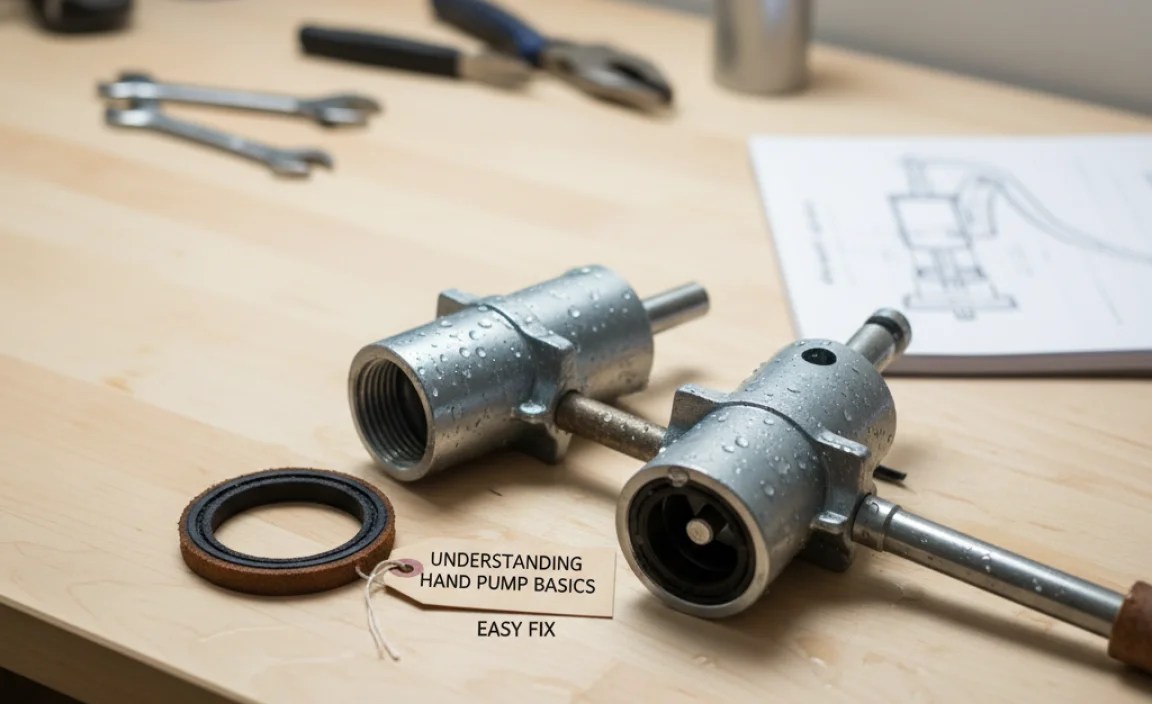
Before we jump into troubleshooting, let’s cover the basics of how a hand pump works. This knowledge will help you diagnose and fix the problem more effectively.
The Components of a Hand Pump
A typical hand pump consists of several key components:
- Handle: The lever you operate to create the pumping action.
- Piston: A movable component inside the cylinder that creates suction.
- Cylinder: The chamber in which the piston moves.
- Intake Pipe: The pipe that draws water from the source.
- Foot Valve: A one-way valve at the bottom of the intake pipe that prevents water from flowing back down.
- Discharge Spout: The outlet where water exits the pump.
How a Hand Pump Works
Here’s a simplified explanation of the pumping process:
- Upstroke: When you lift the handle, the piston moves upwards, creating a vacuum in the cylinder.
- Suction: The vacuum pulls water up the intake pipe through the foot valve.
- Downstroke: When you push the handle down, the piston forces the water in the cylinder out through the discharge spout.
- Repeat: This cycle repeats as you continue to operate the handle.
Troubleshooting Slow Water Flow
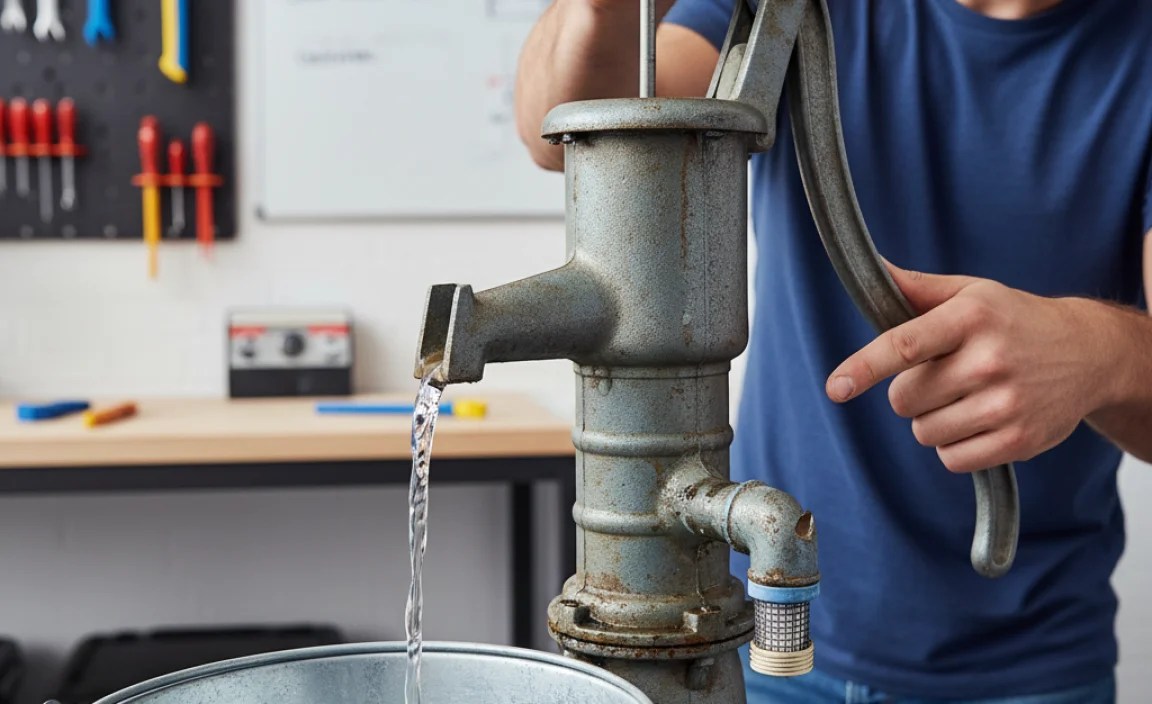
Now that we understand the basics, let’s identify the common causes of slow water flow and how to address them.
1. Check for Clogs and Obstructions
One of the most common reasons for slow water flow is a clog in the intake pipe or foot valve. Debris, sediment, or mineral buildup can restrict water flow.
How to Check for Clogs:
- Disconnect the Intake Pipe: Carefully disconnect the intake pipe from the pump.
- Inspect the Foot Valve: Check the foot valve for any visible debris or buildup. Clean it thoroughly.
- Flush the Intake Pipe: Use a garden hose to flush out any sediment or debris from the intake pipe.
- Reassemble and Test: Reconnect the intake pipe and test the pump.
2. Examine the Pump Cylinder and Piston
The condition of the pump cylinder and piston directly affects the pump’s efficiency. Wear and tear, corrosion, or improper lubrication can reduce suction and water flow.
How to Inspect the Cylinder and Piston:
- Disassemble the Pump: Follow the manufacturer’s instructions to disassemble the pump and access the cylinder and piston.
- Check for Wear: Look for signs of wear, corrosion, or damage on the cylinder walls and piston.
- Lubricate the Piston: Apply a food-grade lubricant to the piston to ensure smooth movement within the cylinder.
- Reassemble and Test: Reassemble the pump and test the water flow.
3. Optimize Handle Leverage
The length and design of the pump handle affect the amount of leverage you have. Increasing leverage can make it easier to draw water and improve flow rate.
How to Optimize Handle Leverage:
- Extend the Handle: If possible, extend the length of the handle to increase leverage. Be sure the modification is safe and doesn’t compromise the pump’s structural integrity.
- Adjust Pivot Point: Experiment with the handle’s pivot point to find the optimal position for leverage.
4. Increase Pipe Diameter
A larger diameter pipe can reduce friction and allow more water to flow through the system. Consider upgrading the intake pipe to a larger size.
How to Increase Pipe Diameter:
- Measure Existing Pipe: Determine the current diameter of the intake pipe.
- Select Larger Pipe: Choose a larger diameter pipe that is compatible with the pump connections.
- Replace the Pipe: Carefully replace the existing pipe with the larger diameter pipe.
- Test the Flow: Test the pump to see if the water flow has improved.
5. Verify Water Source Adequacy
Ensure that your water source (well, spring, etc.) is providing an adequate supply of water. A low water table or restricted source can limit the pump’s performance.
How to Check Water Source Adequacy:
- Monitor Water Level: Observe the water level in your well or source over time.
- Deepen the Well: If the water level is consistently low, consider deepening the well (if applicable and permissible).
- Clear Obstructions: Remove any obstructions that may be restricting water flow to the source.
6. Ensure Proper Priming
Priming is the process of filling the pump cylinder and intake pipe with water to create suction. If the pump is not properly primed, it will struggle to draw water.
How to Prime the Pump:
- Locate Priming Port: Find the priming port on the pump (usually a small opening near the top).
- Add Water: Pour water into the priming port until the cylinder and intake pipe are full.
- Operate the Handle: Operate the handle to start the pumping action.
- Repeat if Necessary: Repeat the priming process if the pump doesn’t immediately draw water.
7. Check for Air Leaks
Air leaks in the pump or intake pipe can reduce suction and water flow. Inspect all connections and seals for leaks.
How to Check for Air Leaks:
- Inspect Connections: Check all pipe connections, fittings, and seals for tightness and damage.
- Apply Sealant: Apply plumbing sealant or Teflon tape to any leaky connections.
- Replace Damaged Parts: Replace any damaged pipes, fittings, or seals.
Advanced Techniques for Optimizing Water Flow
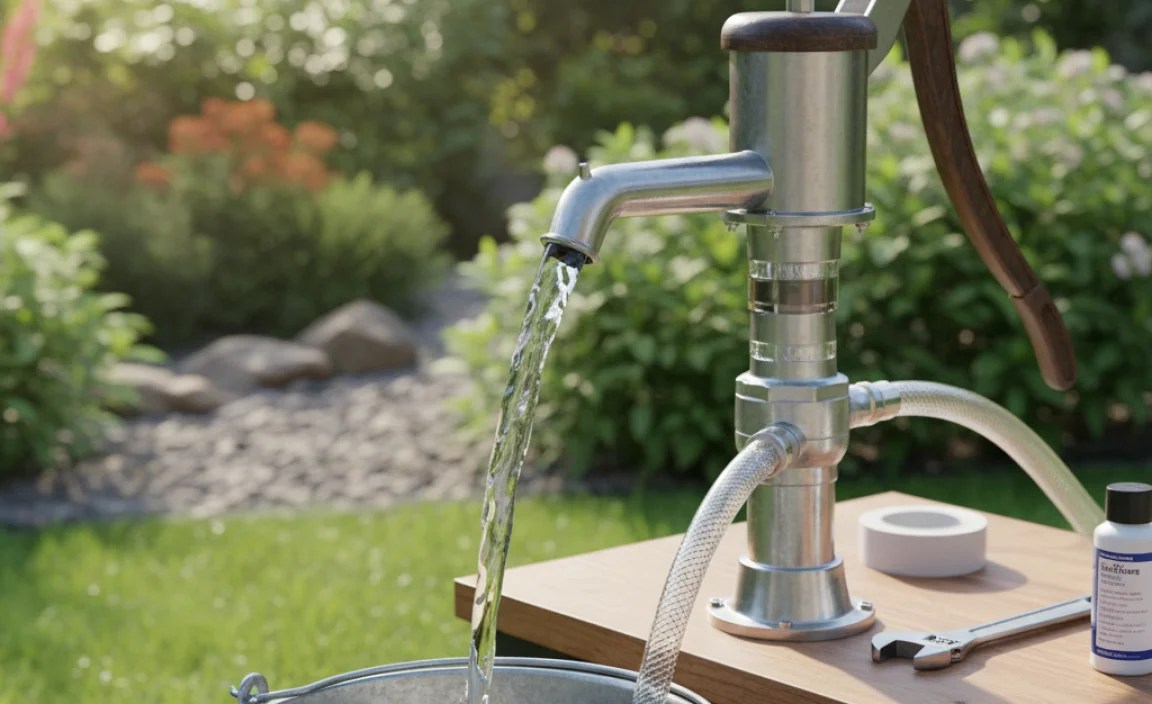
If the basic troubleshooting steps don’t fully resolve the issue, consider these advanced techniques.
1. Install a Check Valve
A check valve installed in the discharge pipe can prevent water from flowing back into the pump when the handle is not being operated. This helps maintain pressure and improve flow rate.
How to Install a Check Valve:
- Select a Check Valve: Choose a check valve that is compatible with the pipe size and material.
- Install the Valve: Install the check valve in the discharge pipe, following the manufacturer’s instructions.
- Test the Flow: Test the pump to see if the check valve has improved the water flow.
2. Use a Foot Valve with a Larger Opening
A foot valve with a larger opening allows more water to enter the intake pipe, potentially increasing the pump’s flow rate.
How to Upgrade the Foot Valve:
- Remove Existing Valve: Remove the existing foot valve from the intake pipe.
- Install Larger Valve: Install a new foot valve with a larger opening.
- Test the Flow: Test the pump to see if the new foot valve has improved the water flow.
3. Consider a Deeper Well Jet Pump Conversion
For deep wells, converting to a jet pump system can significantly improve water flow. A jet pump uses a Venturi jet to increase suction and lift water from greater depths.
How to Convert to a Jet Pump:
- Assess Well Depth: Determine the depth of your well to ensure it is suitable for a jet pump conversion.
- Select Jet Pump: Choose a jet pump system that is designed for your well depth and water requirements.
- Install the Pump: Install the jet pump system, following the manufacturer’s instructions. This may require professional assistance.
- Test the System: Test the jet pump system to ensure it is operating correctly and providing the desired water flow.
Maintaining Your Hand Pump for Optimal Performance
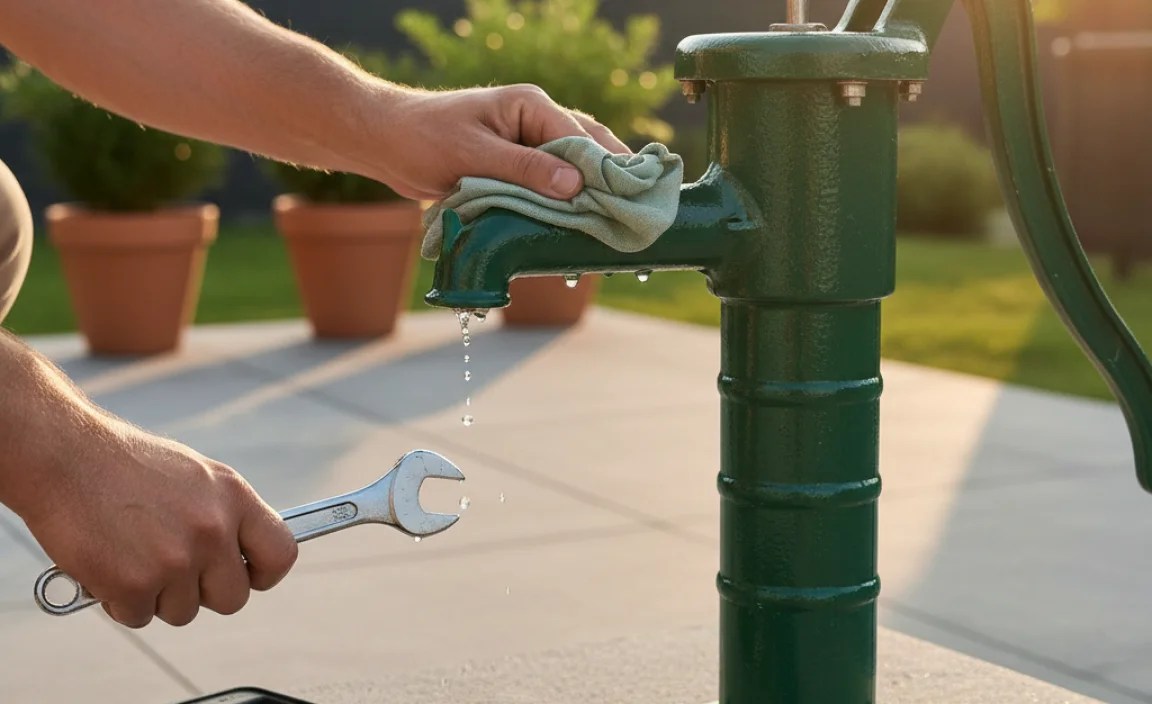
Regular maintenance is essential to keep your hand pump working efficiently and prevent future problems.
1. Regular Cleaning
Clean the pump and intake pipe regularly to remove sediment, debris, and mineral buildup.
2. Lubrication
Lubricate the moving parts of the pump, such as the piston and handle pivot points, with a food-grade lubricant.
3. Inspection
Inspect the pump and intake pipe for signs of wear, corrosion, or damage. Replace any worn or damaged parts promptly.
4. Winterization
If you live in an area with freezing temperatures, take steps to protect the pump from freezing. This may involve draining the pump and insulating the pipes.
Tools and Materials You’ll Need

Here’s a list of tools and materials that can come in handy when working on your hand pump:
- Wrenches (various sizes)
- Screwdrivers (Phillips and flathead)
- Plumbing sealant or Teflon tape
- Food-grade lubricant
- Garden hose
- Bucket
- Replacement pipes and fittings
- New foot valve (if needed)
- Check valve (if desired)
When to Call a Professional
While many hand pump issues can be resolved with DIY troubleshooting, some situations require professional help.
- Complex Repairs: If the pump requires extensive repairs or component replacements.
- Well Issues: If you suspect problems with the well itself, such as a collapsed casing or contaminated water.
- Jet Pump Conversion: If you are considering converting to a jet pump system, professional installation is recommended.
Cost Considerations
The cost of improving your hand pump’s water flow can vary depending on the specific issues and solutions.
| Item | Estimated Cost |
|---|---|
| Replacement foot valve | $15 – $30 |
| Plumbing sealant or Teflon tape | $5 – $10 |
| Food-grade lubricant | $10 – $20 |
| Larger diameter pipe | $20 – $50 (depending on length and material) |
| Check valve | $20 – $40 |
| Jet pump conversion (including professional installation) | $500 – $1500+ |
| Professional repair services | $75 – $150 per hour |
Safety Precautions
Before working on your hand pump, keep these safety precautions in mind:
- Turn off Power: If the pump is electrically powered, turn off the power supply before starting any work.
- Wear Gloves: Wear gloves to protect your hands from dirt, debris, and chemicals.
- Eye Protection: Wear safety glasses to protect your eyes from debris.
- Proper Tools: Use the correct tools for the job to avoid injury or damage to the pump.
- Follow Instructions: Follow the manufacturer’s instructions for disassembly, repair, and reassembly.
FAQ Section
Why is my hand pump so hard to pump?
A hard-to-pump hand pump often indicates a clog in the intake pipe or a worn-out piston. Check for obstructions and lubricate the piston to ease the pumping action.
How often should I lubricate my hand pump?
Lubricate your hand pump every 3-6 months, or more frequently if you use it heavily. Use a food-grade lubricant to ensure it’s safe for potable water systems.
Can I use any type of pipe for my hand pump intake?
No, use only pipes approved for potable water, such as PVC or polyethylene. Avoid using metal pipes that can corrode and contaminate the water.
What size pipe should I use for my hand pump?
The pipe size depends on the pump’s specifications, but a 1 1/4-inch to 2-inch diameter pipe is common for hand pumps. Check your pump’s manual for the recommended size.
How do I know if my hand pump needs priming?
If your pump is running dry or producing very little water, it likely needs priming. Pour water into the priming port until the pump starts drawing water efficiently.
What causes air to get into my hand pump system?
Air can enter through loose fittings, damaged pipes, or a faulty foot valve. Inspect and tighten all connections, and replace any damaged components.
Is it safe to drink water from a hand pump?
It’s generally safe if the water source is clean and the pump is properly maintained. However, it’s always a good idea to test the water periodically for bacteria and contaminants, especially if it’s for drinking.
Conclusion
Improving the water flow of your hand pump is achievable with a systematic approach. By checking for clogs, optimizing mechanics, and ensuring proper maintenance, you can significantly boost your pump’s performance. Regular upkeep and timely repairs will keep your hand pump working efficiently for years to come. So, roll up your sleeves, grab your tools, and get ready to enjoy a faster, more reliable water supply. Happy pumping!


