
How to Stop a Water Pump from Short Cycling

Quick Summary: To stop a water pump from short cycling, check and adjust the air pressure in the pressure tank, inspect the pressure switch for damage or debris, and ensure the tank is properly sized for your water usage. Also, look for leaks in your plumbing system, as even small leaks can cause pressure fluctuations that trigger short cycling.
Is your water pump turning on and off too frequently? This annoying problem, called short cycling, can damage your pump and waste energy. It happens when your pump can’t maintain consistent water pressure, leading to rapid on-off cycles. Don’t worry, fixing it is usually straightforward. This guide will walk you through simple steps to diagnose and solve short cycling, saving you money and extending the life of your pump.
Understanding Water Pump Short Cycling

Water pump short cycling is when your pump turns on and off rapidly. Ideally, a water pump should run for a reasonable amount of time to fill the pressure tank and then shut off until the pressure drops significantly. Short cycling puts extra strain on the pump motor and other components, leading to premature failure. Think of it like constantly starting and stopping your car – it wears out the engine faster.
Why Short Cycling is Bad
- Reduced Pump Life: Frequent starts and stops cause excessive wear and tear.
- Increased Energy Consumption: Inefficient operation wastes electricity.
- Inconsistent Water Pressure: Fluctuating pressure can be annoying and affect appliances.
- Potential Damage to Plumbing: Pressure surges can stress pipes and fittings.
Common Causes of Water Pump Short Cycling

Several factors can lead to short cycling. Here’s a breakdown of the most common culprits:
- Low Air Pressure in the Pressure Tank: The most frequent cause. The air cushion in the tank helps maintain pressure.
- Waterlogged Pressure Tank: Over time, the air cushion can be lost, causing the tank to fill with water.
- Incorrectly Sized Pressure Tank: If the tank is too small, the pump will cycle more often.
- Faulty Pressure Switch: A malfunctioning switch can send incorrect signals to the pump.
- Leaks in the Plumbing System: Even small leaks can cause pressure drops.
- Clogged or Damaged Well Components: Issues in the well itself can affect pump performance.
Step-by-Step Guide to Stop Water Pump Short Cycling

Here’s a detailed guide to help you troubleshoot and fix your short-cycling water pump. Follow these steps in order for the best results.
Step 1: Check the Air Pressure in the Pressure Tank
This is usually the first and easiest thing to check. A pressure tank with the proper air charge is crucial for preventing short cycling.
- Turn Off the Pump: Locate the circuit breaker for the pump and turn it off. This is a critical safety step.
- Drain the Tank: Open a faucet somewhere in the house and let the water run until the tank is completely empty. This ensures an accurate air pressure reading.
- Check the Air Pressure: Use a tire pressure gauge to check the air pressure at the Schrader valve (like the one on your car tires) on top of the tank.
- Adjust the Air Pressure: The air pressure should be 2 PSI below the pump’s cut-in pressure (the pressure at which the pump turns on). For example, if your pump turns on at 40 PSI, the air pressure should be 38 PSI. Use an air compressor to add air or depress the valve core to release air.
- Turn the Pump Back On: After adjusting the air pressure, turn the pump back on and observe its behavior.
Step 2: Inspect the Pressure Switch
The pressure switch controls the pump based on the water pressure. A faulty switch can cause erratic cycling.
- Turn Off the Pump: Again, start by turning off the circuit breaker for the pump.
- Locate the Pressure Switch: It’s usually mounted on a pipe near the pressure tank.
- Inspect the Switch: Look for signs of damage, corrosion, or water leaks.
- Clean the Switch: Remove the cover and gently clean any debris or mineral buildup inside. A small brush can be helpful.
- Check the Wiring: Make sure all wires are securely connected.
- Adjust the Pressure Settings (If Necessary): Some pressure switches have adjustable settings. Refer to the manufacturer’s instructions for proper adjustment. Note the current settings before making any changes.
- Test the Switch: Turn the pump back on and observe the switch’s operation. If it still malfunctions, it may need to be replaced.
Step 3: Check for Leaks in the Plumbing System
Even small leaks can cause pressure drops that trigger short cycling. A systematic inspection is necessary.
- Check Faucets and Fixtures: Look for drips or signs of leaks around all faucets, showers, and toilets.
- Inspect Pipes: Examine exposed pipes in the basement or crawl space for any signs of leaks or corrosion.
- Check Underground Pipes: Look for unusually wet spots in the yard, which could indicate a leak in an underground pipe.
- Listen for Running Water: If you hear water running when all fixtures are turned off, it could indicate a hidden leak.
- Repair Leaks: Repair any leaks you find promptly. Even small leaks can contribute to short cycling.
Step 4: Evaluate the Pressure Tank Size
An undersized pressure tank can cause the pump to cycle more frequently. The tank’s capacity should match your household’s water usage.
- Determine Your Water Usage: Estimate your household’s daily water usage. Consider the number of people in your household and the number of water-using appliances.
- Calculate the Required Tank Size: Use a pressure tank sizing calculator (available online) or consult a plumbing professional to determine the appropriate tank size for your needs.
- Compare to Existing Tank: Check the size of your current pressure tank and compare it to the recommended size.
- Replace if Necessary: If your tank is undersized, consider replacing it with a larger one.
Step 5: Inspect the Well Components (If Applicable)
If you have a well, problems with the well components can also cause short cycling. This step might require professional assistance.
- Check the Well Casing: Inspect the well casing for damage or corrosion.
- Inspect the Submersible Pump: If you have a submersible pump, it may need to be inspected for wear or damage. This usually requires pulling the pump out of the well.
- Check the Foot Valve: The foot valve, located at the bottom of the well, prevents water from flowing back into the well. A faulty foot valve can cause pressure problems.
- Consult a Professional: If you suspect problems with the well components, it’s best to consult a qualified well technician.
Tools You’ll Need
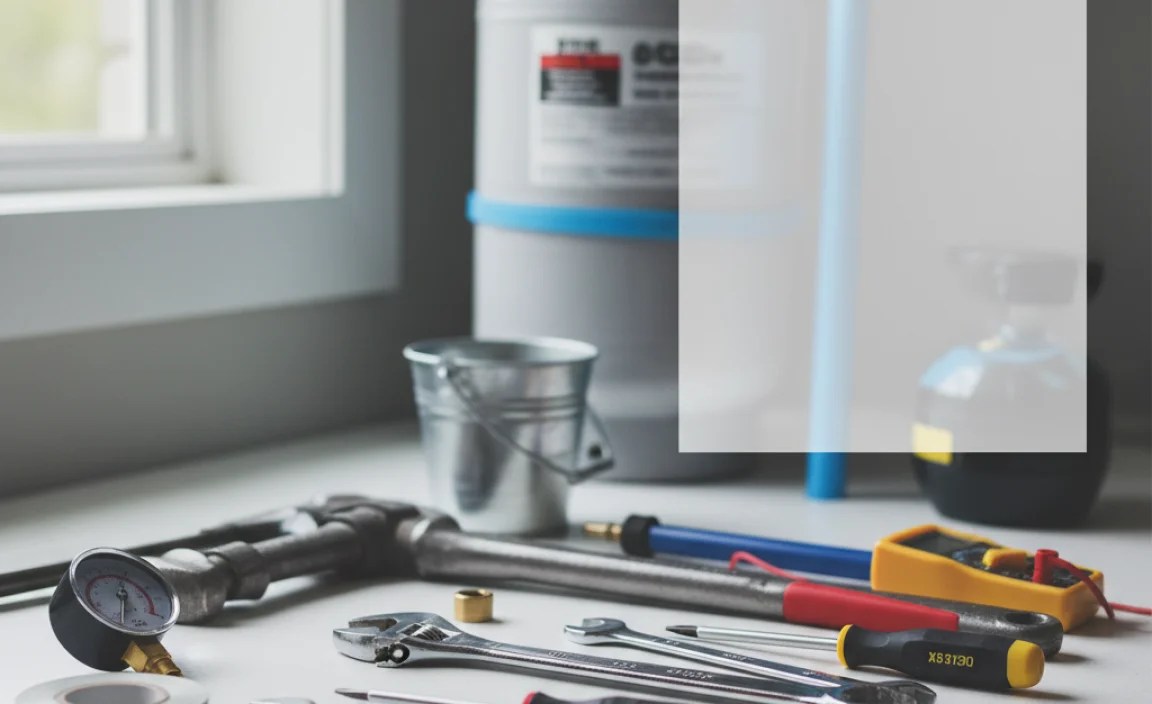
Here’s a list of common tools that will help you troubleshoot short cycling:
- Tire Pressure Gauge: For checking air pressure in the tank.
- Air Compressor: To add air to the pressure tank.
- Wrenches: For tightening fittings and adjusting the pressure switch.
- Screwdrivers: For removing and replacing the pressure switch cover.
- Multimeter: For testing the pressure switch (optional).
- Plumber’s Tape: For sealing pipe threads.
- Small Brush: For cleaning the pressure switch.
Understanding Pressure Tank Functionality
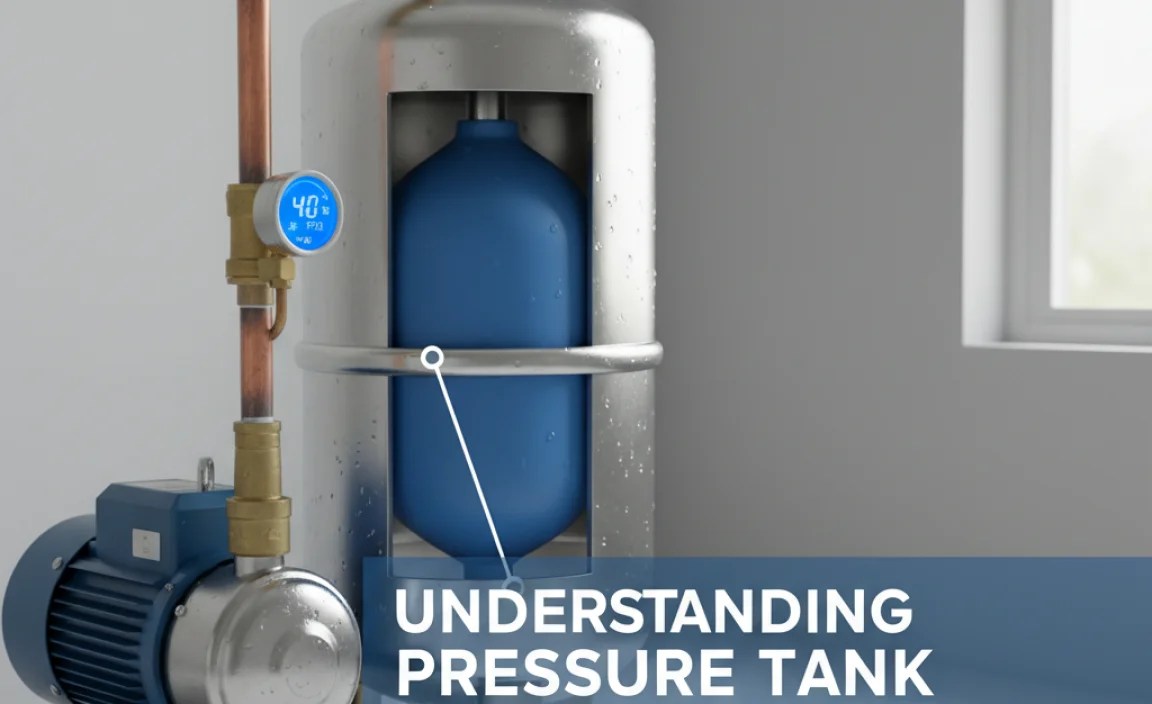
The pressure tank is a crucial component of a well water system. It serves as a reservoir for water, allowing the pump to run less frequently. Inside the tank, there’s a bladder or diaphragm that separates the water from compressed air. This air cushion provides pressure that helps maintain consistent water flow throughout your home.
How a Pressure Tank Works
- Pump Fills the Tank: The water pump fills the tank, compressing the air inside.
- Pressure Builds: As the tank fills, the water pressure increases.
- Pump Shuts Off: When the pressure reaches the cut-off point (e.g., 60 PSI), the pressure switch turns off the pump.
- Water is Used: When you open a faucet, water is drawn from the tank, and the air pressure pushes the water out.
- Pressure Drops: As water is used, the pressure in the tank drops.
- Pump Turns On: When the pressure reaches the cut-in point (e.g., 40 PSI), the pressure switch turns the pump back on to refill the tank.
Troubleshooting Table
Use this table to quickly identify potential problems and solutions.
| Symptom | Possible Cause | Solution |
|---|---|---|
| Pump cycles on and off rapidly | Low air pressure in the tank | Check and adjust air pressure |
| Tank feels heavy and full of water | Waterlogged tank | Drain and recharge the tank; replace if necessary |
| Pressure switch clicks frequently | Faulty pressure switch | Inspect, clean, or replace the switch |
| Water pressure fluctuates | Leaks in the plumbing | Inspect and repair leaks |
| Pump runs constantly | Well running dry or pump failure | Check well water level; consult a well technician |
When to Call a Professional
While many short cycling issues can be resolved with DIY troubleshooting, some situations require professional help:
- Well Problems: If you suspect issues with the well itself, such as a failing pump or low water level, consult a qualified well technician.
- Complex Plumbing Issues: If you’re not comfortable working with plumbing or electrical systems, it’s best to call a licensed plumber or electrician.
- Persistent Short Cycling: If you’ve tried the troubleshooting steps and the problem persists, there may be a more complex underlying issue.
Preventative Maintenance Tips
Regular maintenance can help prevent short cycling and extend the life of your water pump system:
- Check Air Pressure Regularly: Check the air pressure in the pressure tank every 3-6 months.
- Inspect for Leaks: Periodically inspect your plumbing system for leaks.
- Flush the Tank: Flush the pressure tank annually to remove sediment.
- Monitor Pump Performance: Pay attention to how your pump is operating and address any unusual noises or behaviors promptly.
FAQ: Stop Water Pump Short Cycling
Here are some frequently asked questions about how to stop a water pump from short cycling:
Why is my well pump turning on and off so often?
Your well pump might be turning on and off frequently due to low air pressure in the pressure tank, a waterlogged tank, leaks in your plumbing, or a faulty pressure switch. Start by checking the air pressure in the tank.
How do I check the air pressure in my water pressure tank?
First, turn off the pump and drain the tank. Then, use a tire pressure gauge to check the air pressure at the Schrader valve on top of the tank. The pressure should be 2 PSI below the pump’s cut-in pressure.
What does it mean when a pressure tank is waterlogged?
A waterlogged pressure tank means that the air cushion inside the tank has been lost, and the tank is mostly full of water. This can cause the pump to cycle on and off rapidly.
Can a leak in my plumbing cause short cycling?
Yes, even small leaks can cause pressure drops that trigger the pump to turn on and off more frequently. Inspect your faucets, fixtures, and pipes for any signs of leaks.
How do I know if my pressure switch is bad?
Signs of a bad pressure switch include erratic pump cycling, the pump not turning on or off at the correct pressure, or visible damage to the switch. You can test the switch with a multimeter or replace it if necessary.
What size pressure tank do I need?
The size of your pressure tank depends on your household’s water usage. Use a pressure tank sizing calculator or consult a plumbing professional to determine the appropriate size.
Is it safe to drink water when my pump is short cycling?
While short cycling itself doesn’t directly contaminate the water, it can put stress on the pump and plumbing system, potentially leading to other issues. It’s best to address the short cycling problem as soon as possible.
Conclusion
Stopping a water pump from short cycling is crucial for maintaining a reliable water system and preventing costly repairs. By following these steps – checking the air pressure, inspecting the pressure switch, looking for leaks, and evaluating the tank size – you can often resolve the issue yourself. Remember to prioritize safety by turning off the power before working on any electrical components. With a little patience and these tips, you’ll have your water pump running smoothly and efficiently in no time. Keep an eye on your system, and don’t hesitate to call a professional if you encounter problems beyond your comfort level. Happy plumbing!
“`


