
Dynamic Pressure Pump Definition: The Powerful Secret

Have you ever wondered how water gets to the top of a tall building? Or how a firefighter can spray water so far? Pumps help move liquids. One type of pump is called a dynamic pressure pump. This pump uses spinning parts to push the liquid. These pumps are very useful in many places.
Key Takeaways
- Dynamic pressure pumps are used in many important jobs.
- These pumps use spinning parts to move liquids quickly.
- Different designs of pumps work best for different jobs.
- Understanding how pumps work helps us use them better.
- Pumps help us every day in ways we might not even know.
What is a Dynamic Pressure Pump Definition?

A dynamic pressure pump is a type of pump. It adds energy to a liquid. This energy makes the liquid move faster. The pump has spinning parts inside. These parts push the liquid. This creates pressure. The pressure forces the liquid to flow. Think of a spinning water wheel. It scoops up water and throws it. A dynamic pressure pump does something similar. It moves the liquid using spinning motion. This type of pump is different from other pumps. Some pumps use pistons that move back and forth. Dynamic pressure pumps use a continuous spinning motion. This makes them good for moving a lot of liquid quickly.
- These pumps add energy to liquids.
- Spinning parts move the liquid.
- Pressure makes the liquid flow.
- They move a lot of liquid fast.
- These pumps use continuous motion.
Dynamic pressure pumps are very useful. They can move water, chemicals, and oil. You can find them in water treatment plants. They are also in power plants. Fire trucks use them to spray water. Even some parts of your car use them. Understanding how they work helps us. It helps us use them safely and effectively. These pumps are important for many things we do every day. Next time you see water moving fast, think about dynamic pressure pumps. They might be the reason why it is moving! They are truly amazing machines.
Fun Fact or Stat: The world’s largest pumps can move over 100,000 gallons of water per minute!
How Does a Pump Increase Pressure?
Have you ever used a water gun? You pump it to make the water shoot out. Dynamic pressure pumps do something similar. They use spinning parts called impellers or rotors. These parts have curved blades. As the impeller spins, it grabs the liquid. It throws the liquid outwards. This increases the liquid’s speed. The fast-moving liquid enters a volute or diffuser. These parts slow the liquid down. But slowing it down increases the pressure. It is like squeezing a water balloon. The water wants to escape. This creates pressure. The pump uses the spinning motion to add energy to the liquid. This energy becomes pressure. And that pressure makes the liquid move where we want it to go.
Why are They Called Dynamic Pumps?
The word “dynamic” means changing or moving. Dynamic pressure pumps get their name from how they work. They don’t just push the liquid directly. They change the liquid’s energy. The spinning impeller adds kinetic energy. Kinetic energy is the energy of motion. This kinetic energy is then changed into pressure. The pressure is what moves the liquid. So, the pump is “dynamic” because it is constantly changing the liquid’s energy. Other types of pumps, like positive displacement pumps, work differently. They trap a certain amount of liquid. Then, they push it through a pipe. Dynamic pressure pumps are all about the change in energy.
What Liquids Can These Pumps Move?
Dynamic pressure pumps are very versatile. They can move many different types of liquids. Water is the most common liquid they move. They also move chemicals in factories. Oil refineries use them to move oil. Power plants use them to move coolant. Even food processing plants use them. They can move juice, milk, and other liquids. However, some liquids are too thick or sticky. These liquids might clog the pump. Or they might be too hard for the impeller to move. So, it is important to choose the right pump for the liquid you want to move. Dynamic pressure pumps are great for thin, free-flowing liquids.
Different Types of Dynamic Pressure Pumps
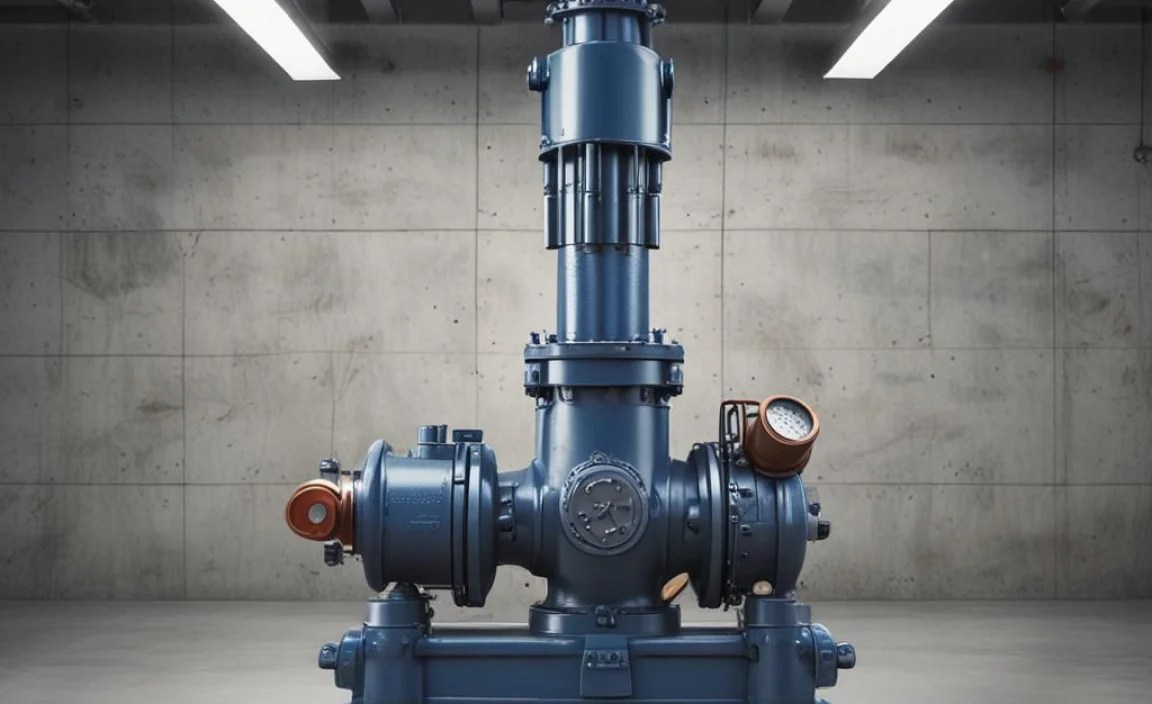
There are different kinds of dynamic pressure pumps. Each type works a little differently. Centrifugal pumps are very common. They use a spinning impeller inside a casing. Axial flow pumps move liquid straight through. They are like a fan pushing air. Mixed flow pumps are a mix of both. They move liquid both outward and straight. Each type is good for different jobs. Centrifugal pumps are good for high pressure. Axial flow pumps are good for moving a lot of liquid. Mixed flow pumps are a good balance. The best type depends on what you need the pump to do. Some pumps are small and used in homes. Others are huge and used in factories.
- Centrifugal pumps are very common.
- Axial flow pumps move liquid straight.
- Mixed flow pumps are a mix of both.
- Different types suit different jobs.
- Size varies from small to very big.
Choosing the right pump is important. It depends on the job you need it to do. Consider how much liquid you need to move. Think about how high the liquid needs to go. Also, think about the type of liquid. Some liquids are corrosive. This means they can damage the pump. You need a pump made of special materials for these liquids. Understanding the different types of dynamic pressure pumps helps you choose the best one. It also helps you use it safely and effectively. These pumps are all around us, making our lives easier.
Fun Fact or Stat: Some pumps are so powerful they can empty an Olympic-sized swimming pool in under an hour!
What is a Centrifugal Pump?
Imagine a merry-go-round. When it spins, things fly off to the side. A centrifugal pump works a bit like that. It has a spinning part called an impeller. The impeller has curved blades. As the impeller spins, it throws the liquid outward. This creates a force that pushes the liquid. The liquid then flows into a volute. The volute is a spiral-shaped chamber. It collects the liquid and directs it out of the pump. Centrifugal pumps are very common. They are used in many different applications. They are good for moving large amounts of liquid. They are also good for creating high pressure.
How Does an Axial Flow Pump Work?
Think of a fan in your room. It has blades that spin and push air straight forward. An axial flow pump works in a similar way. It has a propeller-like impeller. As the impeller spins, it pushes the liquid straight through the pump. Axial flow pumps are great for moving a lot of liquid quickly. However, they don’t create as much pressure as centrifugal pumps. They are often used in irrigation. They can pump water from a river or lake to fields. They are also used in wastewater treatment plants. They can move large volumes of water efficiently.
What are Mixed Flow Pumps Used For?
Mixed flow pumps are a combination of centrifugal and axial flow pumps. They have an impeller that moves the liquid both outward and straight. This makes them a good compromise between high flow and high pressure. They are often used in applications where both are needed. For example, they might be used in water supply systems. They can pump water from a well to a storage tank. They are also used in some types of industrial processes. The specific design of the impeller can be adjusted. This allows the pump to be optimized for different conditions. This makes mixed flow pumps very versatile.
Where Are Dynamic Pressure Pumps Used?

Dynamic pressure pumps are used everywhere! They are in our homes, our schools, and our workplaces. Water treatment plants use them to clean our water. Power plants use them to cool their equipment. Factories use them to move chemicals. Farms use them to irrigate crops. Even our cars use them to circulate coolant. They are also used in fire trucks to spray water. They are essential for many things we do every day. Without them, we wouldn’t have clean water or reliable power. We also wouldn’t have many of the products we use every day. These pumps are truly indispensable.
- Water treatment plants clean water.
- Power plants cool equipment.
- Factories move chemicals.
- Farms irrigate crops.
- Cars circulate coolant.
Dynamic pressure pumps are often hidden away. We don’t always see them working. But they are always there, doing their job. They are a vital part of our infrastructure. They keep our society running smoothly. The next time you turn on the tap, think about the pump that brought the water to your home. Or when you see a fire truck, think about the pump that is spraying the water. These pumps are unsung heroes. They work tirelessly behind the scenes. They make our lives better in countless ways.
Fun Fact or Stat: There are over 1 billion pumps operating in the world today!
How Do They Help in Water Treatment?
Water treatment plants need to move a lot of water. They need to move it through different stages of cleaning. Dynamic pressure pumps are perfect for this job. They can move large volumes of water efficiently. They can also create the pressure needed to push the water through filters. These filters remove dirt and other impurities. The pumps help to ensure that we have clean drinking water. They also help to treat wastewater before it is released back into the environment. Without these pumps, our water would be dirty and unsafe to drink. They are a critical part of our public health system.
Why Are They Important for Power Plants?
Power plants generate a lot of heat. This heat needs to be removed to prevent the equipment from overheating. Dynamic pressure pumps are used to circulate coolant. Coolant is usually water or a special liquid. It absorbs the heat and carries it away. The pumps help to keep the power plant running safely and efficiently. Without them, the power plant could break down. This would cause a power outage. They are essential for providing us with a reliable supply of electricity. They work tirelessly to keep the lights on.
What Role Do They Play in Factories?
Factories use many different chemicals. These chemicals need to be moved from one place to another. Dynamic pressure pumps are often used for this purpose. They can move large volumes of chemicals quickly and safely. They are also used to mix chemicals together. They are a vital part of many industrial processes. Without them, factories would not be able to produce many of the products we use every day. They are essential for our modern economy. They help to create the goods that we need and want.
Advantages of Dynamic Pressure Pumps
Dynamic pressure pumps have many advantages. They can move large volumes of liquid. They are also very reliable. They can run for long periods of time without breaking down. They are also relatively easy to maintain. They don’t have many moving parts. This means there is less to go wrong. They are also energy-efficient. They don’t use a lot of electricity. This makes them a good choice for many applications. They are also versatile. They can be used with many different types of liquids. This makes them a valuable tool in many industries.
- They move large volumes of liquid.
- These pumps are very reliable.
- They are easy to maintain.
- These pumps are energy-efficient.
- They can handle many liquids.
Dynamic pressure pumps are a great choice for many different jobs. They are efficient and dependable. They help us in many ways. They are a valuable part of our modern world. Next time you see a pump, remember all the advantages it offers. It is a truly amazing machine. They make our lives easier and more comfortable. They help us to live in a world with clean water, reliable power, and many other conveniences.
Fun Fact or Stat: The first pump was invented over 2000 years ago by Archimedes!
Why Are They So Reliable?
Dynamic pressure pumps are known for their reliability. This is because they have a simple design. They don’t have many moving parts. This reduces the chance of something breaking down. They are also made from durable materials. These materials can withstand the wear and tear of continuous use. They are designed to run for long periods of time without needing maintenance. This makes them a cost-effective choice for many applications. They can save businesses money on repairs and downtime. Their reliability is one of their biggest advantages.
How Do They Save Energy?
Energy efficiency is important for many reasons. It helps to reduce our carbon footprint. It also helps to save money on electricity bills. Dynamic pressure pumps are designed to be energy-efficient. They use advanced technologies to minimize energy waste. They can adjust their speed to match the demand. This prevents them from using more energy than necessary. They are also made from lightweight materials. This reduces the amount of energy needed to operate them. Their energy efficiency makes them a sustainable choice for many applications.
What Makes Them Easy to Maintain?
Maintenance can be a hassle. It can also be expensive. Dynamic pressure pumps are designed to be easy to maintain. They have a simple design. This makes it easy to access the parts that need to be serviced. They also have self-lubricating bearings. This reduces the need for manual lubrication. They are made from durable materials. This reduces the need for frequent repairs. Their ease of maintenance saves time and money. It also makes them a convenient choice for many businesses and homeowners.
Disadvantages of Dynamic Pressure Pumps
Even though dynamic pressure pumps are great, they have some downsides. They don’t work well with thick liquids. Thick liquids can clog the pump. They also don’t create as much pressure as some other pumps. For very high-pressure jobs, you might need a different type of pump. They can also be noisy. The spinning parts can make a lot of noise. Finally, they can be damaged by cavitation. Cavitation is when bubbles form in the liquid. These bubbles can collapse and damage the pump. It’s important to choose the right pump for the job.
- They don’t handle thick liquids well.
- They don’t create very high pressure.
- These pumps can be noisy.
- Cavitation can damage them.
- Choosing the right pump is key.
Knowing the downsides helps you use the pumps correctly. It also helps you avoid problems. If you need to pump thick liquids, choose a different type of pump. If you need very high pressure, choose a different type of pump. If noise is a concern, look for a quieter pump. And if cavitation is a risk, take steps to prevent it. By understanding the limitations of dynamic pressure pumps, you can use them safely and effectively. They are still a great choice for many applications. Just be sure to choose the right pump for the job.
Fun Fact or Stat: Cavitation can create pressures of up to 100,000 PSI, enough to damage metal!
Why Can’t They Pump Thick Liquids?
Imagine trying to suck a thick milkshake through a straw. It’s hard, right? Dynamic pressure pumps have a similar problem with thick liquids. The spinning impeller can’t easily grab and move thick liquids. The liquid is too sticky and doesn’t flow well. This can cause the pump to clog. It can also damage the impeller. For thick liquids, you need a pump that can directly push the liquid. Positive displacement pumps are better for this job. They can handle thick liquids without clogging or damage.
What is Cavitation and Why is it Bad?
Cavitation is a serious problem for dynamic pressure pumps. It happens when the pressure inside the pump drops too low. This causes bubbles to form in the liquid. These bubbles then collapse violently. This creates tiny shockwaves that can damage the impeller. Over time, cavitation can erode the metal of the impeller. This can lead to pump failure. To prevent cavitation, it’s important to keep the pressure inside the pump high enough. This can be done by increasing the speed of the pump. It can also be done by reducing the suction pressure.
How Do You Choose the Right Pump?
Choosing the right pump can be tricky. There are many different factors to consider. First, you need to know what type of liquid you will be pumping. Is it thin or thick? Is it corrosive? Next, you need to know how much liquid you need to pump. How many gallons per minute? You also need to know how high the liquid needs to go. What is the head pressure? Finally, you need to consider the cost of the pump. How much are you willing to spend? By considering all of these factors, you can choose the right pump for your needs.
Maintaining Dynamic Pressure Pumps
Taking care of dynamic pressure pumps is important. It keeps them running well. Check the pump regularly for leaks. Make sure the pump is clean. Keep the area around the pump clear. Lubricate the moving parts. Replace worn parts when needed. Follow the manufacturer’s instructions. Proper maintenance extends the life of the pump. It also prevents costly repairs. A little care goes a long way. It keeps your pump working for years to come. It also saves you money in the long run.
- Check for leaks regularly.
- Keep the pump clean.
- Lubricate moving parts.
- Replace worn parts.
- Follow instructions.
Regular maintenance is key to keeping your pump in good shape. It prevents small problems from becoming big problems. It also ensures that the pump is running efficiently. An efficient pump uses less energy. This saves you money on your electricity bill. It also helps to protect the environment. By taking care of your pump, you are doing your part to conserve resources. It is a responsible and sustainable way to operate your equipment.
Fun Fact or Stat: Regular pump maintenance can extend its lifespan by up to 50%!
How Often Should You Check for Leaks?
Checking for leaks is one of the most important things you can do to maintain your pump. Leaks can waste water or other liquids. They can also damage the pump. You should check for leaks at least once a week. Look for drips or puddles around the pump. Also, check the pipes and fittings connected to the pump. If you find a leak, fix it right away. A small leak can quickly turn into a big problem. Regular leak checks can save you a lot of money and hassle.
Why is Lubrication Important?
Lubrication is essential for keeping the moving parts of your pump running smoothly. It reduces friction and wear. This prevents the parts from overheating. It also extends the life of the pump. You should lubricate the pump according to the manufacturer’s instructions. Use the recommended type of lubricant. Too much or too little lubricant can be harmful. Regular lubrication will keep your pump running efficiently and reliably.
What Should You Do if You Hear Strange Noises?
Strange noises can be a sign of a problem with your pump. If you hear grinding, squealing, or other unusual noises, investigate right away. The noise could be caused by a loose part. It could also be caused by a worn bearing. It could even be caused by cavitation. If you can’t identify the cause of the noise, call a qualified technician. Ignoring the noise could lead to serious damage. It is always better to be safe than sorry.
Future of Dynamic Pressure Pumps
The future of dynamic pressure pumps is bright. Scientists are working on new designs. These designs will be more efficient. They will also be more reliable. They will use new materials. These materials will be stronger and lighter. They will also be more resistant to corrosion. Smart pumps will be able to monitor their own performance. They will be able to adjust their settings automatically. This will save energy and reduce maintenance. The future of pumping technology is exciting.
- New designs are more efficient.
- New materials are stronger.
- Smart pumps monitor themselves.
- Pumps will be more sustainable.
- Technology keeps improving.
Dynamic pressure pumps will play an even bigger role in the future. They will help us to conserve water. They will also help us to generate clean energy. They will be used in new and innovative ways. They will be a key part of a sustainable future. They are a technology that is constantly evolving. They are always getting better and more efficient. They will continue to be an essential part of our lives for many years to come.
Fun Fact or Stat: Researchers are developing pumps that can be powered by renewable energy sources like solar and wind!
How Will New Materials Improve Pumps?
New materials are being developed all the time. These materials have properties that are ideal for pumps. They are stronger, lighter, and more resistant to corrosion. This means that pumps can be made smaller and more efficient. They can also last longer. New materials can also reduce friction. This can save energy and reduce wear and tear. The use of new materials will lead to a new generation of pumps that are better in every way.
What are Smart Pumps and How Do They Work?
Smart pumps are pumps that can monitor their own performance. They use sensors to measure pressure, flow, and temperature. They can also detect leaks and other problems. They can adjust their settings automatically to optimize performance. They can also send data to a central control system. This allows operators to monitor the pumps remotely. Smart pumps can save energy, reduce maintenance, and prevent breakdowns. They are a key part of the Internet of Things (IoT).
How Will Pumps Contribute to a Sustainable Future?
Pumps play a vital role in many industries. They are used to transport water, chemicals, and other fluids. They are also used to generate power and to treat wastewater. By making pumps more efficient and sustainable, we can reduce our environmental impact. We can also conserve resources. Pumps can be powered by renewable energy sources. They can also be used to recover energy from waste streams. They are an essential part of a sustainable future.
Summary
Dynamic pressure pumps are essential machines. They move liquids using spinning parts. They are used in many places. These include water treatment plants and factories. There are different types of dynamic pressure pumps. Centrifugal, axial flow, and mixed flow pumps each have unique uses. These pumps offer many advantages, such as high volume and reliability. However, they also have disadvantages. They struggle with thick liquids and can be noisy.
Proper maintenance is important. Checking for leaks and lubricating parts keeps them running smoothly. The future of dynamic pressure pumps looks promising. New materials and smart technology will make them even better. They will continue to play a vital role in our society. They will help us conserve resources and protect the environment. Understanding how they work helps us use them better.
Conclusion
Dynamic pressure pumps are amazing tools. They help move liquids for many important jobs. They are in our homes and our workplaces. They make our lives easier. By understanding how they work, we can use them better. We can also take care of them. This ensures they last a long time. Dynamic pressure pump definition is more than just words. They are a key part of our world.
Frequently Asked Questions
Question No 1: What is the main principle behind how dynamic pressure pumps work?
Answer: Dynamic pressure pumps work by adding energy to a liquid using a spinning part. This part is usually called an impeller or a rotor. As the impeller spins, it pushes the liquid outward. This increases the liquid’s speed and pressure. The high-pressure liquid then flows out of the pump. This principle of using spinning motion to add energy is what sets dynamic pumps apart from other types of pumps. Other pumps use pistons or other methods to move liquids.
Question No 2: Can dynamic pressure pumps handle solids mixed in with liquids?
Answer: Dynamic pressure pumps are generally not the best choice for handling liquids with solids. The solids can clog the pump or damage the impeller. If you need to pump liquids with solids, you should choose a different type of pump. Positive displacement pumps are often better for this job. They can handle solids without clogging or damage. Some dynamic pressure pumps are designed to handle small amounts of solids, but it is always best to check the manufacturer’s specifications.
Question No 3: What are some common problems that can occur with dynamic pressure pumps?
Answer: Several problems can occur with dynamic pressure pumps. Cavitation is one common issue. It happens when bubbles form and collapse inside the pump. This can damage the impeller. Another problem is clogging. This can happen if the pump is used to pump liquids with solids. Leaks can also occur. These can waste liquid and damage the pump. Overheating is another potential problem. This can happen if the pump is run for too long without proper cooling. Regular maintenance can help prevent these problems.
Question No 4: How does temperature affect the performance of dynamic pressure pumps?
Answer: Temperature can have a significant impact on the performance of dynamic pressure pumps. High temperatures can reduce the viscosity of the liquid. This means the liquid becomes thinner. This can make it harder for the pump to generate pressure. High temperatures can also cause the pump to overheat. Low temperatures can increase the viscosity of the liquid. This means the liquid becomes thicker. This can make it harder for the pump to move the liquid. It’s important to choose a pump that is designed to handle the temperature range of the liquid you are pumping.
Question No 5: What safety precautions should be taken when working with dynamic pressure pumps?
Answer: When working with dynamic pressure pumps, it is important to take safety precautions. Always wear safety glasses to protect your eyes. Wear gloves to protect your hands. Make sure the pump is properly grounded to prevent electric shock. Never operate the pump without proper training. Be aware of the potential for leaks and spills. If you are working with hazardous liquids, wear appropriate protective clothing. Always follow the manufacturer’s instructions.
Question No 6: How do I know when a dynamic pressure pump needs to be replaced?
Answer: There are several signs that a dynamic pressure pump may need to be replaced. If the pump is making strange noises, it could be a sign of a problem. If the pump is leaking, it should be repaired or replaced. If the pump is not generating enough pressure, it may be worn out. If the pump is constantly breaking down, it may be time to replace it. Regular maintenance can help extend the life of the pump. But eventually, all pumps need to be replaced.


