
How Often Should a Well Pump Cycle? A Simple Guide

Quick Summary: A typical well pump should cycle 8 to 12 times per hour when water is being used. Longer run times with fewer cycles are better for the pump’s lifespan. If your pump cycles more frequently than that or short cycles, it indicates a problem like a leak, a pressure tank issue, or a failing pump that needs immediate attention.
Is your well pump acting up? Hearing it switch on and off more than usual can be concerning. A well pump that cycles too often or too little is a common problem. It can lead to inconsistent water pressure, higher energy bills, and even premature pump failure. But don’t worry, understanding what’s normal and what’s not is the first step to keeping your water system running smoothly.
In this guide, we’ll break down the ideal cycling frequency for your well pump and show you how to identify and fix common issues. We’ll cover everything from checking for leaks to understanding your pressure tank, so you can keep your water flowing without a hitch. Let’s dive in!
Understanding Well Pump Cycling

Before we dive into how often your well pump *should* cycle, let’s make sure we understand what a well pump cycle actually is. A well pump cycle refers to the complete process of your well pump turning on to draw water from the well, filling the pressure tank, and then turning off once the desired pressure is reached. This on-and-off process is crucial for maintaining a consistent water supply to your home.
What Factors Influence Well Pump Cycling Frequency?
Several factors can affect how often your well pump cycles. Understanding these can help you troubleshoot any issues you might encounter:
- Water Usage: The more water your household uses, the more frequently the pump will cycle. Activities like showering, laundry, and running the dishwasher all draw water from the pressure tank, causing the pump to kick in more often.
- Pressure Tank Size: The size of your pressure tank plays a significant role. A larger tank stores more water, reducing the number of times the pump needs to cycle on and off.
- Pump Size and Capacity: The pump’s capacity to deliver water also matters. A pump that’s too powerful for your needs might fill the tank quickly, leading to shorter, more frequent cycles.
- Well Recovery Rate: The recovery rate of your well (how quickly it refills with water) affects how often the pump can run. A slow recovery rate can lead to the pump cycling more frequently as it tries to keep up with demand.
- Depth of Well: The depth of the well and the distance the pump must push water can impact cycling. Deeper wells require more energy and time to fill the pressure tank.
What is a Normal Well Pump Cycle?

So, what’s considered a “normal” cycling frequency? Generally, a well pump should cycle 8 to 12 times per hour when water is being used. It’s also important to consider the run time – a longer run time with fewer cycles is more efficient and extends the life of the pump.
Here’s a breakdown:
- Normal Cycling: 8-12 cycles per hour during water use.
- Ideal Run Time: Aim for longer run times to reduce wear and tear.
- Rest Time: The pump should have adequate rest between cycles to prevent overheating.
However, this range can vary depending on the factors we discussed earlier. The most important thing is to establish a baseline for *your* system and monitor any significant changes.
Signs of Abnormal Well Pump Cycling

Knowing the signs of abnormal cycling can save you from costly repairs. Here are some common symptoms to watch out for:
- Short Cycling: The pump turns on and off rapidly, even when water usage is low. This is one of the most common issues and can quickly damage the pump.
- Constant Running: The pump runs continuously without shutting off, indicating a potential leak or a problem with the pressure switch.
- Infrequent Cycling: The pump rarely turns on, which could mean the pressure switch is set too high or there’s a blockage in the well.
- Fluctuating Water Pressure: Inconsistent water pressure in your home can be a sign of a failing pressure tank or a leak in the system.
Troubleshooting Common Well Pump Cycling Problems

Let’s get into some practical steps you can take to troubleshoot and resolve common well pump cycling issues.
1. Identifying and Fixing Leaks
Leaks are a common culprit behind abnormal pump cycling. Even small leaks can cause a significant drop in pressure, forcing the pump to cycle more frequently.
How to check for leaks:
- Check Faucets and Toilets: Start by inspecting all faucets, showerheads, and toilets in your home. Look for drips, puddles, or signs of water damage.
- Inspect Plumbing: Examine exposed pipes in your basement or crawl space for any signs of leaks. Pay close attention to joints and connections.
- Check Outside Spigots: Don’t forget to check outdoor spigots and garden hoses for leaks, especially if they’re connected to the well water system.
- Listen for Running Water: If you suspect a leak but can’t find it, listen carefully for the sound of running water, especially when no fixtures are in use.
How to fix leaks:
- Tighten Connections: Use a wrench to tighten any loose connections on pipes and fixtures.
- Replace Worn Parts: Replace worn-out washers, O-rings, and seals in faucets and toilets.
- Repair or Replace Pipes: If you find a damaged pipe, repair it with a pipe clamp or replace the section entirely.
- Call a Plumber: For more complex leaks or if you’re uncomfortable making repairs yourself, call a qualified plumber.
2. Inspecting and Maintaining the Pressure Tank
The pressure tank is a critical component of your well system. It stores water under pressure, reducing the need for the pump to cycle on every time you use water. A faulty pressure tank can lead to short cycling and other issues.
How to check the pressure tank:
- Check Air Pressure: Use a tire pressure gauge to check the air pressure in the tank. It should be 2 PSI below the pump’s cut-in pressure (usually around 28-30 PSI).
- Look for Waterlogging: Tap on the side of the tank. If it sounds full of water from top to bottom, the air bladder might be damaged.
- Inspect for Leaks: Check the tank for any signs of leaks or corrosion.
How to maintain the pressure tank:
- Adjust Air Pressure: If the air pressure is too low, use an air compressor to add air through the Schrader valve (like on a car tire).
- Replace a Waterlogged Tank: If the tank is waterlogged, it needs to be replaced. This is a job best left to a professional.
- Regular Inspections: Inspect the tank regularly for signs of wear and tear, and address any issues promptly.
Here’s a quick reference table for pressure tank troubleshooting:
| Problem | Possible Cause | Solution |
|---|---|---|
| Short Cycling | Low air pressure in tank | Adjust air pressure to 2 PSI below cut-in pressure |
| Waterlogged Tank | Damaged air bladder | Replace the pressure tank |
| Leaks | Corrosion or damage | Repair leaks or replace the tank |
3. Addressing Issues with the Pressure Switch
The pressure switch controls when the well pump turns on and off based on the water pressure in the tank. A malfunctioning pressure switch can cause the pump to cycle improperly.
How to check the pressure switch:
- Inspect for Damage: Look for any signs of physical damage or corrosion on the switch.
- Check Wiring: Make sure the wiring connections are secure and free of corrosion.
- Test the Switch: Use a multimeter to test the switch’s continuity. It should show continuity when the pressure is below the cut-in pressure and no continuity when it’s above the cut-out pressure.
How to maintain the pressure switch:
- Clean the Switch: Remove any debris or mineral buildup from the switch contacts.
- Adjust the Settings: Adjust the cut-in and cut-out pressure settings if necessary, but be careful not to exceed the pump’s maximum pressure rating.
- Replace a Faulty Switch: If the switch is damaged or not functioning properly, replace it with a new one.
4. Checking the Well Recovery Rate
The well recovery rate is how quickly your well refills with water after the pump has drawn it down. A slow recovery rate can cause the pump to cycle more frequently as it struggles to keep up with demand.
How to check the well recovery rate:
- Time the Recovery: Turn off the pump and measure the water level in the well. Then, turn the pump back on and let it run until the water level drops significantly. Turn off the pump again and measure how long it takes for the water level to recover to its original level.
- Consult Well Records: Check your well records for the documented recovery rate.
How to improve the well recovery rate:
- Reduce Water Usage: Conserve water by fixing leaks, using water-efficient appliances, and reducing outdoor watering.
- Deepen the Well: In some cases, deepening the well can improve the recovery rate, but this is a major project that requires professional expertise.
- Hydrofracking: Hydrofracking can sometimes improve water flow into the well. This process involves injecting high-pressure water into the well to create fractures in the surrounding rock.
5. Ensuring Proper Pump Size and Placement
Using the correct pump size for your well and household needs is crucial for efficient operation. An improperly sized pump can lead to frequent cycling and premature wear.
How to check pump size and placement:
- Consult Well Records: Check your well records for the recommended pump size and placement.
- Assess Water Needs: Evaluate your household’s water usage and compare it to the pump’s capacity.
- Inspect Pump Placement: Ensure the pump is placed at the correct depth in the well, according to the manufacturer’s recommendations.
How to correct pump size and placement:
- Replace with Correct Size: If the pump is undersized or oversized, replace it with one that matches your well’s specifications and your household’s water needs.
- Adjust Pump Depth: Adjust the pump’s depth in the well to optimize its performance.
Preventative Maintenance Tips
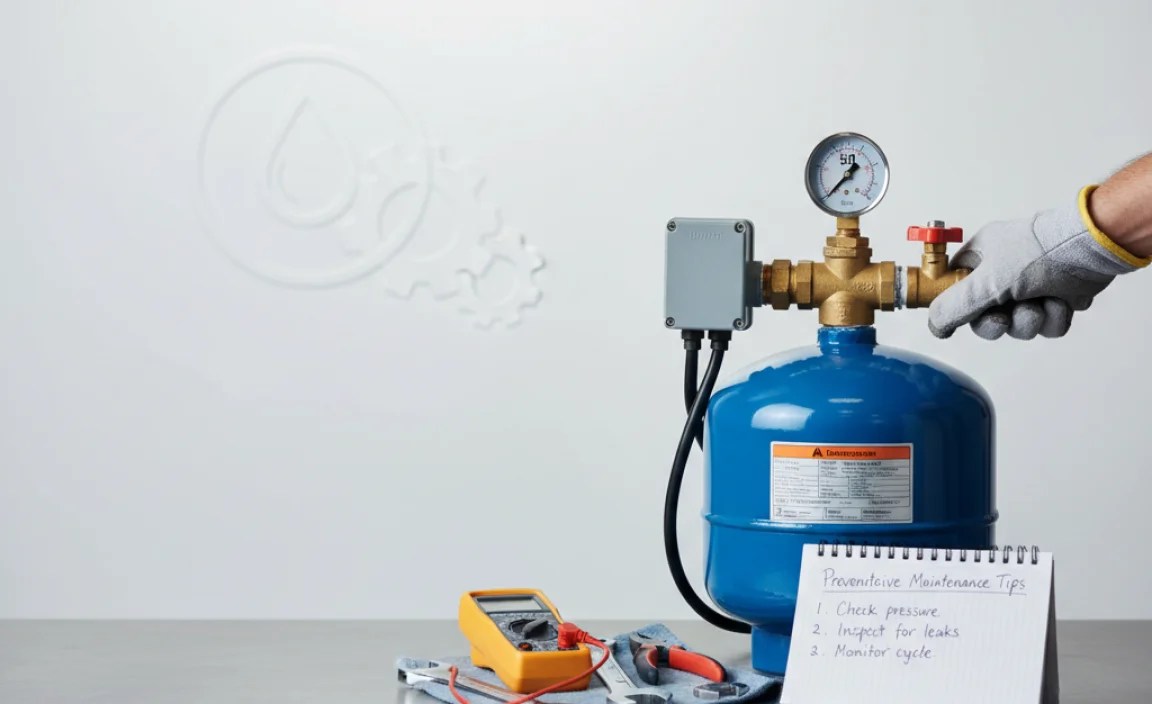
Preventative maintenance is key to keeping your well pump system running smoothly and avoiding frequent cycling issues. Here are some tips to help you maintain your system:
- Regular Inspections: Conduct regular inspections of your well pump, pressure tank, and plumbing system. Look for leaks, corrosion, and other signs of wear and tear.
- Monitor Water Usage: Keep track of your water usage and be mindful of any changes that could indicate a problem.
- Maintain Water Quality: Test your well water regularly to ensure it’s free of contaminants that could damage the pump or other components. The EPA has more information on protecting your water supply.
- Professional Servicing: Schedule regular servicing with a qualified well pump technician to catch and address any potential issues before they become major problems.
DIY vs. Professional Help: When to Call an Expert
While many well pump cycling issues can be resolved with DIY troubleshooting and maintenance, some problems require the expertise of a professional. Here’s a guideline to help you decide when to call an expert:
| Issue | DIY Solution | Professional Help |
|---|---|---|
| Minor Leaks | Tighten connections, replace worn parts | Complex leaks, pipe repairs |
| Pressure Tank Issues | Adjust air pressure | Replace waterlogged tank |
| Pressure Switch Problems | Clean switch, adjust settings | Replace faulty switch |
| Well Recovery Rate | Reduce water usage | Deepen well, hydrofracking |
| Pump Size and Placement | Assess water needs | Replace pump, adjust depth |
If you’re uncomfortable working with electrical components, dealing with complex plumbing issues, or if you’re unsure about the cause of the problem, it’s always best to call a qualified well pump technician. The National Ground Water Association is a great resource for finding qualified professionals in your area.
FAQ About Well Pump Cycling
Here are some frequently asked questions about well pump cycling to help you better understand the topic:
- Q: What is short cycling and why is it bad?
- A: Short cycling is when your well pump turns on and off rapidly, even when water usage is low. It’s bad because it puts excessive wear and tear on the pump, shortening its lifespan and potentially leading to premature failure.
- Q: How do I know if my pressure tank is waterlogged?
- A: You can check for waterlogging by tapping on the side of the tank. If it sounds full of water from top to bottom, the air bladder might be damaged, and the tank is likely waterlogged.
- Q: Can a leaky toilet cause my well pump to cycle frequently?
- A: Yes, even a small, constant leak from a toilet can cause a significant drop in pressure, forcing the well pump to cycle more frequently to maintain the pressure.
- Q: How often should I have my well water tested?
- A: It’s generally recommended to have your well water tested at least once a year for bacteria, nitrates, and other common contaminants. You should also test your water if you notice any changes in taste, odor, or appearance.
- Q: What is the ideal water pressure for my home?
- A: The ideal water pressure for most homes is between 40 and 60 PSI. If your water pressure is consistently outside this range, it could indicate a problem with your well pump system.
- Q: Can I adjust the pressure switch settings myself?
- A: Yes, you can adjust the pressure switch settings yourself, but it’s important to do so carefully and not exceed the pump’s maximum pressure rating. If you’re unsure how to adjust the settings, it’s best to consult a professional.
- Q: How long should a well pump last?
- A: A well-maintained well pump can last anywhere from 10 to 15 years, or even longer. However, factors like water quality, pump usage, and maintenance practices can affect the pump’s lifespan.
Conclusion
Understanding how often your well pump should cycle is essential for maintaining a healthy and efficient water system. By monitoring your pump’s cycling frequency, identifying and fixing leaks, maintaining your pressure tank and switch, and practicing preventative maintenance, you can keep your water flowing smoothly and extend the life of your well pump.
Remember, when in doubt, don’t hesitate to seek professional help. A qualified well pump technician can diagnose and resolve complex issues, ensuring that your water system operates safely and reliably for years to come. Now you’re equipped to tackle those cycling issues head-on and keep your well pump humming!
“`


