
Geothermal Heat Pump In Floor Heating Plumbing Diagram: Easy?

Do you ever wonder where heat comes from? It can come from the ground! A geothermal heat pump can bring heat into your home. Imagine having warm floors in the winter. A geothermal heat pump in floor heating plumbing diagram shows how to make this happen. It’s like a map for underground warmth!
Have you ever walked barefoot on a cold floor? It’s not fun! With floor heating, your feet can stay cozy. The plumbing is like a secret path for hot water. A geothermal heat pump helps to make the water hot. This system can keep your whole house warm.
Did you know the Earth is warm under our feet? A geothermal heat pump uses this heat. It moves the heat into your home. The plumbing diagram shows how the pipes connect. This makes the system work well. Geothermal energy is a clean and smart choice.
Key Takeaways
- A geothermal heat pump in floor heating plumbing diagram shows how warmth travels.
- Floor heating uses pipes under the floor to spread warmth evenly.
- Geothermal systems use the Earth’s heat to warm your home.
- Plumbing diagrams help install and fix the heating system.
- These systems are better for the environment than some other systems.
Understanding Geothermal Heat Pump Diagrams

A geothermal heat pump in floor heating plumbing diagram is like a roadmap. It shows how all the parts connect. The diagram helps plumbers install the system correctly. It also helps them fix it if something goes wrong. The diagram includes the heat pump, pipes, and controls. It shows how water or refrigerant flows through the system. Understanding this diagram is key to a warm home. It helps to know where the heat comes from. The Earth is a great source of energy. Geothermal systems use this energy to heat and cool buildings. They are a smart way to save money and help the environment. The plumbing diagram is the key to making it all work smoothly. It ensures that the heat is distributed evenly throughout the floor, providing a comfortable and consistent temperature.
- The diagram shows all the parts of the system.
- It helps with installation and repairs.
- Water or refrigerant carries the heat.
- Controls manage the temperature.
- Geothermal systems save money and help the planet.
Imagine you are building a Lego set. The instructions are like the plumbing diagram. They show you where each piece goes. Without the instructions, it would be hard to build the set. The same is true for a geothermal heat pump system. The diagram makes sure everything is connected right. This way, you can enjoy warm floors all winter long. Geothermal energy is a renewable resource. This means we won’t run out of it. Using this energy helps to protect our planet for future generations. A well-designed plumbing diagram ensures the system operates efficiently, maximizing energy savings and reducing environmental impact.
Fun Fact or Stat: Geothermal heat pumps can save homeowners 30-60% on their heating bills!
Why are diagrams important?
Have you ever tried to build something without instructions? It can be very hard! Plumbing diagrams are like instructions for a geothermal heat pump system. They show how all the pipes and parts connect. This helps plumbers install the system correctly. It also helps them fix it if something breaks. Without a diagram, it would be difficult to know where to start. Diagrams make the job easier and faster. They also help to prevent mistakes. A good diagram is clear and easy to understand. It uses symbols and labels to show each part of the system. This makes it easy for anyone to follow, even if they are not an expert. With a good diagram, you can be sure that your geothermal heat pump system will work properly.
Reading a Plumbing Diagram
Imagine you’re reading a map. A plumbing diagram is like a map for pipes! It uses lines and symbols. These show how the pipes connect. Different lines mean different things. Some lines show hot water pipes. Others show cold water pipes. Symbols show things like valves and pumps. Valves control the flow of water. Pumps help to move the water. The diagram also shows the direction of the water flow. Arrows show which way the water is moving. By reading the diagram, you can understand how the whole system works. This is important for fixing problems. It also helps you understand how to save energy. A clear and easy-to-read diagram is very helpful.
Common Symbols in Diagrams
Have you ever seen secret codes? Plumbing diagrams use symbols too! A circle might mean a tank. A triangle could mean a valve. A square might show the heat pump. Each symbol has a special meaning. These symbols help to make the diagram easier to read. They save space and make the diagram clear. Learning these symbols is like learning a new language. Once you know the symbols, you can understand the diagram. Then you can see how all the parts connect. This helps you understand how the system works. It also helps you find and fix problems. Knowing the symbols makes you a plumbing diagram expert!
Benefits Of Geothermal Floor Heating

Geothermal floor heating has many good things. It keeps your feet warm in the winter. It also saves you money on energy bills. Geothermal systems use the Earth’s heat. This is a renewable resource. It is better for the environment than using gas or oil. Floor heating spreads the heat evenly. This makes your home more comfortable. You won’t have cold spots. Geothermal heat pumps are very efficient. They use less energy to produce the same amount of heat. This can save you a lot of money over time. A geothermal heat pump in floor heating plumbing diagram shows how to get these benefits. The diagram helps to install the system correctly. This ensures that it works efficiently and reliably.
- Warm floors are very comfortable.
- You can save money on energy bills.
- Geothermal energy is good for the environment.
- Heat is spread evenly throughout the room.
- Geothermal heat pumps are very efficient.
Imagine walking barefoot on warm tiles in winter. That is the joy of geothermal floor heating! No more cold shocks when you get out of bed. The gentle heat warms the whole room from the ground up. This is much nicer than hot air blowing from a vent. Plus, you are helping the planet. Geothermal energy is clean and renewable. It doesn’t pollute the air like burning fossil fuels. Your geothermal heat pump in floor heating plumbing diagram is the key to this cozy, eco-friendly comfort. It shows how the system works to bring warmth from the Earth into your home. This makes your home a comfortable and sustainable place to live.
Fun Fact or Stat: Floor heating can increase a home’s value by making it more desirable!
Eco-Friendly Heating
Do you want to help the Earth? Geothermal heating is a great way! It uses heat from the ground. This heat is always there. It’s a renewable resource. Unlike burning oil or gas, geothermal heating doesn’t make pollution. It’s a clean way to warm your home. This helps to protect the environment. By choosing geothermal, you are making a difference. You are reducing your carbon footprint. A geothermal heat pump system is a smart choice for the planet. It’s also a smart choice for your wallet. You can save money on energy bills. Geothermal heating is a win-win for everyone. It’s a responsible way to keep your home comfortable.
Even Heat Distribution
Have you ever been in a room that’s too hot in one spot and too cold in another? Floor heating fixes that! It spreads heat evenly across the entire floor. This makes the whole room comfortable. No more cold feet or chilly corners! Geothermal floor heating is especially good at this. It provides a consistent and gentle warmth. The heat rises from the floor, warming everything gently. This is more comfortable than hot air blowing from vents. Even heat distribution makes your home more enjoyable. It also helps to save energy. You don’t have to turn up the heat to warm up cold spots. Floor heating provides perfect comfort all the time.
Long-Term Cost Savings
Imagine saving money every month! Geothermal heating can help you do that. It uses the Earth’s heat, which is free. You don’t have to pay for as much gas or oil. This can save you a lot of money over time. Geothermal heat pumps are very efficient. They use less energy to produce the same amount of heat. This means lower energy bills. While the initial cost of a geothermal system can be higher, the long-term savings are significant. You can save money for many years to come. Plus, you are helping the environment. Geothermal heating is a smart investment in your future.
Components of a Geothermal Floor System

A geothermal floor heating system has several important parts. The geothermal heat pump is the heart of the system. It moves heat from the ground into your home. Pipes are buried underground. These pipes carry water or refrigerant. The water or refrigerant absorbs heat from the Earth. Then it carries the heat to the heat pump. The heat pump warms the water that flows through the floor. The floor is covered with a material that conducts heat well. This helps to spread the heat evenly. A geothermal heat pump in floor heating plumbing diagram shows how these parts connect. The diagram helps installers put the system together correctly. It also helps with repairs.
- Geothermal heat pump moves heat.
- Underground pipes absorb heat.
- Water or refrigerant carries heat.
- The floor spreads the heat evenly.
- A diagram shows how parts connect.
Think of a geothermal floor heating system like a team. Each part has a job to do. The heat pump is like the team captain. It leads the way. The pipes are like the players who pass the ball. They carry the heat. The floor is like the field. It spreads the heat to everyone. The plumbing diagram is like the coach’s playbook. It shows how everyone works together. When all the parts work together well, you get warm, cozy floors. This makes your home a comfortable and energy-efficient place to live. The plumbing diagram ensures the system runs smoothly and efficiently.
Fun Fact or Stat: Geothermal systems can last for 20-25 years, much longer than traditional heating systems!
Heat Pump Basics
Have you ever used a refrigerator? A heat pump is kind of like a refrigerator, but it can also work in reverse! It moves heat from one place to another. In the winter, it moves heat from the ground into your home. In the summer, it can move heat from your home back into the ground. This makes it a very versatile system. Heat pumps use a refrigerant. This is a special fluid that absorbs and releases heat. The refrigerant circulates through the system. It picks up heat from the ground and brings it inside. Heat pumps are very efficient. They use less energy than traditional heating systems. This can save you money on your energy bills.
Underground Piping
Imagine burying pipes in your backyard! That’s what happens with a geothermal system. The pipes are buried deep in the ground. This is where the Earth stays at a constant temperature. The pipes are filled with water or refrigerant. This fluid absorbs heat from the ground. Then it carries the heat to the heat pump. There are different ways to bury the pipes. Sometimes they are buried horizontally, in long trenches. Other times they are buried vertically, in deep holes. The best method depends on the space available and the soil conditions. No matter how they are buried, the pipes are the key to capturing the Earth’s heat.
Floor Materials
What kind of floor is best for floor heating? Some floors work better than others! Tile and stone are great choices. They conduct heat very well. This means they heat up quickly and evenly. Carpet can also be used, but it’s not as efficient. It insulates the floor, which can block some of the heat. Wood floors can also be used, but they need to be installed carefully. The wood needs to be able to expand and contract with the heat. The best floor material depends on your personal preferences and budget. But choosing a material that conducts heat well will make your floor heating system more efficient.
Installing Floor Heating Plumbing
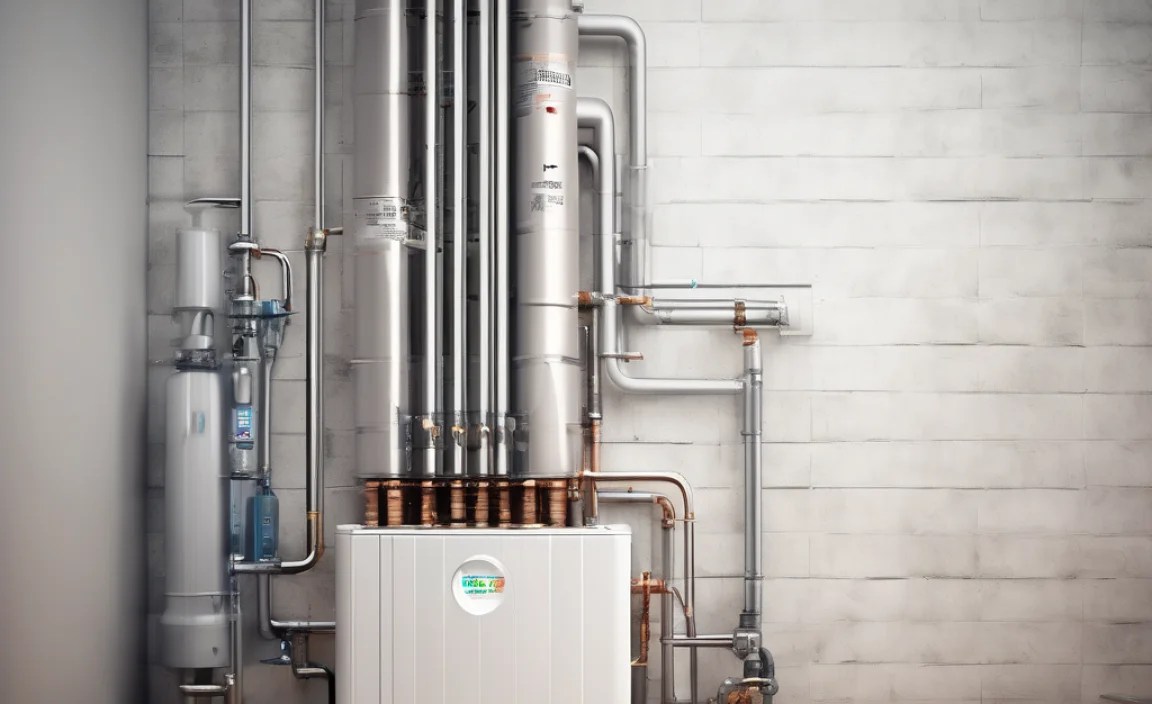
Installing floor heating plumbing takes skill. It’s important to follow the geothermal heat pump in floor heating plumbing diagram. First, you need to lay out the pipes. The pipes are usually made of plastic or rubber. They are arranged in a pattern under the floor. The pattern helps to spread the heat evenly. Then, you connect the pipes to the geothermal heat pump. The heat pump circulates water or refrigerant through the pipes. It’s important to insulate the pipes. This helps to prevent heat loss. The installation process can be complex. It’s best to hire a qualified plumber. A good plumber will follow the diagram carefully. They will make sure the system is installed correctly and safely. This will ensure that your floor heating system works efficiently for many years.
| Step | Description |
|---|---|
| 1 | Plan the layout according to the diagram. |
| 2 | Lay the pipes in the chosen pattern. |
| 3 | Connect the pipes to the geothermal heat pump. |
| 4 | Insulate the pipes to prevent heat loss. |
| 5 | Test the system to ensure it works correctly. |
Imagine you are building a race car track. The track needs to be smooth and level. The curves need to be just right. The same is true for floor heating plumbing. The pipes need to be laid out carefully. The connections need to be secure. The insulation needs to be complete. If any of these things are not done correctly, the system won’t work well. It might not heat the floor evenly. It might leak. Or it might use too much energy. That’s why it’s so important to follow the geothermal heat pump in floor heating plumbing diagram. The diagram is like the blueprint for the race car track. It shows you how to build a system that is smooth, efficient, and reliable.
Fun Fact or Stat: Incorrectly installed floor heating can lead to energy waste and uneven heating!
Planning the Layout
Have you ever designed a room? Planning the layout of floor heating pipes is similar! You need to think about where the heat is needed most. You might want more heat near windows and doors. These are areas where heat can escape. You also need to consider the size and shape of the room. A large room will need more pipes than a small room. The layout should be designed to spread the heat evenly. A geothermal heat pump in floor heating plumbing diagram can help with this. It shows different layout options. It also provides guidelines for spacing the pipes. Careful planning is key to a comfortable and efficient system.
Connecting to the Heat Pump
Imagine you are connecting a hose to a faucet. Connecting the floor heating pipes to the geothermal heat pump is similar. You need to make sure the connections are tight and secure. This will prevent leaks. You also need to make sure the pipes are connected to the correct ports on the heat pump. The diagram will show you which pipe goes where. It’s important to follow the diagram carefully. Incorrect connections can damage the heat pump. They can also cause the system to not work properly. A qualified plumber will have the tools and expertise to make these connections safely and correctly.
Insulating the Pipes
Have you ever worn a coat in the winter? Insulation is like a coat for your floor heating pipes! It helps to keep the heat inside the pipes. This prevents heat loss. Without insulation, the heat would escape into the ground. This would make the system less efficient. It would also cost you more money. Insulation is usually made of foam or fiberglass. It wraps around the pipes and keeps the heat in. Insulating the pipes is a simple but important step. It can significantly improve the performance of your floor heating system.
Maintenance and Troubleshooting
Even the best geothermal floor heating systems need maintenance. Regular maintenance can help to keep the system running smoothly. It can also help to prevent problems. Check the geothermal heat pump regularly. Clean the filters and check the refrigerant levels. Inspect the pipes for leaks. Make sure the insulation is in good condition. If you notice any problems, address them quickly. Small problems can turn into big problems if they are ignored. A geothermal heat pump in floor heating plumbing diagram can help with troubleshooting. It shows how the system is supposed to work. This can help you to identify the source of the problem. If you are not comfortable doing the maintenance yourself, hire a qualified technician.
- Check the heat pump regularly.
- Clean the filters.
- Inspect the pipes for leaks.
- Make sure the insulation is good.
- Address problems quickly.
Think of your geothermal floor heating system like a car. It needs regular tune-ups to run its best. Changing the oil, checking the tires, and cleaning the engine are all important. The same is true for your geothermal system. Cleaning the filters, checking the refrigerant, and inspecting the pipes are all important. These tasks can help to keep your system running efficiently and reliably. A well-maintained system will last longer and save you money in the long run. The plumbing diagram is like the car’s owner’s manual. It provides valuable information about how the system works and how to maintain it properly.
Fun Fact or Stat: Regular maintenance can extend the lifespan of your geothermal system by several years!
Checking the Heat Pump
Have you ever checked the air filter in your house? Checking the geothermal heat pump is similar. You need to make sure the filters are clean. Dirty filters can restrict airflow. This can make the heat pump work harder. It can also reduce its efficiency. Check the filters every month or two. Clean them or replace them as needed. You should also check the refrigerant levels. If the refrigerant is low, the heat pump won’t work properly. A qualified technician can check and recharge the refrigerant. Regular checkups will keep your heat pump running smoothly.
Inspecting the Pipes
Imagine you are a detective looking for clues. Inspecting the floor heating pipes is similar. You are looking for leaks or damage. Check the pipes for any signs of moisture. Look for cracks or corrosion. If you find any problems, address them quickly. Small leaks can turn into big problems. Damaged insulation can reduce the system’s efficiency. A geothermal heat pump in floor heating plumbing diagram can help you locate the pipes. It can also help you understand how they are connected. This will make it easier to find and fix any problems.
Troubleshooting Common Issues
Is your floor not heating up? There could be a problem! First, check the thermostat. Make sure it is set to the correct temperature. Then, check the heat pump. Make sure it is running. If the heat pump is running, check the pipes. Look for leaks or blockages. A geothermal heat pump in floor heating plumbing diagram can help you troubleshoot the system. It shows how the system is supposed to work. This can help you identify the source of the problem. If you can’t find the problem yourself, call a qualified technician. They can diagnose and fix the issue.
Cost and Savings of Geothermal Systems
Geothermal systems can cost more to install than other systems. But they can save you money in the long run. The upfront cost includes the geothermal heat pump. It also includes the underground pipes. And it includes the installation of the floor heating plumbing. However, geothermal systems are very efficient. They use less energy to produce the same amount of heat. This can save you money on your energy bills. Over time, the savings can offset the initial cost. Geothermal systems also last longer than other systems. This means you won’t have to replace them as often. A geothermal heat pump in floor heating plumbing diagram can help you understand the system. This can help you make an informed decision. It can also help you save money on installation and maintenance.
- Upfront costs can be higher.
- Energy savings reduce bills.
- Systems last a long time.
- Maintenance costs can be lower.
- Consider long-term savings.
Think of a geothermal system like buying a fuel-efficient car. The car might cost more upfront. But you’ll save money on gas every time you drive. Over time, the savings will add up. The same is true for a geothermal system. You might pay more upfront. But you’ll save money on energy bills every month. Over time, the savings will offset the initial cost. Plus, you’re helping the environment. Geothermal energy is clean and renewable. It doesn’t pollute the air like burning fossil fuels. Your geothermal heat pump in floor heating plumbing diagram is the key to unlocking these savings and benefits.
Fun Fact or Stat: Geothermal systems can increase a home’s resale value due to their energy efficiency!
Initial Installation Costs
Have you ever bought something expensive? The initial cost can be a shock! Geothermal systems can be expensive to install. The cost includes the heat pump, the pipes, and the labor. Digging the trenches for the pipes can also add to the cost. The exact cost will depend on the size of your home. It will also depend on the type of soil in your yard. Before you install a geothermal system, get several quotes from different contractors. This will help you to compare prices and find the best deal. Don’t be afraid to ask questions. A good contractor will be happy to explain the costs and benefits of a geothermal system.
Long-Term Savings
Imagine saving money every month for years! That’s what can happen with a geothermal system. Geothermal systems use the Earth’s heat, which is free. You don’t have to pay for as much gas or oil. This can save you a lot of money over time. The savings will depend on the size of your home. They will also depend on the climate in your area. In some cases, the savings can be significant. Over time, the savings can pay for the initial cost of the system. After that, you’re just saving money. Geothermal systems are a smart investment in your future.
Government Incentives
Do you like getting rewards? The government might help you pay for a geothermal system! Many governments offer incentives to encourage people to use renewable energy. These incentives can include tax credits, rebates, and grants. The incentives can help to offset the initial cost of the system. They can also make geothermal systems more affordable. Check with your local government to see what incentives are available in your area. You might be surprised at how much money you can save. Government incentives can make geothermal systems even more attractive.
Summary
A geothermal heat pump in floor heating plumbing diagram is a guide. It shows how to connect a geothermal heat pump to a floor heating system. This system uses the Earth’s heat to warm your home. It is a clean and efficient way to heat your floors. The diagram helps plumbers install the system correctly. Geothermal floor heating has many benefits. It saves money on energy bills. It is also good for the environment. The system includes a heat pump, underground pipes, and controls. Maintenance helps keep the system running well. Although installation can cost more, long-term savings are significant. The plumbing diagram is essential for proper setup and function.
Conclusion
Geothermal heat pump in floor heating plumbing diagrams are important. They show how to build efficient and eco-friendly heating systems. Geothermal floor heating offers warm floors and lower energy bills. These systems use the Earth’s heat. They are good for the environment. Understanding the plumbing diagram helps with installation and maintenance. If you want a comfortable and sustainable home, consider geothermal floor heating. It’s a smart choice for the future. Using a geothermal heat pump in floor heating plumbing diagram, you can make your home warm and green.
Frequently Asked Questions
Question No 1: What is a geothermal heat pump?
Answer: A geothermal heat pump is a device that uses the Earth’s natural heat to warm or cool your home. The ground maintains a relatively constant temperature all year round. The heat pump transfers this heat into your home during winter and removes heat from your home during summer. It’s like having a natural thermostat under your feet! This system is more efficient than traditional heating and cooling systems. This means you can save money on your energy bills. A geothermal heat pump in floor heating plumbing diagram shows how it connects to your home’s heating system.
Question No 2: How does geothermal floor heating work?
Answer: Geothermal floor heating works by circulating warm water through pipes under your floor. The water is heated by a geothermal heat pump. The heat radiates up from the floor, warming the room. This creates a comfortable and even heat. Unlike traditional heating systems, there are no cold spots. The heat is distributed evenly across the floor. A geothermal heat pump in floor heating plumbing diagram shows how the pipes are laid out. This ensures even heat distribution. It is a very efficient and comfortable way to heat your home.
Question No 3: What are the benefits of geothermal floor heating?
Answer: Geothermal floor heating has many benefits! It’s energy-efficient, saving you money on bills. It provides even heat, keeping your home comfortable. It’s also environmentally friendly, using renewable energy. No more cold feet in the winter! Plus, these systems are very reliable. They last a long time with proper maintenance. A geothermal heat pump in floor heating plumbing diagram helps ensure efficient system operation. This is a smart choice for your home and the planet. Geothermal systems are a great way to reduce your carbon footprint.
Question No 4: Is geothermal floor heating expensive to install?
Answer: The initial cost can be higher than traditional systems. However, you save money in the long run. Geothermal systems are very energy-efficient. This means you’ll have lower energy bills. Over time, the savings can offset the initial cost. Plus, there may be government incentives to help. These incentives can make the system more affordable. A geothermal heat pump in floor heating plumbing diagram helps to plan the most efficient installation. Consider it an investment in your home and the environment.
Question No 5: How do I read a geothermal heat pump in floor heating plumbing diagram?
Answer: A geothermal heat pump in floor heating plumbing diagram uses lines and symbols. These show how the parts of the system connect. Lines represent pipes. Symbols represent things like pumps and valves. The diagram shows how water or refrigerant flows through the system. It also shows the direction of the flow. Understanding the symbols and lines helps you see how everything works. It’s like reading a map for your heating system! If you’re not sure, ask a qualified plumber to explain it.
Question No 6: How do I maintain my geothermal floor heating system?
Answer: Regular maintenance is important. Check the geothermal heat pump regularly. Clean the filters and check the refrigerant levels. Inspect the pipes for leaks. Make sure the insulation is in good condition. A geothermal heat pump in floor heating plumbing diagram can help you locate the parts. If you notice any problems, address them quickly. Small problems can turn into big problems if ignored. If you’re not comfortable, hire a qualified technician. Regular maintenance keeps your system running efficiently for years.


