Floor Sump Pump: Ultimate Install Guide

Have you ever seen water where it shouldn’t be? Maybe in your basement after a big storm? This can be scary! A floor sump pump can help. It keeps your home safe and dry.
Do you know how a floor sump pump works? It’s like a superhero for your house. It fights against flooding! Let’s learn more about these helpful devices. They protect homes everywhere.
Key Takeaways
- A floor sump pump is vital for preventing basement floods and water damage.
- Regular maintenance ensures your sump pump operates effectively when needed most.
- Different types of sump pumps cater to various needs and installation requirements.
- Installing a backup power source is crucial for sump pump operation during outages.
- Understanding your home’s risk factors helps determine the best sump pump solution.
What is a Floor Sump Pump?

A floor sump pump is a device that removes water. It sits in a pit, usually in your basement. When water fills the pit, the pump turns on. It then pumps the water away from your house. This prevents flooding and water damage. Sump pumps are important for homes in areas with heavy rain. They also help in places with high water tables. A good sump pump keeps your basement dry. This protects your belongings and your home’s foundation. It is a simple machine that provides great security against water.
- Sump pumps protect against flooding.
- They are installed in a pit.
- The pump removes excess water.
- It keeps basements dry.
- Sump pumps prevent water damage.
Imagine your house is like a boat. Without a floor sump pump, water could come in. It could ruin everything inside. The pump is like a bilge pump in a boat. It keeps the water out. It keeps your house afloat. A sump pump is a small investment that provides peace of mind. Knowing your home is protected from water damage is a great feeling. It can save you money in the long run by preventing costly repairs. Regular checks and maintenance can ensure the pump works when you need it most.
Fun Fact or Stat: About 60% of homes with basements experience water damage at some point. A sump pump can significantly reduce this risk!
Why Do Homes Need Sump Pumps?
Homes need sump pumps to manage water. Rain and melting snow can cause water to build up. This water can seep into your basement. Without a floor sump pump, this water can cause flooding. Flooding can damage walls, floors, and furniture. It can also lead to mold growth. Mold is bad for your health. Sump pumps prevent these problems. They actively remove water before it causes damage. Homes in flood-prone areas especially need sump pumps. But even homes in drier areas can benefit from one. Unexpected heavy rains can happen anywhere. A sump pump provides extra protection.
How Does a Sump Pump Work?
A floor sump pump works using a simple process. Water enters the sump pit through drains. As the water level rises, a float switch is activated. This switch turns on the pump. The pump then pushes the water out. It sends the water away from your home’s foundation. The water is directed through a pipe. This pipe leads to a safe drainage area. Once the water level goes down, the float switch turns off. This cycle repeats as needed. The pump automatically manages water. It ensures your basement stays dry. The system is efficient and reliable.
What Happens if the Sump Pump Fails?
If a floor sump pump fails, bad things can happen. Water can accumulate in your basement. This can lead to flooding. Valuable items can get ruined. Walls and floors can get damaged. Mold can start to grow. Electrical systems can also be affected. This can create a safety hazard. To prevent this, it’s important to maintain your sump pump. Regular checks can identify problems early. Consider having a backup sump pump. A battery-powered backup can help during power outages. Addressing potential failures is crucial for home safety.
Fun Fact or Stat: Sump pumps can pump up to 2,000 gallons of water per hour, protecting your home from significant flooding!
Types of Floor Sump Pumps

There are different types of floor sump pumps. The two main types are submersible and pedestal pumps. Submersible pumps sit inside the sump pit. They are quiet and efficient. Pedestal pumps are located outside the pit. They are more visible and can be louder. Submersible pumps are generally more effective. They can handle larger debris. They are also less likely to clog. Pedestal pumps are easier to repair. They are more accessible. The best type for you depends on your needs. Consider your budget, space, and water volume. Each type has its own advantages.
- Submersible pumps are quiet.
- Pedestal pumps are easier to fix.
- Battery backup pumps offer protection during power outages.
- Combination pumps include both primary and backup systems.
- Consider the pump’s horsepower when choosing a model.
- Choose a pump based on your specific needs.
Think of choosing a floor sump pump like picking a car. You need to consider what you need it to do. A submersible pump is like a truck. It’s powerful and can handle tough jobs. A pedestal pump is like a sedan. It’s reliable and good for everyday use. A battery backup pump is like having a spare tire. It’s there when you need it most. Understanding these differences helps you make the right choice. It ensures your home is well-protected. Regular maintenance will keep your pump running smoothly.
| Type | Location | Noise Level | Maintenance |
|---|---|---|---|
| Submersible | Inside the pit | Quiet | More complex |
| Pedestal | Outside the pit | Louder | Easier |
| Battery Backup | Separate unit | Quiet | Moderate |
| Combination | Both in/out | Varies | Varies |
Fun Fact or Stat: Submersible sump pumps are more popular due to their efficiency and quieter operation compared to pedestal models.
What is a Submersible Sump Pump?
A submersible floor sump pump sits inside the sump pit. It is designed to be fully submerged in water. This type of pump is very efficient. It can handle large volumes of water quickly. Submersible pumps are also quieter than pedestal pumps. The water helps to muffle the sound. These pumps are often made of durable materials. They can withstand constant exposure to water. They are less likely to clog because they can handle debris. Installation can be a bit more complex. However, the benefits often outweigh the challenges. Submersible pumps are a great choice for many homes.
What is a Pedestal Sump Pump?
A pedestal floor sump pump stands outside the sump pit. The motor is on a pedestal above the water level. This makes it easier to access for repairs. Pedestal pumps are typically less expensive. They are also easier to install. However, they can be quite noisy. The motor is exposed, so it’s louder. These pumps are not as powerful as submersible models. They are best suited for smaller amounts of water. They are also more prone to clogging. Debris can easily get into the pump. Pedestal pumps are a good option for light-duty use.
What is a Battery Backup Sump Pump?
A battery backup floor sump pump is a secondary system. It kicks in when the power goes out. This is very important during storms. Storms often cause power outages. Without a backup, your primary pump won’t work. The battery backup pump runs on a battery. It can continue to remove water even without electricity. These pumps are essential for homes in areas with frequent power outages. They provide peace of mind. Knowing your basement is protected during any situation is valuable. Regular battery checks are important.
Fun Fact or Stat: Battery backup sump pumps can operate for several hours on a fully charged battery, providing crucial protection during power outages.
How to Install a Floor Sump Pump

Installing a floor sump pump can be a DIY project. But you may want to hire a professional. First, you need a sump pit. If you don’t have one, you’ll need to dig one. Place the pump in the pit. Connect the discharge pipe. This pipe carries the water away from your house. Make sure the pipe slopes downward. This prevents water from flowing back. Plug the pump into a GFCI outlet. This protects against electrical shock. Test the pump by pouring water into the pit. Ensure it turns on and pumps the water away. Follow all instructions carefully.
- Dig a sump pit if needed.
- Place the pump inside the pit.
- Connect the discharge pipe securely.
- Ensure proper drainage away from the foundation.
- Test the pump after installation.
- Consider professional installation for complex setups.
Imagine installing a floor sump pump is like building with LEGOs. Each step needs to be done right. The foundation (sump pit) must be solid. The connections (pipes) must be tight. The power source (outlet) must be safe. If one piece is wrong, the whole thing might not work. Taking your time and following instructions is key. If you are unsure, ask for help. A professional can ensure everything is done correctly. This protects your home and your investment.
Fun Fact or Stat: Professional sump pump installation ensures proper setup and can extend the lifespan of your pump by up to 30%!
Preparing the Sump Pit
Preparing the sump pit is the first step. You need a pit to hold the floor sump pump. If you don’t have one, you’ll need to dig. The pit should be deep enough. It needs to accommodate the pump. It should also allow water to accumulate. Line the pit with gravel. This helps with drainage. It also prevents debris from entering the pump. Make sure the pit is level. This ensures the pump sits correctly. A well-prepared pit is crucial for the pump’s performance. It helps the pump work efficiently and effectively.
Connecting the Discharge Pipe
Connecting the discharge pipe is very important. This pipe carries water away from your home. It connects to the floor sump pump. The pipe should be made of durable material. PVC is a common choice. Ensure the pipe slopes downward. This allows water to flow easily. Avoid sharp bends in the pipe. These can restrict water flow. The end of the pipe should be far from your foundation. This prevents water from seeping back in. Secure all connections tightly. Leaks can reduce the pump’s effectiveness. A properly connected pipe is essential.
Testing the Sump Pump
Testing the floor sump pump is the final step. After installation, you need to test it. Pour water into the sump pit. Watch to see if the pump turns on. The pump should start automatically. It should pump the water out. Check for any leaks in the pipes. Make sure the water is draining away correctly. If the pump doesn’t turn on, check the power. Make sure the float switch moves freely. Testing ensures the pump is working properly. It gives you peace of mind. You know it will protect your home.
Fun Fact or Stat: Testing your sump pump every three months can help identify potential issues before they cause a flood.
Maintaining Your Floor Sump Pump
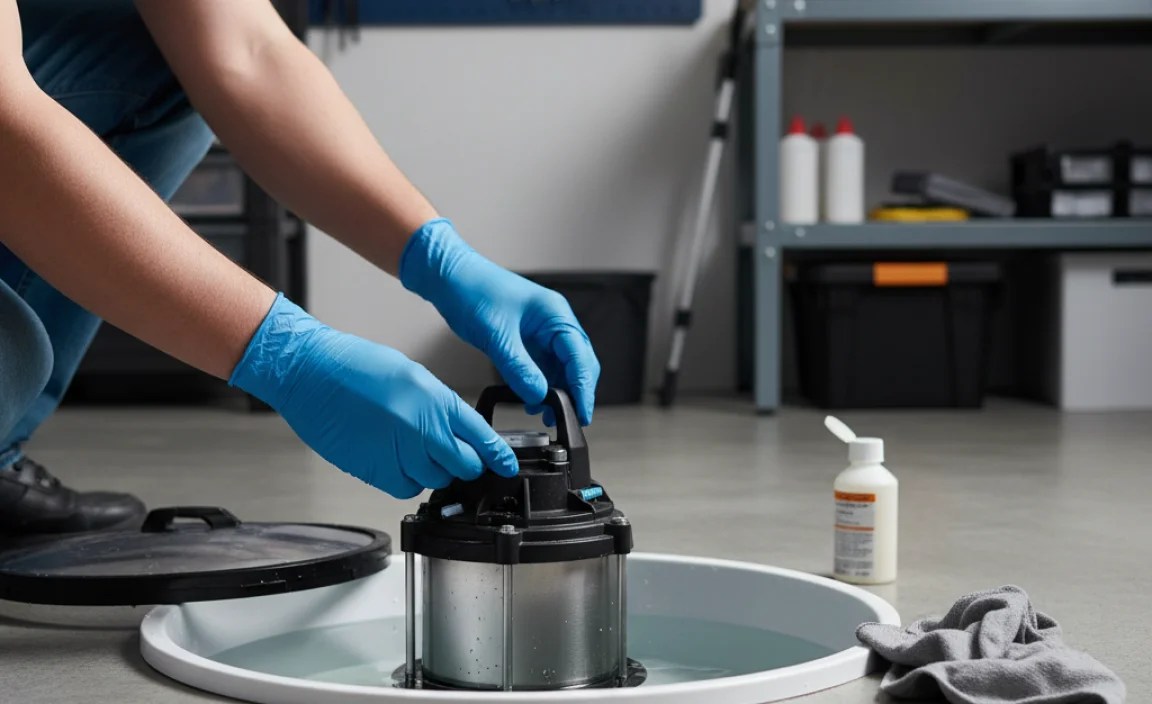
Maintaining your floor sump pump is very important. Regular maintenance keeps it working well. Check the pump regularly for debris. Clean the sump pit to remove sediment. Make sure the float switch moves freely. Inspect the discharge pipe for clogs. Test the pump periodically by pouring water into the pit. Listen for unusual noises. These can indicate a problem. Replace the pump every 5-7 years. This ensures it remains reliable. Proper maintenance extends the life of your pump.
- Check the pump for debris regularly.
- Clean the sump pit to remove sediment.
- Ensure the float switch moves freely.
- Inspect the discharge pipe for clogs.
- Test the pump periodically.
- Replace the pump every 5-7 years.
Think of maintaining your floor sump pump like taking care of a pet. You need to feed it (electricity). You need to clean it (remove debris). You need to check it for problems (unusual noises). If you ignore your pet, it might get sick. If you ignore your pump, it might fail. A little bit of care goes a long way. Regular maintenance keeps your pump healthy. It protects your home from water damage. It gives you peace of mind.
Fun Fact or Stat: Regular sump pump maintenance can prevent up to 90% of common sump pump failures.
Cleaning the Sump Pit
Cleaning the sump pit is a key part of maintenance. Over time, sediment can build up. This sediment can clog the floor sump pump. It can also interfere with the float switch. To clean the pit, first disconnect the power. Then, remove any standing water. Use a wet/dry vacuum to remove sediment. Scrub the sides of the pit with a brush. Rinse the pit with clean water. Dispose of the sediment properly. Regular cleaning keeps the pump working efficiently. It also prevents clogs.
Checking the Float Switch
Checking the float switch is also important. The float switch turns the floor sump pump on and off. If it gets stuck, the pump won’t work. Make sure the float moves freely. It should not be obstructed by debris. Gently lift the float. The pump should turn on. Release the float. The pump should turn off. If the float is stuck, clean it. Remove any debris that is blocking it. A properly functioning float switch is essential.
Inspecting the Discharge Pipe
Inspecting the discharge pipe is another important step. The discharge pipe carries water away. Check it for clogs and leaks. Clogs can reduce the pump’s effectiveness. Leaks can cause water to seep back. Make sure the pipe is securely connected. The end of the pipe should be clear. It should not be blocked by debris. If you find any problems, fix them right away. A clear and secure discharge pipe is crucial.
Fun Fact or Stat: A clogged discharge pipe can reduce a sump pump’s efficiency by up to 50%.
Troubleshooting Common Sump Pump Problems
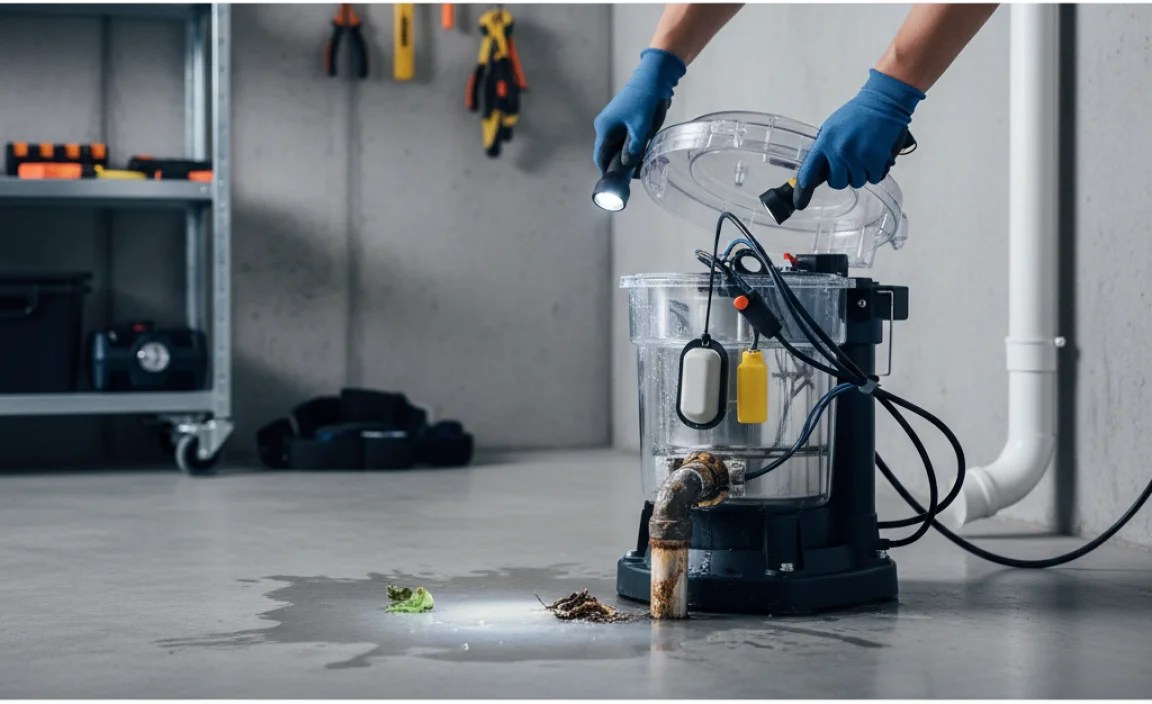
Even with good care, floor sump pumps can have problems. Sometimes the pump runs constantly. Other times it won’t turn on. Unusual noises can also be a sign of trouble. A common problem is a stuck float switch. Debris can block the switch. Another issue is a clogged discharge pipe. Sediment can build up over time. Power outages can also cause problems. A battery backup pump can help. Identifying and fixing problems early is key. This prevents major damage.
- Pump runs constantly.
- Pump won’t turn on.
- Unusual noises.
- Stuck float switch.
- Clogged discharge pipe.
- Power outages.
Imagine your floor sump pump is like a musical instrument. If it’s out of tune (making strange noises), something is wrong. If it’s not playing (not turning on), there’s a problem. If it’s playing the same note over and over (running constantly), it’s stuck. You need to listen carefully. You need to look for clues. Fixing these problems early prevents bigger issues. It keeps your pump working smoothly. It protects your home.
Fun Fact or Stat: Addressing sump pump issues promptly can save homeowners an average of $1,500 in potential water damage repairs.
Pump Runs Constantly
If your floor sump pump runs constantly, there could be a few reasons. The float switch might be stuck. Check it to make sure it moves freely. The pump might be too small for your needs. A larger pump might be necessary. There could be a leak in the discharge pipe. Water is flowing back into the pit. Check the pipe for cracks and clogs. Constant running can wear out the pump quickly. Addressing the problem promptly is important. It saves energy and extends the pump’s life.
Pump Won’t Turn On
If your floor sump pump won’t turn on, start with the basics. Make sure the pump is plugged in. Check the circuit breaker. It might have tripped. The float switch might be stuck. Clean it to ensure it moves freely. The pump motor might be burned out. This requires replacing the pump. Power outages can also prevent the pump from turning on. A battery backup pump can help in these situations. Diagnosing the problem correctly is crucial. It ensures you take the right steps to fix it.
Unusual Noises
Unusual noises from your floor sump pump can be a warning sign. Grinding noises might indicate a worn-out motor. Rattling noises could mean loose parts. Gurgling noises might suggest a clogged pipe. Investigate any unusual noises promptly. Ignoring them can lead to bigger problems. Turn off the pump and inspect it carefully. If you can’t identify the source, call a professional. Addressing the noise early can prevent major damage. It keeps your pump running smoothly and quietly.
Fun Fact or Stat: Unusual noises from a sump pump can often be resolved with simple maintenance, such as cleaning the impeller or tightening loose parts.
Floor Sump Pump Costs and Considerations
The cost of a floor sump pump varies. It depends on the type and features. Pedestal pumps are generally less expensive. Submersible pumps cost more. Battery backup pumps add to the cost. Installation costs also vary. DIY installation is cheaper. Professional installation costs more. Consider the long-term benefits. A good sump pump protects your home. It prevents costly water damage. It’s an investment in your home’s safety.
- Pedestal pumps are cheaper.
- Submersible pumps cost more.
- Battery backup pumps increase the cost.
- DIY installation saves money.
- Professional installation ensures proper setup.
- Consider long-term benefits.
Think of buying a floor sump pump like buying a good pair of shoes. Cheap shoes might save you money at first. But they might not last long. They might not protect your feet well. A good pair of shoes costs more. But they last longer. They provide better support. A good sump pump is like a good pair of shoes. It costs more upfront. But it protects your home better. It lasts longer. It’s a worthwhile investment.
Fun Fact or Stat: Investing in a high-quality sump pump can save homeowners thousands of dollars in potential water damage repairs over the pump’s lifespan.
Initial Purchase Price
The initial purchase price of a floor sump pump is a key consideration. Pedestal pumps are usually the most affordable. Submersible pumps have a higher price tag. Battery backup systems add to the overall cost. Consider your budget. But also think about the pump’s features. A more expensive pump might be more efficient. It might last longer. Compare different models and brands. Read reviews from other homeowners. Choose a pump that fits your needs and budget.
Installation Costs
Installation costs can vary widely. DIY installation is the cheapest option. But it requires some plumbing knowledge. Professional installation ensures proper setup. It also provides peace of mind. Get quotes from several contractors. Compare their prices and services. Ask about warranties and guarantees. Proper installation is crucial for the pump’s performance. It prevents future problems. It protects your investment.
Long-Term Savings
Long-term savings are an important factor. A good floor sump pump prevents water damage. Water damage can be very expensive to repair. It can ruin walls, floors, and furniture. It can also lead to mold growth. Mold remediation is costly. A sump pump protects your home. It saves you money in the long run. It’s an investment in your home’s future. Consider the potential savings when choosing a pump.
Fun Fact or Stat: Homes with sump pumps have significantly lower insurance premiums in flood-prone areas due to the reduced risk of water damage.
Summary
A floor sump pump is a crucial device. It protects homes from flooding. It sits in a pit. It removes water. Different types of pumps exist. Submersible pumps are quiet and efficient. Pedestal pumps are easier to repair. Battery backup pumps offer protection during power outages. Proper installation is key. Regular maintenance is essential. Troubleshooting common problems can prevent major damage. Considering costs and long-term benefits is important. A well-maintained sump pump protects your home. It provides peace of mind.
Conclusion
A floor sump pump is a vital tool for protecting your home. It prevents flooding and water damage. Choose the right type of pump for your needs. Install it properly. Maintain it regularly. Address problems promptly. A well-cared-for sump pump keeps your basement dry. It gives you peace of mind. It protects your investment.
Frequently Asked Questions
Question No 1: What is a sump pump and why do I need one?
Answer: A sump pump is a device that removes water from your basement or crawl space. It sits in a pit and pumps water away from your home’s foundation. You need one if you live in an area with heavy rain, melting snow, or a high water table. Without a sump pump, water can seep into your basement, causing flooding and water damage. This can ruin your belongings and lead to mold growth. A floor sump pump protects your home and your health. It prevents costly repairs and gives you peace of mind knowing your home is safe from water.
Question No 2: How often should I replace my sump pump?
Answer: A sump pump typically lasts for about 5-7 years. However, this can vary depending on the quality of the pump and how often it runs. If your pump is constantly running, it might wear out faster. Regular maintenance can extend its lifespan. Look for signs that your pump is failing. These include unusual noises, reduced pumping capacity, and frequent cycling. If you notice any of these issues, it’s time to replace your sump pump. Replacing it before it fails can prevent costly water damage. Consider a battery backup floor sump pump.
Question No 3: What are the signs that my sump pump is failing?
Answer: There are several signs that your sump pump might be failing. One common sign is unusual noises. These can include grinding, rattling, or gurgling sounds. Another sign is reduced pumping capacity. The pump might not be able to remove water as quickly as it used to. Frequent cycling is also a sign. The pump turns on and off more often than normal. Visible rust or corrosion is another indicator. If you notice any of these signs, inspect your pump. A failing floor sump pump needs immediate attention.
Question No 4: How can I prevent my sump pump from freezing in the winter?
Answer: Preventing your sump pump from freezing is important. Especially during the winter months. Make sure the discharge pipe is not blocked by snow or ice. The pipe should slope downward. This allows water to drain away easily. Insulate the pipe to prevent freezing. You can use pipe insulation sleeves. Consider installing a freeze-resistant discharge pipe. This type of pipe is designed to withstand cold temperatures. Regularly check the area around the floor sump pump. Ensure it is clear of snow and ice. Preventing freezing helps your pump work properly. This keeps your basement dry.
Question No 5: What should I do if my sump pump stops working during a power outage?
Answer: If your sump pump stops working during a power outage, it can be a serious problem. Water can quickly accumulate in your basement. The best solution is to have a battery backup floor sump pump. This pump will automatically kick in when the power goes out. If you don’t have a backup pump, try to remove water manually. Use a wet/dry vacuum or buckets. This is a temporary solution. Consider investing in a battery backup pump. It provides reliable protection during power outages. Regular battery checks are important.
Question No 6: Is it better to install a sump pump myself or hire a professional?
Answer: Whether to install a sump pump yourself or hire a professional depends on your skills. It also depends on your comfort level. DIY installation can save money. But it requires some plumbing knowledge. You need to be able to dig a sump pit. You also need to connect the discharge pipe properly. Professional installation ensures proper setup. It also provides peace of mind. If you are unsure, hire a professional. Proper installation of a floor sump pump is crucial. It prevents future problems. It protects your investment.