
What Does Optimized Defrost Cycle in a Heat Pump Mean for Rheem?

The optimized defrost cycle in a Rheem heat pump minimizes energy waste during defrosting. Instead of a timed defrost, it uses smart sensors to detect ice buildup and only defrosts when necessary, saving you money and improving your heat pump’s efficiency.
Is your Rheem heat pump’s defrost cycle a mystery? Many homeowners find themselves scratching their heads over this essential feature. You’re not alone! Understanding the optimized defrost cycle can save you money and keep your home comfortable. This guide will break down what it means, how it works, and why it’s beneficial for your Rheem heat pump. We’ll take the complexity out of this feature, so you can make informed decisions about your home’s heating and cooling. Let’s dive in!
Understanding Heat Pump Defrost Cycles

Heat pumps are incredibly efficient at heating and cooling homes. However, when temperatures drop, frost can form on the outdoor coil. This frost reduces the heat pump’s ability to extract heat from the air, making it less effective. That’s where the defrost cycle comes in. It temporarily reverses the cooling process to warm the outdoor coil and melt the frost.
Why Defrosting is Necessary
Without a defrost cycle, the frost buildup would continue to worsen, eventually causing the heat pump to stop working efficiently. This can lead to higher energy bills and potential damage to the unit. Defrosting ensures your heat pump operates smoothly and maintains its energy efficiency.
Traditional Defrost Cycles: Timed Defrost
Older heat pumps often use a timed defrost cycle. This means the unit defrosts at set intervals, regardless of whether frost is actually present. For example, the heat pump might defrost every 30, 60, or 90 minutes. This approach is simple but can be wasteful because the heat pump may defrost even when it doesn’t need to, using extra energy.
What Makes Rheem’s Defrost Cycle “Optimized”?

Rheem’s optimized defrost cycle is a smarter, more efficient approach to defrosting. Instead of relying on a timer, it uses sensors and smart algorithms to detect frost buildup. This ensures that the heat pump only defrosts when it’s necessary, reducing energy waste and improving overall performance.
Key Features of Optimized Defrost
- Demand Defrost: Only defrosts when frost is detected.
- Sensors: Uses temperature and pressure sensors to monitor the outdoor coil.
- Smart Algorithms: Analyzes data to determine the optimal time for defrosting.
- Reduced Energy Waste: Minimizes unnecessary defrost cycles.
How Optimized Defrost Works
Here’s a step-by-step breakdown of how Rheem’s optimized defrost cycle functions:
- Frost Detection: The system uses sensors to continuously monitor the temperature and pressure of the outdoor coil.
- Data Analysis: The heat pump’s control board analyzes the sensor data to determine if frost is present and how much has accumulated.
- Defrost Initiation: If the system detects a significant amount of frost, it initiates the defrost cycle.
- Reversed Cooling: The heat pump temporarily reverses its operation, sending hot refrigerant to the outdoor coil.
- Frost Melting: The heat from the refrigerant melts the frost, which then drains away from the unit.
- Return to Normal Operation: Once the frost is cleared, the heat pump returns to its normal heating cycle.
Benefits of Optimized Defrost Cycle

The optimized defrost cycle offers several advantages over traditional timed defrost systems.
- Energy Savings: Defrosting only when needed reduces energy consumption.
- Improved Efficiency: Maintains optimal heat pump performance.
- Reduced Wear and Tear: Less frequent defrost cycles can extend the lifespan of the heat pump components.
- Enhanced Comfort: More consistent heating performance.
Optimized Defrost vs. Timed Defrost: A Comparison

To illustrate the differences, here’s a table comparing optimized defrost and timed defrost systems:
| Feature | Optimized Defrost | Timed Defrost |
|---|---|---|
| Defrost Activation | Based on frost detection | Based on set intervals |
| Energy Efficiency | Higher | Lower |
| Wear and Tear | Less | More |
| Performance | More consistent | Less consistent |
Common Issues and Troubleshooting
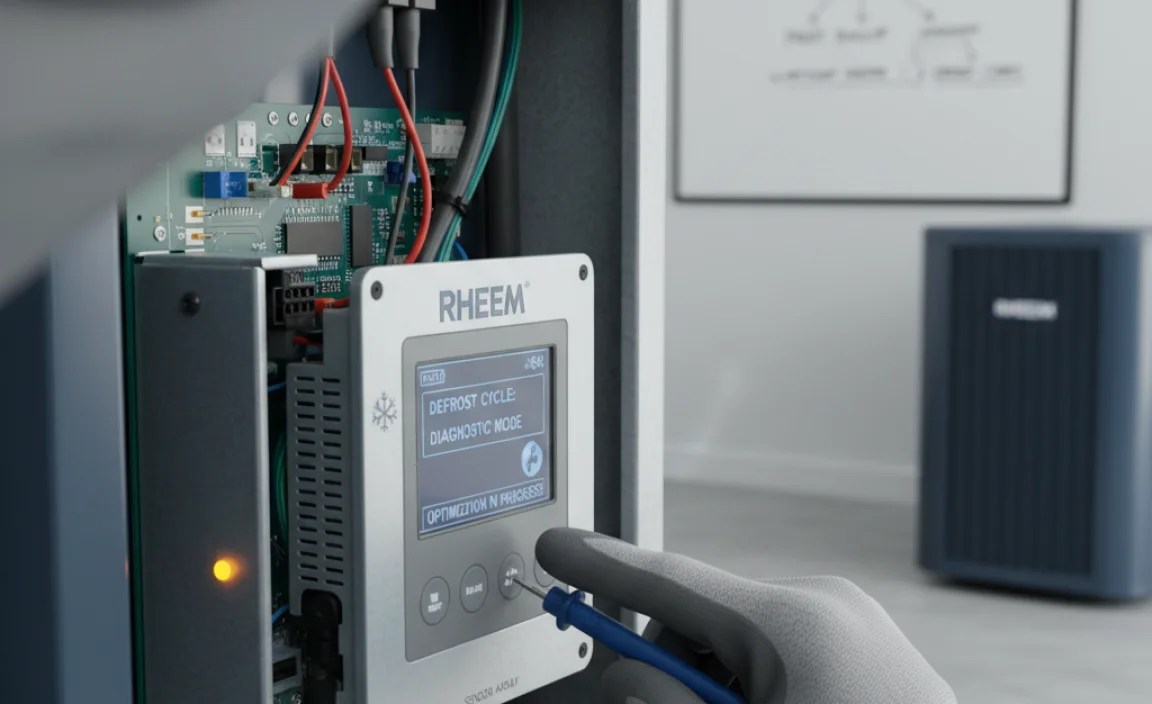
Even with an optimized defrost cycle, you might encounter some issues. Here are a few common problems and how to address them:
Ice Buildup
Problem: Excessive ice buildup on the outdoor coil.
Possible Causes:
- Faulty temperature or pressure sensors
- Refrigerant leaks
- Blocked airflow
Troubleshooting Steps:
- Check for debris around the outdoor unit and clear any obstructions.
- Inspect the coil for visible damage or ice accumulation.
- Contact a qualified HVAC technician to check the sensors and refrigerant levels.
Frequent Defrost Cycles
Problem: The heat pump defrosts too frequently.
Possible Causes:
- Incorrect sensor readings
- Faulty control board
- High humidity levels
Troubleshooting Steps:
- Monitor the frequency of defrost cycles and note any patterns.
- Check the outdoor unit for proper drainage.
- Consult an HVAC professional to diagnose and repair sensor or control board issues.
No Defrost Cycle
Problem: The heat pump is not defrosting at all.
Possible Causes:
- Defective defrost timer or control board
- Failed defrost heater
- Wiring issues
Troubleshooting Steps:
- Ensure the heat pump is set to heating mode.
- Check the circuit breaker for the heat pump.
- Contact a certified technician to inspect the defrost components and wiring.
Maintaining Your Rheem Heat Pump for Optimal Defrost Performance
Proper maintenance is crucial for ensuring your Rheem heat pump’s optimized defrost cycle works effectively. Here are some maintenance tips:
Regular Inspections
Schedule regular inspections with a qualified HVAC technician. They can identify potential issues early and ensure all components are functioning correctly. Regular maintenance can improve efficiency, prevent costly repairs, and extend the lifespan of your unit. You can typically find certified Rheem technicians through the Rheem website or by searching for local HVAC professionals with good reviews.
Cleaning the Outdoor Unit
Keep the outdoor unit clean by removing leaves, dirt, and debris. Blocked airflow can reduce the heat pump’s efficiency and cause it to work harder. Clear away any vegetation growing close to the unit to ensure proper ventilation. Use a garden hose to gently rinse the coil, being careful not to damage the fins.
Replacing Air Filters
Change your air filters regularly, typically every 1-3 months, depending on usage and air quality. Dirty air filters restrict airflow, which can affect the heat pump’s performance and cause it to work harder. A clean filter ensures optimal airflow and helps maintain consistent temperatures throughout your home.
Checking Refrigerant Levels
Refrigerant levels should be checked by a professional HVAC technician. Low refrigerant levels can significantly impact the heat pump’s ability to heat or cool your home efficiently. A technician can identify and repair any leaks and recharge the system to the correct level.
Monitoring Performance
Pay attention to how your heat pump is performing. Unusual noises, frequent cycling, or inconsistent temperatures can be signs of a problem. Keep track of your energy bills to identify any significant changes in consumption, which could indicate an issue with the heat pump’s efficiency.
DIY vs. Professional Help
While some maintenance tasks can be done yourself, it’s important to know when to call a professional. Tasks like cleaning the outdoor unit and replacing air filters are generally safe for homeowners. However, more complex issues like refrigerant leaks, sensor problems, or control board malfunctions should be handled by a qualified HVAC technician. Attempting to repair these issues yourself can be dangerous and may void your warranty.
| Task | DIY | Professional |
|---|---|---|
| Cleaning Outdoor Unit | Yes | Optional |
| Replacing Air Filters | Yes | Optional |
| Checking Refrigerant Levels | No | Required |
| Repairing Sensor Issues | No | Required |
| Inspecting Components | Limited | Comprehensive |
The Future of Heat Pump Technology
Heat pump technology is continually evolving, with manufacturers like Rheem investing in research and development to improve efficiency and performance. Future heat pumps are likely to incorporate even more advanced sensors, smart controls, and energy-saving features. Expect to see greater integration with smart home systems, allowing for more precise temperature control and energy management. Additionally, advancements in refrigerant technology are expected to lead to more environmentally friendly and efficient systems.
One notable trend is the development of cold-climate heat pumps, designed to operate efficiently in extremely low temperatures. These heat pumps use advanced compressors and defrost strategies to maintain heating performance even in sub-zero conditions. As energy efficiency standards become more stringent, heat pumps will play an increasingly important role in home heating and cooling.
FAQ About Optimized Defrost Cycles
Here are some frequently asked questions about optimized defrost cycles in Rheem heat pumps:
- What exactly is an optimized defrost cycle?
- It’s a smart defrost system that uses sensors to detect ice buildup and only defrosts when needed, saving energy.
- How does optimized defrost save energy?
- By not defrosting on a set schedule, the heat pump avoids unnecessary defrost cycles, reducing energy consumption.
- Can I tell when my heat pump is in defrost mode?
- Yes, you might notice the outdoor fan stops, and a hissing or bubbling sound as the ice melts. Some units also display a defrost indicator.
- Is it normal to see steam coming from my heat pump during defrost?
- Yes, that’s perfectly normal. The steam is just water vapor from the melting ice.
- What should I do if my heat pump is constantly defrosting?
- Check for obstructions around the unit, but if the problem persists, call an HVAC technician.
- Does the optimized defrost cycle affect the lifespan of my heat pump?
- Yes, it can extend the lifespan by reducing unnecessary wear and tear on the components.
- Are all Rheem heat pumps equipped with optimized defrost?
- Not all models, but many newer Rheem heat pumps include this feature. Check the product specifications for details.
Conclusion
Understanding the optimized defrost cycle in your Rheem heat pump can make a significant difference in energy efficiency and home comfort. By using smart sensors and algorithms, this system ensures that your heat pump only defrosts when necessary, saving you money and reducing wear and tear on the unit. Regular maintenance and prompt troubleshooting can further enhance its performance, ensuring your heat pump operates at its best for years to come. Embrace these tips, and you’ll be well-equipped to keep your Rheem heat pump running smoothly and efficiently!
“`


