
Why Does My Heat Pump Keep Cycling On and Off?

Quick Summary: A heat pump cycling on and off frequently, also known as short cycling, is often caused by a dirty air filter, frozen coils, refrigerant leaks, or an oversized unit. Addressing these issues promptly can prevent further damage, improve efficiency, and ensure your heat pump provides consistent heating and cooling. Regular maintenance is key to preventing short cycling.
Is your heat pump turning on and off more often than it should? It’s a common problem that many homeowners face. This frequent on-and-off activity, called short cycling, can be frustrating and costly. Not only does it prevent your home from maintaining a consistent temperature, but it can also increase your energy bills and potentially damage your heat pump. The good news is that many causes of short cycling are easy to diagnose and fix. We’ll walk you through the most common reasons and what you can do about them. Keep reading to learn how to get your heat pump running smoothly again!
Understanding Heat Pump Cycling

Heat pumps are designed to run in cycles, maintaining a consistent temperature by transferring heat either into or out of your home. Normal cycling involves the unit turning on, running for a reasonable period (usually 15-20 minutes), and then turning off once the desired temperature is reached. However, when a heat pump starts cycling on and off too frequently, it indicates an underlying issue that needs attention.
Normal vs. Short Cycling
Normal Cycling:
- Runs for 15-20 minutes or longer.
- Maintains a consistent temperature.
- Doesn’t turn on and off rapidly.
Short Cycling:
- Runs for only a few minutes at a time.
- Fails to maintain a consistent temperature.
- Turns on and off frequently.
Short cycling puts extra stress on the components of your heat pump, leading to premature wear and tear. It also reduces the efficiency of the unit, causing higher energy bills. Identifying the cause of short cycling is crucial to maintaining the longevity and performance of your heat pump.
Common Causes of Heat Pump Short Cycling

Several factors can cause your heat pump to cycle on and off too frequently. Here are some of the most common culprits:
1. Dirty Air Filter
A dirty air filter is one of the most frequent causes of short cycling. When the filter is clogged with dust and debris, it restricts airflow to the heat pump. This restriction causes the unit to overheat and shut down prematurely as a safety measure.
Solution:
- Locate the air filter. It’s usually found in the indoor unit of your heat pump.
- Remove the old filter.
- Replace it with a new, clean filter.
- Check the filter monthly and replace it as needed (usually every 1-3 months).
Using high-quality air filters can also improve overall air quality in your home. Consider filters with a MERV (Minimum Efficiency Reporting Value) rating of 8-11 for a good balance of filtration and airflow.
2. Frozen Coils
Frozen coils can occur when the heat pump struggles to extract heat from the outside air, especially in cold weather. Ice buildup on the coils insulates them, reducing their ability to absorb heat and causing the unit to work harder and cycle more frequently.
Solution:
- Check the outdoor unit for ice buildup.
- If ice is present, try turning off the heat pump and running it in fan-only mode to melt the ice.
- Ensure proper airflow around the outdoor unit by clearing away any snow, leaves, or debris.
- If the problem persists, you may have a more serious issue like a refrigerant leak or a faulty defrost system, which requires professional attention.
Regularly inspecting the outdoor unit during winter months can help prevent ice buildup and ensure efficient operation.
3. Refrigerant Leaks
Refrigerant is essential for the heat pump to transfer heat effectively. If there’s a refrigerant leak, the unit won’t be able to maintain the desired temperature, causing it to cycle on and off more frequently.
Signs of a Refrigerant Leak:
- Reduced heating or cooling performance.
- Ice buildup on the coils.
- Hissing sound near the unit.
- Higher energy bills.
Solution:
Refrigerant leaks require professional repair. Contact a qualified HVAC technician to locate and repair the leak, and then recharge the refrigerant to the correct level. Attempting to handle refrigerant yourself is not recommended due to environmental and safety concerns.
4. Oversized Heat Pump
An oversized heat pump can cool or heat your home too quickly, leading to short cycles. The unit satisfies the thermostat setting rapidly, then shuts off, only to turn on again shortly after when the temperature fluctuates.
Signs of an Oversized Heat Pump:
- Short, frequent cycles.
- Uneven temperatures throughout the house.
- High humidity levels.
Solution:
The best solution for an oversized heat pump is to replace it with a properly sized unit. Consult with an HVAC professional to perform a load calculation to determine the correct size for your home. This calculation considers factors such as square footage, insulation, climate, and window efficiency.
5. Thermostat Issues
A malfunctioning thermostat can also cause short cycling. If the thermostat is not reading the temperature accurately or is improperly calibrated, it may signal the heat pump to turn on and off at incorrect intervals.
Solution:
- Check the thermostat settings to ensure they are correct.
- Make sure the thermostat is clean and free of dust.
- Replace the batteries if it’s a battery-powered thermostat.
- Consider upgrading to a smart thermostat, which can provide more accurate temperature readings and better control over your heating and cooling system.
- If the problem persists, consult an HVAC technician to inspect the thermostat and wiring.
6. Electrical Problems
Electrical issues, such as faulty wiring or a failing capacitor, can cause the heat pump to cycle on and off erratically. These problems can prevent the unit from receiving the proper voltage or current, leading to inconsistent operation.
Signs of Electrical Problems:
- Heat pump turning on and off without a pattern.
- Burning smell near the unit.
- Tripped circuit breakers.
Solution:
Electrical problems should be addressed by a qualified electrician or HVAC technician. They can diagnose the issue and perform the necessary repairs to ensure the heat pump operates safely and efficiently. Never attempt to repair electrical components yourself unless you have the proper training and experience.
7. Ductwork Issues
Problems with your ductwork, such as leaks or blockages, can also contribute to short cycling. Leaky ducts allow heated or cooled air to escape, making the heat pump work harder to maintain the desired temperature. Blockages restrict airflow, causing the unit to overheat and shut down.
Signs of Ductwork Issues:
- Uneven temperatures throughout the house.
- Increased energy bills.
- Dust buildup near vents.
Solution:
- Inspect your ductwork for visible leaks or damage.
- Seal any leaks with duct tape or mastic sealant.
- Ensure that vents are not blocked by furniture or other obstructions.
- Consider having your ductwork professionally inspected and cleaned to remove any blockages and improve airflow.
DIY Troubleshooting Steps
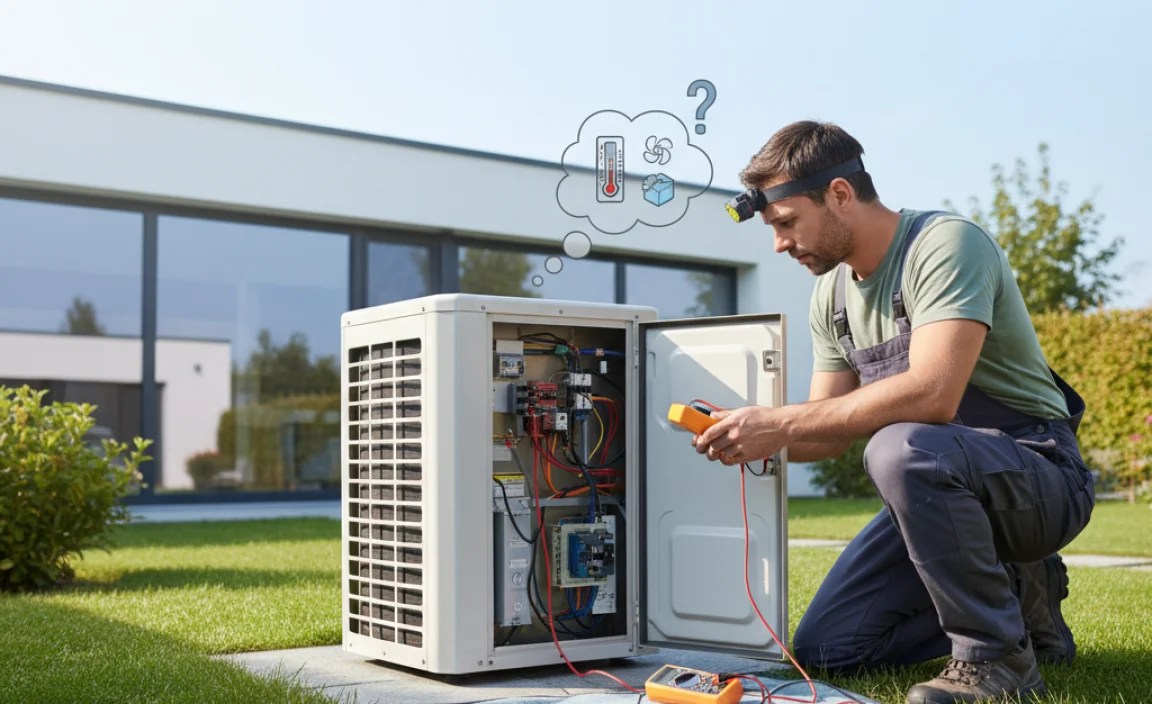
Before calling a professional, there are several troubleshooting steps you can take to try and resolve the short cycling issue:
- Check the Air Filter: Replace it if it’s dirty.
- Inspect the Outdoor Unit: Clear away any debris or ice buildup.
- Check the Thermostat: Ensure it’s set correctly and functioning properly.
- Clear Vents: Make sure vents are not blocked by furniture.
If these steps don’t resolve the problem, it’s time to call a qualified HVAC technician. They have the expertise and tools to diagnose and repair more complex issues.
When to Call a Professional

While some causes of short cycling can be addressed with DIY solutions, others require professional attention. Here are some situations where it’s best to call an HVAC technician:
- Refrigerant leaks
- Electrical problems
- Faulty compressor
- Defrost system issues
- Oversized heat pump
Attempting to repair these issues yourself can be dangerous and may void your heat pump’s warranty. It’s always best to leave these repairs to the professionals.
Preventative Maintenance Tips
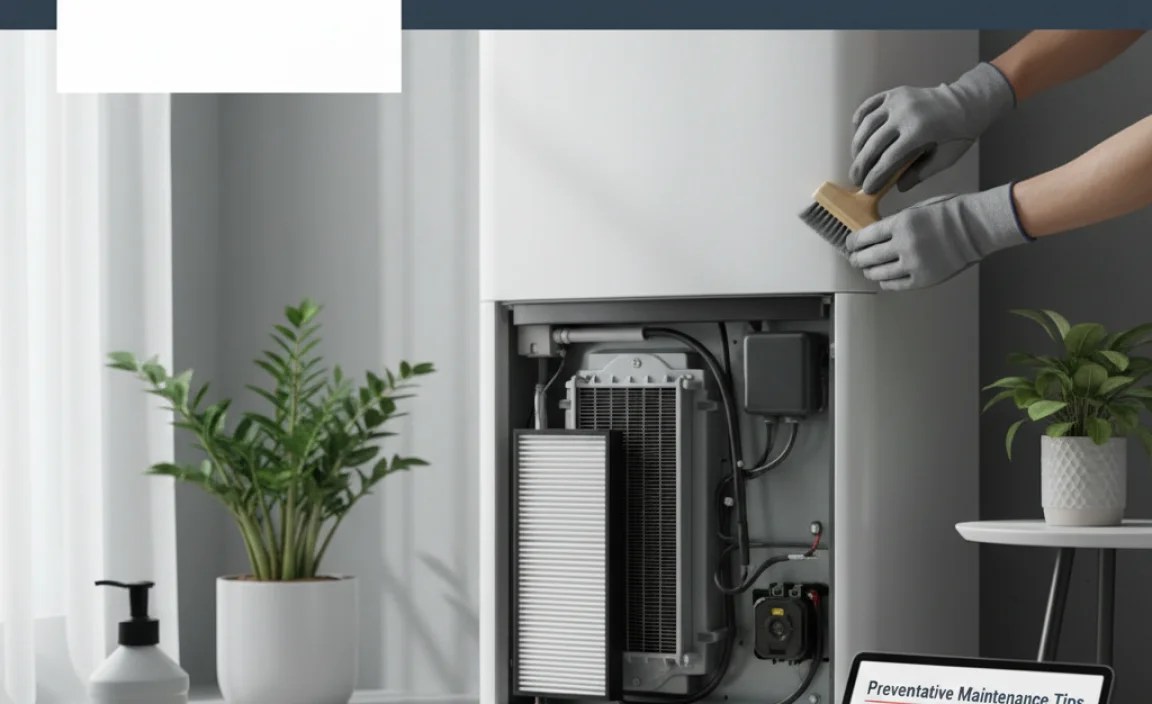
Preventative maintenance is key to keeping your heat pump running efficiently and preventing short cycling. Here are some tips to help you maintain your unit:
- Regularly Replace Air Filters: Check and replace your air filters every 1-3 months.
- Inspect Outdoor Unit: Keep the area around the outdoor unit clear of debris.
- Schedule Professional Maintenance: Have your heat pump professionally inspected and serviced at least once a year.
- Monitor Performance: Pay attention to any changes in your heat pump’s performance, such as reduced heating or cooling, unusual noises, or increased energy bills.
Regular maintenance can help identify and address potential problems before they lead to short cycling or other more serious issues. A well-maintained heat pump will not only operate more efficiently but will also last longer, saving you money in the long run.
Cost of Repairs
The cost of repairing a heat pump that is short cycling can vary depending on the cause and complexity of the issue. Here’s a general overview of potential repair costs:
| Issue | Average Cost |
|---|---|
| Replacing a Dirty Air Filter | $10 – $30 |
| Refrigerant Leak Repair | $200 – $800 |
| Thermostat Replacement | $100 – $300 |
| Capacitor Replacement | $150 – $400 |
| Ductwork Repair | $200 – $1000+ |
| Heat Pump Replacement (Oversized Unit) | $3,000 – $7,000+ |
These costs are estimates and can vary based on your location, the specific HVAC technician you hire, and the complexity of the repair. Getting multiple quotes from different professionals can help you find the best price.
FAQ
Why is my heat pump turning on and off so quickly?
Your heat pump might be short cycling due to a dirty air filter, frozen coils, refrigerant leaks, or an oversized unit. These issues cause the system to overheat or fail to maintain temperature, leading to frequent on-off cycles.
How often should my heat pump cycle on and off?
A heat pump should run for at least 15-20 minutes per cycle. If it’s turning on and off much more frequently, it’s likely short cycling, indicating a problem that needs to be addressed.
Can a dirty air filter cause my heat pump to short cycle?
Yes, a dirty air filter restricts airflow, causing the heat pump to overheat and shut down prematurely. Regularly replacing the air filter can prevent this issue.
Is it normal for my heat pump to ice up in the winter?
Some ice buildup is normal, but excessive ice can indicate a problem. The heat pump has a defrost cycle to melt the ice. If ice buildup is excessive, it could be due to a faulty defrost system or refrigerant leak.
How do I know if my heat pump is the right size for my home?
An HVAC professional can perform a load calculation to determine the correct size for your home. Factors include square footage, insulation, climate, and window efficiency.
Can I fix a refrigerant leak myself?
No, refrigerant leaks should be repaired by a qualified HVAC technician. Handling refrigerant requires specialized equipment and training, and improper handling can be harmful to the environment.
How often should I have my heat pump professionally serviced?
It’s recommended to have your heat pump professionally inspected and serviced at least once a year to ensure it’s running efficiently and to catch any potential problems early.
Conclusion
Dealing with a heat pump that keeps cycling on and off can be a headache, but understanding the potential causes and solutions can empower you to take action. Start with the simple fixes like replacing the air filter and clearing any obstructions around the outdoor unit. If the problem persists, don’t hesitate to call a qualified HVAC technician. Regular maintenance and prompt repairs will not only improve the efficiency of your heat pump but also extend its lifespan, ensuring your home stays comfortable year-round. By staying proactive, you can avoid costly repairs and enjoy the benefits of a well-functioning heat pump for years to come.
“`


