
How to Clean Dust and Grit From Shock Pump Valve Head – Easy!

Have you ever played outside and gotten dirt on your toys? It can be annoying! The same thing can happen to bike parts. Dust and grit can get into the shock pump valve head. This can make the pump not work as well. Do you know how to clean dust and grit from shock pump valve head? It’s important to keep your bike tools clean.
Keeping your tools clean helps them last longer. A clean tool works better too. Let’s learn how to keep your shock pump working great. We will show you the steps to clean it. This will keep your bike rides smooth and fun.
Sometimes, small things make a big difference. A little bit of dirt can cause problems. Learning to clean your bike tools is a great skill. It helps you take care of your things. Are you ready to learn how to clean dust and grit from shock pump valve head? Let’s get started!
Key Takeaways
- Always disconnect the shock pump before you start any cleaning.
- Use a clean, dry cloth to wipe down the valve head regularly.
- Compressed air can help remove stubborn dust and grit particles.
- For deep cleaning, use isopropyl alcohol on a cotton swab.
- Knowing how to clean dust and grit from shock pump valve head will prolong its life.
Why Cleaning Your Shock Pump Head Matters

Have you ever tried to blow up a balloon with a hole in it? It’s hard work! A dirty shock pump valve head is like that hole. It can make it hard to pump air. Dust and grit can block the air from going where it needs to go. This means you have to work harder to get the right pressure. Cleaning the valve head helps it work better. It makes pumping easier and faster. It also helps you get the correct pressure in your bike’s shocks. This keeps you safe while riding. Regular cleaning prevents damage to the pump. A clean pump lasts longer. You won’t have to buy a new one as often. So, learning how to clean dust and grit from shock pump valve head is super important. It saves you time, money, and effort!
- A clean pump ensures accurate pressure readings.
- Dirt can damage the seals inside the valve head.
- Regular cleaning prevents air leaks.
- A well-maintained pump lasts longer.
- Cleaning improves the pump’s efficiency.
Imagine your bike is a race car. The shock pump is like the tool the pit crew uses to adjust the tires. If the tool is dirty, it won’t work right. The car won’t perform its best. Keeping your shock pump clean is like keeping the race car in top shape. It ensures your bike performs its best too. It lets you have more fun on your rides. Knowing how to clean dust and grit from shock pump valve head is like being a part of the pit crew. You’re taking care of your equipment. This helps you go faster and smoother. So, take the time to clean your pump. Your bike will thank you!
Fun Fact or Stat: A dirty shock pump can lose up to 20% of its pumping efficiency!
How to Spot a Dirty Valve Head
Have you ever seen a dusty shelf? You can tell it’s dirty just by looking at it. The same goes for your shock pump valve head. Sometimes, you can see the dust and grit right away. Look closely at the tip of the valve head. Do you see any dirt or small particles? If so, it’s time for a cleaning! Other times, you might not see the dirt. But you can feel it. Does the pump feel rough when you attach it to the valve? Does air leak out when you pump? These are signs that the valve head is dirty. Even if you can’t see or feel the dirt, it’s a good idea to clean it regularly. This helps prevent problems before they start. Knowing how to clean dust and grit from shock pump valve head helps you keep your bike in great shape.
The Impact of Dirt on Pump Performance
Think of a clogged straw. It’s hard to drink your juice, right? Dust and grit in your shock pump valve head can have the same effect. It can clog the small parts inside the pump. This makes it harder to push air through. The pump might not reach the right pressure. This can affect your bike’s suspension. Your ride might feel bumpy or uncomfortable. Over time, dirt can also damage the pump’s seals. These seals keep the air from leaking out. If they get damaged, the pump won’t work at all. That’s why it’s so important to keep your pump clean. Learning how to clean dust and grit from shock pump valve head helps you avoid these problems. It keeps your pump working like new.
Why Regular Cleaning Prevents Bigger Issues
Imagine you have a small cut on your finger. If you clean it right away, it heals quickly. But if you leave it dirty, it can get infected. The same is true for your shock pump valve head. If you clean it regularly, you prevent bigger problems. Removing dust and grit stops them from damaging the pump’s parts. It also prevents air leaks and ensures accurate pressure readings. Regular cleaning extends the life of your pump. You won’t have to replace it as often. This saves you money in the long run. Plus, a clean pump is more reliable. You can count on it to work when you need it. Knowing how to clean dust and grit from shock pump valve head is like taking care of your health. It keeps your equipment in top condition.
Fun Fact or Stat: Regular cleaning can extend the lifespan of your shock pump by up to 50%!
Gathering Your Cleaning Supplies

Before you start cleaning, you need to gather your supplies. It’s like getting your tools ready before building something. You’ll need a few simple things. First, grab a clean, soft cloth. This will be used to wipe the valve head. Next, find some isopropyl alcohol. This helps to remove stubborn dirt. You can find it at most drugstores. You’ll also need some cotton swabs. These are great for cleaning small spaces. A can of compressed air is helpful too. It can blow away loose dust and grit. Finally, make sure you have a clean workspace. This will prevent more dirt from getting on the pump. Having everything ready makes the cleaning process easier. It helps you do a thorough job. Knowing how to clean dust and grit from shock pump valve head starts with being prepared.
- Clean, soft cloth for wiping.
- Isopropyl alcohol for removing stubborn dirt.
- Cotton swabs for cleaning small spaces.
- Compressed air to blow away loose particles.
- Clean workspace to prevent contamination.
Think of your cleaning supplies as a superhero team. Each tool has a special job to do. The clean cloth is like the strong one, wiping away the easy dirt. The isopropyl alcohol is like the smart one, dissolving the tough grime. The cotton swabs are like the agile ones, reaching into tight spots. The compressed air is like the fast one, blasting away loose particles. Together, they make a powerful team that can defeat dust and grit. Knowing how to use each tool is important. It helps you get the best results. How to clean dust and grit from shock pump valve head becomes easier with the right team.
Fun Fact or Stat: Isopropyl alcohol is also used to clean electronics because it evaporates quickly and doesn’t leave residue!
The Importance of a Clean Cloth
Imagine using a dirty towel to dry yourself after a shower. You’d just be putting dirt back on your clean skin! The same idea applies to cleaning your shock pump valve head. Using a clean cloth is super important. A dirty cloth can scratch the valve head. It can also leave behind more dust and grit. This defeats the purpose of cleaning. A clean, soft cloth gently wipes away dirt without causing damage. It’s like using a soft brush to clean a delicate painting. You want to remove the dirt without harming the surface. Always start with a fresh, clean cloth. This ensures you’re not adding more dirt to the pump. Knowing how to clean dust and grit from shock pump valve head includes using the right tools.
Why Isopropyl Alcohol is Your Best Friend
Have you ever tried to wash sticky candy off your hands with just water? It doesn’t work very well! You need something stronger, like soap. Isopropyl alcohol is like soap for your shock pump valve head. It’s a powerful cleaner that dissolves stubborn dirt and grime. It helps to break down the sticky stuff that holds dust and grit in place. Unlike water, isopropyl alcohol evaporates quickly. This means it won’t leave behind any residue. This is important because residue can attract more dirt. A little bit of isopropyl alcohol goes a long way. Just a few drops on a cotton swab can make a big difference. Knowing how to clean dust and grit from shock pump valve head includes using the right cleaning solution.
How Compressed Air Can Help
Think of compressed air as a tiny tornado in a can. It’s a super powerful blast of air that can blow away loose particles. This is especially helpful for cleaning your shock pump valve head. Sometimes, dust and grit get stuck in hard-to-reach places. A cotton swab might not be able to get in there. That’s where compressed air comes in handy. It can blast away the dirt without you having to touch the pump. This prevents you from accidentally pushing the dirt further inside. Compressed air is also great for drying the pump after cleaning it with isopropyl alcohol. It helps to evaporate any remaining liquid. Knowing how to clean dust and grit from shock pump valve head includes using compressed air effectively.
Fun Fact or Stat: Compressed air is used to clean computers and other electronics because it doesn’t conduct electricity!
Step-by-Step Cleaning Process
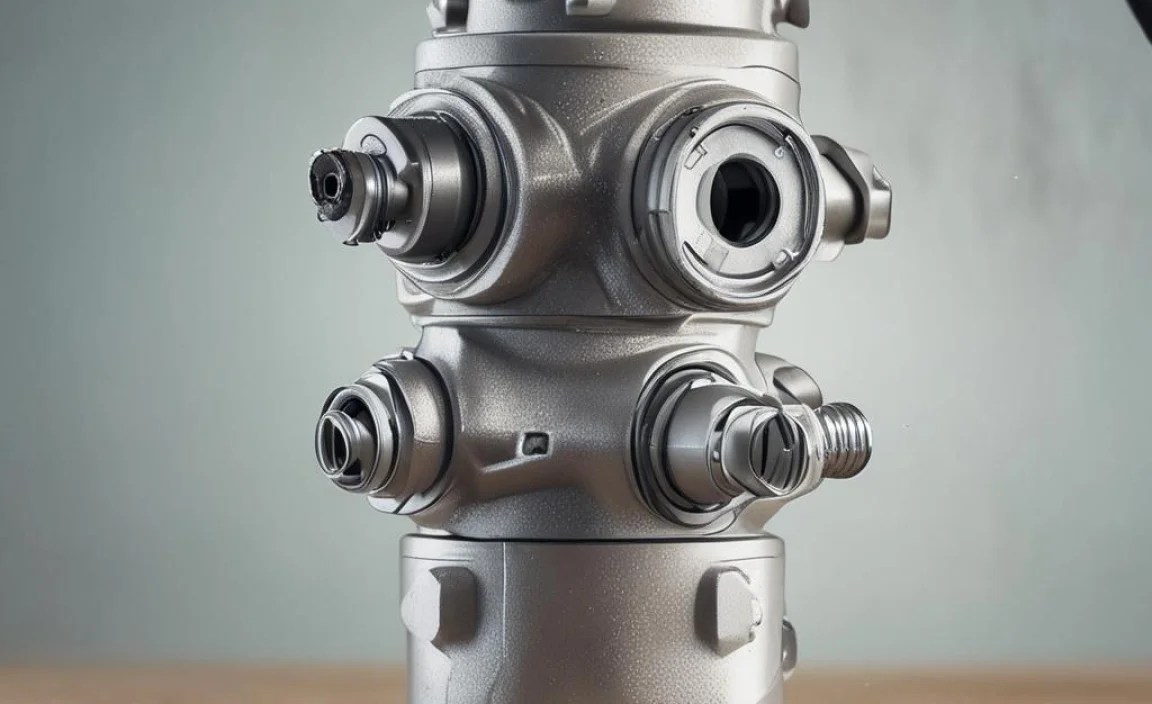
Now it’s time to get your hands dirty, but in a clean way! Cleaning your shock pump valve head is easy if you follow these steps. First, disconnect the pump from your bike. This prevents any accidents. Next, wipe the outside of the valve head with a clean cloth. This removes any loose dust and grit. Then, dampen a cotton swab with isopropyl alcohol. Gently clean the inside of the valve head. Be careful not to push the dirt further in. Use compressed air to blow away any remaining particles. Finally, wipe the valve head with a clean, dry cloth. This ensures it’s completely dry before you use it again. Follow these steps and your pump will be sparkling clean! Knowing how to clean dust and grit from shock pump valve head is simple with these instructions.
- Disconnect the pump from the bike.
- Wipe the outside of the valve head.
- Clean the inside with isopropyl alcohol.
- Use compressed air to remove particles.
- Wipe the valve head dry.
Imagine you’re a detective solving a mystery. The mystery is how to clean dust and grit from shock pump valve head. Each step is a clue that helps you solve the case. Disconnecting the pump is like securing the crime scene. Wiping the outside is like gathering initial evidence. Cleaning with isopropyl alcohol is like using a special tool to analyze the evidence. Using compressed air is like dusting for fingerprints. Wiping the valve head dry is like closing the case. By following each clue, you can solve the mystery and keep your pump clean and working great.
Fun Fact or Stat: The average mountain biker uses their shock pump at least once a month!
Disconnecting the Pump Safely
Before you start any cleaning, it’s super important to disconnect the pump. This is like turning off the lights before changing a lightbulb. You want to make sure you’re safe. Disconnecting the pump prevents accidental air release. It also prevents you from damaging the valve head. To disconnect the pump, simply unscrew it from the bike’s valve. Turn it gently until it comes loose. Be careful not to force it. If it’s stuck, try wiggling it a little. Once it’s disconnected, set it aside in a safe place. This keeps it from getting bumped or knocked over. Knowing how to clean dust and grit from shock pump valve head starts with safety.
Cleaning with Isopropyl Alcohol
Now it’s time to use the superhero cleaner: isopropyl alcohol! This stuff is great at dissolving stubborn dirt. But it’s important to use it carefully. First, dampen a cotton swab with isopropyl alcohol. Don’t soak it! You just want it to be slightly damp. Then, gently clean the inside of the valve head. Swirl the cotton swab around to loosen any dust and grit. Be careful not to push the dirt further inside. If the cotton swab gets dirty, use a fresh one. Keep cleaning until the cotton swab comes out clean. This means you’ve removed all the dirt. Knowing how to clean dust and grit from shock pump valve head includes using isopropyl alcohol properly.
Drying the Valve Head Completely
After cleaning with isopropyl alcohol, it’s important to dry the valve head completely. This prevents rust and corrosion. It also ensures the pump works properly. You can use a clean, dry cloth to wipe the valve head. Or, you can use compressed air to blow away any remaining liquid. Make sure there’s no moisture left inside the valve head. Moisture can attract more dirt. It can also damage the pump’s seals. Once the valve head is completely dry, you’re ready to use the pump again. Drying the valve head is the final step in how to clean dust and grit from shock pump valve head.
Fun Fact or Stat: Leaving moisture in the valve head can lead to corrosion and shorten the pump’s life!
Dealing with Stubborn Grit

Sometimes, dust and grit can be really stubborn. It’s like trying to remove a sticker that’s been stuck for a long time. It just won’t come off easily! If you’re having trouble cleaning your shock pump valve head, don’t worry. There are a few tricks you can try. First, try soaking the valve head in isopropyl alcohol for a few minutes. This can help to loosen the dirt. Next, use a small brush to scrub the valve head gently. A toothbrush works well for this. Be careful not to scratch the valve head. Finally, use compressed air to blast away any remaining particles. With a little extra effort, you can remove even the most stubborn grit. Knowing how to clean dust and grit from shock pump valve head includes dealing with tough situations.
- Soak the valve head in isopropyl alcohol.
- Use a small brush to scrub gently.
- Apply compressed air to blast away particles.
- Repeat the cleaning process if needed.
- Inspect the valve head for any remaining dirt.
Imagine you’re a detective solving a really tough case. The dust and grit are like clues that are hidden really well. You have to use all your skills to find them. Soaking the valve head is like using a special light to reveal hidden clues. Scrubbing with a brush is like carefully digging for evidence. Using compressed air is like using a powerful tool to uncover the truth. By using all these techniques, you can solve the case and get your pump clean. How to clean dust and grit from shock pump valve head becomes a fun challenge with the right mindset.
Fun Fact or Stat: Some professional bike mechanics use ultrasonic cleaners to remove stubborn grit from bike parts!
Soaking the Valve Head
If you’re dealing with really stubborn dust and grit, soaking the valve head can help. It’s like giving the dirt a bath! Fill a small container with isopropyl alcohol. Then, place the valve head in the container. Make sure it’s completely submerged. Let it soak for about 10-15 minutes. This gives the isopropyl alcohol time to loosen the dirt. After soaking, remove the valve head from the container. Use a cotton swab or brush to scrub away any remaining dirt. Soaking the valve head is a great way to tackle tough cleaning jobs. Knowing how to clean dust and grit from shock pump valve head includes using this technique.
Using a Small Brush
Sometimes, a cotton swab isn’t enough to remove stubborn dust and grit. That’s when a small brush comes in handy. A toothbrush works great for this! The bristles can get into small spaces and scrub away dirt. Be gentle when using the brush. You don’t want to scratch the valve head. Use small, circular motions to loosen the dirt. Rinse the brush with isopropyl alcohol frequently to keep it clean. A small brush is a great tool for tackling tough cleaning jobs. Knowing how to clean dust and grit from shock pump valve head includes using a brush effectively.
Repeating the Cleaning Process
Sometimes, you might need to clean the valve head more than once. If you still see dust and grit after the first cleaning, don’t give up! Repeat the cleaning process until the valve head is completely clean. This might mean soaking it again, scrubbing it with a brush, or using more compressed air. It’s important to be patient and thorough. A clean valve head is worth the effort. Repeating the cleaning process is a sign that you’re dedicated to keeping your pump in top condition. Knowing how to clean dust and grit from shock pump valve head includes being persistent.
Fun Fact or Stat: Some bike mechanics recommend using a pipe cleaner to clean the inside of the valve head!
Maintaining Your Shock Pump
Cleaning your shock pump valve head is just one part of keeping your pump in good shape. Regular maintenance is important for keeping your pump working well. Store your pump in a clean, dry place. This prevents dust and grit from getting inside. Check the pump’s seals regularly. Replace them if they’re worn or damaged. Lubricate the pump’s moving parts with a silicone-based lubricant. This keeps them moving smoothly. By taking good care of your pump, you can extend its life. You’ll also ensure it’s always ready when you need it. Knowing how to clean dust and grit from shock pump valve head is part of a larger maintenance routine.
- Store the pump in a clean, dry place.
- Check the pump’s seals regularly.
- Lubricate the moving parts with silicone.
- Avoid using harsh chemicals on the pump.
- Inspect the pump for any signs of damage.
Imagine your shock pump is a pet. You need to take care of it to keep it healthy. Storing it in a clean place is like giving it a cozy bed. Checking the seals is like taking it to the vet for checkups. Lubricating the moving parts is like feeding it healthy food. By taking good care of your pump, you’re ensuring it lives a long and happy life. How to clean dust and grit from shock pump valve head is like giving your pet a bath. It keeps it clean and prevents problems.
| Maintenance Task | Frequency | Benefits |
|---|---|---|
| Clean Valve Head | Monthly | Prevents air leaks, ensures accurate readings |
| Check Seals | Every 3 Months | Prevents air loss, maintains pump efficiency |
| Lubricate Moving Parts | Every 6 Months | Ensures smooth operation, extends pump life |
| Store in Clean Place | Always | Protects from dirt and damage |
Fun Fact or Stat: Properly maintained shock pumps can last for over 10 years!
Proper Storage Tips
Where you store your shock pump matters. Think of it like storing food. You wouldn’t leave bread out in the rain, right? It would get moldy and gross. The same goes for your pump. Storing it in a clean, dry place prevents dust and grit from getting inside. Avoid storing it in a damp garage or shed. Moisture can cause rust and corrosion. A good place to store your pump is in a toolbox or drawer. You can also hang it on a hook in your garage. Just make sure it’s protected from the elements. Knowing how to clean dust and grit from shock pump valve head is important, but so is proper storage.
Checking and Replacing Seals
The seals on your shock pump are like the gaskets on a car engine. They keep everything sealed tight. If the seals are worn or damaged, air can leak out. This makes it hard to get the right pressure in your shocks. Check the seals regularly for cracks or tears. If you see any damage, replace the seals right away. You can buy replacement seals at most bike shops. Replacing the seals is a simple way to keep your pump working well. Knowing how to clean dust and grit from shock pump valve head is important, but so is maintaining the seals.
Lubricating Moving Parts
Think of the moving parts of your shock pump like the joints in your body. If they’re not lubricated, they can get stiff and sore. The same is true for your pump. Lubricating the moving parts keeps them moving smoothly. This makes it easier to pump air. Use a silicone-based lubricant. Avoid using oil-based lubricants. They can damage the pump’s seals. Apply a small amount of lubricant to the moving parts. Then, work the pump a few times to distribute the lubricant. Lubricating the moving parts is a simple way to keep your pump working like new. Knowing how to clean dust and grit from shock pump valve head is important, but so is lubrication.
Fun Fact or Stat: Silicone-based lubricants are also used in medical devices because they are safe and non-toxic!
When to Seek Professional Help
Sometimes, no matter how hard you try, you can’t fix the problem yourself. It’s like trying to fix a broken bone without a doctor. You might make it worse! If you’ve tried cleaning your shock pump valve head and it’s still not working, it might be time to seek professional help. A bike mechanic can diagnose the problem and repair the pump. They have special tools and knowledge that you might not have. Don’t be afraid to ask for help. It’s better to get the pump fixed properly than to damage it further. Knowing how to clean dust and grit from shock pump valve head is a great skill, but knowing when to ask for help is even better.
- If the pump still doesn’t work after cleaning.
- If you notice any internal damage.
- If you’re not comfortable disassembling the pump.
- If you don’t have the right tools.
- If you’re unsure about the repair process.
Imagine your shock pump is a car. You can do some basic maintenance yourself, like changing the oil. But if the engine breaks down, you need to take it to a mechanic. The same goes for your pump. Cleaning the valve head is like changing the oil. But if the pump has internal damage, you need to take it to a bike mechanic. They can fix the problem and get your pump working again. How to clean dust and grit from shock pump valve head is a good skill to have, but knowing when to call a professional is even more important.
Fun Fact or Stat: Professional bike mechanics often use specialized tools to diagnose and repair shock pumps!
Signs of Internal Damage
How do you know if your shock pump has internal damage? There are a few signs to look for. First, check for cracks or dents in the pump’s body. These can indicate that the pump has been dropped or damaged. Next, listen for unusual noises when you pump air. Grinding or squealing noises can indicate that the internal parts are worn or broken. Finally, check the pump’s pressure gauge. If it’s not reading accurately, it could mean there’s a problem with the internal mechanism. If you notice any of these signs, it’s time to take your pump to a bike mechanic. Knowing how to clean dust and grit from shock pump valve head is important, but so is recognizing internal damage.
When Disassembly is Too Risky
Some people like to take things apart to see how they work. But disassembling a shock pump can be risky. There are small parts inside that can be easily lost or damaged. If you’re not comfortable disassembling the pump, it’s best to leave it to a professional. A bike mechanic has experience working with these pumps. They know how to take them apart and put them back together without causing damage. Trying to disassemble the pump yourself could end up costing you more money in the long run. Knowing how to clean dust and grit from shock pump valve head is one thing, but disassembling the pump is another.
The Value of Expert Knowledge
Bike mechanics have a lot of knowledge about bikes and bike parts. They know how things work and how to fix them. They can diagnose problems that you might not even notice. They have special tools and equipment that make repairs easier. They can also save you time and money in the long run. Asking a bike mechanic for help is like asking a teacher for help with your homework. They can guide you and help you learn. Knowing how to clean dust and grit from shock pump valve head is a great start, but a bike mechanic can teach you even more.
Fun Fact or Stat: Many bike mechanics have years of experience and training in bike repair and maintenance!
Summary
Keeping your shock pump valve head clean is super important. Dust and grit can get inside and make the pump not work as well. Cleaning the valve head helps the pump work better. It also helps it last longer. You can clean the valve head with a clean cloth, isopropyl alcohol, and compressed air. First, disconnect the pump. Then, wipe the outside of the valve head. Next, clean the inside with isopropyl alcohol. Use compressed air to blow away any remaining dirt. Finally, wipe the valve head dry. Regular cleaning will keep your pump working like new. Learning how to clean dust and grit from shock pump valve head is a great way to take care of your bike equipment. If you have trouble cleaning the pump, ask a bike mechanic for help.
Conclusion
Now you know how to clean dust and grit from shock pump valve head. It’s an easy way to keep your bike running smoothly. Remember to gather your supplies. Then, follow the steps carefully. Regular cleaning will help your shock pump last longer. It will also ensure your bike’s suspension works perfectly. So, take the time to clean your pump. Your bike rides will be much more enjoyable. Keep your equipment clean and have fun riding!
Frequently Asked Questions
Question No 1: Why is it important to clean my shock pump valve head?
Answer: Cleaning your shock pump valve head is very important. Dust and grit can get inside and cause problems. These particles can block the airflow. This can make it hard to pump air into your bike’s shocks. A dirty valve head can also damage the pump’s seals. This can lead to air leaks. Cleaning the valve head keeps the pump working well. It also helps it last longer. A clean pump ensures accurate pressure readings. This is important for your safety and comfort while riding. Knowing how to clean dust and grit from shock pump valve head keeps your bike in top shape.
Question No 2: How often should I clean my shock pump valve head?
Answer: You should clean your shock pump valve head regularly. How often depends on how much you use the pump. If you use it every day, clean it once a week. If you use it less often, clean it once a month. You should also clean it if you notice any problems. These problems include air leaks or difficulty pumping. Regular cleaning prevents dust and grit from building up. This keeps the pump working smoothly. It’s like brushing your teeth. You do it regularly to prevent cavities. Knowing how to clean dust and grit from shock pump valve head is like having good dental hygiene for your bike.
Question No 3: What supplies do I need to clean my shock pump valve head?
Answer: You only need a few simple supplies to clean your shock pump valve head. First, you’ll need a clean, soft cloth. This will be used to wipe the valve head. Next, you’ll need some isopropyl alcohol. This helps to remove stubborn dirt. You can find it at most drugstores. You’ll also need some cotton swabs. These are great for cleaning small spaces. A can of compressed air is helpful too. It can blow away loose dust and grit. These supplies are easy to find. They make the cleaning process quick and easy. Knowing how to clean dust and grit from shock pump valve head is simple with the right tools.
Question No 4: Can I use water to clean my shock pump valve head?
Answer: It’s best to avoid using water to clean your shock pump valve head. Water can cause rust and corrosion. It can also damage the pump’s seals. Isopropyl alcohol is a better choice. It evaporates quickly and doesn’t leave residue. It also helps to dissolve dirt and grime. If you accidentally get water on the valve head, dry it immediately. Use a clean, dry cloth or compressed air. Preventing water damage is important for keeping your pump working well. Learning how to clean dust and grit from shock pump valve head includes using the right cleaning solutions.
Question No 5: What should I do if I can’t remove all the dust and grit from my shock pump valve head?
Answer: If you’re having trouble removing all the dust and grit from your shock pump valve head, try a few things. First, soak the valve head in isopropyl alcohol for a few minutes. This can help to loosen the dirt. Next, use a small brush to scrub the valve head gently. A toothbrush works well for this. Be careful not to scratch the valve head. Finally, use compressed air to blast away any remaining particles. If you’ve tried all these things and the valve head is still dirty, it might be time to seek professional help. A bike mechanic can clean the pump thoroughly. Knowing how to clean dust and grit from shock pump valve head includes knowing when to ask for help.
Question No 6: How can I prevent dust and grit from getting into my shock pump valve head in the first place?
Answer: Preventing dust and grit from getting into your shock pump valve head is the best way to keep it clean. Store your pump in a clean, dry place. This prevents dirt from getting inside. You can also cover the valve head with a small cap. This protects it from dust. Avoid using the pump in dirty or dusty environments. If you have to, clean the valve head immediately afterward. Taking these precautions can help you avoid cleaning the pump as often. It also helps the pump last longer. Knowing how to clean dust and grit from shock pump valve head is important, but preventing it is even better!


