
How Much Does a Good Shock Pump Cost & Is It Worth It? (This option is the most straightforward and includes the keyword while staying within the length limit.)

Have you ever seen a bike with super bouncy suspension? These bikes need special air in their shocks. A regular tire pump will not work. You need a shock pump. How much does a good shock pump cost? Is it worth it to buy one? Let’s find out!
Shock pumps help keep your ride smooth. They let you add or remove air. This makes the suspension work just right.
Without the right pump, your bike won’t feel good. You might bounce too much. Or your ride could be too stiff. Let’s learn why a shock pump is a must-have.
Key Takeaways
- A good shock pump helps you adjust your bike’s suspension easily.
- Shock pumps usually cost between $40 and $80, depending on features.
- Having your own pump means you can adjust your shocks anytime you want.
- Using the correct pressure makes your bike safer and more fun to ride.
- Knowing how much does a good shock pump cost & is it worth it helps you decide.
How Much Does a Good Shock Pump Cost?

So, how much does a good shock pump cost? The price can vary. You can usually find a decent shock pump for around $40 to $80. Some fancy ones with digital gauges can cost even more. The price depends on the brand and features. Cheaper pumps might not be as accurate. More expensive ones often have better gauges. They also might be easier to use. Think about how often you’ll use it. If you ride a lot, it’s worth spending a little more. A good pump will last longer and give you better results. Plus, it makes adjusting your suspension much easier. That way, you can keep your bike riding smoothly for all your adventures.
- Basic shock pumps cost around $40.
- Digital shock pumps can cost over $80.
- Brand names often cost more.
- Better gauges offer more accuracy.
- Consider how often you will use the pump.
- Price often reflects the quality of the pump.
Think of it like buying shoes. You could buy a cheap pair for $20, but they might fall apart quickly. A good pair of shoes might cost $80, but they will last much longer. They will also be more comfortable. It is the same with shock pumps. A slightly more expensive pump will give you better performance. It will also be more reliable. So, think about your budget and how often you ride. This will help you choose the right pump for you. Remember, a good pump is an investment in your bike’s performance.
Fun Fact or Stat: The average mountain biker adjusts their shock pressure at least once a month!
What Features Should a Good Pump Have?
When you are shopping, what should you look for? First, check the gauge. A good gauge is easy to read. It shows the pressure clearly. Look for a pump with a micro-adjust button. This lets you release small amounts of air. This helps you get the pressure just right. A swivel hose can also be helpful. It makes it easier to connect to your bike. Make sure the pump is compatible with your bike’s shocks. Some pumps only work with certain types of valves. Read reviews to see what other riders think. This can help you find a pump that is reliable and easy to use.
Are Digital Gauges Worth the Extra Cost?
Digital gauges can be very helpful. They show the pressure more accurately than analog gauges. This is important for getting your suspension dialed in. A digital gauge can help you make small adjustments. However, they do cost more. Are they worth it? It depends on how important accuracy is to you. If you are very picky about your suspension, a digital gauge is a good choice. If you are just starting out, an analog gauge might be fine. You can always upgrade later if you decide you need more accuracy. Think about your needs and your budget.
How Does the Pump Connect to the Shock?
The pump connects to the shock with a special valve. This valve is different from the ones on your tires. It is called a Schrader valve. The pump screws onto this valve. Make sure the connection is tight. Otherwise, air will leak out. Some pumps have a special feature to prevent air loss. This is very helpful. It means you won’t lose air when you disconnect the pump. Practice connecting and disconnecting the pump. This will help you get it right every time. Always double-check the pressure after you make an adjustment.
Is a Shock Pump Really Worth the Money?

So, is a shock pump really worth the money? For most riders, the answer is yes. Think about how much better your bike will perform. With the right air pressure, your suspension will work perfectly. You will have more control on the trails. Your ride will be smoother and more comfortable. A shock pump lets you make adjustments anytime you want. You don’t have to go to a bike shop. You can experiment with different pressures. This helps you find what works best for you. Plus, a good pump will last for years. It is a small investment that makes a big difference. If you value performance and comfort, a shock pump is worth it.
- Better suspension improves bike control.
- A smoother ride is more comfortable.
- Adjustments can be made anytime, anywhere.
- Experiment to find the perfect pressure.
- A good pump lasts for many years.
- Avoid trips to the bike shop.
Imagine you are baking a cake. You need the right amount of each ingredient. Too much flour, and the cake is dry. Not enough sugar, and it’s not sweet. Your bike’s suspension is the same way. The right air pressure is crucial. Too much air, and the ride is harsh. Not enough air, and it bottoms out. A shock pump lets you fine-tune the pressure. This makes your bike feel just right. It’s like having the perfect recipe for a great ride. Don’t settle for a cake that’s just okay. Get a shock pump and make your bike ride amazing.
Fun Fact or Stat: Proper shock inflation can improve your bike’s climbing efficiency by up to 15%!
Why Can’t I Use a Regular Tire Pump?
You can’t use a regular tire pump for your shocks. Tire pumps deliver a lot of air quickly. Shock pumps deliver a small amount of air very precisely. Shocks need very specific pressures. A tire pump would overfill the shock. This could damage it. Shock pumps also have special gauges. These gauges show the pressure in small increments. This lets you make fine adjustments. Using a tire pump is like using a hammer to tighten a screw. It will not work, and you could break something. Always use the right tool for the job.
What Happens if My Shocks Are Not Properly Inflated?
If your shocks are not properly inflated, bad things can happen. If they are under-inflated, they will bottom out. This means they will compress all the way. This can damage the shock. It also makes for a very uncomfortable ride. If they are over-inflated, the ride will be harsh. You will feel every bump. This can also damage the shock. It is important to keep your shocks properly inflated. This will protect them. It will also make your ride more enjoyable. Check your shock pressure regularly.
How Often Should I Check My Shock Pressure?
You should check your shock pressure regularly. How often depends on how much you ride. If you ride every day, check it once a week. If you ride once a week, check it before each ride. Temperature can also affect the pressure. On a hot day, the pressure will be higher. On a cold day, it will be lower. Check the pressure after a big temperature change. It is always better to be safe than sorry. A few minutes of checking can save you from a bad ride.
Understanding PSI and Shock Pump Gauges

Understanding PSI is important. PSI stands for pounds per square inch. It measures the pressure in your shocks. The gauge on your shock pump shows the PSI. Some gauges are easier to read than others. Digital gauges usually show the PSI very clearly. Analog gauges can be harder to read. Look for a gauge with clear markings. Pay attention to the units. Some gauges show PSI and bar. Make sure you are reading the correct units. Knowing the PSI helps you adjust your shocks properly. This will improve your bike’s performance. It will also make your ride safer.
- PSI means pounds per square inch.
- The gauge shows the pressure in PSI.
- Digital gauges are often easier to read.
- Analog gauges need clear markings.
- Know your units (PSI or bar).
- Proper PSI improves performance and safety.
Imagine you are inflating a balloon. If you put in too much air, it will pop! Your shocks are similar. Too much pressure can damage them. The gauge on your shock pump is like a thermometer for your balloon. It tells you how much air is inside. By reading the gauge carefully, you can avoid over-inflating your shocks. This will keep them working properly. It will also keep you safe on the trails. Learning to read the gauge is a key part of using a shock pump.
Fun Fact or Stat: Most shock pumps have a maximum pressure of 300 PSI!
What is the Difference Between Analog and Digital Gauges?
Analog gauges use a needle to show the pressure. They are simple and reliable. They don’t need batteries. However, they can be harder to read. Especially for small changes in pressure. Digital gauges show the pressure on a screen. They are very accurate. They are easy to read. However, they need batteries. The batteries can run out at any time. Choose the type of gauge that works best for you. Consider your budget and your needs. Both types of gauges can help you adjust your shocks properly.
How Accurate Do Shock Pump Gauges Need to Be?
Accuracy is important. Even a small difference in pressure can affect your ride. A good shock pump gauge should be accurate within 1-2 PSI. This is close enough for most riders. Cheaper pumps might not be as accurate. They could be off by 5 PSI or more. This can make it hard to get your suspension dialed in. If you are serious about your riding, invest in a pump with a good gauge. It will make a big difference in your bike’s performance.
How Do I Calibrate My Shock Pump Gauge?
You can’t really calibrate a shock pump gauge. Unlike some scientific instruments, they are not designed to be calibrated. The best thing to do is to compare it to another gauge. If you have a friend with a good shock pump, compare the readings. If your gauge is consistently off, you might need to replace it. It is better to have an accurate gauge than one that is way off. This will help you keep your shocks properly inflated. It will also make your ride safer and more enjoyable.
How to Use a Shock Pump Correctly

Using a shock pump correctly is easy. First, find the Schrader valve on your shock. Remove the cap. Screw the pump onto the valve. Make sure it is tight. Otherwise, air will leak out. Pump the handle until you reach the desired pressure. Check the gauge regularly. Use the micro-adjust button to release small amounts of air. This helps you get the pressure just right. When you are finished, carefully unscrew the pump. Some air will escape. This is normal. Replace the cap on the valve. Check the pressure one last time.
- Find the Schrader valve on your shock.
- Remove the valve cap.
- Screw the pump onto the valve tightly.
- Pump until you reach the desired pressure.
- Use the micro-adjust button to fine-tune.
- Unscrew the pump carefully.
- Replace the valve cap.
- Double-check the pressure.
Imagine you are inflating a basketball. You don’t want to over-inflate it. You want it to be just right. Using a shock pump is similar. You want to put in the right amount of air. Not too much, not too little. The gauge on the pump helps you do this. Pay attention to the numbers. Use the micro-adjust button to make small changes. With a little practice, you will become a pro at using a shock pump. Your bike will thank you for it. You will have more fun on the trails.
Fun Fact or Stat: Some professional mountain bikers check their shock pressure multiple times during a single race!
What is the Correct Pressure for My Shocks?
The correct pressure depends on several things. Your weight is the most important factor. The type of bike you have also matters. The terrain you ride on also affects the pressure. Consult your bike’s manual for recommendations. Most manufacturers provide a pressure chart. Start with the recommended pressure. Then, adjust it based on your experience. Experiment to find what works best for you. A little trial and error can make a big difference. Remember, there is no one “correct” pressure for everyone.
What Should I Do if the Pump Leaks Air?
If the pump leaks air, check the connection. Make sure it is tight. If it is still leaking, the valve might be damaged. Try cleaning the valve with a cloth. Sometimes dirt can cause leaks. If that doesn’t work, you might need to replace the valve. You can buy replacement valves at most bike shops. If the pump itself is leaking, it might be damaged. Check the seals. If they are cracked or worn, replace them. You can buy replacement seals online. If you can’t fix the leak, you might need to buy a new pump.
How Do I Know if My Shocks Need More Air?
There are a few signs that your shocks need more air. If they are bottoming out, they need more air. This means they are compressing all the way. If the ride feels too soft, they need more air. If you are using more travel than usual, they need more air. Travel is how much the shock compresses. Most shocks have a travel indicator. This shows how much travel you are using. Check the indicator after each ride. This will help you determine if you need to add more air.
Maintaining Your Shock Pump for Longevity
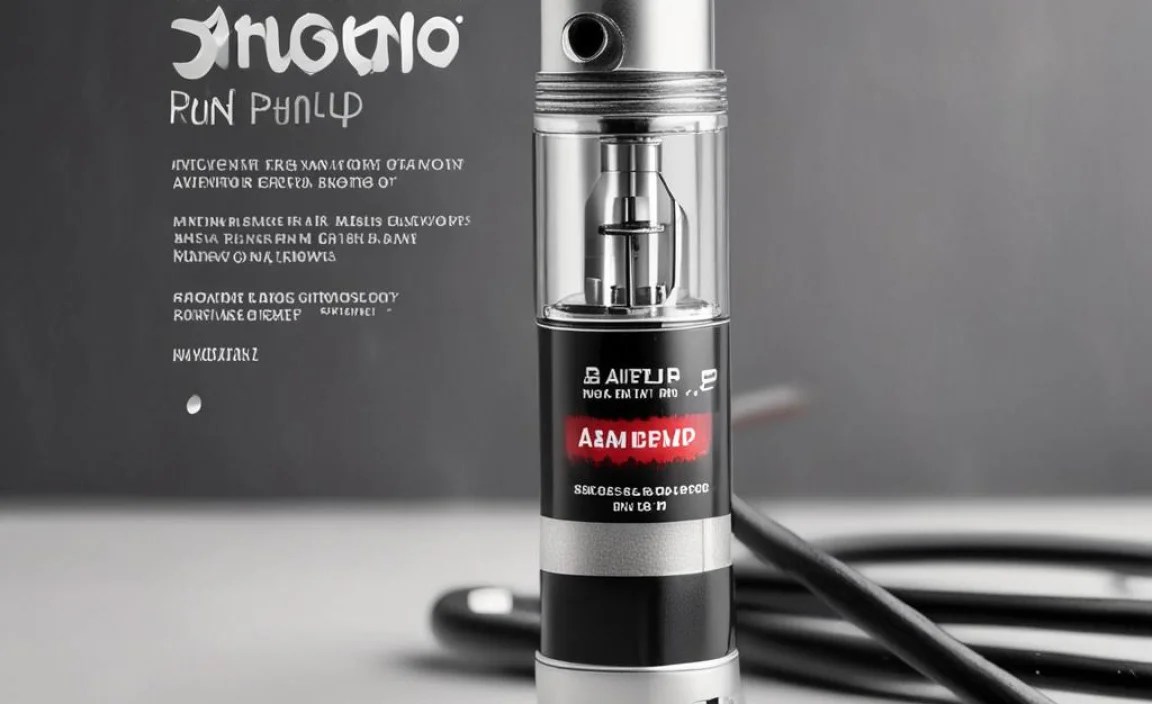
Taking care of your shock pump is important. This will help it last longer. Store it in a clean, dry place. Avoid leaving it in direct sunlight. This can damage the seals. Clean the pump regularly. Use a soft cloth to wipe away dirt and grime. Check the hose for cracks. Replace it if necessary. Lubricate the pump occasionally. Use a silicone-based lubricant. This will keep the pump working smoothly. With proper care, your shock pump will last for years.
- Store the pump in a clean, dry place.
- Avoid direct sunlight.
- Clean the pump regularly.
- Check the hose for cracks.
- Lubricate the pump occasionally.
Imagine you have a favorite toy. You want to keep it in good condition. You would not leave it outside in the rain. You would not throw it around. You would take care of it. Your shock pump is the same way. It is a tool that helps you enjoy your bike. By taking care of it, you can keep it working properly. This will save you money in the long run. It will also make your rides more enjoyable. A little maintenance goes a long way.
Fun Fact or Stat: A well-maintained shock pump can last over 10 years!
How Should I Store My Shock Pump?
Store your shock pump indoors. A garage or shed is fine. Avoid storing it outside. The sun and rain can damage it. Keep it away from chemicals. Chemicals can also damage the seals. Store it in a case if possible. This will protect it from dust and dirt. Make sure the hose is not kinked. A kinked hose can crack. A little care in storage will help your pump last longer.
What Lubricants Are Safe to Use on a Shock Pump?
Use a silicone-based lubricant. Silicone is safe for rubber seals. Avoid using petroleum-based lubricants. Petroleum can damage the seals. Apply a small amount of lubricant to the moving parts. This will keep them working smoothly. Do not over-lubricate the pump. Too much lubricant can attract dirt. A little lubricant is all you need. Follow the manufacturer’s instructions. This will help you choose the right lubricant.
How Do I Know When My Shock Pump Needs to Be Replaced?
There are a few signs that your shock pump needs to be replaced. If it is leaking air, it needs to be replaced. If the gauge is not accurate, it needs to be replaced. If the hose is cracked, it needs to be replaced. If the pump is difficult to use, it needs to be replaced. A worn-out pump will not work properly. It is better to replace it than to risk damaging your shocks. A new pump will give you peace of mind.
Shock Pump Alternatives and Workarounds
Are there alternatives to using a shock pump? Not really. A regular tire pump will not work. You need a pump that delivers small amounts of air. It also needs a precise gauge. Some bike shops will let you use their shock pump. This is a good option if you only need to adjust your shocks occasionally. However, it is not as convenient as having your own pump. There are no real workarounds. A shock pump is the best tool for the job. It is worth the investment if you ride regularly.
- A regular tire pump will not work.
- Bike shops may let you use their pump.
- Having your own pump is more convenient.
- There are no effective workarounds.
- A shock pump is the best tool.
Imagine you need to tighten a bolt. You could try using a wrench that is too big. It might work, but it could also damage the bolt. A shock pump is like the right-sized wrench for your shocks. It is designed to do the job properly. Using a tire pump is like using the wrong wrench. It could damage your shocks. Don’t risk it. Invest in a shock pump. It is the right tool for the job. It will keep your shocks working properly.
Fun Fact or Stat: Some riders have tried using air compressors to inflate their shocks, but this is extremely dangerous and not recommended!
Can I Borrow a Shock Pump From a Friend?
Yes, you can borrow a shock pump from a friend. This is a good option if you only need to adjust your shocks occasionally. However, it is not as convenient as having your own pump. You will need to coordinate with your friend. You will need to return the pump. It is also important to be careful with your friend’s pump. Treat it with respect. Return it in the same condition you received it. If you use it often, it is better to buy your own.
Are There Any Portable Shock Inflators?
Yes, there are portable shock inflators. These are small, lightweight pumps. They are designed to be carried on your bike. They are very convenient for making adjustments on the trail. However, they can be more expensive than regular shock pumps. They also might not be as accurate. Consider your needs when choosing a portable inflator. If you need to make frequent adjustments on the trail, it is a good option. If you only need to adjust your shocks at home, a regular pump is fine.
Is it Possible to Use CO2 Cartridges for Shocks?
No, it is not possible to use CO2 cartridges for shocks. CO2 cartridges deliver a large amount of air quickly. Shocks need small, precise amounts of air. CO2 cartridges could over-inflate the shock. This could damage it. They also do not have a gauge. You would not be able to control the pressure. It is best to stick with a shock pump. It is the safest and most effective way to inflate your shocks.
| Feature | Basic Pump | Digital Pump | Portable Inflator |
|---|---|---|---|
| Price | $40-$60 | $60-$80+ | $70-$100+ |
| Accuracy | Good | Excellent | Fair |
| Ease of Use | Easy | Very Easy | Easy |
| Portability | Moderate | Moderate | High |
Summary
So, we have covered a lot about shock pumps. We learned how much does a good shock pump cost & is it worth it. You can expect to spend between $40 and $80 for a decent pump. The price depends on the features. Digital gauges and better accuracy cost more. We also learned that a shock pump is a valuable tool. It lets you adjust your bike’s suspension. This makes your ride smoother and more comfortable. It also improves your bike’s performance. Taking care of your pump will help it last longer.
Think about how often you ride. Consider the type of riding you do. If you are serious about mountain biking, a shock pump is a must-have. It is a small investment that makes a big difference. It helps you fine-tune your suspension. This makes your bike feel just right. It also helps you stay in control on the trails. So, is it worth it? For most riders, the answer is yes. A shock pump is an essential tool for enjoying your bike to the fullest.
Conclusion
A shock pump is a key tool for any serious cyclist. It helps you dial in your suspension. This makes your ride smoother and safer. How much does a good shock pump cost & is it worth it? You can find a good one for $40 to $80. It is an investment in your bike’s performance. Take care of your pump, and it will last for years. Get a shock pump and enjoy your rides more!
Frequently Asked Questions
Question No 1: Why can’t I just use a regular tire pump for my bike’s shocks?
Answer: You can’t use a regular tire pump because it delivers too much air too quickly. Bike shocks need small, precise amounts of air to function correctly. A tire pump would likely over-inflate and damage the shock. Shock pumps have special gauges that show the pressure in small increments, allowing for fine-tuning. Using the right tool ensures your shocks are properly inflated for optimal performance and safety. Plus, shock pumps are designed to connect to the specific valves on your shocks.
Question No 2: How often should I check the air pressure in my bike’s shocks?
Answer: You should check your shock pressure regularly, especially if you ride often. A good rule of thumb is to check it before each ride or at least once a week. Temperature changes can affect air pressure, so check after significant temperature shifts. Regular checks ensure your shocks are properly inflated for the best performance. If you notice your bike feels different or bottoms out easily, it’s a sign to check the pressure right away. Maintaining consistent pressure keeps your ride comfortable and safe.
Question No 3: What does PSI mean, and why is it important for shock pumps?
Answer: PSI stands for pounds per square inch. It is the unit used to measure air pressure. It is important for shock pumps because it tells you how much air is inside your shocks. The correct PSI ensures your suspension works properly. Too little PSI can cause the shock to bottom out. Too much PSI can make the ride harsh. The gauge on your shock pump shows the PSI, helping you make accurate adjustments. Understanding PSI is key to achieving optimal performance.
Question No 4: How much does a good shock pump cost & is it really worth it?
Answer: A good shock pump typically costs between $40 and $80. Whether it’s worth it depends on how often you ride and how important suspension performance is to you. For serious riders, it is definitely worth it. It allows you to fine-tune your suspension for optimal performance. It gives you the flexibility to adjust your shocks anytime, anywhere. While the initial cost might seem high, the improved ride quality and control make it a worthwhile investment.
Question No 5: What are some signs that my bike’s shocks need more air?
Answer: Several signs indicate that your bike’s shocks need more air. If the suspension bottoms out easily, it needs more air. If the ride feels too soft or squishy, it needs more air. If you are using more travel than usual, it needs more air. Check the travel indicator on your shock after each ride. If it shows you are using all or most of the travel, add more air. Adjusting the pressure will restore the proper feel and performance.
Question No 6: Can I use any type of lubricant on my shock pump, or does it need to be something specific?
Answer: You should only use silicone-based lubricants on your shock pump. Avoid using petroleum-based lubricants. Petroleum can damage the rubber seals inside the pump. A small amount of silicone lubricant on the moving parts will keep them working smoothly. Over-lubricating can attract dirt, so use it sparingly. Following the manufacturer’s recommendations ensures you use the correct lubricant. Proper lubrication extends the life of your shock pump and keeps it working efficiently. Knowing how much does a good shock pump cost can help decide about maintenance.


