
How to Fix Water Hand Pump Suction Issue? Easy Fix!

Quick Summary: Is your hand pump struggling to draw water? Don’t worry! This usually happens because air is getting into the system. Start by checking all connections for tightness. Then, inspect the foot valve at the bottom of the well. Cleaning or replacing worn parts often solves the problem. We’ll walk you through each step to get your pump working smoothly again.
Having trouble getting water from your hand pump? It’s a common problem, and you’re not alone. A hand pump that won’t draw water can be frustrating, especially when you need it most. The good news is that most suction issues are easy to fix with a little troubleshooting. This guide will walk you through the most common causes and how to solve them, so you can get your pump working like new. We’ll cover everything from checking connections to inspecting the foot valve. Let’s get started!
Understanding Hand Pump Suction Issues
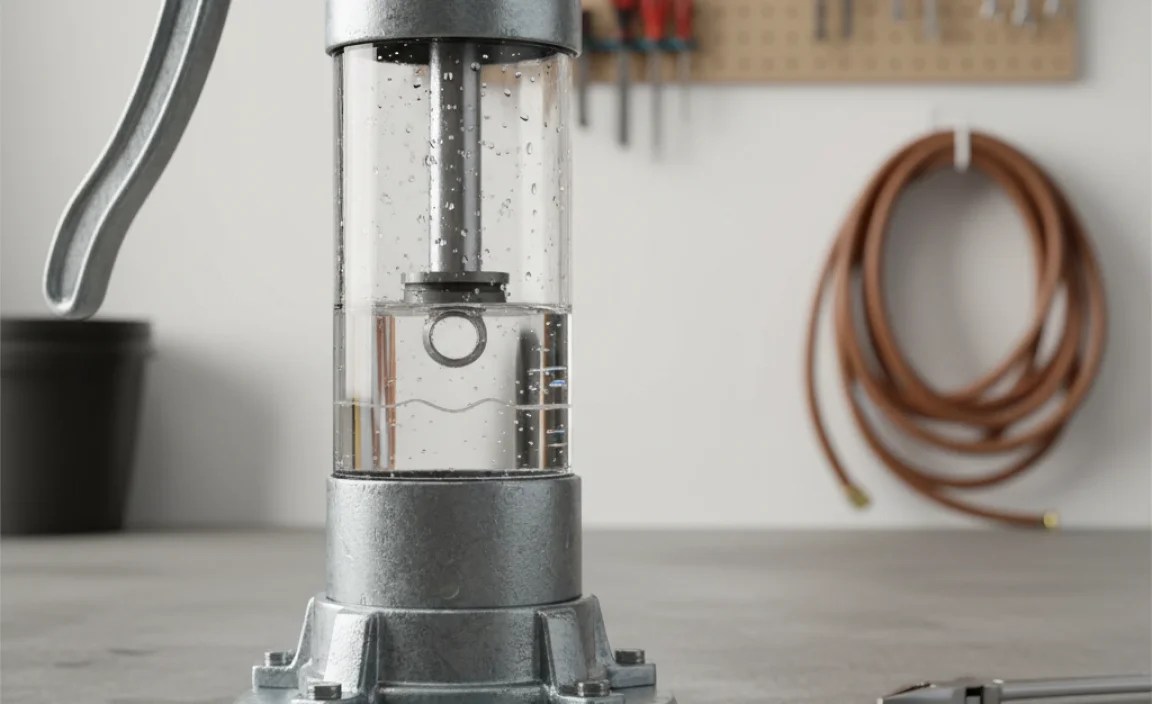
Before we dive into fixing the problem, let’s understand why hand pumps lose suction. Hand pumps rely on creating a vacuum to lift water. When you move the handle, it creates a low-pressure area in the cylinder, which draws water up the pipe. If air leaks into the system, it breaks the vacuum, and the pump can’t lift water effectively.
Common Causes of Suction Loss
- Loose Connections: Air can seep in through loose fittings and joints.
- Worn Seals: Old or damaged seals on the piston or foot valve can leak.
- Clogged Foot Valve: Debris can block the foot valve, preventing water from entering.
- Air Leaks in the Pipe: Cracks or holes in the pipe allow air to enter.
- Low Water Table: If the water level is too low, the pump can’t reach it.
Step-by-Step Guide to Fixing Suction Issues
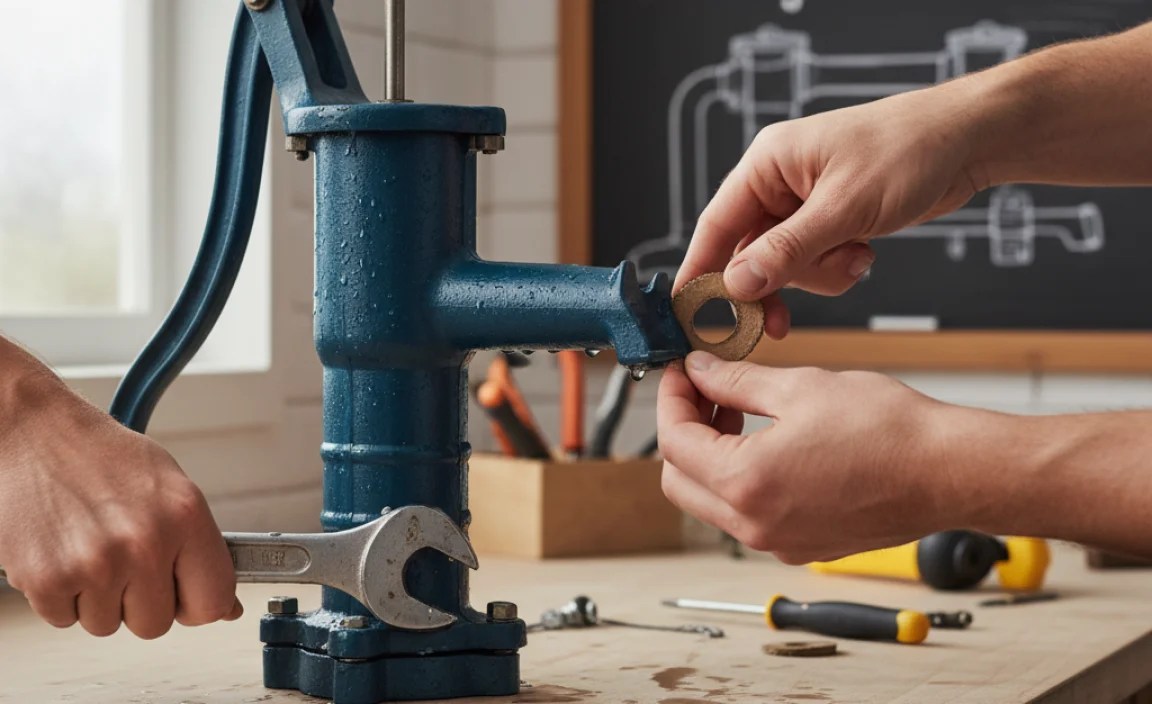
Follow these steps to diagnose and fix your hand pump’s suction problem:
Step 1: Inspect All Connections
Start by checking all the connections above ground. This is often the easiest fix.
- Visually Inspect: Look for any obvious cracks or loose fittings.
- Tighten Fittings: Use a wrench to tighten all threaded connections. Be careful not to overtighten and damage the fittings.
- Check Unions: Make sure unions are properly sealed. These are common leak points.
Step 2: Examine the Pump Cylinder
The pump cylinder is where the suction is created. Problems here can cause major issues.
- Access the Cylinder: Depending on your pump model, you may need to remove a cover or housing.
- Check the Piston: Look for wear or damage on the piston and its seals (also called leathers or cups).
- Replace Worn Parts: If the piston or seals are worn, replace them. You can usually find replacement parts online or at a local hardware store.
- Lubricate the Cylinder: Apply a small amount of food-grade lubricant to the cylinder walls to help the piston move smoothly.
Step 3: Check the Drop Pipe
The drop pipe is the pipe that goes down into the well. Any leaks here will prevent suction.
- Above-Ground Check: Inspect the visible portion of the pipe for cracks or damage.
- Below-Ground Consideration: If you suspect a leak below ground, you may need to pull up the pipe for inspection. This can be a bigger job, so consider hiring a professional if you’re not comfortable doing it yourself.
- Pressure Test (Advanced): If possible, pressure test the drop pipe to check for leaks. Cap one end and use a pump to pressurize the pipe. Watch for any pressure drops.
Step 4: Inspect the Foot Valve
The foot valve is located at the bottom of the drop pipe and prevents water from flowing back into the well. It’s a common source of problems.
- Locate the Foot Valve: This is at the bottom of the pipe in the well.
- Pull Up the Pipe: You’ll need to pull the drop pipe out of the well to access the foot valve.
- Inspect the Valve: Check for clogs, debris, or damage. Clean the valve thoroughly.
- Test the Valve: Make sure the valve opens and closes properly. It should allow water to flow in one direction only.
- Replace if Necessary: If the foot valve is damaged or not working correctly, replace it.
Step 5: Priming the Pump
After checking and repairing the components, you may need to prime the pump to get it working again.
- Add Water: Pour water into the pump cylinder to fill the drop pipe. This helps create the initial suction.
- Operate the Handle: Start pumping the handle to draw water up the pipe. It may take several strokes to establish suction.
- Check for Air Leaks: As you pump, listen for any hissing sounds that could indicate air leaks.
- Repeat if Necessary: If the pump doesn’t draw water after a few minutes, repeat the priming process.
Troubleshooting Tips
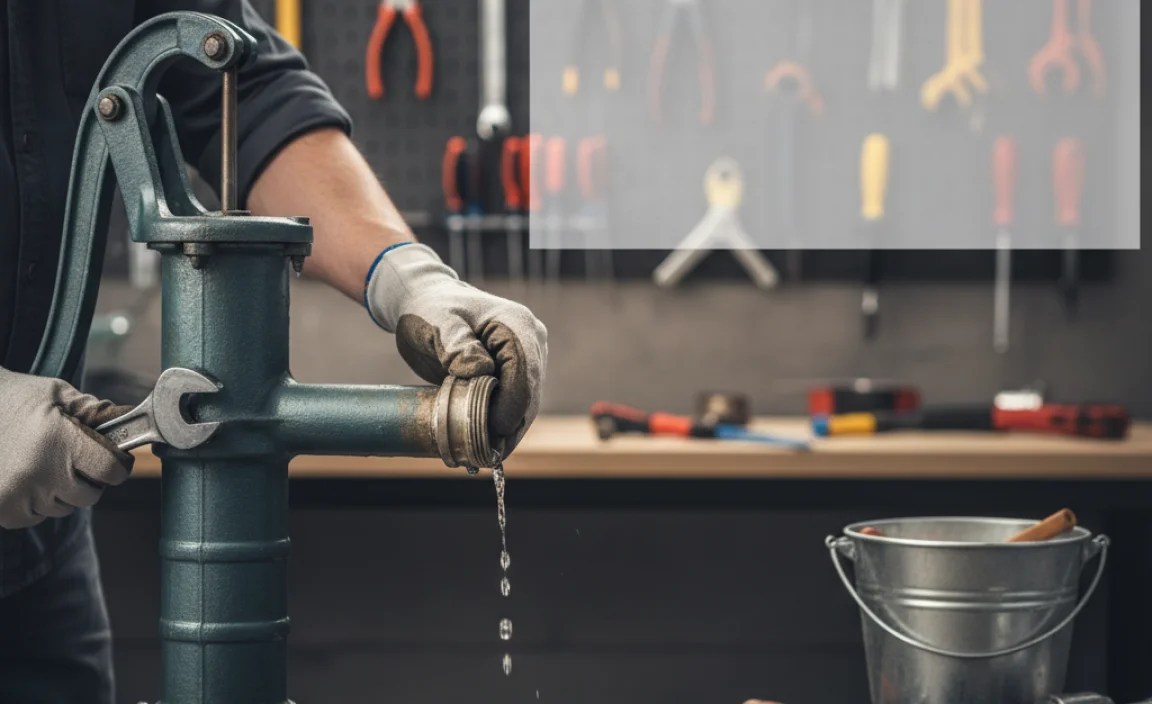
Here are some additional tips to help you troubleshoot your hand pump:
- Check the Water Level: Make sure the water level in your well is high enough for the pump to reach. If the water table has dropped, the pump may not be able to draw water.
- Look for Obstructions: Check for any obstructions in the pipe or cylinder that could be blocking the flow of water.
- Consider Professional Help: If you’ve tried all these steps and your pump still isn’t working, it may be time to call a professional well service company.
Tools You Might Need
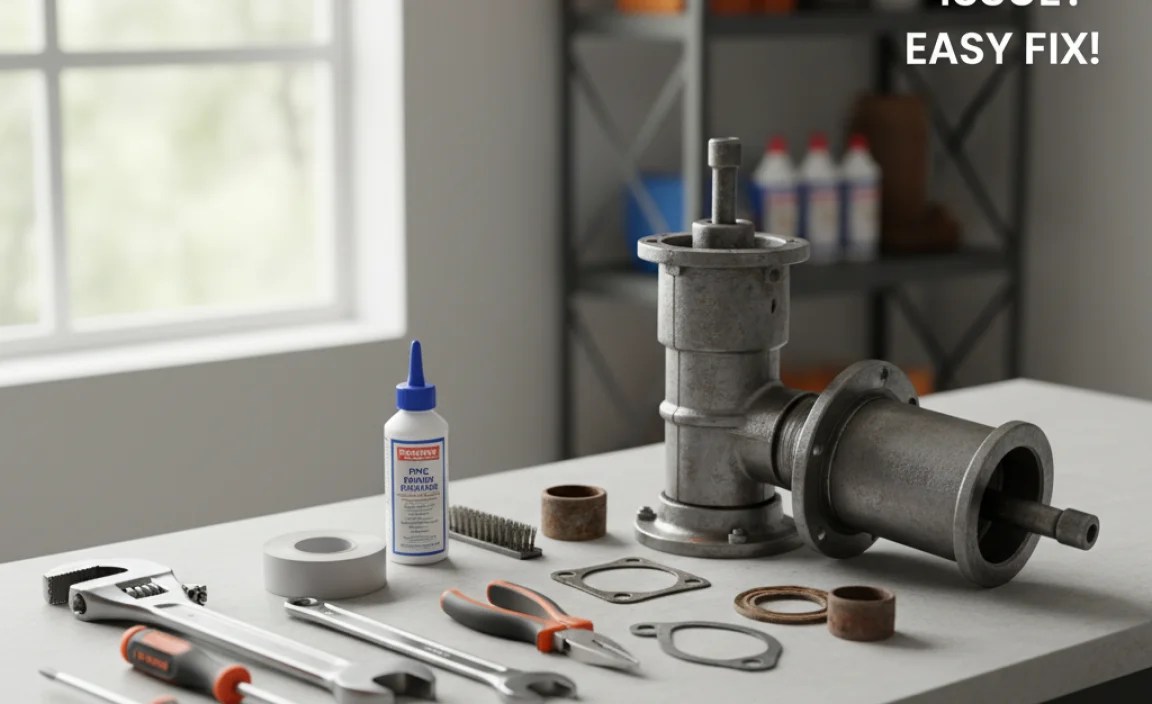
Having the right tools makes the job easier and safer.
- Wrenches: For tightening fittings.
- Screwdrivers: For removing covers and accessing components.
- Pliers: For gripping and manipulating parts.
- Pipe Wrench: For working with larger pipes.
- Lubricant: Food-grade lubricant for the cylinder.
- Replacement Parts: Piston seals, foot valve, etc.
- Gloves: To protect your hands.
- Bucket: For catching water.
Table: Common Problems and Solutions
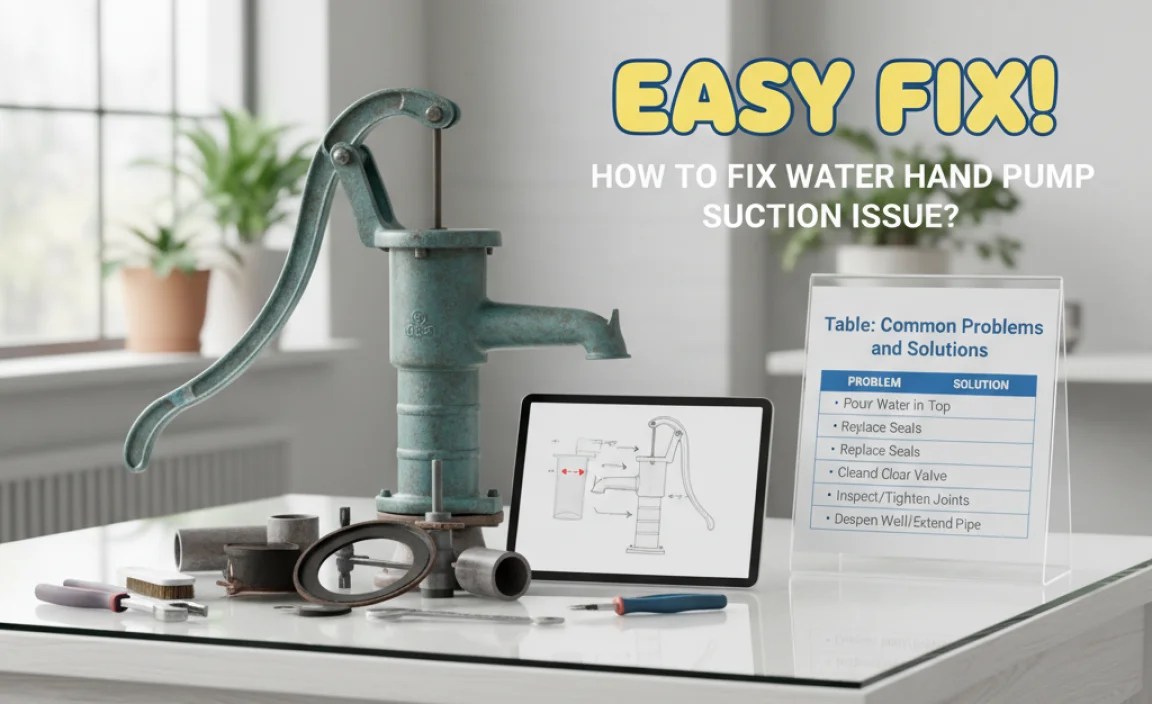
| Problem | Possible Cause | Solution |
|---|---|---|
| Pump won’t draw water | Loose connections | Tighten all fittings |
| Pump draws air | Worn piston seals | Replace piston seals |
| Weak suction | Clogged foot valve | Clean or replace foot valve |
| No water flow | Low water level | Check water level in well |
| Pump works intermittently | Air leak in drop pipe | Inspect and repair drop pipe |
Maintaining Your Hand Pump
Regular maintenance can prevent future problems and keep your pump working efficiently.
- 定期检查:定期检查管道和连接处是否有泄漏或损坏。
- 润滑活动部件:每年对泵缸和活塞进行一次润滑。
- 保护泵:在寒冷的天气里,用绝缘材料保护泵,以防止冻结。
- 保持清洁:定期清理泵周围的区域,以防止碎屑进入井中。
Safety Precautions
Always follow these safety precautions when working on your hand pump:
- 断开电源:在维修电动泵之前,请务必断开电源。
- 戴手套:戴手套保护您的手免受污垢和粗糙的表面。
- 使用正确的工具:使用正确的工具,以避免损坏泵或受伤。
- 注意周围环境:注意周围环境,避免绊倒或跌倒。
- 寻求专业帮助:如果您不确定如何执行维修,请寻求专业帮助。
When to Call a Professional
Sometimes, the problem is beyond a simple DIY fix. Here’s when you should consider calling a professional:
- You can’t locate the problem: If you’ve checked everything and still can’t figure out why your pump isn’t working.
- The problem is complex: If the issue involves major repairs or replacement of underground components.
- You’re not comfortable doing the work: If you’re not experienced with plumbing or well systems, it’s best to leave it to the pros.
- You’re dealing with a deep well: Working on deep wells can be dangerous and requires specialized equipment.
FAQ: Fixing Hand Pump Suction Issues
Question 1: Why is my hand pump not drawing water after winter?
Answer: Cold temperatures can cause parts to shrink or freeze. Check for frozen pipes, loose connections due to contraction, and potential damage to the foot valve from ice. Thaw any frozen parts carefully and tighten connections.
Question 2: How do I know if my foot valve is bad?
Answer: A faulty foot valve often causes the pump to lose prime quickly. If you pour water into the pump to prime it, and it drains back down the well almost immediately, the foot valve is likely leaking or stuck open.
Question 3: Can a cracked pipe cause suction problems?
Answer: Yes, even a small crack in the pipe can let air in, breaking the vacuum needed for suction. Inspect the entire length of the pipe, especially near joints and fittings.
Question 4: What type of lubricant should I use on my hand pump?
Answer: Always use a food-grade, non-toxic lubricant. This ensures that if any lubricant gets into the water supply, it won’t contaminate it. Silicone-based lubricants are a good option.
Question 5: How often should I prime my hand pump?
Answer: Ideally, you shouldn’t need to prime it often. If you find yourself priming it frequently, it indicates an underlying issue like a leak or a faulty foot valve that needs to be addressed.
Question 6: Is it safe to drink water from a hand pump?
Answer: It depends on the water source. Always test the water regularly to ensure it’s free from contaminants. A well-maintained pump is more likely to provide clean water, but testing is essential.
Question 7: What if my well has very sandy water?
Answer: Sandy water can clog the foot valve and damage the pump. Consider installing a well screen or sand filter to prevent sand from entering the pump system. Regularly cleaning the foot valve is also crucial.
Conclusion
Fixing a hand pump suction issue might seem daunting, but with a systematic approach, it’s often a straightforward process. By carefully inspecting each component, from the connections to the foot valve, and following the steps outlined in this guide, you can usually restore your pump to working order. Remember to prioritize safety and don’t hesitate to call a professional if you encounter a complex problem. With a little maintenance and troubleshooting, your hand pump will continue to provide reliable access to water for years to come.


