
How to Carry Bike Pump: Easy Ways to Stay Prepared

Quick Summary
Carrying a bike pump is easier than you think! You can mount it to your bike frame using the pump’s bracket, stash it in a cycling backpack or jersey pocket, or use straps to secure it to your bike. Choose the method that best fits your pump size, your bike, and your personal preference. With a little planning, you’ll always be ready to inflate your tires on the go.
Flat tires happen. It’s just a fact of cycling life. And while knowing how to fix a flat is essential, you also need a way to reinflate that tire. That’s where a good bike pump comes in. But lugging around a pump can feel like a chore. Where do you put it? How do you keep it secure? Don’t worry; there are several simple and effective ways to carry your bike pump, so you’re always prepared without being weighed down. This guide will walk you through the best options, step by step, so you can choose the perfect method for your needs and get back to enjoying the ride.
Understanding Your Bike Pump

Before we dive into how to carry your bike pump, let’s briefly touch on the types of pumps you might be using. Knowing the differences will help you choose the best carrying method.
Types of Bike Pumps
- Mini Pumps: These are small, lightweight, and designed for portability. They often come with mounting brackets.
- Frame Pumps: Longer than mini pumps, they’re designed to fit along a frame tube.
- CO2 Inflators: These use cartridges of compressed CO2 for quick inflation. While not technically pumps, they serve the same purpose and need to be carried.
- Floor Pumps: These are full-sized pumps for home use, not typically carried on rides.
Key Features to Consider
- Size and Weight: Smaller and lighter is generally better for carrying.
- Mounting Brackets: Many pumps come with brackets for attaching to your bike frame.
- Inflation Power: Consider the pump’s PSI (pounds per square inch) rating. Road bikes need higher PSI than mountain bikes.
Methods for Carrying Your Bike Pump

Now, let’s explore the various ways to carry your bike pump. Each method has its pros and cons, so choose the one that best suits your needs and riding style.
1. Mounting to Your Bike Frame
This is often the most convenient method, as it keeps the pump readily accessible and doesn’t take up space in your pockets or bag.
Using the Pump’s Mounting Bracket
Most mini and frame pumps come with a mounting bracket designed to attach to your bike frame. Here’s how to use it:
- Locate Mounting Points: Look for threaded holes on your bike’s frame. These are often located on the seat tube or down tube. Some bikes also have mounting points under the top tube.
- Attach the Bracket: Align the bracket with the mounting points and use the provided bolts to secure it to the frame. Make sure the bracket is firmly attached but don’t overtighten the bolts.
- Attach the Pump: Slide the pump into the bracket. Most brackets use a clip or strap to hold the pump securely in place.
- Test the Fit: Give the pump a gentle tug to ensure it’s securely attached and won’t fall out during your ride.
Pros:
- Convenient and readily accessible
- Doesn’t take up pocket or bag space
Cons:
- Can be visually unappealing to some
- May not work on all bike frames (e.g., those without mounting points)
- The pump is exposed to the elements
Using Velcro Straps or Zip Ties
If your pump doesn’t have a bracket or your bike lacks mounting points, you can use Velcro straps or zip ties to attach the pump to your frame.
- Choose a Location: Select a spot on your frame where the pump won’t interfere with your pedaling or other components. The top tube or seat tube are good options.
- Secure with Straps or Ties: Wrap Velcro straps or zip ties around the pump and the frame, tightening them securely. Use multiple straps or ties for added security.
- Trim Excess: If using zip ties, trim off any excess length to prevent them from snagging on your clothing or other gear.
- Test the Fit: As with the bracket method, give the pump a gentle tug to ensure it’s securely attached.
Pros:
- Versatile and can be used on any bike frame
- Inexpensive
Cons:
- Can be less secure than a dedicated bracket
- Straps or ties may wear out over time
2. Carrying in a Cycling Backpack or Hydration Pack
If you already use a cycling backpack or hydration pack, carrying your pump inside is a convenient option.
- Choose the Right Pack: Select a pack with enough capacity to hold your pump and other essentials, such as a spare tube, multi-tool, and snacks.
- Find a Secure Spot: Look for a dedicated pump sleeve or compartment within the pack. If your pack doesn’t have one, use a padded pouch or wrap the pump in a soft cloth to prevent it from rubbing against other items.
- Distribute Weight Evenly: Place the pump in a way that distributes weight evenly within the pack. Avoid putting it in a location that will cause the pack to feel lopsided or unbalanced.
Pros:
- Keeps the pump protected from the elements
- Distributes weight comfortably
Cons:
- Requires carrying a backpack
- May take longer to access the pump in case of a flat
3. Storing in a Jersey Pocket
Many cycling jerseys have rear pockets that are perfect for carrying small items like a mini-pump or CO2 inflator.
- Choose the Right Jersey: Select a jersey with snug, secure pockets that won’t allow the pump to bounce around or fall out.
- Place the Pump in a Pocket: Slide the pump into one of the rear pockets. For added security, you can wrap the pump in a small cloth or place it in a plastic bag.
- Balance the Load: Distribute the weight evenly between the pockets. Avoid overloading one pocket, as this can cause the jersey to sag or become uncomfortable.
Pros:
- Lightweight and convenient
- Keeps the pump readily accessible
Cons:
- Only suitable for small mini-pumps or CO2 inflators
- Can be uncomfortable if the pump is too large or heavy
4. Using a Saddle Bag or Tool Roll
Saddle bags and tool rolls attach under your saddle and provide a convenient way to carry essential tools and spares, including a mini-pump or CO2 inflator.
- Choose the Right Bag or Roll: Select a saddle bag or tool roll that’s large enough to hold your pump and other essentials, but not so large that it becomes bulky or interferes with your pedaling.
- Pack Strategically: Arrange the contents of the bag or roll in a way that keeps the pump secure and prevents it from rattling around. Use straps or dividers to keep everything in place.
- Attach Securely: Follow the manufacturer’s instructions to attach the bag or roll securely to your saddle rails and seatpost.
Pros:
- Keeps the pump and other tools organized
- Doesn’t take up pocket or bag space
Cons:
- Can be bulky or unsightly to some
- May require adjusting the saddle height
5. Integrating with a Water Bottle Cage
Some innovative products combine a water bottle cage with a pump holder, offering a streamlined and convenient way to carry both essentials.
- Choose a Compatible System: Select a water bottle cage with an integrated pump holder that’s compatible with your bike frame and pump size.
- Attach the Cage: Mount the cage to your bike frame using the standard water bottle cage mounting points.
- Secure the Pump: Slide the pump into the holder, ensuring it’s securely held in place.
Pros:
- Streamlined and integrated design
- Combines two essential functions in one
Cons:
- May not be compatible with all pumps or bike frames
- Can be more expensive than other carrying methods
Comparison Table of Carrying Methods

| Method | Pros | Cons | Best For |
|---|---|---|---|
| Mounting Bracket | Convenient, accessible | Not universal, exposed | Most riders with compatible bikes |
| Velcro/Zip Ties | Versatile, inexpensive | Less secure, wear over time | Bikes lacking mounting points |
| Backpack | Protective, weight distribution | Requires backpack, slower access | Riders already using backpacks |
| Jersey Pocket | Lightweight, accessible | Small pumps only, can be uncomfortable | Short rides, minimalist riders |
| Saddle Bag | Organized, doesn’t take pocket space | Can be bulky, may require adjustment | Riders carrying multiple tools |
| Integrated Cage | Streamlined, combines functions | Compatibility issues, can be expensive | Riders seeking integrated solutions |
Tips for Securely Carrying Your Bike Pump

No matter which method you choose, here are some tips to ensure your pump stays secure and doesn’t become a hazard on your ride:
- Check Regularly: Before each ride, inspect your pump and its attachment method to ensure everything is secure and in good working order.
- Tighten as Needed: If you notice any loosening or movement, tighten straps, bolts, or zip ties as needed.
- Use Redundancy: For added security, consider using multiple straps or zip ties, or combining a mounting bracket with a Velcro strap.
- Avoid Overloading: Don’t overload your pockets, bags, or mounting points with too much weight, as this can cause them to fail.
- Consider Aerodynamics: If you’re concerned about aerodynamics, choose a carrying method that minimizes wind resistance, such as mounting the pump along the frame or storing it in a backpack. Cycling Weekly offers comprehensive pump reviews.
Alternative: CO2 Inflators
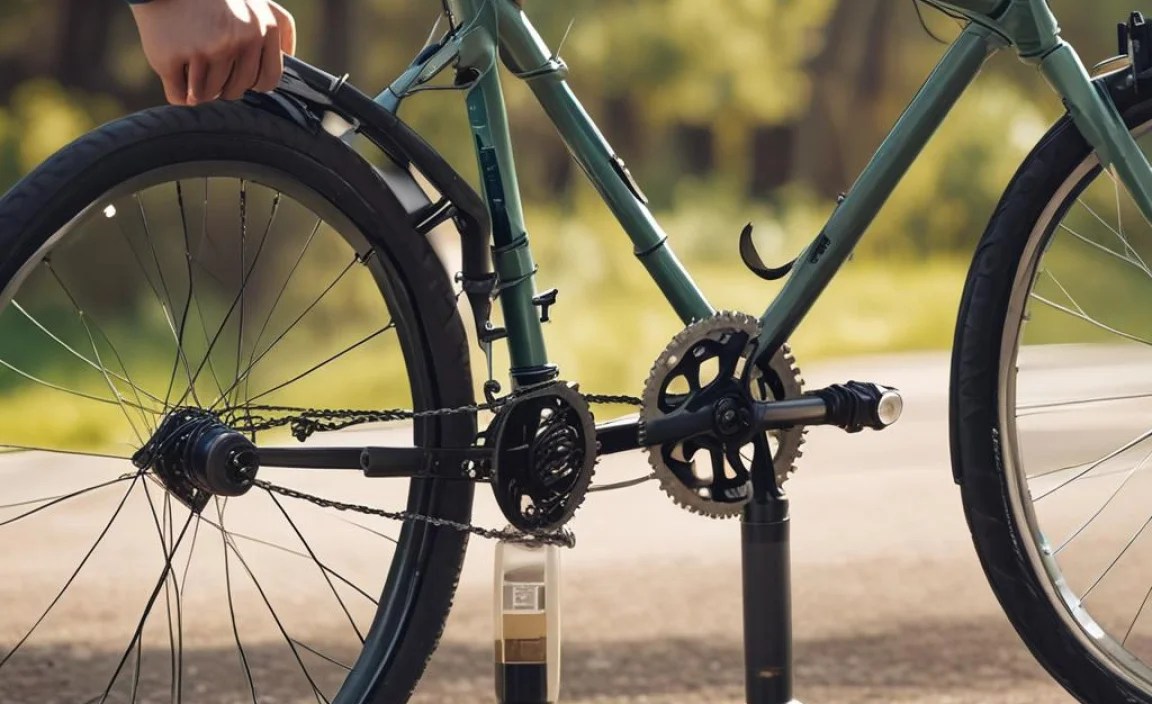
As mentioned earlier, CO2 inflators offer an alternative to traditional pumps. They use cartridges of compressed CO2 to quickly inflate tires. Here’s a quick look:
| Feature | CO2 Inflator | Mini Pump |
|---|---|---|
| Speed of Inflation | Very fast | Slower |
| Effort Required | Minimal | Requires physical effort |
| Portability | Very portable | Portable |
| Cost | Requires cartridge replacements | One-time purchase |
| Environmental Impact | Cartridge disposal | None |
Pros:
- Extremely fast inflation
- Lightweight and compact
Cons:
- Requires purchasing and carrying CO2 cartridges
- Can be wasteful if you have multiple flats
- Some cyclists find them less reliable than pumps
FAQ: Carrying Bike Pumps
Q1: Can I carry my bike pump in my water bottle cage?
Some specialized water bottle cages come with integrated pump holders. These allow you to carry both your water bottle and pump in one convenient location. Check compatibility with your pump size.
Q2: What if my bike doesn’t have mounting points for a pump bracket?
No problem! You can use Velcro straps or zip ties to attach the pump to your frame. Choose a location that doesn’t interfere with pedaling and secure the pump tightly.
Q3: Is it better to carry a mini-pump or a CO2 inflator?
It depends on your preference. Mini-pumps are reusable and don’t require cartridges, but they take more effort. CO2 inflators are faster but require cartridge replacements. Many cyclists carry both for redundancy.
Q4: How do I prevent my pump from rattling when mounted on my bike?
Ensure the mounting bracket is securely attached and the pump is firmly held in place. You can also use a small piece of rubber or foam padding to dampen vibrations.
Q5: Can I carry a floor pump on my bike?
Floor pumps are designed for home use and are generally too large and heavy to carry on a bike. Stick to mini-pumps or frame pumps for on-the-go inflation.
Q6: Where is the best place to mount my pump on my frame?
The seat tube or down tube are common locations. Choose a spot that’s easily accessible and doesn’t interfere with your pedaling or other components. Make sure the pump is oriented so it won’t catch on anything.
Q7: What should I do if my pump bracket breaks?
If your pump bracket breaks, you can use Velcro straps or zip ties as a temporary solution. Consider purchasing a replacement bracket or upgrading to a more durable pump with a better-quality bracket.
Conclusion
Carrying a bike pump doesn’t have to be a hassle. By choosing the right method and following these tips, you can ensure your pump is always within reach when you need it most. Whether you prefer mounting it to your frame, stashing it in a backpack, or using a saddle bag, the key is to find a solution that’s comfortable, convenient, and secure. So, get out there, explore the open road, and ride with confidence, knowing you’re prepared for whatever the road may throw at you! Safe riding!


