
How to Check Defrost Cycle on Heat Pump: A Step-by-Step Guide

Quick Summary: Checking your heat pump’s defrost cycle involves observing its operation. Look for frost buildup on the outdoor unit’s coils, then listen for the system to switch into defrost mode, which includes the fan shutting off and a hissing sound as the coils warm up. If it’s not defrosting, check your thermostat settings, air filters, and consider calling a professional HVAC technician.
Is your heat pump struggling to keep your home warm in the winter? One common culprit might be a malfunctioning defrost cycle. When ice builds up on the outdoor unit, it acts like an insulator, preventing the heat pump from efficiently extracting heat from the outside air. Don’t worry; figuring out if your defrost cycle is working isn’t as complicated as it sounds. This guide breaks down the process into easy-to-follow steps, so you can troubleshoot like a pro. Let’s get started and keep your heat pump running smoothly!
Understanding the Heat Pump Defrost Cycle

Before diving into how to check your defrost cycle, it’s important to understand what it is and why it’s necessary. A heat pump works by transferring heat from one place to another. In the winter, it extracts heat from the outside air and moves it inside your home. As the outdoor unit pulls heat from the air, the coils can get very cold, which can lead to frost and ice buildup, especially in humid conditions.
The defrost cycle is designed to melt this ice and keep the system running efficiently. The heat pump temporarily reverses its operation, running in cooling mode to warm the outdoor coils. This melts the ice, allowing the system to return to normal heating operation. This cycle typically lasts for a few minutes.
Why is the Defrost Cycle Important?
Without a functioning defrost cycle, ice can accumulate on the outdoor coils, reducing the heat pump’s ability to extract heat. This leads to:
- Reduced heating efficiency
- Higher energy bills
- Potential damage to the compressor
- System failure
Step-by-Step Guide to Checking Your Defrost Cycle

Here’s how you can check if your heat pump’s defrost cycle is working correctly:
Step 1: Observe the Outdoor Unit
The first step is a visual inspection of your heat pump’s outdoor unit. Look for the following:
- Frost or Ice Buildup: Check the outdoor coil for a significant accumulation of frost or ice. A thin layer is normal, but thick ice indicates a potential problem.
- Fan Operation: Observe whether the fan is running continuously. During normal heating operation, the fan should be running.
Step 2: Listen for the Defrost Cycle
When the defrost cycle activates, you should notice several changes:
- Fan Stops: The outdoor fan will typically stop running. This is normal during defrost.
- Hissing Sound: You might hear a hissing sound as the refrigerant reverses and heats the coils.
- Steam: You may see steam rising from the unit as the ice melts.
Step 3: Monitor the Duration
The defrost cycle usually lasts between 5 to 15 minutes. Time the cycle to ensure it falls within this range. If it’s significantly shorter or longer, there might be an issue.
Step 4: Check for Warm Air
During the defrost cycle, your heat pump is essentially running in cooling mode to heat the outdoor coils. This means that the air coming from your indoor vents might be cooler than usual. This is normal, but it should only last for the duration of the defrost cycle.
Step 5: Manual Defrost Test (If Applicable)
Some heat pumps have a test mode that allows you to manually initiate the defrost cycle. Consult your owner’s manual to see if your unit has this feature and how to activate it.
Caution: Always refer to your heat pump’s manual before attempting a manual defrost test. Incorrectly performing this test could damage your system.
Troubleshooting Common Defrost Cycle Issues

If you suspect your defrost cycle isn’t working correctly, here are some common issues and how to address them:
1. Thermostat Settings
Issue: Incorrect thermostat settings can prevent the defrost cycle from activating.
Solution:
- Ensure your thermostat is set to “Heat” mode.
- Check the temperature setting. If it’s too high, the heat pump might not need to defrost as frequently.
- If you have a programmable thermostat, make sure the settings are correct for your heating schedule.
2. Dirty Air Filter
Issue: A dirty air filter restricts airflow, causing the heat pump to work harder and potentially affecting the defrost cycle.
Solution:
- Check your air filter and replace it if it’s dirty. A clean filter ensures proper airflow and efficient operation.
- Aim to replace your air filter every 1-3 months, depending on usage and air quality.
3. Blocked Outdoor Unit
Issue: Obstructions around the outdoor unit can restrict airflow and hinder the defrost cycle.
Solution:
- Clear any snow, ice, leaves, or debris from around the outdoor unit.
- Ensure that bushes and plants are trimmed back to allow for adequate airflow.
4. Faulty Defrost Sensor or Timer
Issue: The defrost sensor or timer might be malfunctioning, preventing the defrost cycle from activating or causing it to run too frequently.
Solution:
This issue typically requires professional diagnosis and repair. Contact a qualified HVAC technician to inspect and replace the faulty components.
5. Refrigerant Leaks
Issue: Low refrigerant levels can affect the heat pump’s ability to extract heat and trigger the defrost cycle.
Solution:
Refrigerant leaks require professional attention. An HVAC technician can locate and repair the leak and recharge the system with the correct amount of refrigerant.
DIY vs. Professional Help
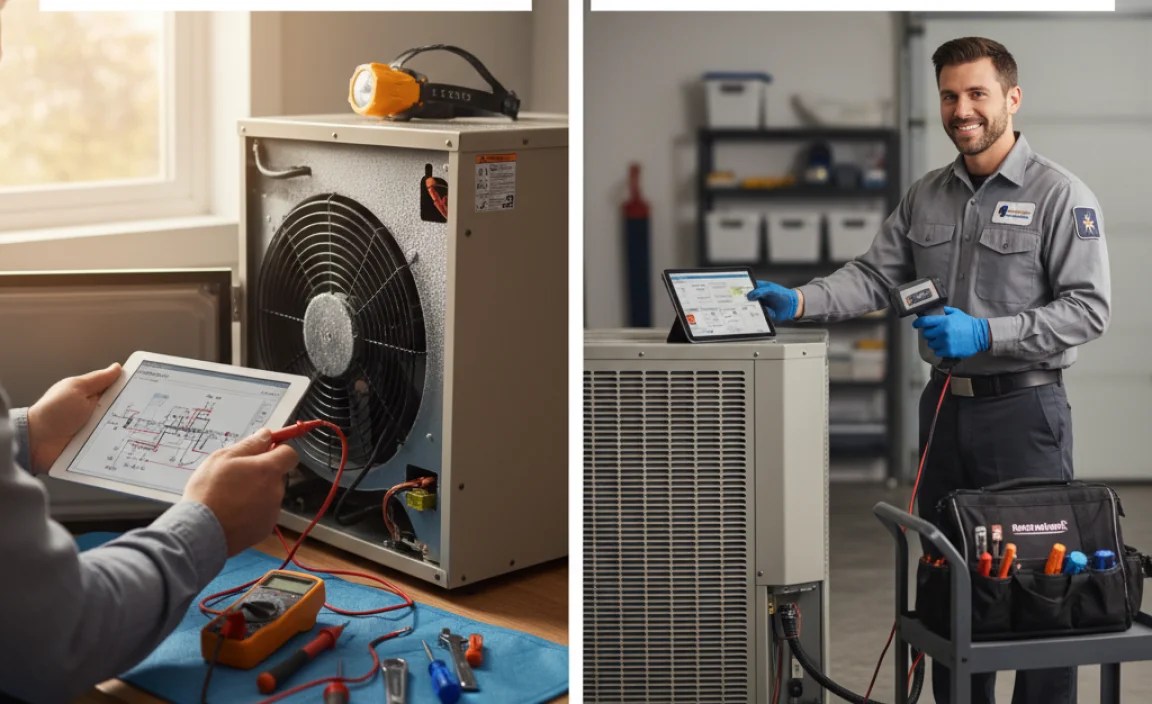
While some troubleshooting steps, like checking thermostat settings and cleaning the air filter, can be done yourself, other issues require professional expertise. Here’s a breakdown:
DIY Tasks
- Checking and adjusting thermostat settings
- Replacing the air filter
- Clearing debris from around the outdoor unit
When to Call a Professional
- Faulty defrost sensor or timer
- Refrigerant leaks
- Electrical issues
- Compressor problems
- If the defrost cycle is running excessively or not at all after performing basic troubleshooting
Understanding Defrost Cycle Indicators
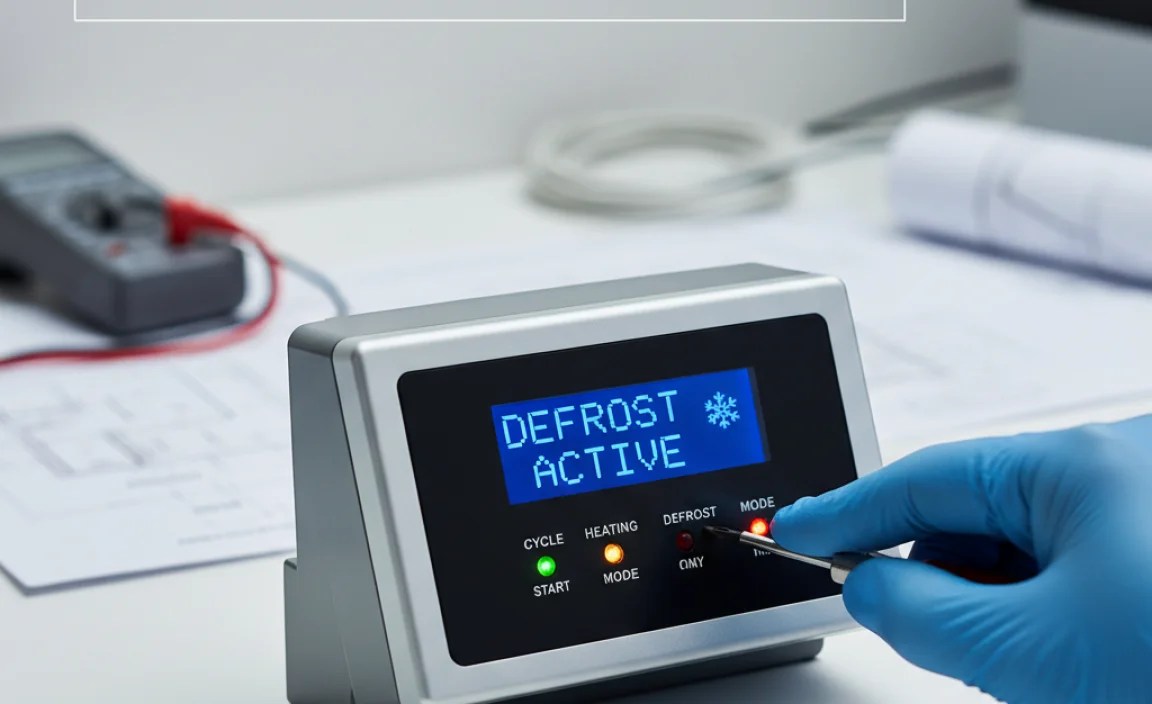
Some heat pumps have indicator lights or display messages that can help you understand what’s happening with the defrost cycle. Here’s a table of common indicators and their meanings:
| Indicator | Meaning | Action |
|---|---|---|
| Defrost Light On | The heat pump is currently in defrost mode. | Normal operation; no action required. |
| Auxiliary Heat On During Defrost | The auxiliary or emergency heat is activated to supplement heating during defrost. | Normal operation; ensures consistent indoor temperature. |
| Defrost Error Code | There is a problem with the defrost cycle. | Consult your owner’s manual or contact a professional HVAC technician. |
| Excessive Defrost Cycles | The heat pump is defrosting too frequently. | Check for airflow restrictions or contact a professional. |
Tips for Maintaining Your Heat Pump
Regular maintenance can help prevent defrost cycle issues and keep your heat pump running efficiently. Here are some tips:
- Regular Filter Changes: Replace your air filter every 1-3 months.
- Clear Outdoor Unit: Keep the area around the outdoor unit free of debris.
- Professional Tune-Ups: Schedule annual maintenance with a qualified HVAC technician.
- Monitor Performance: Pay attention to any changes in your heat pump’s performance, such as reduced heating or unusual noises.
The Role of Auxiliary Heat During Defrost
During the defrost cycle, your heat pump temporarily switches to cooling mode to warm the outdoor coils. This can cause a brief drop in indoor temperature. To compensate for this, most heat pumps have an auxiliary or emergency heat system, which is usually an electric resistance heater. The auxiliary heat kicks in during the defrost cycle to maintain a consistent indoor temperature.
It’s normal for the auxiliary heat to activate during defrost. However, if it’s running excessively, it could indicate a problem with the defrost cycle or the heat pump itself. This can significantly increase your energy bills, so it’s essential to address the issue promptly.
Advanced Troubleshooting Techniques
For those with some technical knowledge, here are some advanced troubleshooting techniques you can consider. However, proceed with caution and always prioritize safety.
1. Checking Defrost Thermostat
The defrost thermostat is a temperature-sensitive switch that tells the control board when to initiate the defrost cycle. You can test it using a multimeter to check for continuity when the coil is cold.
Caution: Working with electrical components can be dangerous. If you’re not comfortable, it’s best to leave this to a professional.
2. Inspecting the Reversing Valve
The reversing valve is responsible for switching the heat pump between heating and cooling modes, including the defrost cycle. You can visually inspect it for any signs of damage or leaks. An HVAC technician can use gauges to check the pressure and ensure it’s functioning correctly.
3. Analyzing Control Board Signals
The control board manages the operation of the heat pump, including the defrost cycle. With the right tools and knowledge, you can analyze the signals being sent to the various components to diagnose problems.
Heat Pump Defrost Cycle Problems and Solutions
Here’s a comprehensive table summarizing common defrost cycle problems and their solutions:
| Problem | Possible Cause | Solution |
|---|---|---|
| Heat pump not defrosting | Faulty defrost timer/sensor, low refrigerant, reversing valve issue | Replace timer/sensor, repair refrigerant leak, replace reversing valve |
| Heat pump defrosting too often | Defrost timer/sensor malfunction, airflow obstruction, incorrect settings | Replace timer/sensor, clear obstructions, adjust settings |
| Ice buildup on coils | Defrost cycle not working, humidity, poor airflow | Troubleshoot defrost cycle, dehumidify, improve airflow |
| Auxiliary heat running constantly | Defrost cycle issues, thermostat settings, faulty auxiliary heater | Check defrost cycle, adjust thermostat, repair/replace heater |
| No hissing sound during defrost | Reversing valve issue, refrigerant leak | Replace reversing valve, repair refrigerant leak |
Choosing the Right HVAC Technician
If you need to call a professional, it’s important to choose a qualified and experienced HVAC technician. Here are some tips:
- Check Credentials: Ensure the technician is licensed and insured.
- Read Reviews: Look for online reviews and testimonials from other customers.
- Ask for Referrals: Get recommendations from friends, family, or neighbors.
- Get a Quote: Obtain a written estimate before any work begins.
- Verify Experience: Ask about their experience with heat pump systems and defrost cycle issues.
Cost Considerations for Defrost Cycle Repairs
The cost of repairing defrost cycle issues can vary depending on the problem and the parts required. Here’s a general idea of what you can expect:
- Defrost Timer/Sensor Replacement: $100 – $300
- Reversing Valve Replacement: $300 – $700
- Refrigerant Leak Repair: $200 – $500 (plus the cost of refrigerant)
- Control Board Replacement: $200 – $600
These are just estimates, and the actual cost may vary. Always get a detailed quote from a qualified HVAC technician before proceeding with any repairs.
FAQ: Heat Pump Defrost Cycle
Here are some frequently asked questions about heat pump defrost cycles:
Q1: How often should my heat pump go into defrost mode?
A1: The frequency depends on the humidity and temperature, but typically, a heat pump defrosts every 30 to 90 minutes during continuous operation.
Q2: Is it normal for my indoor temperature to drop during the defrost cycle?
A2: Yes, it’s normal for the indoor temperature to drop slightly. Your auxiliary heat should kick in to minimize the temperature change.
Q3: Can I manually defrost my heat pump?
A3: Some heat pumps have a manual defrost mode. Check your owner’s manual for instructions.
Q4: Why is my heat pump defrosting even when there’s no ice?
A4: This could be due to a faulty defrost timer or sensor. Contact a professional for diagnosis and repair.
Q5: What happens if I ignore a malfunctioning defrost cycle?
A5: Ignoring it can lead to reduced heating efficiency, higher energy bills, and potential damage to your heat pump.
Q6: How do I know if my auxiliary heat is working during defrost?
A6: You should feel warm air coming from your vents, and you might see an indicator light on your thermostat.
Q7: Can I prevent my heat pump from icing up?
A7: While you can’t completely prevent it, regular maintenance, proper airflow, and keeping the outdoor unit clear of debris can help minimize ice buildup.
Conclusion
Checking your heat pump’s defrost cycle doesn’t have to be a mystery. By following these steps, you can quickly assess whether your system is working correctly and take action if needed. Remember to prioritize safety and consult a professional when dealing with complex issues. Regular maintenance and prompt attention to problems will keep your heat pump running efficiently and keep your home comfortable all winter long. Don’t let a faulty defrost cycle leave you out in the cold!
“`


