
Do Cycle Stop Valves Damage Pumps? A Simple Guide

Quick Summary: Cycle stop valves, when installed and adjusted correctly, generally don’t damage pumps. They help maintain consistent water pressure by preventing rapid cycling, which can wear out a pump quickly. However, improper installation or incorrect pressure settings can lead to issues. Always follow the manufacturer’s instructions for optimal performance and pump longevity.
Dealing with inconsistent water pressure can be a real headache. You’re enjoying a shower, and suddenly the pressure drops! One common fix people consider is installing a cycle stop valve. But you might wonder, “Will this actually help, or will it just cause more problems down the road by damaging my pump?” It’s a valid concern! Pumps are expensive to replace, and nobody wants to cause unnecessary wear and tear. This guide will walk you through understanding cycle stop valves, how they work, and whether they pose a risk to your pump. We’ll cover everything you need to know to make an informed decision and keep your water system running smoothly.
What is a Cycle Stop Valve?
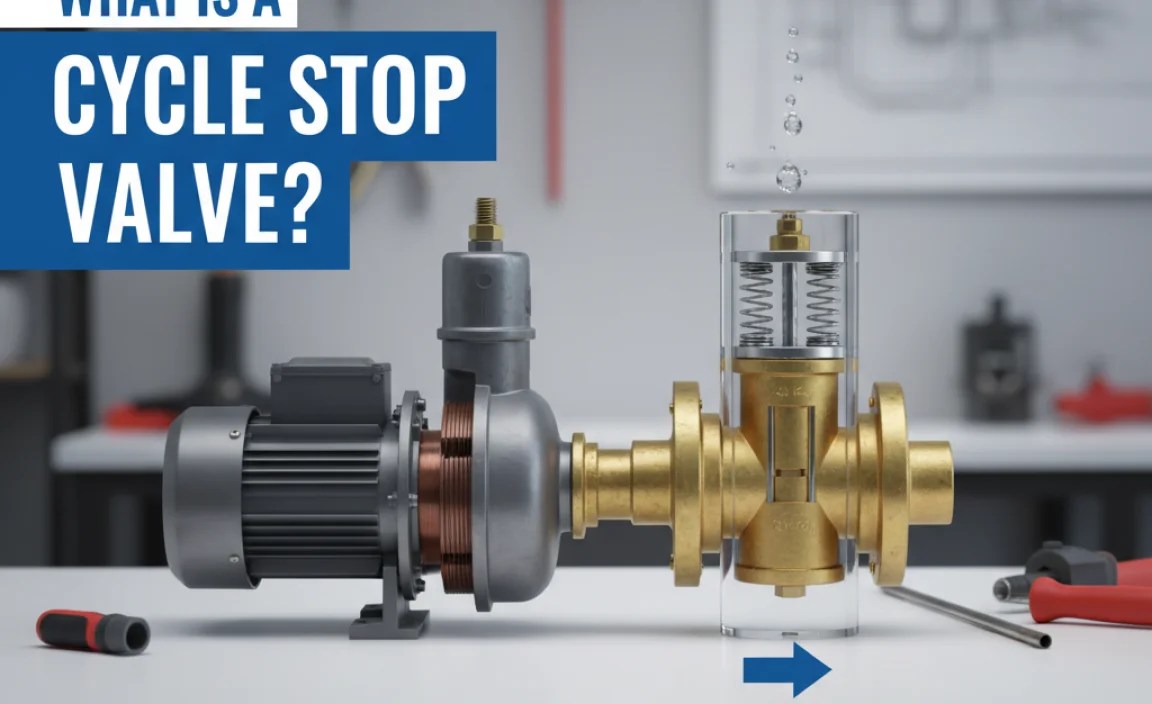
A cycle stop valve is a specialized valve designed to maintain constant water pressure in a plumbing system. Regular water pumps cycle on and off frequently as water is used, leading to pressure fluctuations and potential pump wear. The cycle stop valve minimizes this cycling by creating an artificial demand, allowing the pump to run continuously at a lower flow rate, providing consistent pressure.
Think of it like cruise control in your car. Instead of constantly accelerating and decelerating, cruise control keeps you at a steady speed. A cycle stop valve does the same for your water pressure.
How Does a Cycle Stop Valve Work?
Here’s a breakdown of the working mechanism:
- Standard Operation: Without a cycle stop valve, when you turn on a faucet, the pump starts, and the pressure increases. Once the pressure reaches a set maximum, the pump shuts off. When the pressure drops again, the pump restarts. This on-off cycle repeats every time you use water.
- Cycle Stop Valve Operation: The cycle stop valve is installed in the water line after the pump. When you turn on a faucet, the pump starts. The valve senses the flow rate.
- Maintaining Pressure: If the flow rate is low (like a dripping faucet), the cycle stop valve restricts the flow, creating backpressure. This backpressure keeps the pump running at a lower, continuous rate, maintaining a consistent pressure.
- Bypassing at High Flow: When you use a lot of water (like running a shower), the flow rate increases, and the cycle stop valve opens fully, allowing the pump to deliver water without restriction.
- Preventing Cycling: By maintaining a continuous flow at low demand, the cycle stop valve prevents the pump from rapidly cycling on and off, reducing wear and tear.
Potential Problems and How to Avoid Them
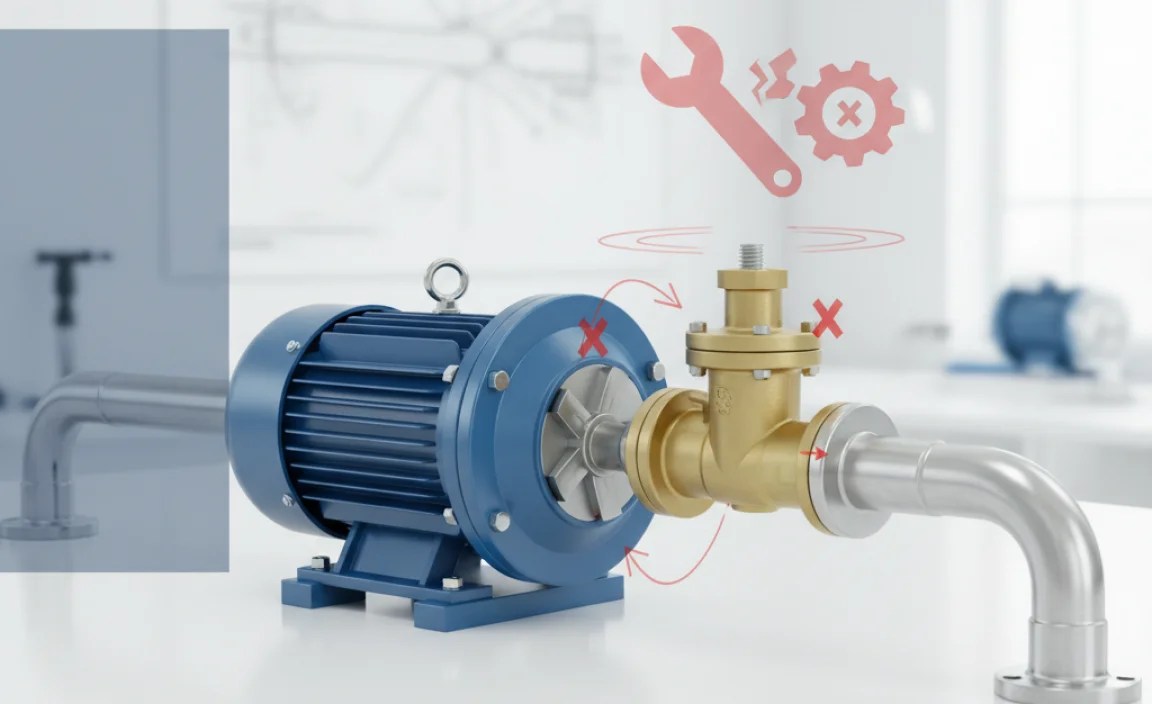
While cycle stop valves can be beneficial, they can also cause problems if not installed or adjusted correctly. Here’s what to watch out for:
- Incorrect Pressure Settings: Setting the valve to the wrong pressure can cause the pump to work too hard or not hard enough. Always follow the manufacturer’s instructions for setting the correct pressure.
- Improper Installation: Installing the valve in the wrong location or with incorrect fittings can cause leaks or malfunctions. Ensure the valve is installed according to the manufacturer’s guidelines, usually after the pressure tank.
- Valve Failure: Like any mechanical device, cycle stop valves can fail over time. Regular inspection and maintenance can help prevent unexpected failures.
- Clogging: Debris in the water can clog the valve, affecting its performance. Installing a filter upstream of the valve can help prevent clogging.
Let’s explore these issues in more detail.
Incorrect Pressure Settings
One of the most common issues arises from setting the cycle stop valve to the wrong pressure. If the pressure is set too high, the pump will constantly struggle to reach that pressure, leading to overheating and premature wear. Conversely, if the pressure is set too low, the valve won’t function correctly, and you’ll experience inconsistent water pressure.
Solution: Always consult the manufacturer’s instructions for the recommended pressure settings. Use a pressure gauge to accurately monitor the pressure and make adjustments as needed. Start with the lowest recommended setting and gradually increase it until you achieve the desired water pressure.
Improper Installation
Incorrect installation can lead to a host of problems, including leaks, reduced water pressure, and valve malfunction. Common mistakes include using the wrong fittings, installing the valve in the wrong orientation, or placing it in the wrong location in the water system.
Solution: Follow the manufacturer’s installation instructions meticulously. Ensure you use the correct fittings and that the valve is installed in the correct orientation (usually indicated by arrows on the valve body). The valve should typically be installed after the pressure tank and before any major branches in the plumbing system.
Valve Failure
Like any mechanical device, cycle stop valves are subject to wear and tear and can eventually fail. Signs of valve failure include inconsistent water pressure, leaks, or a complete loss of water pressure. Regular inspection can help identify potential problems before they become major issues.
Solution: Inspect the valve regularly for signs of wear, such as leaks or corrosion. If you notice any problems, replace the valve immediately. Consider keeping a spare valve on hand to minimize downtime.
Clogging
Debris and sediment in the water can clog the cycle stop valve, affecting its performance. Clogging can cause reduced water pressure, inconsistent flow, and valve malfunction.
Solution: Install a water filter upstream of the cycle stop valve to remove debris and sediment. Regularly clean or replace the filter as needed. If you suspect the valve is clogged, you may be able to disassemble it and clean it, but always follow the manufacturer’s instructions.
Benefits of Using a Cycle Stop Valve

Despite the potential problems, cycle stop valves offer several benefits when properly installed and maintained:
- Consistent Water Pressure: Maintains a steady water pressure, eliminating fluctuations.
- Extended Pump Life: Reduces pump cycling, decreasing wear and tear and extending the pump’s lifespan.
- Reduced Energy Consumption: Can lower energy consumption by allowing the pump to run more efficiently.
- Quieter Operation: Reduces the noise associated with frequent pump starts and stops.
Let’s explore each of these benefits in more detail.
Consistent Water Pressure
One of the primary benefits of using a cycle stop valve is that it maintains a steady water pressure. This means you won’t experience sudden drops in pressure when someone else in the house turns on a faucet or flushes a toilet. Consistent water pressure makes for a more enjoyable and reliable water experience.
Extended Pump Life
Frequent pump cycling is one of the leading causes of pump failure. Each time a pump starts, it experiences a surge of electrical and mechanical stress. By reducing the number of start-stop cycles, a cycle stop valve can significantly extend the life of your pump. This can save you money on pump repairs and replacements in the long run.
Reduced Energy Consumption
Pumps are most efficient when they are running continuously at a steady rate. Frequent starts and stops consume more energy due to the initial surge required to start the motor. By allowing the pump to run more efficiently, a cycle stop valve can help reduce your energy consumption and lower your utility bills.
Quieter Operation
The frequent starting and stopping of a water pump can be noisy and disruptive. A cycle stop valve reduces the number of start-stop cycles, resulting in quieter operation. This can be especially beneficial if your pump is located near living areas.
How to Install a Cycle Stop Valve
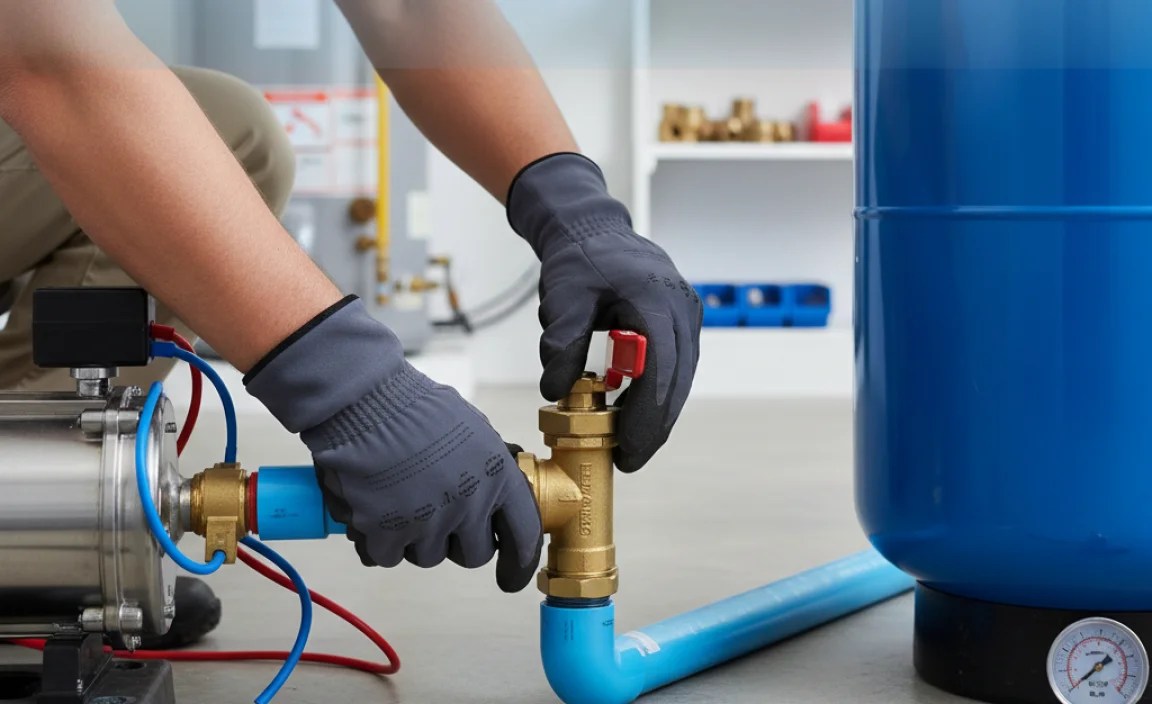
Installing a cycle stop valve is a relatively straightforward process, but it’s essential to follow the manufacturer’s instructions carefully. Here’s a general guide:
- Gather Your Tools: You’ll need pipe wrenches, pipe cutters, Teflon tape, and the cycle stop valve.
- Turn Off the Water and Power: Shut off the main water supply and disconnect power to the pump.
- Locate the Installation Point: The valve is typically installed after the pressure tank and before any major plumbing branches.
- Cut the Pipe: Cut the water pipe at the installation point.
- Install the Valve: Wrap Teflon tape around the threads of the valve fittings and connect them to the water pipe. Ensure the valve is installed in the correct orientation.
- Turn On the Water and Power: Slowly turn the water back on and check for leaks. Reconnect power to the pump.
- Adjust the Pressure: Use a pressure gauge to monitor the pressure and adjust the valve according to the manufacturer’s instructions.
Maintenance Tips for Cycle Stop Valves
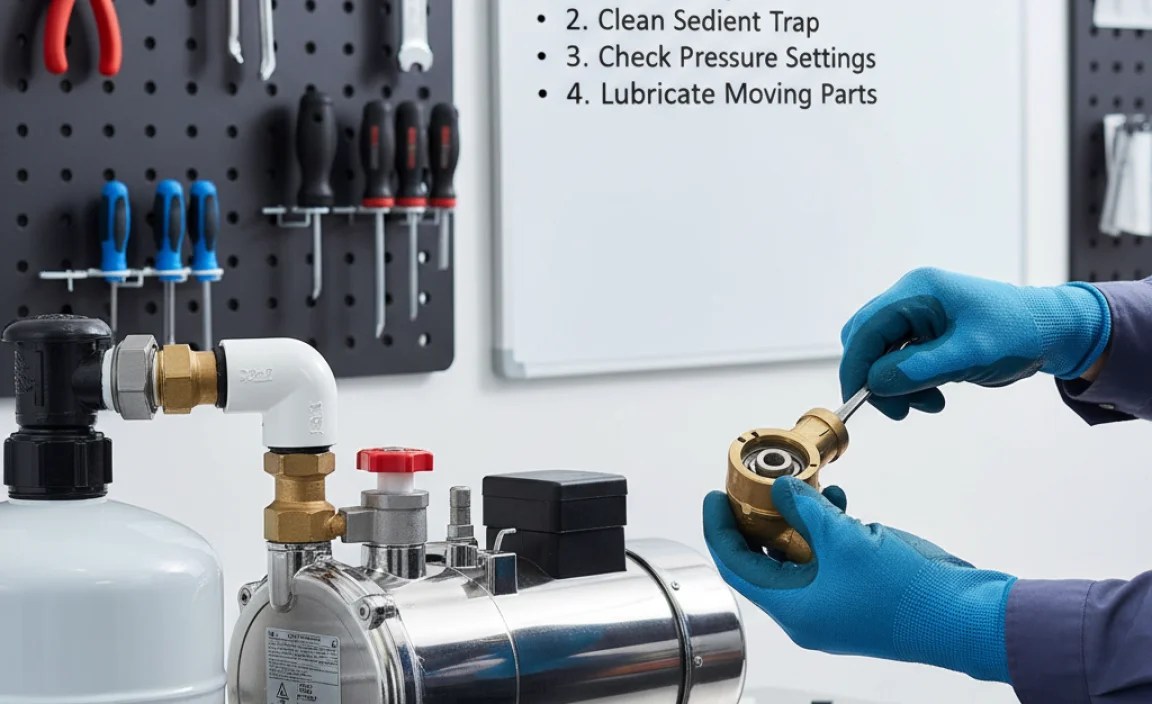
To ensure your cycle stop valve operates efficiently and lasts a long time, follow these maintenance tips:
- Regular Inspection: Inspect the valve regularly for leaks or signs of corrosion.
- Filter Maintenance: Clean or replace the water filter upstream of the valve as needed.
- Pressure Monitoring: Monitor the water pressure regularly to ensure the valve is functioning correctly.
- Professional Servicing: Consider having the valve professionally serviced every few years to ensure it’s in good working order.
Cycle Stop Valves vs. Traditional Pressure Tanks
Traditional pressure tanks and cycle stop valves both aim to regulate water pressure, but they do so in different ways. Here’s a comparison:
| Feature | Traditional Pressure Tank | Cycle Stop Valve |
|---|---|---|
| Mechanism | Stores water under pressure, releasing it as needed. | Maintains constant pressure by regulating flow. |
| Pressure Fluctuations | Can experience pressure fluctuations as water is used. | Maintains consistent pressure. |
| Pump Cycling | Reduces pump cycling by storing water. | Eliminates pump cycling at low flow rates. |
| Space Requirements | Requires a large tank, taking up more space. | Compact and requires less space. |
| Maintenance | Requires periodic air charge and tank inspection. | Requires occasional inspection and cleaning. |
| Cost | Generally less expensive upfront. | Generally more expensive upfront. |
When to Consider a Cycle Stop Valve
Cycle stop valves are particularly useful in situations where:
- Water Demand is Low: You have a low water demand, such as in a small household or irrigation system.
- Consistent Pressure is Needed: You need consistent water pressure for sensitive equipment or processes.
- Space is Limited: You have limited space for a large pressure tank.
- Well has Low Yield: Your well has a low recovery rate, and you need to maximize water availability.
Choosing the Right Cycle Stop Valve
Selecting the right cycle stop valve is crucial for optimal performance and longevity. Consider these factors when making your decision:
- Flow Rate: Choose a valve that is rated for the flow rate of your pump.
- Pressure Rating: Select a valve with a pressure rating that matches your system’s pressure requirements.
- Material: Opt for a valve made from durable, corrosion-resistant materials, such as stainless steel or brass.
- Brand Reputation: Choose a valve from a reputable manufacturer with a proven track record.
- Warranty: Look for a valve with a good warranty to protect against defects.
Cost Considerations
The cost of a cycle stop valve can vary depending on the brand, size, and features. Here’s a general breakdown:
- Valve Cost: $50 to $300
- Installation Cost: $100 to $500 (if professionally installed)
- Maintenance Cost: $0 to $50 per year (for filter replacement and occasional servicing)
While the initial cost may be higher than a traditional pressure tank, the long-term benefits, such as extended pump life and reduced energy consumption, can offset the upfront investment.
Common Misconceptions
There are several misconceptions about cycle stop valves. Let’s clear some of them up:
- Misconception: Cycle stop valves always damage pumps. Reality: When installed and adjusted correctly, they can actually extend pump life.
- Misconception: Cycle stop valves are only for low-yield wells. Reality: They can be beneficial in any system where consistent water pressure is desired.
- Misconception: Cycle stop valves are maintenance-free. Reality: They require occasional inspection and cleaning to ensure optimal performance.
Troubleshooting Common Issues
If you experience problems with your cycle stop valve, here are some troubleshooting tips:
| Problem | Possible Cause | Solution |
|---|---|---|
| Inconsistent Water Pressure | Incorrect pressure setting, clogged valve | Adjust pressure setting, clean the valve |
| Pump Cycling | Valve malfunction, low flow rate | Replace the valve, increase flow rate |
| Leaks | Loose fittings, damaged valve | Tighten fittings, replace the valve |
| No Water Pressure | Valve failure, pump failure | Replace the valve, check the pump |
Alternative Solutions
If you’re not sure about using a cycle stop valve, here are some alternative solutions for improving water pressure:
- Larger Pressure Tank: Installing a larger pressure tank can reduce pump cycling and improve water pressure.
- Variable Frequency Drive (VFD) Pump: A VFD pump automatically adjusts its speed to match water demand, providing consistent pressure and reducing energy consumption.
- Booster Pump: A booster pump can increase water pressure in systems with low pressure.
Expert Advice
Here’s some expert advice to keep in mind:
- Consult a Professional: If you’re not comfortable installing or maintaining a cycle stop valve yourself, consult a qualified plumber or well technician.
- Read the Manual: Always read and follow the manufacturer’s instructions for installation, adjustment, and maintenance.
- Monitor Performance: Regularly monitor your water pressure and pump performance to identify potential problems early.
Resources and Further Reading
For more information on cycle stop valves and water systems, check out these resources:
- Environmental Protection Agency (EPA)
- U.S. Geological Survey (USGS)
- Centers for Disease Control and Prevention (CDC)
FAQ: Cycle Stop Valves and Your Pump
Here are some frequently asked questions about cycle stop valves:
- Will a cycle stop valve damage my pump?
- No, when properly installed and adjusted, a cycle stop valve should not damage your pump. In fact, it can extend the pump’s life by reducing cycling.
- How do I know if I need a cycle stop valve?
- If you experience frequent pump cycling, inconsistent water pressure, or have a low-yield well, a cycle stop valve may be beneficial.
- Can I install a cycle stop valve myself?
- Yes, if you have plumbing experience, you can install a cycle stop valve yourself. However, it’s essential to follow the manufacturer’s instructions carefully. If you’re not comfortable, consult a professional.
- What maintenance is required for a cycle stop valve?
- Regular inspection for leaks, cleaning or replacing the water filter upstream of the valve, and monitoring water pressure are the primary maintenance tasks.
- How long do cycle stop valves last?
- With proper installation and maintenance, a cycle stop valve can last for many years. The lifespan depends on the quality of the valve and the conditions in which it operates.
- Are cycle stop valves noisy?
- No, cycle stop valves are generally quiet. In fact, they can reduce noise by minimizing pump cycling.
- What size cycle stop valve do I need?
- The size of the cycle stop valve depends on the flow rate of your pump and the size of your water pipes. Consult the manufacturer’s specifications or a plumbing professional to determine the correct size.
Conclusion
So, do cycle stop valves damage pumps? The answer is generally no. When installed and maintained correctly, they can be a valuable tool for maintaining consistent water pressure and extending the life of your pump. Like any mechanical device, they require proper installation, adjustment, and occasional maintenance. By understanding how they work, the potential problems, and the benefits they offer, you can make an informed decision about whether a cycle stop valve is right for your water system. Remember to always follow the manufacturer’s instructions and consult a professional if you have any questions or concerns. With the right approach, you can enjoy consistent water pressure and a longer-lasting pump for years to come.
“`


