
Why Do Heat Pump Cycles Lose Efficiency? Understanding the Factors

Heat pumps become less efficient due to factors like low refrigerant charge, dirty coils, and extremely cold weather. Regular maintenance, proper sizing, and using supplemental heating during peak cold can keep your heat pump running efficiently.
Is your heat pump not heating or cooling like it used to? It’s a common frustration! Heat pumps are incredibly efficient, but over time, their performance can dip. Understanding why your heat pump’s efficiency decreases will help you troubleshoot and maintain it effectively. Don’t worry, we’ll walk through the key factors that cause this loss of efficiency. We’ll also cover some simple steps you can take to keep your system running smoothly. Let’s dive in and get your heat pump back on track!
Understanding Heat Pump Efficiency
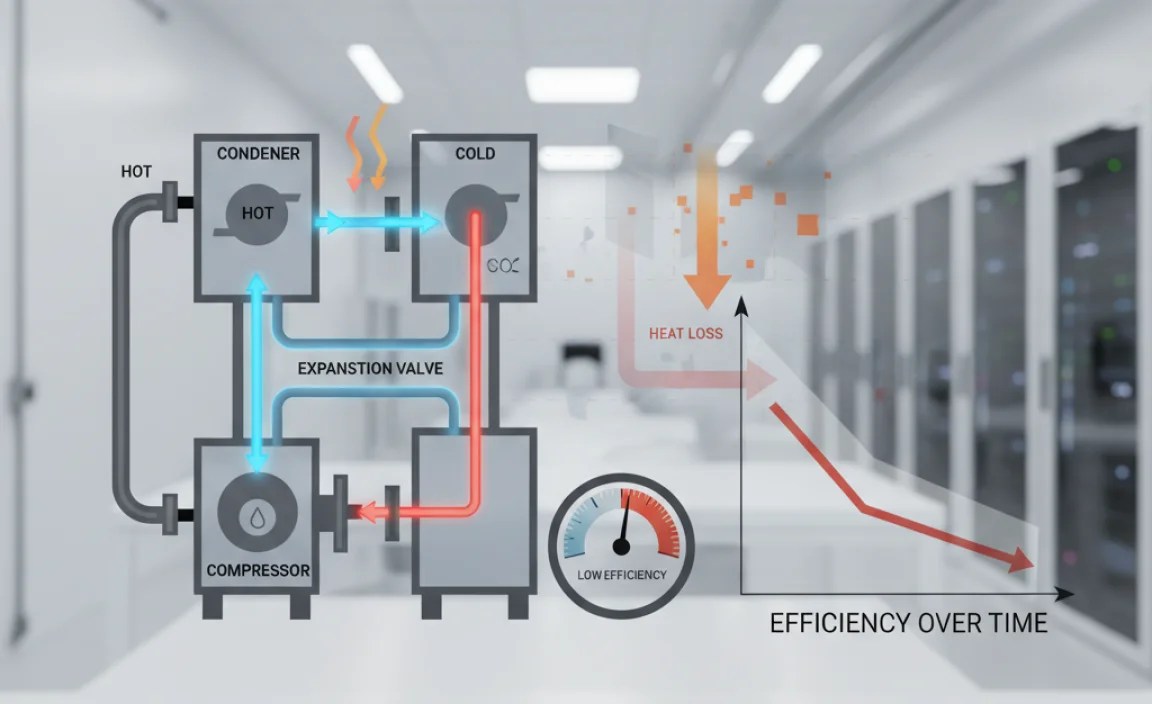
Before we dive into the reasons for efficiency loss, let’s quickly recap how heat pumps work and what makes them so efficient.
How Heat Pumps Work
Heat pumps don’t generate heat; instead, they transfer it. In winter, they extract heat from the outside air (yes, even cold air contains some heat) and pump it inside. In summer, they reverse the process, removing heat from your home and expelling it outside. Think of it like a refrigerator working in reverse.
Key Components
A heat pump system consists of two main units:
- Outdoor Unit (Condenser): This unit absorbs or releases heat from the outside air.
- Indoor Unit (Air Handler): This unit circulates air through your home, distributing the heated or cooled air.
Efficiency Metrics: HSPF and SEER
Heat pump efficiency is measured using two key metrics:
- Heating Seasonal Performance Factor (HSPF): Measures heating efficiency during the winter. A higher HSPF rating means better heating efficiency.
- Seasonal Energy Efficiency Ratio (SEER): Measures cooling efficiency during the summer. A higher SEER rating indicates better cooling efficiency.
Top Reasons for Efficiency Loss in Heat Pump Cycles

Several factors contribute to a decline in heat pump efficiency. Let’s explore the most common culprits.
1. Low Refrigerant Charge
Refrigerant is the lifeblood of a heat pump. It’s the substance that absorbs and releases heat as it circulates through the system. A leak in the refrigerant line can lead to a low refrigerant charge, significantly reducing efficiency.
How it Affects Efficiency
When the refrigerant level is low, the heat pump struggles to transfer heat effectively. This means it has to work harder and longer to achieve the desired temperature, consuming more energy in the process.
Symptoms of Low Refrigerant
- Reduced heating or cooling capacity
- Ice buildup on the outdoor unit
- Hissing or bubbling sounds from the unit
- Higher energy bills
2. Dirty Coils
The outdoor and indoor units have coils that facilitate heat transfer. Dirty coils impede this process, forcing the heat pump to work harder.
Outdoor Coil
The outdoor coil can become covered in dirt, leaves, pollen, and other debris. This layer of grime acts as an insulator, preventing the coil from efficiently absorbing or releasing heat.
Indoor Coil
The indoor coil can accumulate dust and pet dander, especially if the air filter isn’t changed regularly. A dirty indoor coil restricts airflow and reduces heat exchange.
Impact on Performance
Dirty coils reduce the heat pump’s ability to transfer heat, leading to:
- Lower heating and cooling output
- Increased energy consumption
- Overheating of the compressor
3. Airflow Obstructions
Restricted airflow can severely impact a heat pump’s efficiency. Blocked vents, dirty air filters, and closed-off rooms can all contribute to this problem.
Dirty Air Filters
A clogged air filter restricts airflow to the indoor coil, reducing heat exchange and causing the unit to work harder.
Blocked Vents
Furniture or curtains blocking vents can prevent proper air circulation, creating hot or cold spots in your home and reducing overall efficiency.
Closed Rooms
Closing vents in unused rooms might seem like a good way to save energy, but it can actually unbalance the system and reduce efficiency. The heat pump is designed to circulate air throughout the entire house, and restricting airflow in certain areas can disrupt this balance.
4. Extremely Cold Weather
Heat pumps are most efficient in moderate climates. In extremely cold weather, their efficiency can drop significantly.
Why Cold Weather Matters
Heat pumps extract heat from the outside air. When the temperature drops below freezing, there’s less heat available to extract. This forces the heat pump to work harder and longer to maintain the desired indoor temperature.
Defrost Cycle
In cold weather, the outdoor coil can accumulate ice. The heat pump will then enter a defrost cycle to melt the ice. During this cycle, the heat pump temporarily switches to cooling mode, which can cause a brief drop in indoor temperature and a decrease in efficiency.
5. Improper Sizing
An improperly sized heat pump can lead to significant efficiency losses. If the unit is too small, it will struggle to heat or cool your home adequately. If it’s too large, it will cycle on and off frequently, wasting energy.
Undersized Heat Pump
An undersized heat pump will run continuously in an attempt to reach the thermostat setting. This can lead to:
- High energy bills
- Uneven heating and cooling
- Premature wear and tear on the unit
Oversized Heat Pump
An oversized heat pump will cool or heat the house too quickly, then shut off. This short cycling can lead to:
- Temperature fluctuations
- Increased humidity
- Higher energy consumption
- Reduced lifespan of the unit
6. Ductwork Leaks
Leaky ductwork can waste a significant amount of energy. Conditioned air escapes through cracks and holes in the ducts, reducing the efficiency of the heat pump.
Impact of Duct Leaks
According to the U.S. Department of Energy, duct leaks can account for up to 30% of energy loss in a home. This means you’re paying to heat or cool air that never reaches its intended destination.
Signs of Duct Leaks
- High energy bills
- Uneven heating and cooling
- Dusty rooms
- Drafts
7. Lack of Maintenance
Like any mechanical system, a heat pump requires regular maintenance to operate efficiently. Neglecting maintenance can lead to a variety of problems that reduce performance and shorten the lifespan of the unit.
Importance of Regular Maintenance
Regular maintenance includes:
- Cleaning the coils
- Changing the air filter
- Inspecting the refrigerant lines
- Checking the electrical connections
- Lubricating moving parts
Consequences of Neglect
Failing to maintain your heat pump can result in:
- Reduced efficiency
- Increased energy bills
- More frequent repairs
- Shorter lifespan of the unit
Troubleshooting and Maintenance Tips
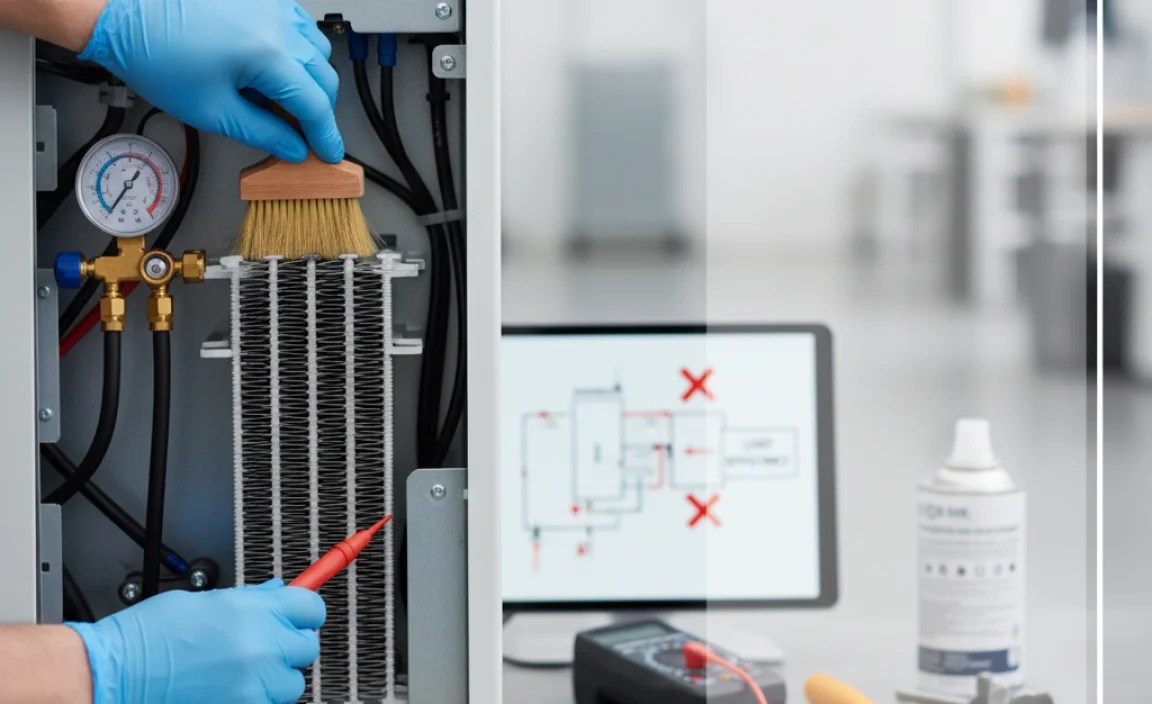
Now that you know the common causes of efficiency loss, let’s look at some troubleshooting and maintenance tips to keep your heat pump running smoothly.
1. Regular Cleaning
Keep your heat pump clean by regularly cleaning the coils and changing the air filter.
Cleaning the Outdoor Coil
- Turn off the power to the unit.
- Remove any debris, such as leaves and twigs.
- Use a fin comb to straighten any bent fins.
- Rinse the coil with a gentle stream of water from a garden hose.
Cleaning the Indoor Coil
Cleaning the indoor coil is more complex and may require professional assistance. However, you can inspect the coil and vacuum away any visible dust.
Changing the Air Filter
Replace the air filter every 1-3 months, depending on usage and air quality. A clean air filter improves airflow and protects the indoor coil from dust and debris.
2. Check for Airflow Obstructions
Ensure that vents are open and unobstructed. Arrange furniture so it doesn’t block airflow. Don’t close off vents in unused rooms.
3. Seal Ductwork Leaks
Inspect your ductwork for leaks. Seal any cracks or holes with duct tape or mastic sealant. For larger leaks, consider hiring a professional to repair or replace the ductwork.
4. Monitor Refrigerant Levels
If you suspect a refrigerant leak, contact a qualified HVAC technician to inspect and recharge the system. Do not attempt to handle refrigerant yourself, as it is a hazardous substance.
5. Consider Supplemental Heating
In extremely cold weather, consider using supplemental heating, such as a space heater or fireplace, to reduce the strain on your heat pump.
6. Schedule Professional Maintenance
Schedule annual maintenance with a qualified HVAC technician. They can perform a thorough inspection, clean the coils, check the refrigerant levels, and identify any potential problems before they become major issues.
Heat Pump Efficiency Troubleshooting Table
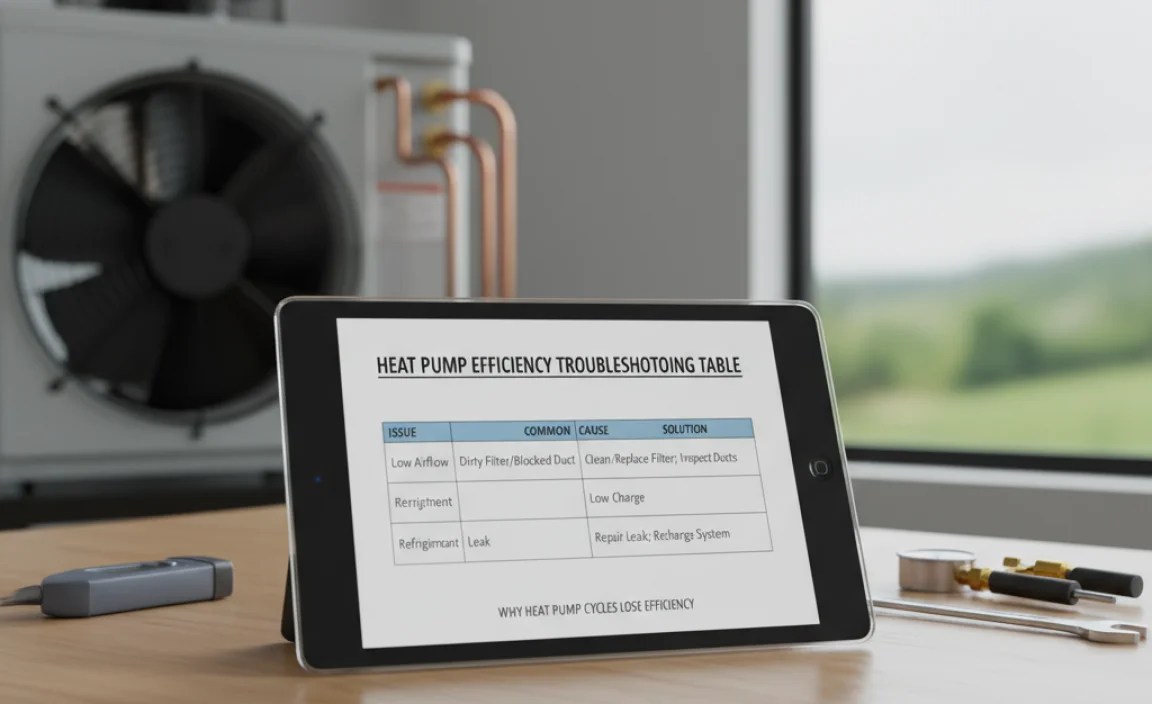
Here’s a quick reference table to help you diagnose and address common heat pump efficiency issues:
| Problem | Possible Cause | Solution |
|---|---|---|
| Reduced Heating/Cooling | Low Refrigerant | Contact a qualified HVAC technician to inspect and recharge the system. |
| Inefficient Operation | Dirty Coils | Clean the outdoor coil. Consider professional cleaning for the indoor coil. |
| Poor Airflow | Dirty Air Filter | Replace the air filter every 1-3 months. |
| High Energy Bills | Ductwork Leaks | Seal ductwork leaks with duct tape or mastic sealant. |
| Icing on Outdoor Unit | Cold Weather | Ensure proper defrost cycle. Consider supplemental heating. |
Choosing the Right Heat Pump Size

Selecting the right size heat pump is crucial for optimal efficiency and performance. Here’s how to ensure your heat pump is properly sized.
1. Consider Your Climate
Heat pumps perform best in moderate climates. If you live in an area with extremely cold winters, you may need a supplemental heating system or a cold-climate heat pump.
2. Evaluate Your Home’s Size and Insulation
A larger home requires a larger heat pump. Proper insulation can reduce the heating and cooling load, allowing you to choose a smaller unit.
3. Consult with a Professional
The best way to determine the right size heat pump for your home is to consult with a qualified HVAC technician. They can perform a load calculation to determine the appropriate heating and cooling capacity.
Long-Term Strategies for Maintaining Heat Pump Efficiency
Beyond regular maintenance, several long-term strategies can help you maintain your heat pump’s efficiency over its lifespan.
1. Smart Thermostat
A smart thermostat can help you optimize your heating and cooling schedule, reducing energy consumption and improving efficiency. Smart thermostats learn your preferences and automatically adjust the temperature based on your schedule and occupancy.
2. Home Insulation
Proper insulation can significantly reduce your home’s heating and cooling load, allowing your heat pump to operate more efficiently. Insulate your walls, attic, and floors to minimize heat loss in winter and heat gain in summer.
3. Energy-Efficient Windows
Energy-efficient windows can also help reduce your home’s heating and cooling load. Look for windows with a low U-factor (which measures heat transfer) and a high Solar Heat Gain Coefficient (SHGC) for optimal performance.
4. Regular System Inspections
Schedule regular system inspections with a qualified HVAC technician. They can identify potential problems early and perform preventative maintenance to keep your heat pump running efficiently.
Heat Pump Maintenance Checklist
To keep your heat pump running efficiently, follow this maintenance checklist:
- Monthly: Check and replace the air filter.
- Quarterly: Inspect the outdoor unit for debris and clean as needed.
- Annually: Schedule professional maintenance with a qualified HVAC technician.
- As Needed: Seal ductwork leaks, address airflow obstructions, and monitor refrigerant levels.
FAQ About Heat Pump Efficiency
Here are some frequently asked questions about heat pump efficiency.
Q1: How often should I change my heat pump’s air filter?
A: Change your air filter every 1-3 months, depending on usage and air quality. A dirty filter restricts airflow and reduces efficiency.
Q2: Can I clean the outdoor coil myself?
A: Yes, you can clean the outdoor coil by removing debris and rinsing it with a gentle stream of water. Be sure to turn off the power to the unit first.
Q3: What are the signs of a refrigerant leak?
A: Signs of a refrigerant leak include reduced heating or cooling capacity, ice buildup on the outdoor unit, hissing or bubbling sounds, and higher energy bills.
Q4: Is it normal for my heat pump to run constantly in cold weather?
A: It’s normal for a heat pump to run more frequently in cold weather. However, if it’s running constantly and not maintaining the desired temperature, there may be an issue with the unit.
Q5: How do I know if my heat pump is the right size for my home?
A: The best way to determine if your heat pump is the right size is to consult with a qualified HVAC technician. They can perform a load calculation to determine the appropriate heating and cooling capacity.
Q6: Can closing vents in unused rooms save energy?
A: Closing vents in unused rooms can unbalance the system and reduce efficiency. It’s better to keep vents open and maintain consistent airflow throughout the house.
Q7: What is HSPF and SEER?
A: HSPF (Heating Seasonal Performance Factor) measures heating efficiency, while SEER (Seasonal Energy Efficiency Ratio) measures cooling efficiency. Higher ratings indicate better efficiency.
Conclusion
Understanding the factors that affect heat pump efficiency is crucial for maintaining a comfortable and energy-efficient home. By addressing issues like low refrigerant, dirty coils, airflow obstructions, and improper sizing, you can keep your heat pump running smoothly for years to come. Remember to perform regular maintenance, schedule professional inspections, and consider long-term strategies like smart thermostats and home insulation. With a little care and attention, you can maximize the efficiency of your heat pump and enjoy significant energy savings.
“`


