
Where Does Water Go During a Heat Pump Defrost Cycle?

Quick Summary: During the defrost cycle, the heat pump melts ice buildup on the outdoor unit. The resulting water typically flows down the unit and drains away through a built-in drainage system. This system usually includes a drain pan and a connected drain line that directs water away from the unit’s base to prevent ice accumulation and potential damage.
Is your heat pump turning into a mini-iceberg in the winter? Don’t worry; it’s a common issue! Heat pumps need to defrost to keep running efficiently. But where does all that melted ice go? It’s a question many homeowners ask. Understanding this process will help you ensure your system runs smoothly and prevent any water damage around your unit. Let’s dive into exactly where the water goes and what you can do to keep things flowing freely.
Why Heat Pumps Need Defrosting

Heat pumps are designed to extract heat from the outside air, even when it’s cold. When the outdoor temperature drops below freezing, moisture in the air can freeze on the outdoor coil. This ice buildup reduces the heat pump’s efficiency, making it harder to heat your home. That’s where the defrost cycle comes in.
The Defrost Cycle Explained
The defrost cycle temporarily reverses the heat pump’s operation. Instead of extracting heat from the outside, it briefly sends warm refrigerant through the outdoor coil. This melts the ice quickly. The cycle usually lasts only a few minutes, and you might notice steam rising from the unit as the ice melts. This is perfectly normal.
The Journey of the Defrosted Water

So, where does all that melted ice go? Here’s a breakdown of the typical path:
- Melting Ice: The defrost cycle warms the outdoor coil, causing the ice to melt.
- Drain Pan Collection: The water drips down into a drain pan located at the bottom of the outdoor unit. This pan is designed to catch the water and prevent it from pooling around the base of the unit.
- Drain Line Evacuation: The drain pan is connected to a drain line, usually a PVC pipe, that directs the water away from the heat pump. This line might run into a nearby drain, a designated runoff area, or even into your home’s drainage system.
- Ground Absorption: In many cases, the drain line simply empties onto the ground. The water then soaks into the soil.
Common Drainage Systems
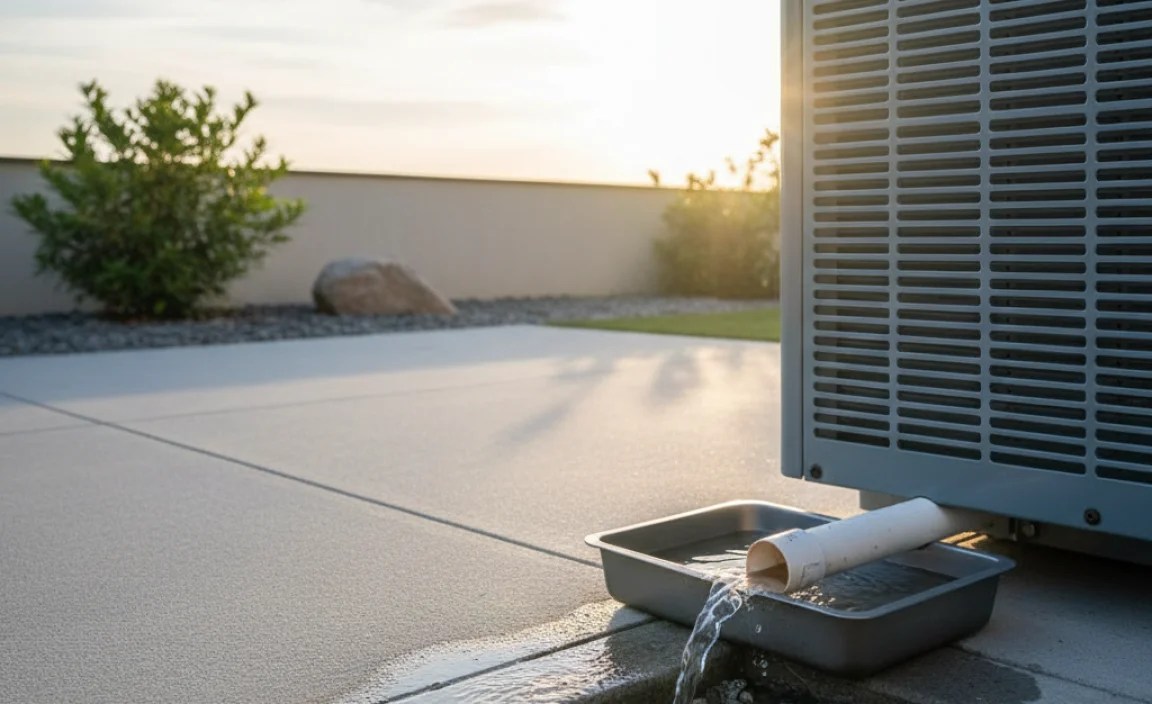
Different homes have different setups for handling the water from the defrost cycle. Here are a few common systems:
- Simple Ground Drainage: The most basic system involves the drain line simply extending away from the unit and releasing the water onto the ground.
- Connection to Gutter System: Some homeowners connect the drain line to their home’s gutter system, allowing the water to flow away with rainwater.
- Drainage to French Drain: A French drain, a trench filled with gravel and containing a perforated pipe, can be used to disperse the water over a wider area underground.
- Connection to Sewer Line: In some cases, the drain line might be connected directly to the home’s sewer line, but this is less common due to potential code restrictions and the risk of sewer gases entering the system.
Potential Problems and Solutions
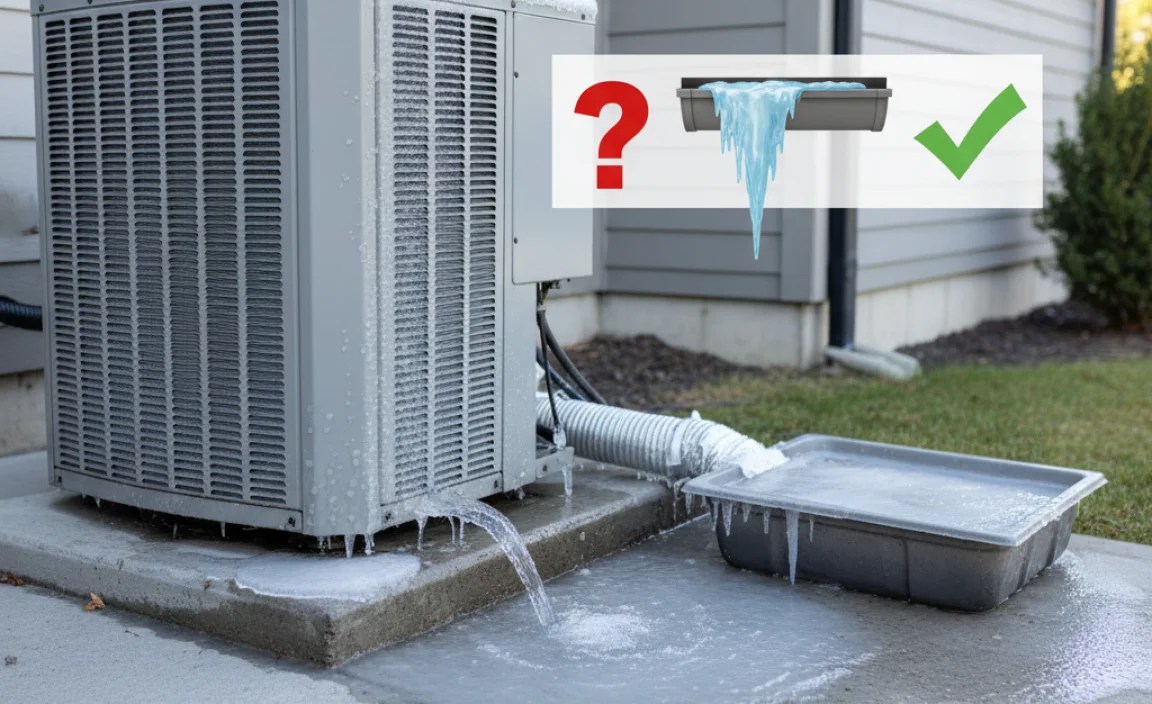
Sometimes, the drainage system can run into issues. Here are a few common problems and how to fix them:
Frozen Drain Line
One of the most common issues is a frozen drain line. If the drain line freezes, the water can’t escape, and ice will build up around the heat pump. This can damage the unit and reduce its efficiency.
Solutions:
- Pour Warm Water: Carefully pour warm (not boiling) water over the frozen section of the drain line to melt the ice.
- Use a Heat Gun: A heat gun can be used to gently warm the drain line. Keep the heat gun moving and avoid overheating any one spot.
- Insulate the Drain Line: Wrap the drain line with insulation to prevent it from freezing in the first place. Foam pipe insulation works well.
- Heat Tape: Install heat tape along the drain line to keep it warm. Follow the manufacturer’s instructions carefully.
Clogged Drain Line
Debris like leaves, dirt, and algae can clog the drain line, preventing water from flowing freely.
Solutions:
- Flush with Water: Use a garden hose to flush out the drain line. Disconnect the line from the heat pump and direct the water through it to clear any blockages.
- Use a Wet/Dry Vacuum: A wet/dry vacuum can be used to suck out any debris from the drain line.
- Vinegar Flush: Pour a cup of white vinegar down the drain line to dissolve mineral buildup and kill algae. Let it sit for 30 minutes, then flush with water.
Ice Buildup Around the Unit
If the water isn’t draining properly, ice can build up around the base of the heat pump, potentially damaging the unit and surrounding structures.
Solutions:
- Clear Away Ice: Manually remove any ice buildup around the unit. Be careful not to damage the heat pump.
- Improve Drainage: Ensure the drain line is properly sloped and that the area around the unit is graded to allow water to flow away.
- Elevate the Unit: Consider raising the heat pump on a platform to prevent it from sitting in standing water.
Maintaining Your Heat Pump’s Drainage System
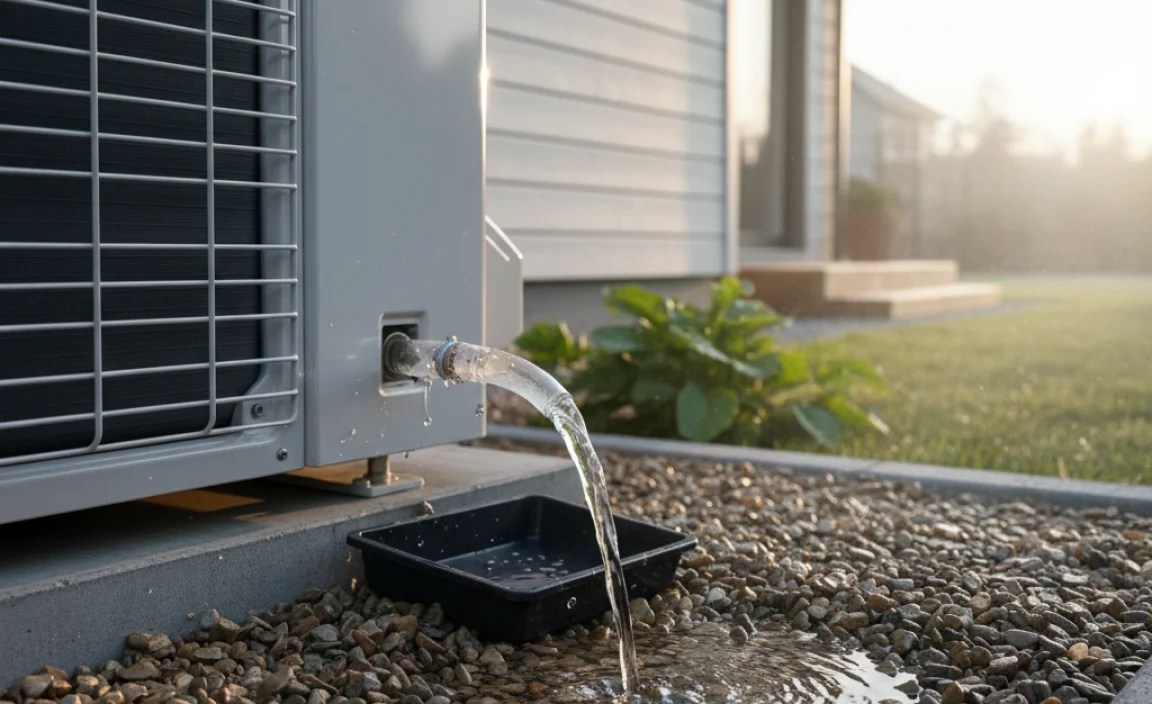
Regular maintenance can prevent many of these problems. Here’s a checklist:
- Inspect Regularly: Check the drain pan and drain line regularly for any signs of blockage or damage.
- Clean the Drain Pan: Periodically clean the drain pan to remove any debris or algae.
- Flush the Drain Line: Flush the drain line with water or vinegar a few times a year to prevent clogs.
- Trim Vegetation: Keep vegetation around the heat pump trimmed to prevent leaves and debris from falling into the unit.
- Professional Inspection: Have your heat pump professionally inspected and serviced annually to ensure it’s in good working order.
DIY vs. Professional Help
Many drainage issues can be resolved with simple DIY solutions. However, if you’re uncomfortable working with your heat pump or if the problem persists, it’s best to call a qualified HVAC technician. They can diagnose the issue and perform any necessary repairs.
Table: Troubleshooting Heat Pump Drainage Issues
| Problem | Possible Cause | DIY Solution | Professional Solution |
|---|---|---|---|
| Frozen Drain Line | Cold temperatures | Pour warm water, use a heat gun (carefully) | Install heat tape, insulate the drain line |
| Clogged Drain Line | Debris, algae | Flush with water, use a wet/dry vacuum, vinegar flush | Professionally clean the drain line, check for damage |
| Ice Buildup Around Unit | Poor drainage | Clear away ice, improve drainage slope | Elevate the unit, install a French drain |
| Water Leaking Indoors | Drain line disconnected or damaged | Check connections, replace damaged sections | Repair or replace the entire drainage system |
| Unusual Noises | Ice buildup, restricted airflow | Inspect for ice, clear debris | Check refrigerant levels, inspect the compressor |
Choosing the Right Tools
Having the right tools on hand can make maintaining your heat pump’s drainage system much easier. Here are a few essentials:
- Garden Hose: For flushing out the drain line.
- Wet/Dry Vacuum: For removing debris from the drain line.
- Heat Gun: For thawing frozen drain lines (use with caution).
- Foam Pipe Insulation: For insulating the drain line.
- Screwdrivers: For removing panels and accessing the drain line.
- Gloves: To protect your hands.
- Safety Glasses: To protect your eyes.
The Importance of Regular Maintenance
Keeping your heat pump’s drainage system in good condition is crucial for its efficiency and longevity. Neglecting maintenance can lead to:
- Reduced Efficiency: Ice buildup reduces the heat pump’s ability to extract heat, increasing energy consumption.
- Equipment Damage: Ice can damage the coils, fan, and other components of the heat pump.
- Water Damage: Improper drainage can lead to water damage around the unit and even inside your home.
- Higher Energy Bills: A struggling heat pump uses more energy, resulting in higher utility bills.
- Premature Failure: Lack of maintenance can shorten the lifespan of your heat pump, requiring costly replacement.
Table: Benefits of Regular Heat Pump Maintenance
| Benefit | Description |
|---|---|
| Increased Efficiency | A well-maintained heat pump operates at peak efficiency, reducing energy consumption. |
| Extended Lifespan | Regular maintenance prevents wear and tear, extending the life of your heat pump. |
| Lower Energy Bills | An efficient heat pump uses less energy, resulting in lower utility bills. |
| Prevention of Costly Repairs | Regular inspections can identify and address minor issues before they become major problems. |
| Improved Air Quality | Cleaning and maintaining the heat pump can improve indoor air quality. |
| Consistent Comfort | A properly functioning heat pump provides consistent and reliable heating and cooling. |
Tips for Preventing Ice Buildup
Here are a few extra tips to help prevent ice buildup on your heat pump:
- Keep the Area Clear: Remove any snow, leaves, or other debris from around the heat pump.
- Ensure Proper Airflow: Make sure the heat pump has adequate airflow. Don’t block it with shrubs or other obstructions.
- Monitor Performance: Pay attention to how your heat pump is performing. If you notice any unusual noises or reduced heating capacity, investigate the issue.
- Consider a Heat Pump Cover: While opinions vary, some homeowners use a heat pump cover to protect the unit from snow and ice. Make sure the cover allows for adequate airflow.
Understanding Heat Pump Icing: Debunking Myths
There are several misconceptions about heat pump icing. Let’s clarify some of them:
- Myth: Ice on a heat pump always means there’s a problem.
Fact: A small amount of ice buildup is normal during cold weather. The defrost cycle is designed to handle it. - Myth: You should manually remove all ice from your heat pump.
Fact: Manually removing ice can damage the unit. Let the defrost cycle do its job. - Myth: Heat pumps don’t work well in cold climates.
Fact: Modern heat pumps are designed to operate efficiently in cold climates. However, their efficiency does decrease as temperatures drop. - Myth: All heat pumps are the same.
Fact: Heat pumps vary in efficiency, features, and cold-weather performance. Look for models designed for your specific climate.
When to Call a Professional
While many heat pump issues can be resolved with DIY solutions, there are times when it’s best to call a professional. Here are a few scenarios:
- Persistent Ice Buildup: If your heat pump is constantly icing up, even after you’ve tried the DIY solutions, there may be an underlying problem.
- Unusual Noises: Loud banging, grinding, or hissing noises can indicate a serious issue.
- Reduced Heating Capacity: If your heat pump isn’t heating your home effectively, there may be a problem with the compressor, refrigerant, or other components.
- Electrical Issues: If you suspect an electrical problem, such as a tripped breaker or a burning smell, call a professional immediately.
- Refrigerant Leaks: Refrigerant leaks can be harmful to the environment and can reduce the efficiency of your heat pump. A professional can detect and repair leaks.
FAQ: Heat Pump Defrost Cycle
1. How often should my heat pump defrost?
The defrost cycle frequency depends on the humidity and temperature. It can range from every 30 minutes to every few hours.
2. Is it normal to see steam during the defrost cycle?
Yes, steam is normal. It’s just the melted ice evaporating as the coil warms up.
3. Can I use salt to melt the ice around my heat pump?
No, avoid using salt. It can corrode the metal components of the heat pump.
4. What should I do if my heat pump is constantly running?
Check the air filter, ensure vents are open, and consider having a professional inspect the system.
5. How can I improve the efficiency of my heat pump in winter?
Keep the area around the unit clear, ensure proper airflow, and schedule regular maintenance.
6. Does the defrost cycle use a lot of energy?
The defrost cycle does use energy, but it’s necessary to maintain the heat pump’s efficiency. Modern heat pumps are designed to minimize energy consumption during defrost.
7. What is auxiliary heat, and when does it turn on?
Auxiliary heat is a backup heating system that kicks in when the heat pump can’t keep up, usually during very cold weather or during the defrost cycle. It uses more energy than the heat pump itself.
Conclusion
Understanding where the water goes during a heat pump’s defrost cycle is crucial for maintaining your system’s efficiency and preventing potential problems. By knowing the typical drainage paths, recognizing common issues like frozen or clogged drain lines, and performing regular maintenance, you can keep your heat pump running smoothly for years to come. Remember, when in doubt, don’t hesitate to call a qualified HVAC technician for professional assistance. A well-maintained heat pump not only keeps your home comfortable but also saves you money on energy bills and extends the life of your equipment.
“`


