
How Long Should a Heat Pump Run Per Cycle? A Simple Guide

Quick Summary: A heat pump cycle typically runs for 15 to 30 minutes, but it can vary. Several factors influence this, including the outside temperature, your home’s insulation, and the heat pump’s efficiency. If your heat pump is running constantly, it may indicate a problem that needs attention. Understanding these factors will help you ensure your heat pump is working efficiently and saving you money.
Is your heat pump running longer than you think it should? It’s a common concern! Many homeowners scratch their heads wondering if their heat pump is working correctly. A heat pump that cycles too often can drive up energy bills, while one that barely runs might not keep you comfortable. The good news is that understanding how heat pumps work and what affects their cycle times can give you peace of mind and help you troubleshoot potential issues. We’ll walk you through the typical cycle times, what influences them, and when it’s time to call a pro. Let’s dive in!
Understanding Heat Pump Cycles
A heat pump doesn’t just blast hot or cold air; it maintains a consistent temperature by cycling on and off. Let’s break down what a “cycle” means and why it matters.
What is a Heat Pump Cycle?
A heat pump cycle refers to the period when the unit turns on, heats or cools your home, and then turns off. This on-and-off process is how heat pumps maintain the desired temperature efficiently. The length of each cycle and the frequency of cycles can tell you a lot about your system’s performance.
Why Cycle Length Matters
The duration of a heat pump cycle is crucial for several reasons:
- Efficiency: Short cycles can waste energy as the unit starts up more frequently, using extra power each time.
- Comfort: Consistent, longer cycles usually provide more even heating or cooling.
- Lifespan: Frequent short cycling can put extra wear and tear on the heat pump components, potentially shortening its lifespan.
Typical Heat Pump Cycle Length
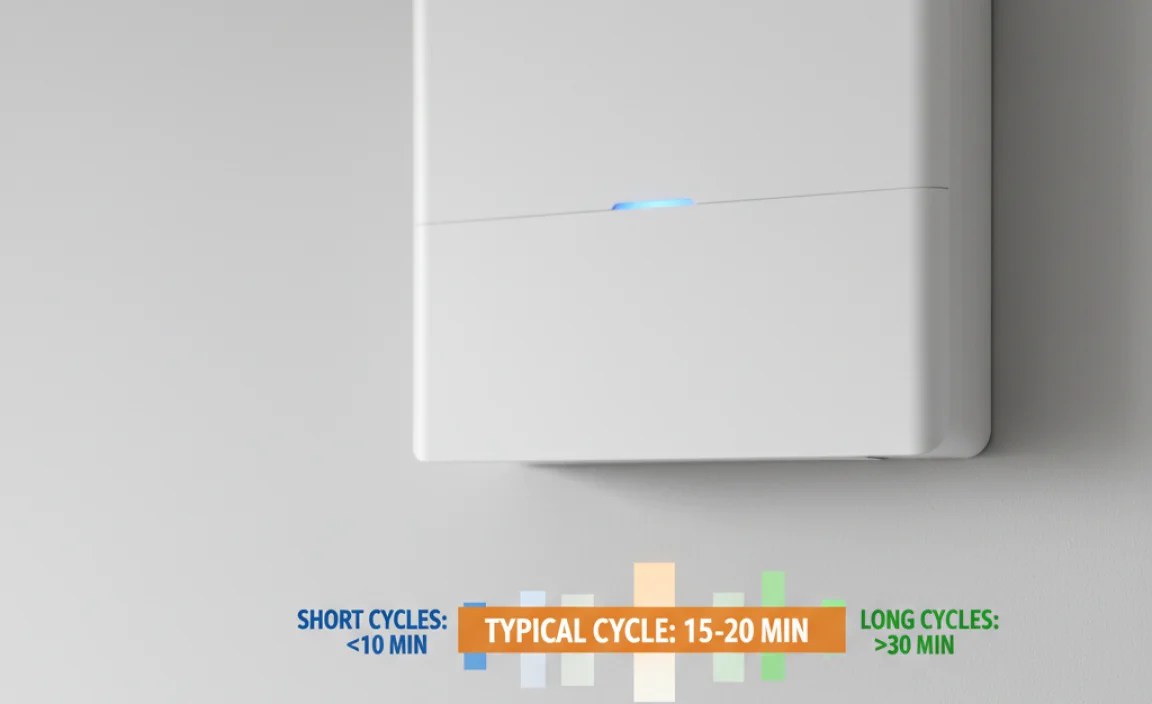
So, how long should a heat pump run per cycle under normal conditions? Here’s a general guideline:
Under typical conditions, a heat pump cycle lasts between 15 to 30 minutes. This duration allows the unit to efficiently transfer heat and maintain a consistent temperature without overworking the system.
However, several factors can cause the cycle length to vary. Let’s explore these in more detail.
Factors Affecting Heat Pump Cycle Length
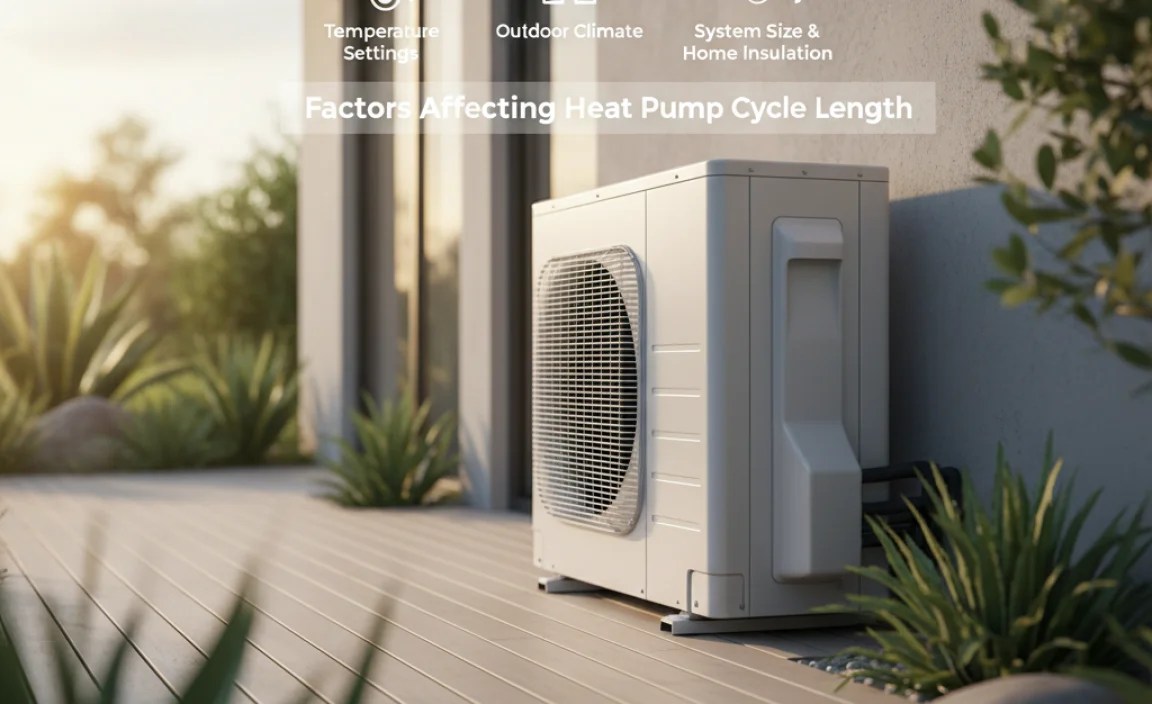
Several factors can influence how long your heat pump runs per cycle. Understanding these can help you troubleshoot issues and optimize your system’s performance.
1. Outside Temperature
The outdoor temperature has a significant impact on heat pump cycle length. In milder weather, the heat pump may run shorter cycles because it doesn’t need to work as hard to maintain the indoor temperature. However, during extreme cold or heat, the heat pump will run longer cycles, or even continuously, to keep up with the demand.
2. Insulation Quality
Good insulation helps maintain a consistent indoor temperature, reducing the workload on your heat pump. Homes with poor insulation will experience more heat loss in winter and heat gain in summer, causing the heat pump to run longer cycles to compensate. Consider upgrading your insulation to improve efficiency; the U.S. Department of Energy offers resources on insulation types and best practices (Energy Saver: Insulation).
3. Heat Pump Efficiency (SEER and HSPF Ratings)
The efficiency of your heat pump, indicated by its Seasonal Energy Efficiency Ratio (SEER) for cooling and Heating Seasonal Performance Factor (HSPF) for heating, affects how long it needs to run. Higher SEER and HSPF ratings mean the unit can transfer heat more efficiently, potentially resulting in shorter cycle times. For example, a heat pump with a high HSPF rating can deliver more heat per unit of energy consumed, reducing the duration of each heating cycle.
4. Thermostat Settings
Your thermostat settings play a crucial role in heat pump operation. Setting the thermostat to a comfortable, consistent temperature will allow the heat pump to cycle efficiently. Constantly adjusting the thermostat or setting it to extreme temperatures can cause the heat pump to run longer cycles or even continuously as it struggles to reach the desired temperature.
5. Size of the Heat Pump
The size of your heat pump should be appropriate for the size of your home. An undersized unit will run continuously trying to heat or cool the space, while an oversized unit may short cycle, turning on and off too frequently. Consult with a professional HVAC technician to ensure your heat pump is properly sized for your home’s square footage and insulation levels.
6. Airflow Issues
Restricted airflow can cause your heat pump to work harder and run longer cycles. Ensure that air filters are clean, vents are unobstructed, and ductwork is in good condition. Dirty air filters are a common culprit for airflow problems; replace them regularly to maintain optimal performance.
Here’s a table summarizing the impact of these factors:
| Factor | Impact on Cycle Length |
|---|---|
| Outside Temperature | Extreme temperatures lead to longer cycles |
| Insulation Quality | Poor insulation results in longer cycles |
| Heat Pump Efficiency (SEER/HSPF) | Higher efficiency can lead to shorter cycles |
| Thermostat Settings | Inconsistent settings cause longer cycles |
| Heat Pump Size | Incorrect size leads to continuous or short cycling |
| Airflow Issues | Restricted airflow results in longer cycles |
Signs of a Problem: When is Continuous Running a Concern?

While longer cycles are normal under certain conditions, continuous running can indicate a problem. Here’s when you should be concerned:
Heat Pump Runs Constantly
If your heat pump is running non-stop, it’s often a sign of an underlying issue. This could be due to extreme weather, but if it persists even in moderate temperatures, investigate further. Continuous operation puts significant strain on the unit and can lead to premature failure.
Short Cycling
Short cycling is when the heat pump turns on and off frequently in short bursts. This can be caused by an oversized unit, airflow problems, or a faulty thermostat. Short cycling reduces efficiency and can damage the compressor.
Uneven Heating or Cooling
If some rooms are too hot or too cold while others are comfortable, it could indicate airflow issues, ductwork problems, or an improperly sized heat pump. Uneven temperatures can also be a sign of a malfunctioning component, such as a failing zone damper.
Troubleshooting Common Issues
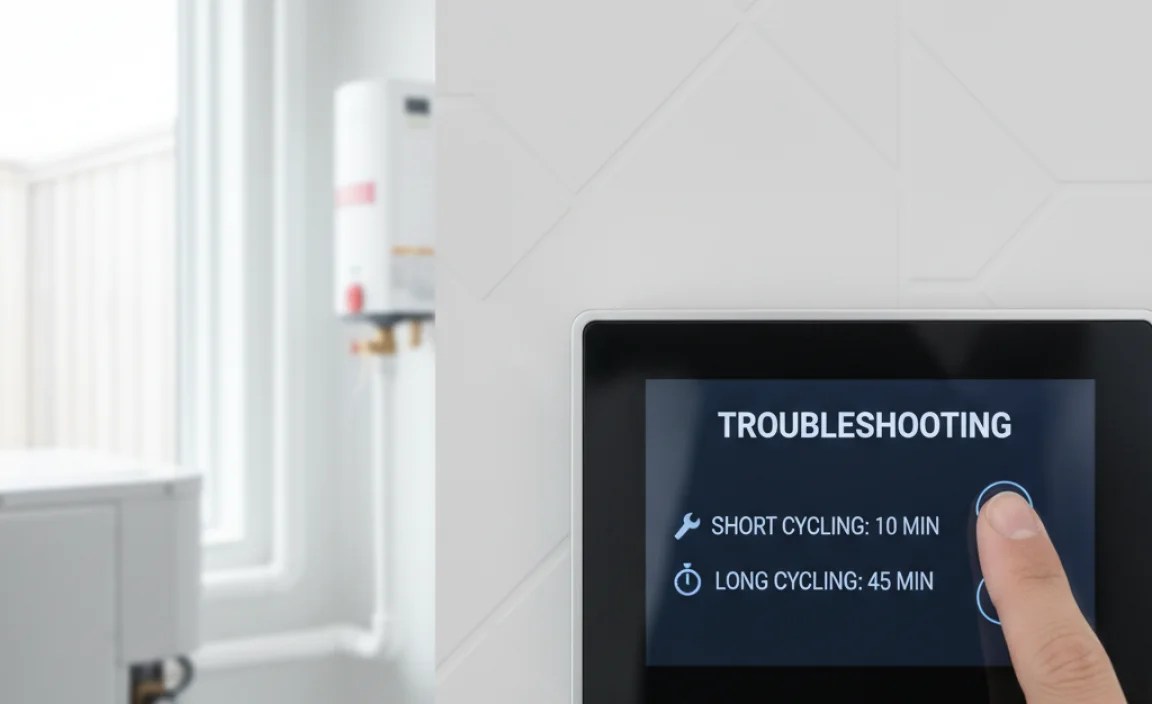
Before calling a professional, there are several steps you can take to troubleshoot potential problems:
- Check the Thermostat: Ensure the thermostat is set correctly and the batteries are fresh. Sometimes, a simple setting error can cause the heat pump to malfunction.
- Inspect Air Filters: Dirty air filters restrict airflow and cause the unit to work harder. Replace the filter if it’s dirty.
- Clear Vents and Registers: Make sure vents and registers are not blocked by furniture or other obstructions.
- Check for Leaks: Inspect the area around the heat pump for any signs of leaks, such as water or refrigerant.
- Monitor Performance: Keep track of how often the heat pump cycles and whether the temperature is consistent throughout your home.
When to Call a Professional
While some issues can be resolved with simple troubleshooting, others require professional attention. Call an HVAC technician if you notice any of the following:
- Refrigerant Leaks: Refrigerant leaks can reduce the heat pump’s efficiency and pose environmental hazards.
- Strange Noises: Unusual noises, such as banging, hissing, or grinding, can indicate mechanical problems.
- Electrical Issues: Flickering lights, burning smells, or other electrical problems should be addressed immediately.
- Consistent Short Cycling: If the heat pump continues to short cycle after troubleshooting, it may need professional diagnosis and repair.
Tips for Optimizing Heat Pump Performance
To ensure your heat pump runs efficiently and maintains a comfortable temperature, consider these tips:
- Regular Maintenance: Schedule regular maintenance with a qualified HVAC technician to inspect and clean the unit.
- Smart Thermostat: Install a smart thermostat to optimize energy usage and maintain consistent temperatures. Smart thermostats can learn your preferences and adjust settings automatically.
- Seal Air Leaks: Seal any air leaks around windows, doors, and other openings to prevent heat loss.
- Upgrade Insulation: Improve insulation in your attic, walls, and floors to reduce the workload on your heat pump.
- Clear Outdoor Unit: Keep the area around the outdoor unit clear of debris, snow, and vegetation to ensure proper airflow.
Understanding Auxiliary Heat
Many heat pumps come with an auxiliary heat setting, often electric resistance heat, that kicks in when the outdoor temperature drops significantly. This auxiliary heat helps the heat pump maintain the set temperature, but it’s less efficient than the heat pump itself. Here’s what you need to know:
How Auxiliary Heat Works
Auxiliary heat provides supplemental heating when the heat pump can’t keep up with the demand. It’s typically used during very cold weather or when the thermostat is set to a significantly higher temperature than the current room temperature.
When Auxiliary Heat Should Engage
Auxiliary heat should only engage when necessary, such as during extreme cold or when quickly raising the room temperature. If your auxiliary heat is running frequently even in moderate temperatures, it could indicate a problem with the heat pump or the thermostat settings.
Managing Auxiliary Heat
To manage auxiliary heat effectively:
- Set Thermostat Wisely: Avoid setting the thermostat to extreme temperatures, which can trigger the auxiliary heat unnecessarily.
- Monitor Performance: Pay attention to how often the auxiliary heat is running and investigate if it seems excessive.
- Professional Assessment: If you’re concerned about the auxiliary heat usage, consult with an HVAC technician to ensure the heat pump is functioning correctly.
Heat Pump Maintenance Checklist
Regular maintenance is key to ensuring your heat pump operates efficiently and reliably. Here’s a checklist to help you keep your system in top condition:
- Monthly Filter Check: Inspect the air filter monthly and replace it every 1-3 months, depending on usage and air quality.
- Seasonal Cleaning: Clean the outdoor unit in the spring and fall, removing any debris, leaves, or vegetation.
- Coil Cleaning: Clean the indoor and outdoor coils annually to remove dirt and dust buildup.
- Inspect Ductwork: Check the ductwork for leaks, cracks, or damage and seal any issues promptly.
- Professional Inspection: Schedule a professional inspection and tune-up annually to ensure all components are functioning correctly.
Here’s a table summarizing the maintenance schedule:
| Task | Frequency |
|---|---|
| Air Filter Check | Monthly |
| Air Filter Replacement | Every 1-3 Months |
| Outdoor Unit Cleaning | Twice a Year (Spring and Fall) |
| Coil Cleaning | Annually |
| Ductwork Inspection | Annually |
| Professional Inspection and Tune-up | Annually |
FAQ: Heat Pump Cycle Length
Here are some frequently asked questions about heat pump cycle length:
- Q: How long should my heat pump run per cycle in mild weather?
- A: In mild weather, a heat pump cycle may run for 15-20 minutes. The unit doesn’t need to work as hard to maintain the temperature, so cycles are generally shorter.
- Q: Is it normal for my heat pump to run constantly in very cold weather?
- A: Yes, it’s normal for a heat pump to run almost continuously in very cold weather. The unit is working hard to extract heat from the cold air, and longer cycles are necessary to maintain the set temperature.
How long should my HVAC system cycle?
- Q: What does it mean if my heat pump is short cycling?
- A: Short cycling means the heat pump turns on and off frequently in short bursts. This can be caused by an oversized unit, airflow problems, or a faulty thermostat, and it reduces efficiency and can damage the compressor.
- Q: Can dirty air filters affect heat pump cycle length?
- A: Yes, dirty air filters restrict airflow, causing the heat pump to work harder and run longer cycles. Replace air filters regularly to maintain optimal performance.
- Q: How does insulation impact heat pump cycle length?
- A: Good insulation helps maintain a consistent indoor temperature, reducing the workload on your heat pump. Poor insulation will cause the heat pump to run longer cycles to compensate for heat loss or gain.
- Q: Should I adjust my thermostat frequently to save energy?
- A: Constantly adjusting the thermostat can cause the heat pump to run longer cycles or even continuously as it struggles to reach the desired temperature. Set the thermostat to a comfortable, consistent temperature for efficient operation.
- Q: When should I call a professional for heat pump issues?
- A: Call a professional if you notice refrigerant leaks, strange noises, electrical issues, or consistent short cycling after troubleshooting common problems like dirty air filters.
Conclusion
Understanding how long a heat pump should run per cycle can seem complicated, but with a little knowledge, you can ensure your system is running efficiently and effectively. Remember that cycle length can vary depending on factors like outside temperature, insulation, and the unit’s efficiency. Keep an eye out for signs of trouble like continuous running or short cycling, and don’t hesitate to troubleshoot common issues or call a professional when needed. By following these tips, you can optimize your heat pump’s performance, save energy, and stay comfortable year-round.
“`


