
Target Floor Pump: Is This The Best Value?

Have you ever tried to ride your bike with flat tires? It is not fun! You need air in your tires to ride smoothly. A good pump makes it easy to add air. The target floor pump can help. It makes biking much more enjoyable.
Why is having the right pump so important? What if you are late for school? You don’t want to waste time struggling with a bad pump. Let’s find out how a good pump can save the day!
Key Takeaways
- A target floor pump offers reliable and efficient inflation for your bike tires.
- Using a floor pump regularly helps maintain optimal tire pressure for better rides.
- Floor pumps are more stable and easier to use compared to smaller hand pumps.
- Look for pumps with built-in pressure gauges for accurate inflation.
- Keeping your tires properly inflated improves safety and performance.
Choosing the Right Target Floor Pump

Choosing the right target floor pump can seem tricky. There are many options available. Think about what you need. Do you have different types of bikes? Some pumps work better for certain valves. Consider the size of the pump. A larger pump might be more stable. Look at the pressure gauge. A clear gauge helps you inflate tires correctly. Read reviews from other cyclists. Their experiences can guide you. A good pump makes a big difference. It will save you time and effort. You will enjoy your bike rides much more.
- Consider the type of valves on your bike.
- Check the pump’s compatibility with Presta and Schrader valves.
- Look for a pump with a stable base.
- Choose a pump with an easy-to-read gauge.
- Read reviews from other cyclists.
Think about how often you will use the pump. If you ride every day, get a durable pump. A sturdy pump will last longer. If you only ride sometimes, a basic pump might be enough. Pay attention to the pump head. Some pump heads are easier to use than others. Make sure the pump is comfortable to hold. The handle should feel good in your hands. Think about storage. Do you have space for a large pump? Some pumps are smaller and easier to store. The target floor pump can be a great choice for your needs.
Fun Fact or Stat: Did you know that properly inflated tires can improve your bike’s efficiency by up to 10%?
What Type of Valves Do You Have?
Do you know what type of valves your bike has? There are two main types: Presta and Schrader. Presta valves are thin and have a small nut at the tip. Schrader valves are wider, like the ones on car tires. Some pumps work with both types. Others only work with one. If you have different bikes, get a pump that handles both. Adapters can also help. They let you use one pump for different valves. Knowing your valve type is the first step. It makes finding the right target floor pump easier.
What Pressure Gauge Do You Need?
A pressure gauge tells you how much air is in your tires. Some gauges are easier to read than others. Look for a gauge with clear numbers. Digital gauges are very accurate. Analog gauges are also good. Make sure the gauge shows the right units. PSI is common in the United States. Bars are used in other countries. Knowing the pressure is important. Too little air makes riding harder. Too much air can cause a blowout. A good gauge on your target floor pump helps you stay safe.
How Often Will You Use the Pump?
How often do you plan to use your floor pump? If you are a daily rider, invest in a high-quality, durable model. These pumps are built to withstand frequent use and will last longer. If you only ride occasionally, a more basic and affordable pump might suffice. Consider the materials used in the pump’s construction. Metal parts generally offer better durability than plastic. The target floor pump should match your riding habits. Choose wisely based on how often you hit the road.
Using a Target Floor Pump Correctly
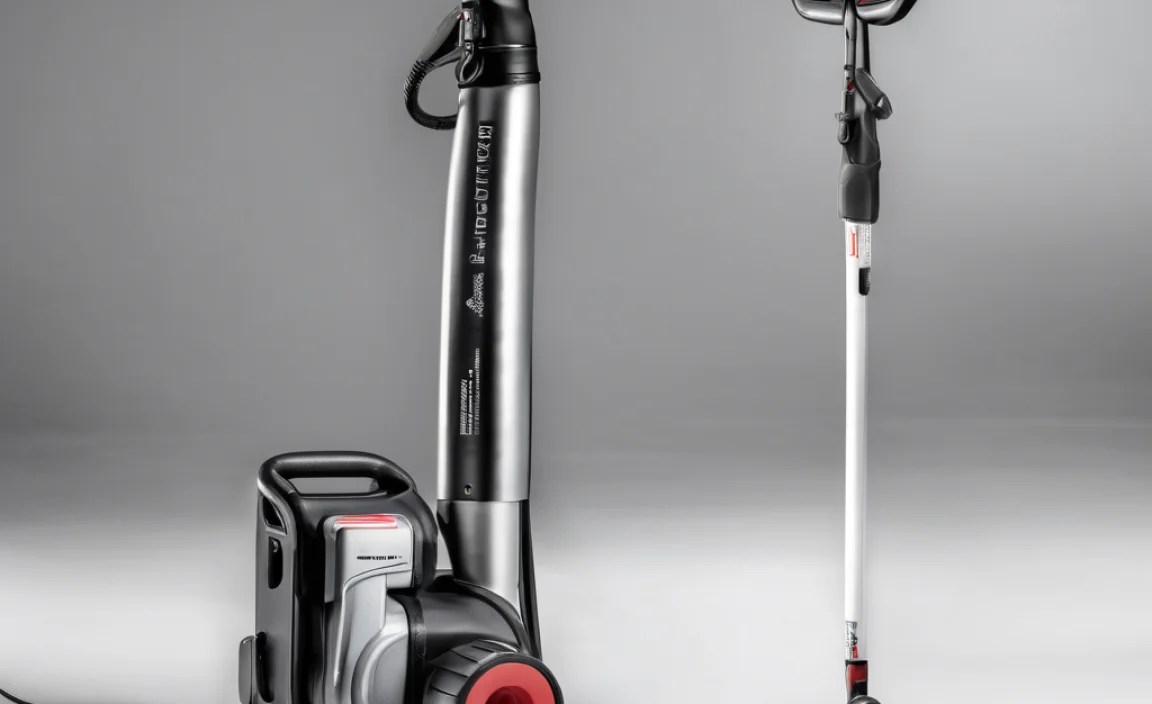
Using a target floor pump correctly is important. First, find the valve on your tire. Remove the valve cap. Attach the pump head to the valve. Make sure it is secure. If it is not secure, air will leak. Open the pump lever or twist the pump head to lock it in place. Start pumping. Use smooth, even strokes. Watch the pressure gauge. Inflate the tire to the correct pressure. This is usually printed on the tire sidewall. Remove the pump head carefully. Replace the valve cap. Now your tire is ready to go.
- Remove the valve cap from your tire.
- Attach the pump head securely to the valve.
- Lock the pump head in place.
- Pump with smooth, even strokes.
- Watch the pressure gauge.
- Inflate to the correct pressure.
Sometimes, the pump head is hard to attach. Make sure it is lined up correctly. If air is leaking, try adjusting the pump head. Check the rubber seal inside the pump head. It might be worn out. You can usually replace it. Keep your pump clean. Dirt can damage the pump. Wipe it down after each use. Store your pump in a dry place. This will help it last longer. Using your target floor pump the right way keeps your tires in great shape.
Fun Fact or Stat: The ideal tire pressure can vary based on your weight, the tire size, and the riding conditions.
How Do You Attach the Pump Head?
Attaching the pump head correctly is key. First, make sure the pump head matches your valve type. Presta valves need a different head than Schrader valves. Line up the pump head with the valve. Press it on firmly. You should feel it click into place. If it does not click, try again. Make sure it is straight. Then, lock the lever or twist the head. This creates a tight seal. If air is leaking, the seal is not tight enough. Adjust the pump head until it seals properly. A good seal is essential for easy inflation with your target floor pump.
What Is the Correct Tire Pressure?
Finding the correct tire pressure is very important. Look for the pressure range on your tire sidewall. It will show a minimum and maximum pressure. Use a pressure gauge to check the pressure. Inflate your tires within the recommended range. Too little pressure can cause flats. Too much pressure can make the ride harsh. Adjust the pressure based on your weight and riding style. If you are heavier, use higher pressure. If you ride on rough roads, use lower pressure. Getting the pressure right makes your rides safer and more comfortable. Your target floor pump helps you achieve this.
How Do You Prevent Air Leaks?
Air leaks can be frustrating. To prevent them, start by ensuring the pump head is securely attached to the valve. Check that the lever is fully engaged or the twist lock is tight. Inspect the rubber seal inside the pump head. Replace it if it’s worn or damaged. Make sure the valve core is tightened properly. Use a valve core tool to tighten it if needed. Also, avoid bending the valve stem when attaching or removing the pump head. These steps ensure a tight seal and prevent air leaks with your target floor pump.
Maintaining Your Target Floor Pump
Taking care of your target floor pump is important. This will help it last longer. Clean the pump regularly. Wipe it down with a damp cloth. Check the hose for cracks. Replace the hose if needed. Oil the pump parts. This keeps them moving smoothly. Store the pump in a dry place. This prevents rust. Check the pump head. Make sure the rubber seal is in good condition. Replace the seal if it is worn. A little maintenance goes a long way.
- Clean the pump regularly with a damp cloth.
- Check the hose for cracks and replace if needed.
- Oil the pump parts to keep them moving smoothly.
- Store the pump in a dry place to prevent rust.
- Check and replace the rubber seal in the pump head.
If your pump stops working well, try troubleshooting. First, check the pump head. Make sure it is clean and in good condition. Next, check the hose. Look for any leaks or cracks. If you find a leak, replace the hose. Then, check the piston. The piston is the part that moves up and down. It might need to be oiled. Finally, check the pressure gauge. Make sure it is accurate. If it is not accurate, you may need to replace it. Proper maintenance ensures your target floor pump works well for years.
Fun Fact or Stat: Regular maintenance can extend the life of your floor pump by several years!
How Often Should You Clean Your Pump?
Cleaning your pump regularly is a good habit. Aim to clean your pump at least once a month. If you use it very often, clean it more often. Use a damp cloth to wipe down the pump body. Pay attention to the pump head and hose. Remove any dirt or grime. This helps the pump work smoothly. Keeping your target floor pump clean prevents damage. It also ensures accurate readings. A clean pump is a happy pump!
How Do You Oil the Pump Parts?
Oiling the pump parts keeps them moving smoothly. Use a light machine oil. Apply a few drops to the piston. The piston is the part that moves up and down. Also, oil the joints and hinges. Work the pump handle to distribute the oil. Wipe off any excess oil. Oiling the pump prevents rust. It also reduces friction. This makes pumping easier. Regular oiling keeps your target floor pump in top condition.
How Do You Store Your Pump?
Storing your pump properly is important. Keep it in a dry place. This prevents rust and corrosion. Avoid storing it in direct sunlight. Sunlight can damage the hose and other parts. Hang the pump on a hook or store it on a shelf. This keeps it out of the way. Protect it from extreme temperatures. Extreme heat or cold can affect the pump’s performance. Proper storage extends the life of your target floor pump.
Troubleshooting Common Pump Problems
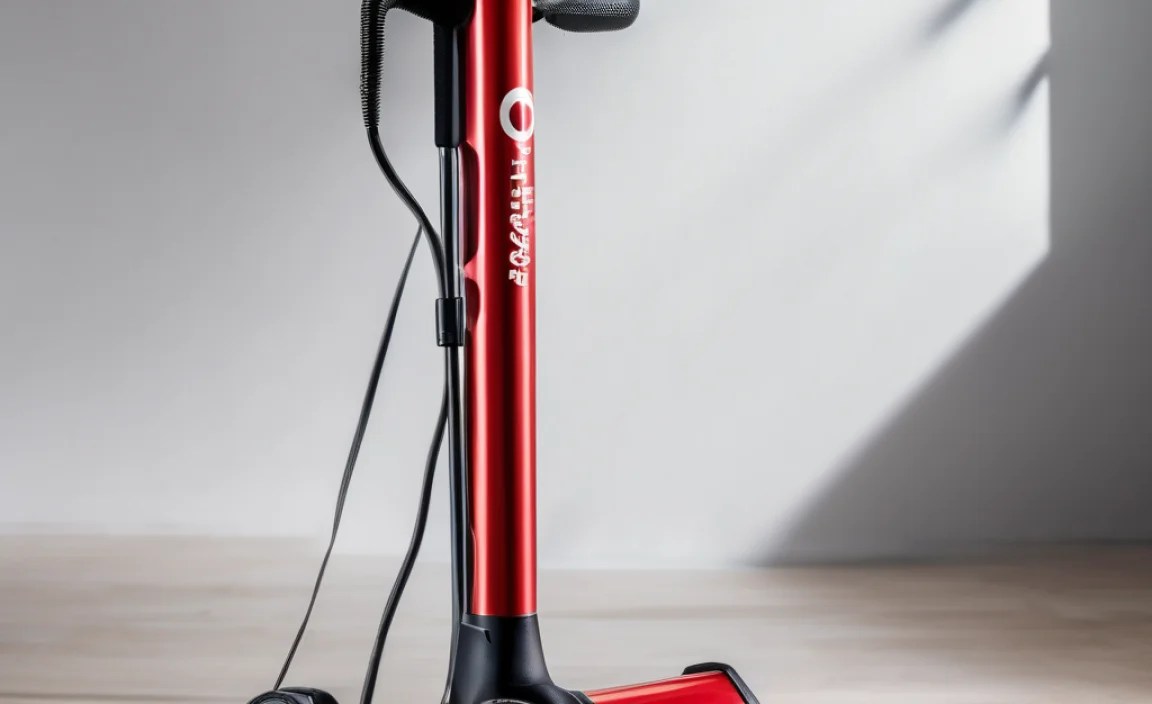
Sometimes, your target floor pump might not work as expected. Don’t worry! Many problems are easy to fix. If the pump is not inflating, check the pump head. Make sure it is securely attached to the valve. If air is leaking, tighten the connection. Check the hose for cracks or holes. Replace the hose if needed. If the pump is hard to push, oil the piston. If the pressure gauge is not working, replace it. With a little troubleshooting, you can keep your pump in good working order.
- Check the pump head for a secure connection.
- Tighten the connection if air is leaking.
- Inspect the hose for cracks or holes.
- Oil the piston if the pump is hard to push.
- Replace the pressure gauge if it is not working.
If you are still having problems, consult the pump’s manual. The manual might have specific troubleshooting tips. You can also search online for solutions. Many websites and videos offer helpful advice. If you cannot fix the problem yourself, consider taking the pump to a bike shop. A bike mechanic can diagnose the issue. They can also repair or replace the pump. Remember, regular maintenance prevents many problems. Keep your target floor pump clean and well-maintained.
Fun Fact or Stat: Most common pump problems can be resolved with simple maintenance and a few basic tools.
What If the Pump Is Not Inflating?
If your pump is not inflating, start by checking the connection. Make sure the pump head is firmly attached to the valve. Ensure the lever is fully engaged. If it’s a twist-lock, make sure it’s tight. Check for any visible damage to the pump head or hose. If everything looks okay, try a different valve. Sometimes the valve core is stuck. If the pump still isn’t inflating, the pump head might need replacing. A well-functioning target floor pump is essential.
What If Air Is Leaking?
Air leaks are a common issue. First, check the connection between the pump head and the valve. Tighten the connection. If the leak persists, inspect the rubber seal inside the pump head. A worn or damaged seal will cause leaks. Replace the seal with a new one. Also, check the hose for any cracks or holes. If you find any, replace the hose. Ensuring a tight seal prevents air leaks during inflation with your target floor pump.
What If the Pump Is Hard to Push?
A pump that is hard to push usually needs lubrication. The piston inside the pump may be dry. Apply a few drops of light machine oil to the piston. Work the pump handle to distribute the oil. This will help the piston move more smoothly. Also, check for any obstructions in the hose or pump body. Clear any debris that might be causing resistance. Regular lubrication keeps your target floor pump working efficiently.
Target Floor Pump Features to Consider
When choosing a target floor pump, think about its features. A good pump has a stable base. This prevents it from tipping over. Look for a pump with a comfortable handle. A comfortable handle makes pumping easier. Check the length of the hose. A longer hose gives you more flexibility. Consider the type of pump head. Some pump heads are easier to use than others. A built-in pressure gauge is very helpful. It lets you inflate your tires to the correct pressure.
- Look for a pump with a stable base.
- Choose a pump with a comfortable handle.
- Check the length of the hose for flexibility.
- Consider the type of pump head.
- A built-in pressure gauge is very helpful.
Some pumps have special features. Some have a dual-head design. This means they work with both Presta and Schrader valves. Others have a high-pressure setting. This is useful for road bikes. Some pumps have a large volume setting. This is good for mountain bikes. Think about your needs. Choose a pump with the features that are important to you. A good target floor pump will make inflating your tires a breeze.
Fun Fact or Stat: Some floor pumps come with built-in storage for valve adapters and other small tools.
What Makes a Base Stable?
A stable base is important for a floor pump. A wide base is more stable than a narrow base. Look for a base made of durable material. Metal bases are usually more stable than plastic bases. Some bases have rubber feet. These feet prevent the pump from slipping. A stable base makes pumping easier and safer. You don’t have to worry about the pump tipping over. Your target floor pump should have a reliable base.
Why Is Handle Comfort Important?
Handle comfort is often overlooked. However, it makes a big difference. A comfortable handle reduces hand fatigue. It allows you to pump more easily. Look for a handle with a good grip. Rubber or foam grips are comfortable. The handle should fit your hand well. If the handle is too small or too large, it will be uncomfortable. A comfortable handle makes inflating tires less of a chore. The target floor pump should prioritize comfort.
What Hose Length Do You Need?
Hose length is a matter of preference. A longer hose gives you more freedom to move around. You can reach the valve without having to move the pump. A shorter hose is more compact. It takes up less space. Consider where you will be using the pump. If you have limited space, a shorter hose might be better. If you want more flexibility, choose a longer hose. Your target floor pump should have a suitable hose length.
Comparing Different Target Floor Pumps
It helps to compare different target floor pump models. Look at their features and prices. Consider their pros and cons. Some pumps are better for road bikes. Others are better for mountain bikes. Read reviews from other users. This can give you valuable insights. Think about your budget. Choose a pump that fits your needs and your wallet. Comparing models helps you make an informed decision.
| Feature | Pump A | Pump B | Pump C |
|---|---|---|---|
| Price | $30 | $50 | $70 |
| Valve Compatibility | Schrader | Presta/Schrader | Presta/Schrader |
| Gauge Accuracy | +/- 3 PSI | +/- 2 PSI | +/- 1 PSI |
| Base Stability | Good | Excellent | Excellent |
- Compare features and prices of different pumps.
- Consider the pros and cons of each model.
- Read reviews from other users.
- Think about your budget.
- Choose a pump that fits your needs.
When comparing pumps, pay attention to the details. Look at the materials used. Metal pumps are usually more durable than plastic pumps. Check the warranty. A longer warranty indicates better quality. Consider the ease of use. Some pumps are easier to use than others. Think about the size and weight. A lighter pump is easier to carry. A smaller pump is easier to store. The best target floor pump is the one that meets your specific requirements.
Fun Fact or Stat: Comparing different models can save you money and ensure you get the best value for your needs.
What Are the Pros and Cons of Each Pump?
Each pump has its own set of advantages and disadvantages. Cheaper pumps are affordable but may lack durability. More expensive pumps are durable but may be overkill for occasional use. Some pumps are easy to use but less accurate. Others are accurate but more complicated. Consider what is most important to you. Weigh the pros and cons of each pump. This helps you make the right choice for your target floor pump.
How Do User Reviews Help?
User reviews provide valuable insights. They tell you what other people think of the pump. Look for reviews that mention specific features. Pay attention to comments about durability and ease of use. Be aware of fake reviews. Look for reviews from verified purchasers. User reviews help you avoid making a mistake. They can guide you toward the best target floor pump.
How Does Budget Affect Your Choice?
Budget is a key factor in any purchase. Decide how much you are willing to spend. Set a realistic budget. Don’t overspend on features you don’t need. Remember that a cheaper pump is not always the best value. Consider the long-term cost. A durable pump will last longer. It may be worth spending more upfront. Choose a target floor pump that fits your budget and your needs.
Ensuring Accurate Tire Pressure with Your Pump
Accurate tire pressure is very important. It affects your bike’s performance. It also affects your safety. Use a reliable pressure gauge. Check your tire pressure before each ride. Inflate your tires to the recommended pressure. This is usually printed on the tire sidewall. Too little pressure can cause flats. Too much pressure can make the ride harsh. Use your target floor pump to maintain the correct pressure.
- Use a reliable pressure gauge.
- Check your tire pressure before each ride.
- Inflate your tires to the recommended pressure.
- Too little pressure can cause flats.
- Too much pressure can make the ride harsh.
Tire pressure can change over time. Temperature affects tire pressure. Colder temperatures lower pressure. Warmer temperatures increase pressure. Check your tires regularly. Adjust the pressure as needed. Use a consistent gauge. Different gauges can give different readings. A digital gauge is usually more accurate. Maintaining accurate tire pressure improves your riding experience. Your target floor pump is essential for this task.
Fun Fact or Stat: Tire pressure can change by about 1 PSI for every 10 degrees Fahrenheit change in temperature.
Why Is Accurate Pressure Important?
Accurate tire pressure is important for several reasons. It affects your bike’s rolling resistance. Correct pressure makes it easier to pedal. It improves your bike’s handling. You have better control. It reduces the risk of flats. Proper inflation prevents pinch flats. Accurate pressure also affects tire wear. It extends the life of your tires. A target floor pump helps you achieve these benefits.
How Often Should You Check Pressure?
Check your tire pressure before each ride. This ensures your tires are properly inflated. If you ride frequently, check them daily. If you ride less often, check them before each ride. Temperature changes can affect pressure. Check more often during temperature swings. Regular checks prevent problems. They also ensure a safe and enjoyable ride. Your target floor pump makes this easy.
What Type of Gauge Is Best?
There are two main types of gauges: analog and digital. Analog gauges are simple and reliable. They are easy to read. Digital gauges are more accurate. They provide precise readings. Choose a gauge that is easy for you to use. Make sure it is accurate. A digital gauge is a good choice for precise inflation. A reliable gauge is essential for your target floor pump.
Summary
A target floor pump is a must-have for any cyclist. It makes inflating tires quick and easy. Choosing the right pump involves considering valve type, gauge accuracy, and frequency of use. Correct usage, including secure attachment and proper pressure, ensures safety and performance. Maintenance, like cleaning and oiling, extends the pump’s life.
Troubleshooting common issues keeps the pump functioning smoothly. Features like a stable base, comfortable handle, and suitable hose length enhance usability. Comparing different models and understanding the importance of accurate tire pressure helps cyclists make informed decisions.
Conclusion
Investing in a good target floor pump is a smart choice. It makes bike maintenance easier. You can keep your tires inflated properly. This improves your ride. It also keeps you safe. Choose a pump that fits your needs and budget. Take care of it. A good floor pump will last for years. Enjoy your rides!
Frequently Asked Questions
Question No 1: What is a floor pump, and why do I need one?
Answer: A floor pump is a type of pump that you place on the ground. You use your body weight to push down on the handle. This makes it easier to inflate your tires. You need one because it is much more efficient than a hand pump. It allows you to inflate your tires quickly and accurately. A target floor pump is a great tool for maintaining proper tire pressure. It ensures a smoother and safer ride every time you hit the road.
Question No 2: How do I know what tire pressure to use?
Answer: Look for the recommended tire pressure on the sidewall of your tire. It will show a range, like “35-65 PSI.” PSI means pounds per square inch. Use a pressure gauge on your pump to inflate your tires to a pressure within that range. Consider your weight and riding conditions. If you are heavier, use a higher pressure. If you are riding on rough roads, use a lower pressure. Always stay within the recommended range. This ensures optimal performance and safety. Your target floor pump will help you reach the correct pressure.
Question No 3: My pump isn’t working. What should I do?
Answer: First, check the connection between the pump head and the valve. Make sure it is secure. If air is leaking, tighten the connection. Next, check the hose for cracks or holes. If you find any, replace the hose. If the pump is hard to push, oil the piston. If the pressure gauge is not working, replace it. If you are still having problems, consult the pump’s manual or take it to a bike shop. Regular maintenance can prevent many issues. Consider the target floor pump for reliable performance.
Question No 4: What is the difference between Presta and Schrader valves?
Answer: Presta valves are thin and have a small nut at the tip. Schrader valves are wider, like the ones on car tires. Some pumps work with both types. Others only work with one. If you have different bikes, get a pump that handles both. Adapters can also help. They let you use one pump for different valves. Knowing your valve type is important. It makes finding the right pump easier. A versatile target floor pump will accommodate both valve types.
Question No 5: How often should I check my tire pressure?
Answer: You should check your tire pressure before each ride. This ensures your tires are properly inflated. If you ride frequently, check them daily. If you ride less often, check them before each ride. Temperature changes can affect pressure. Check more often during temperature swings. Regular checks prevent problems. They also ensure a safe and enjoyable ride. Your target floor pump should be used for these regular checks.
Question No 6: What features should I look for in a floor pump?
Answer: Look for a pump with a stable base. This prevents it from tipping over. Choose a pump with a comfortable handle. A comfortable handle makes pumping easier. Check the length of the hose. A longer hose gives you more flexibility. Consider the type of pump head. Some pump heads are easier to use than others. A built-in pressure gauge is very helpful. It lets you inflate your tires to the correct pressure. Some cyclists prefer a target floor pump with a digital gauge for extra precision.


