
How a Heat Pump Defrost Cycle Works: A Simple Guide

Quick Summary: A heat pump defrost cycle melts ice that forms on the outdoor coil. It works by temporarily reversing the flow of refrigerant, turning the outdoor coil into a condenser and warming it to melt the ice. This process usually lasts only a few minutes and happens automatically when sensors detect ice buildup.
Is your heat pump struggling to keep your home warm in the winter? One common issue is ice buildup on the outdoor unit. Don’t worry, your heat pump has a built-in solution: the defrost cycle. This process might seem mysterious, but it’s actually quite simple. We’ll walk you through how it works, why it’s important, and what to do if you suspect a problem. Let’s get started and keep your home cozy!
Why Heat Pumps Need Defrosting

Heat pumps are designed to pull heat from the outside air, even when it’s cold. But when the outdoor temperature drops below freezing, moisture in the air can freeze on the outdoor coil. This ice buildup acts like an insulator, preventing the heat pump from efficiently extracting heat. Think of it like wearing a thick winter coat – it keeps the heat in, but in this case, it’s keeping the heat out of your home.
If ice is allowed to accumulate, it can:
- Reduce the heat pump’s heating capacity
- Increase energy consumption
- Potentially damage the unit
That’s why the defrost cycle is so important. It’s like a built-in ice scraper for your heat pump, ensuring it continues to operate efficiently and reliably.
The Defrost Cycle: A Step-by-Step Explanation

The defrost cycle is an automatic process that melts the ice buildup on the outdoor coil. Here’s how it works:
- Ice Detection: Sensors monitor the outdoor coil temperature and airflow. When they detect conditions that indicate ice buildup (typically when the coil temperature drops below freezing and airflow is restricted), the defrost cycle is initiated.
- Refrigerant Reversal: The reversing valve switches the flow of refrigerant. In normal heating mode, the outdoor coil acts as an evaporator, absorbing heat from the outside air. During the defrost cycle, the reversing valve changes the coil into a condenser.
- Hot Gas Circulation: Hot, high-pressure refrigerant is now directed to the outdoor coil. This hot gas quickly warms the coil, melting the ice.
- Temporary Cooling: Because the heat pump is essentially running in cooling mode during defrost, your indoor temperature might drop slightly. Auxiliary heat (electric resistance heat) may kick in to offset this cooling and maintain a comfortable temperature inside your home.
- Defrost Termination: The defrost cycle usually lasts only a few minutes. It ends when the sensors detect that the ice has melted, or after a set amount of time. The reversing valve then switches back, and the heat pump returns to normal heating mode.
Think of it like this: normally, your heat pump is like a refrigerator in reverse, pulling heat from outside. During defrost, it briefly becomes an air conditioner, sending heat to the outdoor coil to melt the ice.
Components Involved in the Defrost Cycle

Several key components work together to make the defrost cycle function properly:
- Defrost Timer/Control Board: This component controls the frequency and duration of the defrost cycle. Modern heat pumps use smart control boards that monitor temperature and pressure to initiate defrost only when needed.
- Defrost Sensor: Monitors the temperature of the outdoor coil.
- Reversing Valve: This valve is responsible for changing the direction of refrigerant flow, switching the heat pump between heating and cooling modes, and enabling the defrost cycle.
- Outdoor Fan Motor: The fan usually shuts off during the defrost cycle to help the outdoor coil heat up more quickly.
- Auxiliary Heat (Electric Resistance Heaters): These heaters provide supplemental heat during the defrost cycle to prevent the indoor temperature from dropping too much.
Recognizing a Defrost Cycle
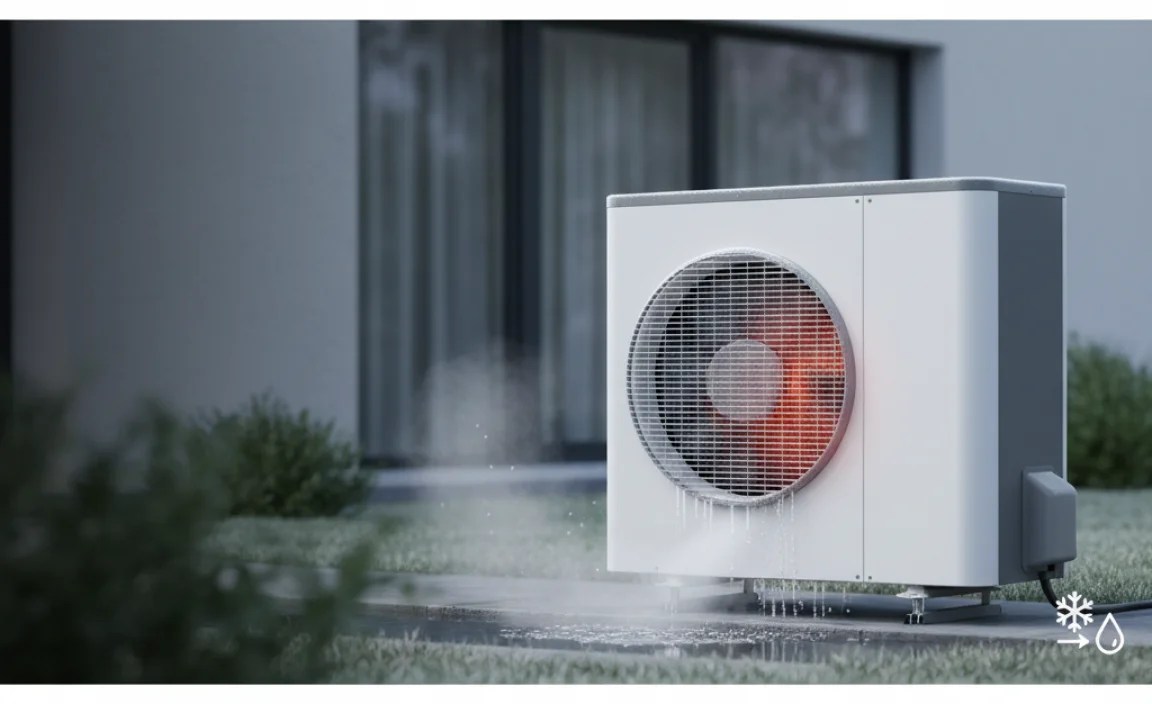
Knowing what to expect during a defrost cycle can help you avoid unnecessary worry. Here are some common signs that your heat pump is in defrost mode:
- Steam or Fog: You might see steam or fog rising from the outdoor unit as the ice melts.
- Outdoor Fan Stops: The outdoor fan usually shuts off to help the coil heat up faster.
- Noisy Operation: You might hear a hissing or gurgling sound as the refrigerant reverses and the ice melts.
- Slight Drop in Indoor Temperature: You might feel a slight chill as the heat pump temporarily switches to cooling mode.
- Auxiliary Heat Activation: You might notice your auxiliary heat kicking in to compensate for the temporary cooling. The air from your vents might feel warmer than usual.
These signs are perfectly normal and indicate that your heat pump is working as it should. However, if the defrost cycle seems to be happening too frequently, or if your heat pump isn’t defrosting properly, it’s time to investigate further.
Troubleshooting Defrost Cycle Issues
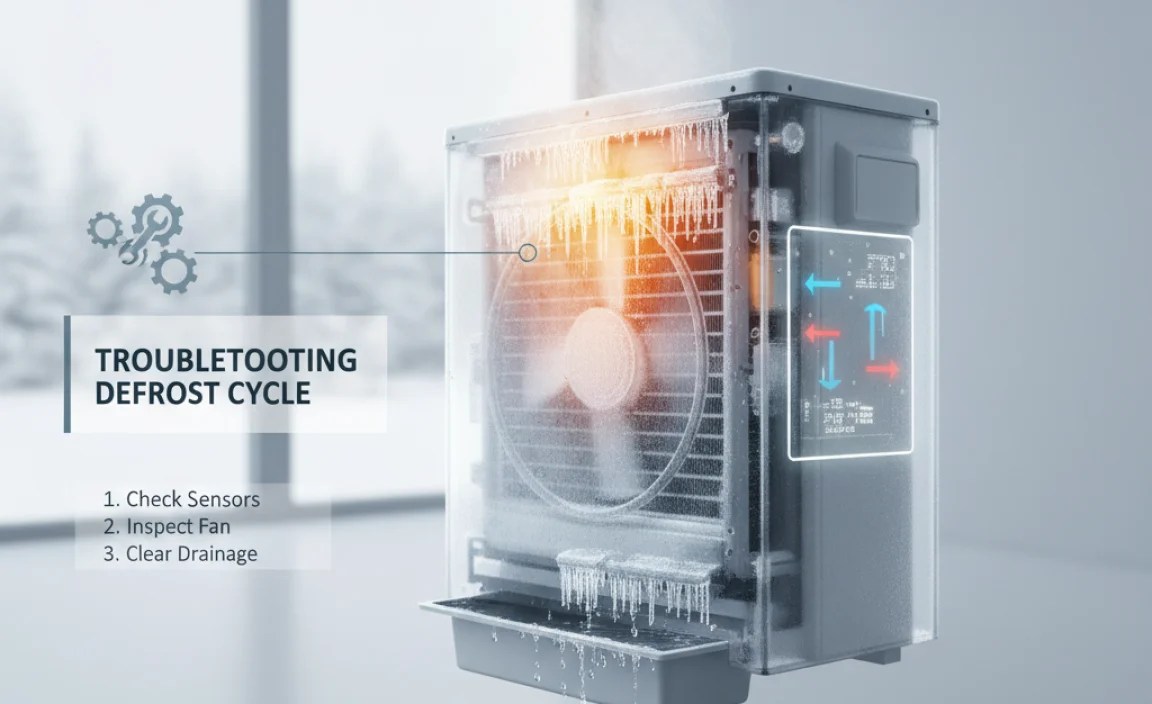
If you suspect your heat pump isn’t defrosting properly, here are some things to check:
- Excessive Ice Buildup: A thin layer of frost is normal, but thick ice buildup indicates a problem.
- Frequent Defrost Cycles: If your heat pump is defrosting every 20-30 minutes, something is likely wrong.
- Lack of Defrost: If ice is continuously building up and never melts, the defrost cycle may not be working at all.
Here’s a troubleshooting table:
| Problem | Possible Causes | Troubleshooting Steps |
|---|---|---|
| Excessive Ice Buildup |
|
|
| Frequent Defrost Cycles |
|
|
| No Defrost |
|
|
Important Note: Working with heat pumps involves electricity and refrigerant, which can be dangerous. If you’re not comfortable working with these systems, it’s best to call a qualified HVAC technician.
Maintenance Tips for Optimal Defrost Performance
Proper maintenance can help ensure your heat pump’s defrost cycle works efficiently and reliably. Here are some tips:
- Keep the Outdoor Unit Clear: Remove any leaves, snow, or debris that could block airflow around the outdoor unit.
- Trim Vegetation: Trim any bushes or branches that are growing too close to the unit.
- Clean the Coils: Periodically clean the outdoor coils to remove dirt and debris. You can use a garden hose with a gentle spray nozzle.
- Check the Air Filter: A dirty air filter can restrict airflow and cause the heat pump to work harder, potentially leading to more frequent defrost cycles. Replace the air filter regularly.
- Schedule Regular Maintenance: Have your heat pump professionally inspected and serviced at least once a year. A technician can check the refrigerant level, inspect the components, and identify any potential problems before they become major issues.
The Impact of Humidity and Temperature on Defrost Cycles
The frequency and duration of defrost cycles are affected by both humidity and temperature. High humidity means more moisture in the air, which can lead to faster ice buildup. Lower temperatures also increase the likelihood of ice formation.
Here’s a simple breakdown:
- High Humidity: More frequent and longer defrost cycles. The air is saturated with moisture, causing ice to form quickly on the outdoor coil.
- Low Temperatures (Around Freezing): Defrost cycles are more common. This is the prime condition for ice to accumulate.
- Very Low Temperatures (Well Below Freezing): Ice formation may slow down as the air becomes too dry to hold much moisture. Defrost cycles may be less frequent.
Understanding how these factors affect your heat pump can help you anticipate when defrost cycles are likely to occur and adjust your expectations accordingly.
Energy Efficiency and the Defrost Cycle
The defrost cycle does use energy, but it’s necessary to keep your heat pump operating efficiently. Here are some points to consider:
- Auxiliary Heat: The use of auxiliary heat during the defrost cycle can increase energy consumption. However, it’s essential to maintain a comfortable indoor temperature.
- Efficient Defrost Controls: Modern heat pumps use smart defrost controls that minimize the frequency and duration of defrost cycles, reducing energy waste.
- Proper Maintenance: Keeping your heat pump properly maintained ensures that the defrost cycle operates efficiently, minimizing energy consumption.
A well-maintained heat pump with efficient defrost controls will use less energy overall than a neglected unit that struggles to heat your home due to ice buildup.
DIY vs. Professional Help
Some minor heat pump issues, like clearing debris around the outdoor unit or replacing the air filter, can be easily handled yourself. However, more complex problems, such as diagnosing and repairing a faulty reversing valve or checking refrigerant levels, require the expertise of a qualified HVAC technician.
When to call a professional:
- You’re not comfortable working with electricity or refrigerant.
- You suspect a major component failure.
- You’ve tried basic troubleshooting steps and the problem persists.
- Your heat pump is under warranty.
Trying to fix complex issues yourself without the proper knowledge and tools can potentially damage your heat pump and void the warranty. It’s always best to err on the side of caution and call a professional when in doubt.
FAQ About Heat Pump Defrost Cycles
Here are some frequently asked questions about heat pump defrost cycles:
- Why is my heat pump making a hissing noise?
- A hissing noise during the defrost cycle is usually normal. It’s the sound of the refrigerant reversing and the ice melting. However, if the hissing noise is constant, it could indicate a refrigerant leak, which requires professional attention.
- How long should a defrost cycle last?
- A typical defrost cycle lasts between 5 and 15 minutes. If your heat pump is defrosting for much longer than that, it could indicate a problem.
- Is it normal for steam to come from my heat pump during defrost?
- Yes, it’s normal to see steam or fog rising from the outdoor unit as the ice melts during the defrost cycle.
- Will my house get cold during the defrost cycle?
- Your house might get slightly cooler during the defrost cycle, but the auxiliary heat should kick in to maintain a comfortable temperature.
- How often should my heat pump defrost?
- The frequency of defrost cycles depends on the outdoor temperature and humidity. In cold, humid conditions, your heat pump might defrost several times a day. In drier conditions, it might defrost less frequently.
How Does the Heat Pump Defrost Cycle Work? | HVAC Training

- Can I manually defrost my heat pump?
- Some heat pumps have a manual defrost mode, but it’s generally best to let the automatic defrost cycle do its job. Manually defrosting the unit could potentially damage it.
- What happens if my heat pump doesn’t defrost?
- If your heat pump doesn’t defrost, ice will continue to build up on the outdoor coil, reducing its heating capacity and potentially damaging the unit. It’s important to address the issue promptly.
Conclusion
Understanding how a heat pump defrost cycle works can help you keep your home warm and comfortable throughout the winter. By knowing what to expect and how to troubleshoot common issues, you can ensure your heat pump operates efficiently and reliably for years to come. Remember to keep the outdoor unit clear of debris, schedule regular maintenance, and don’t hesitate to call a professional when needed. With a little knowledge and care, you can keep your heat pump running smoothly and enjoy a cozy home all season long.
“`


