
Why Does My Heat Pump Keep Cycling On and Off? A Simple Guide

Quick Summary: A heat pump cycling on and off frequently, also known as short cycling, is often due to a dirty air filter, refrigerant leaks, or an oversized unit. This wastes energy and can damage the compressor. Check your filter, look for ice buildup, and consider calling a professional to diagnose refrigerant or sizing issues. Regular maintenance is key to preventing short cycling.
Is your heat pump acting like it has a mind of its own, constantly turning on and off? It’s a common issue that many homeowners face, and it can be frustrating. This behavior, often called short cycling, not only makes your home uncomfortable but also drives up your energy bills and can seriously damage your heat pump over time. But don’t worry! Understanding why this happens is the first step to fixing it. We’ll walk you through the common causes and simple solutions to get your heat pump running smoothly again.
Understanding Heat Pump Cycling

Heat pumps are designed to maintain a consistent temperature by running in longer, more efficient cycles. When a heat pump cycles on and off too frequently, it’s not operating as it should. This section will explain the basics of heat pump operation and what normal cycling looks like.
How Heat Pumps Work
Heat pumps move heat rather than generate it. In the winter, they extract heat from the outside air (yes, even cold air contains some heat!) and transfer it inside. In the summer, they reverse the process, removing heat from your home and releasing it outdoors. This process involves several key components:
- Refrigerant: A special fluid that absorbs and releases heat as it circulates through the system.
- Compressor: The heart of the heat pump, it pressurizes the refrigerant, raising its temperature.
- Evaporator Coil: Where the refrigerant absorbs heat (either inside or outside, depending on the season).
- Condenser Coil: Where the refrigerant releases heat (again, either inside or outside).
- Reversing Valve: This valve switches the direction of refrigerant flow, allowing the heat pump to heat or cool.
Normal vs. Short Cycling
A normally functioning heat pump will run in cycles that last for a reasonable amount of time, typically 15 minutes or longer. This allows the system to efficiently heat or cool your home and maintain a consistent temperature. Short cycling, on the other hand, is when the heat pump turns on and off very quickly, often within a few minutes. This frequent starting and stopping puts extra stress on the components, especially the compressor, and reduces the overall efficiency of the system.
Common Causes of Heat Pump Short Cycling

Several factors can cause a heat pump to short cycle. Addressing these issues promptly can save you money on energy bills and prevent costly repairs.
1. Dirty Air Filter
A dirty air filter is one of the most common causes of short cycling. When the filter is clogged with dust and debris, it restricts airflow to the evaporator coil. This can cause the coil to overheat or freeze, triggering the heat pump to shut down prematurely.
Solution: Check your air filter monthly and replace it when it’s dirty. A clean air filter ensures proper airflow and helps your heat pump run efficiently. High-efficiency pleated filters are effective, but make sure your system can handle the increased airflow resistance. Some older systems may perform better with standard fiberglass filters.
2. Refrigerant Leaks
Refrigerant is essential for the heat pump to transfer heat effectively. If there’s a leak, the system won’t have enough refrigerant to complete its cycle, leading to short cycling and decreased heating or cooling performance.
Solution: Refrigerant leaks require professional attention. Contact a qualified HVAC technician to locate and repair the leak, and then recharge the system with the correct amount of refrigerant. Attempting to handle refrigerant yourself is illegal and dangerous.
3. Oversized Heat Pump
An oversized heat pump is one that’s too powerful for the size of your home. It can quickly overheat or overcool the space, causing it to shut off before completing a full cycle.
Solution: If you suspect your heat pump is oversized, consult with an HVAC professional. They can perform a load calculation to determine the correct size unit for your home. Replacing an oversized unit can be a significant investment, but it will improve efficiency and prevent short cycling.
4. Frozen Evaporator Coil
A frozen evaporator coil can occur due to restricted airflow, low refrigerant levels, or a malfunctioning defrost system. Ice buildup on the coil prevents it from absorbing heat effectively, causing the heat pump to shut down.
Solution: First, check your air filter and ensure it’s clean. If the filter isn’t the issue, try turning off the heat pump and running only the fan for a few hours to allow the coil to thaw. If the problem persists, call an HVAC technician to check the refrigerant levels and defrost system.
5. Electrical Issues
Electrical problems, such as a faulty capacitor or a loose connection, can also cause short cycling. These issues can interrupt the power supply to the heat pump, causing it to turn on and off unexpectedly.
Solution: Electrical issues should be diagnosed and repaired by a qualified electrician or HVAC technician. Do not attempt to repair electrical components yourself, as it can be dangerous.
6. Thermostat Problems
A malfunctioning thermostat can send incorrect signals to the heat pump, causing it to cycle on and off erratically. This could be due to a faulty sensor, incorrect settings, or wiring issues.
Solution: Check your thermostat settings and ensure they are correct. Try replacing the batteries if it’s a battery-powered thermostat. If the problem continues, consider replacing the thermostat with a new one. Smart thermostats can offer improved accuracy and energy-saving features.
7. Ductwork Problems
Leaky or poorly insulated ductwork can cause temperature imbalances in your home, leading to the heat pump cycling on and off more frequently as it tries to compensate. Damaged ducts lose conditioned air, forcing the system to work harder.
Solution: Inspect your ductwork for leaks or damage. Seal any visible leaks with duct tape or mastic sealant. Consider having a professional inspect and seal your ductwork for optimal efficiency. Insulating your ducts can also help reduce heat loss or gain.
Troubleshooting Steps
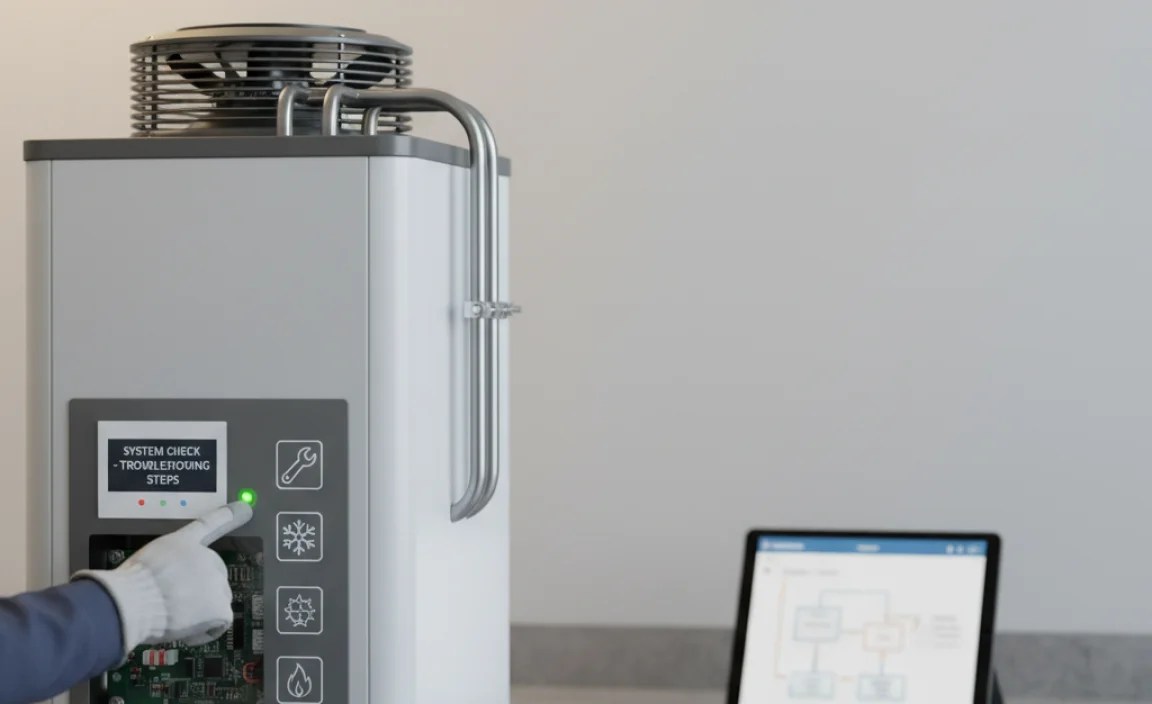
Before calling a professional, there are several troubleshooting steps you can take to identify and potentially resolve the issue.
- Check the Air Filter: Replace it if it’s dirty.
- Inspect the Outdoor Unit: Look for ice buildup or debris.
- Check the Thermostat: Ensure it’s set correctly and functioning properly.
- Listen for Unusual Noises: Note any strange sounds coming from the heat pump.
- Observe the Cycling Pattern: How often does it turn on and off? How long does it run?
When to Call a Professional

While some issues can be resolved with simple troubleshooting, others require the expertise of a qualified HVAC technician. Call a professional if you encounter any of the following:
- Refrigerant leaks
- Electrical problems
- Frozen evaporator coil (that doesn’t thaw after troubleshooting)
- Unusual noises
- Persistent short cycling after trying the above solutions
Preventative Maintenance Tips
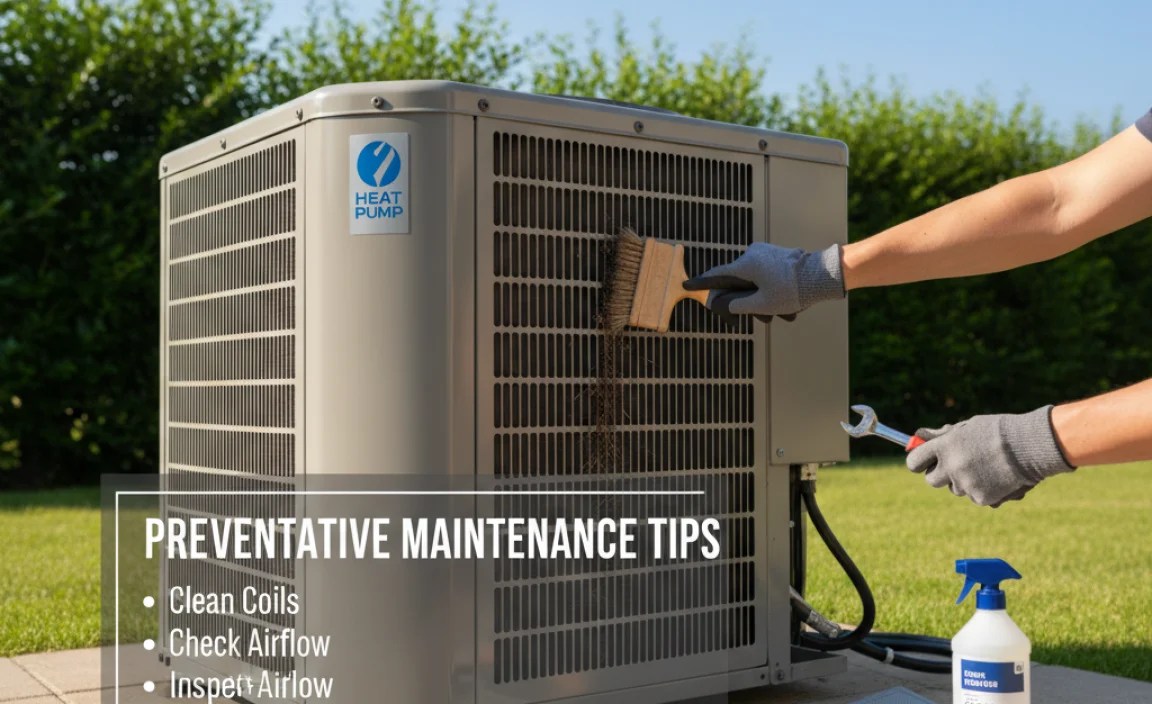
Regular maintenance is key to preventing short cycling and extending the life of your heat pump. Here are some essential maintenance tips:
- Change the Air Filter Regularly: At least every 1-3 months, or more often if you have pets or allergies.
- Clean the Outdoor Unit: Remove leaves, debris, and snow from around the unit.
- Schedule Annual Inspections: Have a professional inspect and tune up your heat pump each year.
- Monitor Performance: Pay attention to any changes in heating or cooling performance.
Table: Troubleshooting Heat Pump Short Cycling
| Problem | Possible Cause | Solution |
|---|---|---|
| Short Cycling | Dirty Air Filter | Replace the air filter |
| Short Cycling | Refrigerant Leak | Call a professional HVAC technician |
| Short Cycling | Oversized Heat Pump | Consult with an HVAC professional for sizing |
| Short Cycling | Frozen Evaporator Coil | Check air filter, thaw coil, call a professional if needed |
| Short Cycling | Electrical Issues | Call a qualified electrician or HVAC technician |
| Short Cycling | Thermostat Problems | Check settings, replace batteries, replace thermostat |
| Short Cycling | Ductwork Problems | Inspect and seal ducts, insulate ducts |
Table: Heat Pump Maintenance Schedule
| Task | Frequency |
|---|---|
| Change Air Filter | Every 1-3 months |
| Clean Outdoor Unit | Spring and Fall |
| Professional Inspection | Annually |
FAQ: Heat Pump Cycling
- Why is my heat pump turning on and off so frequently?
- Frequent on-off cycling, or short cycling, is often caused by a dirty air filter restricting airflow, low refrigerant levels due to leaks, or an oversized heat pump. Electrical issues or thermostat problems can also contribute.
- Is it bad if my heat pump cycles too much?
- Yes, excessive cycling puts extra stress on the heat pump’s components, especially the compressor, leading to premature wear and tear, higher energy bills, and reduced comfort.
- How can I tell if my heat pump is short cycling?
- If your heat pump turns on and off every few minutes instead of running for longer, consistent periods (15 minutes or more), it’s likely short cycling. You may also notice inconsistent temperatures in your home.
- Can a dirty air filter cause short cycling?
- Absolutely! A dirty air filter restricts airflow, causing the evaporator coil to overheat or freeze, which triggers the heat pump to shut down frequently.
- What should I do if I suspect a refrigerant leak?
- Contact a qualified HVAC technician immediately. Refrigerant leaks require professional attention to locate and repair the leak and recharge the system safely and legally.
- How often should I change my heat pump’s air filter?
- Check your air filter monthly and replace it every 1-3 months, or more often if you have pets, allergies, or live in a dusty environment.
- Will short cycling increase my energy bill?
- Yes, short cycling makes your heat pump less efficient. It uses more energy to start and stop frequently than it does to run continuously, leading to higher energy consumption and increased utility costs.
Conclusion
Dealing with a heat pump that cycles on and off too frequently can be a real headache. However, by understanding the common causes and taking proactive steps, you can often resolve the issue and prevent it from happening again. Remember to regularly check and replace your air filter, keep the outdoor unit clean, and schedule annual maintenance. If you encounter more complex problems like refrigerant leaks or electrical issues, don’t hesitate to call a qualified HVAC technician. By taking good care of your heat pump, you’ll ensure it runs efficiently, saves you money, and keeps your home comfortable for years to come.
“`


