
Trek Floor Pump: Easy Inflation Secret!

Do you love to ride your bike? Flat tires can stop you. A good floor pump helps keep your tires full. It makes riding easier and more fun. Have you heard of a {trek floor pump}?
A Trek floor pump is a great tool. It helps you keep your tires inflated. This means you can ride safely. It also means you can ride faster! Let’s learn more about it.
Do you know why bike tires lose air? It’s because air slowly leaks out. A floor pump lets you add air back in. This keeps your tires at the right pressure. A {trek floor pump} is a good choice.
Key Takeaways
- A reliable {trek floor pump} is essential for maintaining optimal bike tire pressure.
- Using the correct tire pressure improves your bike’s efficiency and handling.
- A good floor pump makes inflating your tires quick and easy before each ride.
- Regularly checking and inflating your tires prevents flats and extends tire life.
- Investing in a quality pump saves time and ensures safer, more enjoyable rides.
Choosing the Right Trek Floor Pump

Choosing the right floor pump can seem hard. There are many types available. A {trek floor pump} is often a good choice. They are known for being strong and easy to use. Consider what kind of bike you have. Road bikes need higher pressure. Mountain bikes need lower pressure. Make sure the pump can handle the pressure you need. Look for a pump with a clear gauge. This helps you see the pressure. Also, check the pump head. It should fit your valve type. Some pumps work with both Schrader and Presta valves. Think about how often you ride. If you ride a lot, get a durable pump. This will save you money in the long run. Getting the right pump makes biking more fun!
- Consider the type of bike you own.
- Check the maximum pressure the pump can handle.
- Look for a clear and easy-to-read gauge.
- Choose a pump head that fits your valve type.
- Think about the pump’s durability and build quality.
The right floor pump is a big help. It makes it easy to keep your tires inflated. This means your bike will work better. You will also have more fun riding. Think about the features you need. Some pumps have extra features. These might include a built-in pressure release. Or they might have a storage compartment for tools. Read reviews before you buy. This helps you learn what other people think. A good {trek floor pump} can last for years. This makes it a worthwhile investment. It helps you enjoy your bike rides more.
What are the different types of valves?
Do you know about bike tire valves? There are two main types. One is called Schrader. The other is called Presta. Schrader valves are like car tire valves. They are wider and have a spring-loaded pin. Presta valves are thinner and have a locking nut. A {trek floor pump} usually works with both types. Some pumps have a switch to change between them. Others have two separate heads. Make sure your pump fits your valve type. Using the wrong pump head can damage the valve. This can cause your tire to lose air. Knowing your valve type helps you choose the right pump.
How important is a good pressure gauge?
A good pressure gauge is very important. It helps you inflate your tires correctly. Too much air can make the tire explode. Not enough air makes riding hard. The gauge tells you how much air is in the tire. Look for a gauge that is easy to read. It should have clear numbers. A digital gauge is very accurate. An analog gauge is also good. Just make sure it is easy to see. A {trek floor pump} with a good gauge is a great tool. It helps you ride safely and comfortably. Always check the gauge before you ride.
Why should I consider the pump’s base?
Think about the pump’s base. The base is what keeps the pump steady. A wide base is more stable. It helps you pump easily. A narrow base can tip over. This makes it harder to pump. Some pumps have a steel base. Steel is strong and durable. Other pumps have a plastic base. Plastic can be lighter but less stable. A {trek floor pump} with a good base is easier to use. It makes pumping faster and more efficient. Look for a base that feels solid. This will make your pumping experience better.
Fun Fact or Stat: Did you know that properly inflated tires can improve your cycling efficiency by up to 10%?
Understanding the Features of a Trek Floor Pump

Understanding the features is important. A {trek floor pump} has many features. These features make it easy to use. Look for a pump with a long hose. A long hose makes it easier to reach the valve. Some pumps have a comfortable handle. A good handle helps you pump without hurting your hands. The pump head is also important. It should attach easily to the valve. Some pumps have a dual head. This means they work with both valve types. Check the pump’s construction. It should be made of strong materials. This will make it last longer. Consider these features when you choose a pump. They will make your biking experience better.
- Look for a long and durable hose.
- Consider the comfort of the handle.
- Check if the pump head is easy to use.
- See if the pump has a dual head for different valves.
- Examine the overall construction and materials.
- Check for any additional features like pressure release.
Many features can make a pump better. A pressure release valve is useful. It lets you release air if you over-inflate. A built-in storage compartment is handy. You can store small tools in it. Some pumps have a footpad. This helps you keep the pump steady. A {trek floor pump} often has these features. They are designed to make pumping easier. Read the product description carefully. This will help you understand the features. Think about what features are important to you. This will help you choose the best pump.
What is a dual pump head?
A dual pump head is very useful. It works with both Schrader and Presta valves. You don’t need to change any parts. Just attach it to the valve. Some dual heads have a lever. You flip the lever to switch between valve types. Other dual heads automatically adjust. A {trek floor pump} with a dual head is very convenient. It saves you time and effort. Make sure the dual head is easy to use. It should attach securely to the valve. This will prevent air from leaking out.
How does a pressure release valve work?
A pressure release valve is a great feature. It lets you release air from the tire. This is helpful if you put in too much air. The valve lets you adjust the pressure easily. You can let out small amounts of air. This helps you get the perfect pressure. A {trek floor pump} with a pressure release valve is very useful. It helps you avoid over-inflating your tires. This can prevent blowouts and make your ride safer. Look for a valve that is easy to use.
Why is a long hose important?
A long hose makes pumping easier. It lets you reach the valve without bending over. This is especially helpful for bikes on a stand. Or for bikes with hard-to-reach valves. A long hose gives you more freedom to move around. You can keep the pump on the ground. And still reach the valve easily. A {trek floor pump} with a long hose is very convenient. It makes the pumping process more comfortable. Choose a hose that is long enough for your needs.
Fun Fact or Stat: Some high-end floor pumps can inflate tires up to 220 PSI (pounds per square inch)!
Using a Trek Floor Pump Correctly
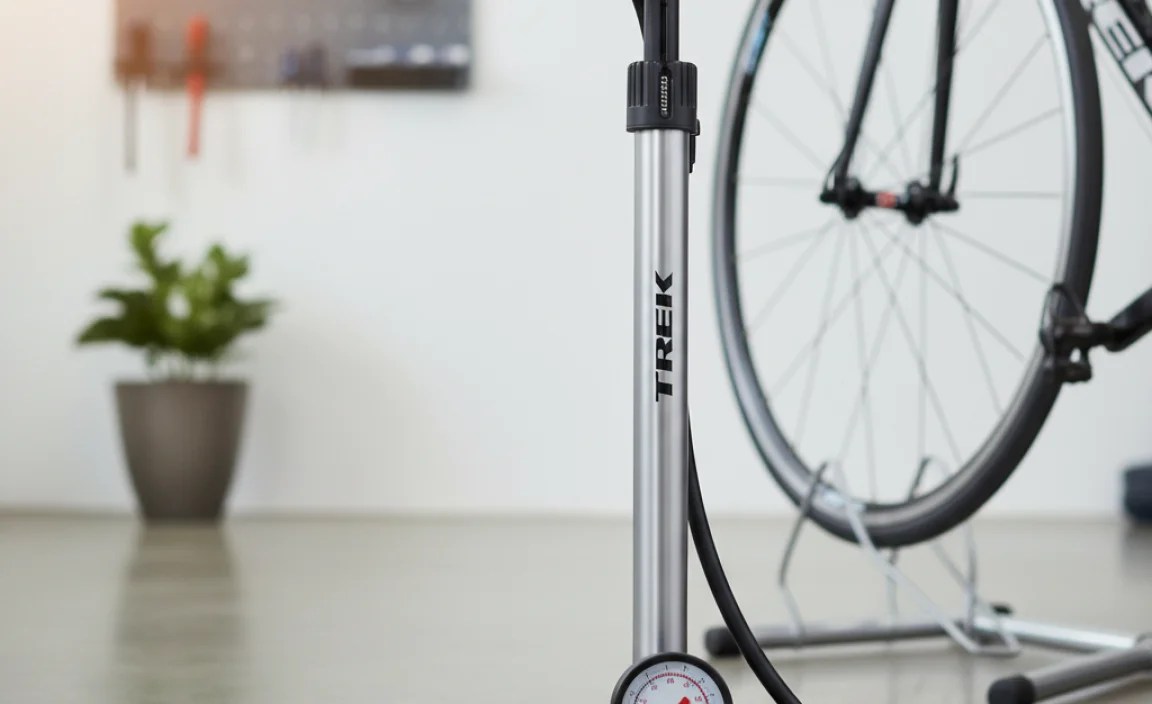
Using a floor pump the right way is important. It helps you inflate your tires safely. First, make sure the pump head fits your valve. Attach the pump head to the valve. Make sure it is secure. If it is not secure, air will leak out. Then, stand on the pump’s base. This keeps the pump steady. Start pumping up and down. Watch the pressure gauge. Stop when you reach the correct pressure. Remove the pump head carefully. Check the tire pressure with a separate gauge. This ensures the pressure is accurate. A {trek floor pump} is easy to use with practice. Always follow these steps for safe inflation.
- Attach the pump head securely to the valve.
- Stand on the pump’s base for stability.
- Pump up and down smoothly and steadily.
- Watch the pressure gauge as you pump.
- Stop pumping when you reach the correct pressure.
- Remove the pump head carefully to avoid leaks.
Correct tire pressure is very important. It affects how your bike rides. Too much air can make the ride bumpy. It can also cause the tire to burst. Not enough air makes the ride slow. It can also damage the rim. Check the tire sidewall for the recommended pressure. Use a {trek floor pump} to inflate to that pressure. Practice using the pump. This will help you become more confident. With practice, you will be able to inflate your tires quickly. This will make your bike rides more enjoyable.
What is the correct tire pressure?
The correct tire pressure depends on your bike. It also depends on your tires. Road bikes need higher pressure. Mountain bikes need lower pressure. Look at the tire sidewall. It shows the recommended pressure range. Use a floor pump with a gauge. Inflate your tires to the correct pressure. Check the pressure before each ride. This ensures a safe and comfortable ride. A {trek floor pump} helps you maintain the right pressure. This improves your bike’s performance.
How do I prevent air leaks?
Air leaks can be frustrating. Make sure the pump head is secure. It should fit snugly on the valve. Check the valve core. It should be tight. If it is loose, tighten it with a valve tool. Inspect the tire for punctures. Small holes can cause slow leaks. Use tire sealant to fix small punctures. A {trek floor pump} will help you inflate the tire. But you need to fix the leak first. This will prevent the tire from going flat.
What if the pump is hard to use?
If the pump is hard to use, check a few things. Make sure the hose is not kinked. A kinked hose restricts airflow. Check the pump head. It should be clean and free of debris. Lubricate the pump’s moving parts. This will make it easier to pump. If the pump is still hard to use, get it serviced. A {trek floor pump} should be easy to use. If it is not, something might be wrong. Regular maintenance will keep it working well.
Fun Fact or Stat: Some professional cyclists check and adjust their tire pressure multiple times during a single race!
Maintaining Your Trek Floor Pump
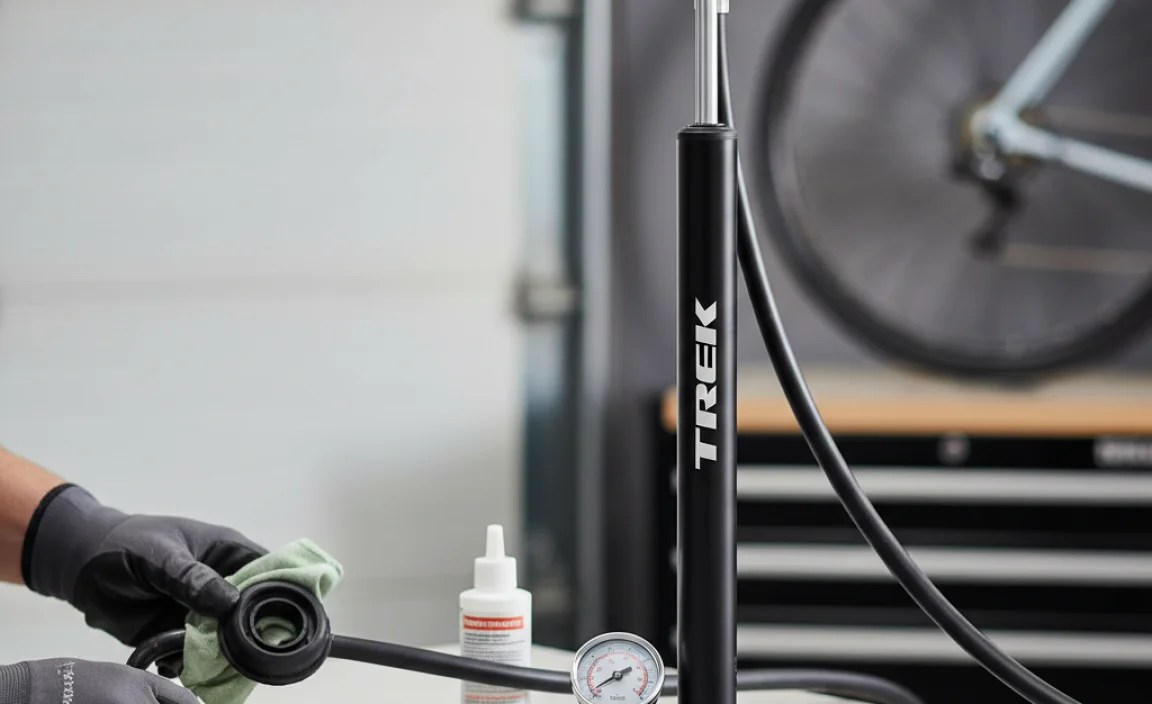
Taking care of your floor pump is important. It helps it last longer. Clean the pump regularly. Wipe off dirt and grime. Check the hose for cracks. Replace the hose if needed. Lubricate the moving parts. This keeps the pump working smoothly. Store the pump in a dry place. This prevents rust and corrosion. A {trek floor pump} will last for years if you maintain it. Regular maintenance saves you money. It also ensures your pump is ready when you need it. Follow these tips to keep your pump in good condition.
- Clean the pump regularly to remove dirt.
- Check the hose for cracks and replace if needed.
- Lubricate moving parts to keep it working smoothly.
- Store the pump in a dry place to prevent rust.
- Inspect the pump head for wear and tear.
Regular maintenance is key. It keeps your pump working well. Check the pump head regularly. Make sure it is clean and free of debris. Replace the seals if they are worn. This prevents air leaks. A {trek floor pump} needs regular care. This ensures it is always ready to use. Follow the manufacturer’s instructions for maintenance. This will help you keep your pump in top condition. A well-maintained pump is a reliable tool.
How often should I clean my pump?
Clean your pump regularly. This keeps it working well. Wipe it down after each use. This removes dirt and grime. Clean it more often if you use it a lot. Or if you use it in dirty conditions. A clean {trek floor pump} works better. It also lasts longer. Use a damp cloth to clean the pump. Avoid using harsh chemicals. These can damage the pump’s parts. Regular cleaning is a simple way to maintain your pump.
How do I lubricate the pump?
Lubricating the pump keeps it smooth. Use a silicone-based lubricant. Apply it to the moving parts. This includes the piston and the seals. Do not use oil-based lubricants. These can damage the pump’s rubber parts. A {trek floor pump} needs proper lubrication. This ensures it pumps smoothly. Lubricate the pump every few months. Or when it starts to feel stiff. This will keep it working like new.
What if the hose gets damaged?
A damaged hose can cause air leaks. Inspect the hose regularly. Look for cracks or wear. Replace the hose if it is damaged. You can buy replacement hoses online. Or at a bike shop. A {trek floor pump} with a new hose works like new. Replacing the hose is easy. It saves you from buying a new pump. Make sure the new hose fits your pump. This will ensure a good seal.
Fun Fact or Stat: The lifespan of a floor pump can be extended by up to 5 years with proper maintenance and care!
Troubleshooting Common Issues With Trek Floor Pumps

Sometimes, your floor pump might not work right. Knowing how to fix problems is helpful. If the pump is not inflating, check the valve. Make sure it is open. Check the pump head. Make sure it is attached correctly. If air is leaking, tighten the connection. The hose might be damaged. Check for cracks or holes. The pump might need lubrication. Lubricate the moving parts. A {trek floor pump} is usually reliable. But problems can happen. Knowing how to fix them saves time and money.
- Check if the valve is open and free of debris.
- Ensure the pump head is securely attached.
- Tighten any loose connections to prevent air leaks.
- Inspect the hose for cracks or holes.
- Lubricate moving parts to improve pumping action.
- Check the pressure gauge for accuracy.
Troubleshooting common issues is important. If the gauge is not working, replace it. Gauges can become inaccurate over time. If the pump is hard to pump, check for obstructions. Something might be blocking the airflow. A {trek floor pump} should be easy to use. If it is not, something is wrong. Refer to the pump’s manual for more help. Or take it to a bike shop for repair. Regular maintenance can prevent many problems.
What if the pump won’t attach to the valve?
If the pump won’t attach, check the valve type. Make sure the pump head is compatible. Clean the valve and the pump head. Dirt can prevent a good connection. Try a different pump head. The old one might be worn out. A {trek floor pump} should attach easily. If it doesn’t, something is blocking it. Inspect the valve and the pump head carefully. This will help you find the problem.
Why is the gauge not reading correctly?
An inaccurate gauge can be frustrating. Check the gauge for damage. The needle might be bent. The face might be cracked. Replace the gauge if it is damaged. Compare the reading to another gauge. This helps you confirm the accuracy. A {trek floor pump} with an accurate gauge is important. It helps you inflate your tires correctly. If the gauge is off, replace it. This ensures safe and accurate inflation.
What if the pump is making strange noises?
Strange noises can indicate a problem. Check for loose parts. Tighten any loose screws or bolts. Lubricate the moving parts. This can reduce friction. The pump might need to be serviced. Take it to a bike shop for repair. A {trek floor pump} should operate quietly. If it is making strange noises, something is wrong. Ignoring the noises can lead to more damage.
Fun Fact or Stat: Over 70% of floor pump issues can be resolved with simple troubleshooting steps like checking connections and lubricating parts!
Comparing Different Trek Floor Pump Models
Choosing the right model matters. Different models have different features. Some models are for road bikes. Others are for mountain bikes. Some are good for both. Consider your needs. Think about how often you ride. Also, think about the type of riding you do. A {trek floor pump} comes in many models. Each model has its own strengths. Compare the features carefully. This helps you choose the best pump for you. Look at the pressure range. Check the pump head type. Consider the build quality.
- Consider the pump’s intended use.
- Compare the pressure range of different models.
- Check the pump head type and compatibility.
- Evaluate the build quality and materials.
- Read reviews to see what other users say.
Comparing models helps you make a good choice. Look at the features that matter to you. A high-pressure pump is good for road bikes. A low-pressure pump is good for mountain bikes. A dual-head pump is versatile. It works with both valve types. A {trek floor pump} offers a range of models. Each model is designed for specific needs. Take your time to compare the options. This will help you find the perfect pump.
What are the key differences between models?
Key differences include pressure range. Some pumps go up to 160 PSI. Others go up to 220 PSI. The pump head type is also different. Some have a dual head. Others have a single head. The materials used vary. Some pumps are made of steel. Others are made of aluminum. A {trek floor pump} offers various models. Each model has different features. These features affect performance.
Which model is best for road bikes?
Road bikes need high pressure. Look for a pump that goes up to 160 PSI. The pump should have a Presta valve head. Road bikes use Presta valves. A steel pump is durable. It can handle high pressure. A {trek floor pump} for road bikes is a good investment. It helps you maintain the correct pressure. This improves your bike’s performance.
Which model is best for mountain bikes?
Mountain bikes need lower pressure. Look for a pump that goes up to 50 PSI. The pump should have a Schrader valve head. Mountain bikes use Schrader valves. An aluminum pump is lightweight. It is easy to carry. A {trek floor pump} for mountain bikes is a must-have. It helps you adjust the pressure. This improves your bike’s handling.
Fun Fact or Stat: The average cyclist owns at least two different types of pumps: a floor pump for home and a mini-pump for on-the-go repairs!
Trek Floor Pump: Table of Models
Here is a table comparing different Trek floor pump models. This will help you see the differences clearly.
| Model | Max Pressure | Valve Type | Material | Features |
|---|---|---|---|---|
| Trek Road Floor Pump | 160 PSI | Presta | Steel | High pressure, stable base |
| Trek Mountain Floor Pump | 50 PSI | Schrader | Aluminum | Low pressure, lightweight |
| Trek Dual Floor Pump | 160 PSI | Dual (Presta/Schrader) | Steel | Versatile, dual head |
| Trek Digital Floor Pump | 220 PSI | Dual (Presta/Schrader) | Aluminum | Digital gauge, accurate |
| Trek Mini Floor Pump | 120 PSI | Presta | Aluminum | Compact, portable |
This table shows the key differences. It helps you choose the right pump. Consider your needs and budget. A {trek floor pump} is a valuable tool. It helps you maintain your tires. This makes your rides safer and more fun.
Summary
A {trek floor pump} is a great tool for bike owners. It helps keep your tires inflated. This makes riding easier and safer. There are many types of floor pumps available. Choose one that fits your needs. Consider the type of bike you have. Think about the pressure you need. Look for a pump with a good gauge. Also, check the pump head. It should fit your valve type. A good floor pump will last for years. It is a worthwhile investment. It will help you enjoy your bike rides more.
Conclusion
Keeping your tires inflated is important. It makes riding safer and more fun. A good floor pump is a must-have tool. It lets you add air quickly and easily. Choose a pump that fits your bike. Consider the features that matter to you. A {trek floor pump} is a great choice. It will help you keep your tires in top condition. Happy riding!
Frequently Asked Questions
Question No 1: How often should I check my tire pressure?
Answer: You should check your tire pressure before every ride. This ensures your tires are properly inflated. Proper inflation improves your bike’s performance. It also makes your ride safer and more comfortable. Use a reliable gauge to check the pressure. Adjust the pressure as needed. A {trek floor pump} makes it easy to maintain the correct pressure. Regular checks can prevent flats and extend the life of your tires. Make it a habit to check before each ride for the best experience.
Question No 2: What is the difference between Schrader and Presta valves?
Answer: Schrader valves are like car tire valves. They are wider and have a spring-loaded pin. Presta valves are thinner and have a locking nut. Road bikes often use Presta valves. Mountain bikes often use Schrader valves. A {trek floor pump} usually works with both types. Some pumps have a switch to change between them. Others have two separate heads. Knowing the difference helps you choose the right pump head. Using the wrong pump head can damage the valve. Make sure your pump head matches your valve type for easy inflation.
Question No 3: How do I know what tire pressure to use?
Answer: Look at the tire sidewall. It shows the recommended pressure range. The pressure is usually listed in PSI (pounds per square inch). It might also be listed in BAR. Use a floor pump with a gauge. Inflate your tires to the correct pressure. The ideal pressure depends on your weight. It also depends on the type of riding you do. Experiment to find the pressure that feels best. A {trek floor pump} helps you adjust the pressure easily. Always stay within the recommended range on the tire sidewall.
Question No 4: Can I use a car tire pump on my bike?
Answer: Yes, you can use a car tire pump on a bike. But only if your bike has Schrader valves. Most car tire pumps are designed for Schrader valves. If your bike has Presta valves, you will need an adapter. The adapter allows the car tire pump to connect. However, a {trek floor pump} is better for bikes. It is designed to provide the right pressure. It also has a more accurate gauge. A car tire pump might over-inflate your tires. Use caution if you use a car tire pump. A floor pump is the best choice for bike tires.
Question No 5: What should I do if my tire keeps losing air?
Answer: If your tire keeps losing air, check for punctures. Look for small holes or cuts in the tire. You can use soapy water to find leaks. The soapy water will bubble where air is escaping. If you find a small puncture, use a tire sealant. Tire sealant can seal small holes. If the puncture is large, replace the tube. Also, check the valve core. Make sure it is tight. A loose valve core can cause leaks. A {trek floor pump} is essential for reinflating the tire after fixing the leak. Regularly inspect your tires to prevent air loss.
Question No 6: How do I store my floor pump properly?
Answer: Store your floor pump in a dry place. This prevents rust and corrosion. Keep it away from direct sunlight. Sunlight can damage the hose and other parts. Hang the pump on a hook. Or store it in a closet. This keeps it out of the way. Avoid storing heavy items on top of the pump. This can damage the pump. A {trek floor pump} will last longer if stored properly. Regular maintenance and proper storage keep it in good condition. A well-stored pump is always ready when you need it.


