
Ultimate Pump for Presta Valve Type: Easy Inflation!

Quick Summary: Need to inflate a tire with a Presta valve? No sweat! You’ll need a pump with a Presta-compatible head. Some pumps have a dual head that works with both Presta and Schrader valves. Others require you to unscrew the pump head and flip an internal part. Simply attach the pump head firmly onto the valve, lock it in place (if applicable), and start pumping until you reach your desired tire pressure. Easy peasy!
Presta valves can sometimes feel intimidating, especially if you’re used to the more common Schrader valves found on car tires. But don’t worry! Inflating a Presta valve is a simple process once you know the steps. Many modern bike pumps are designed to work with both Presta and Schrader valves, making it even easier. This guide will walk you through everything you need to know, from identifying a Presta valve to choosing the right pump and inflating your tires like a pro. Get ready to roll with confidence!
Understanding Presta Valves
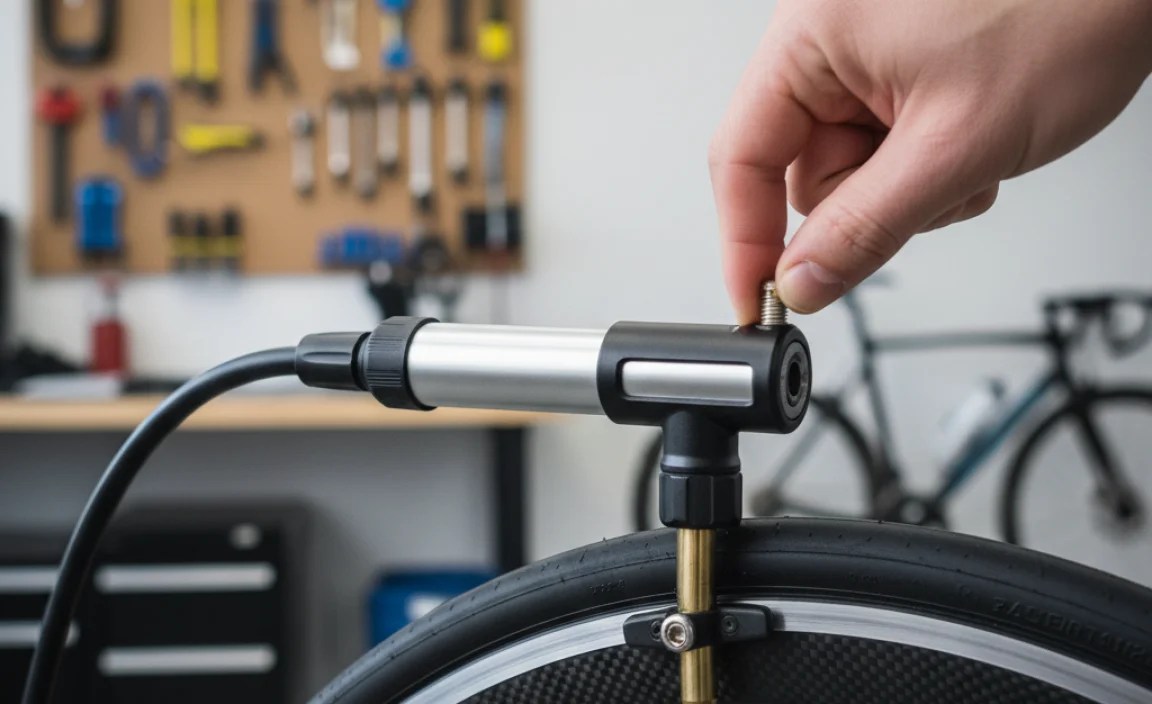
Before diving into how to pump a Presta valve, let’s understand what makes them unique.
What is a Presta Valve?
A Presta valve, also known as a Sclaverand or French valve, is commonly found on high-performance bicycles. They are narrower and longer than Schrader valves. A Presta valve has a small nut at the top that needs to be opened before inflation.
Why Use Presta Valves?
- Higher Pressure: Presta valves can handle higher pressures, making them ideal for road bikes.
- Lighter Weight: Their smaller size contributes to a slight weight reduction.
- Aesthetics: Many cyclists prefer the sleek look of Presta valves.
Presta vs. Schrader: Key Differences
Here’s a quick comparison:
| Feature | Presta Valve | Schrader Valve |
|---|---|---|
| Size | Narrower | Wider |
| Pressure | Higher | Lower to Medium |
| Usage | Road bikes, high-performance bikes | Mountain bikes, cars, general use |
| Inflation | Requires opening a nut | Direct inflation |
Choosing the Right Pump for Presta Valves

Not all pumps are created equal. Here’s what to look for when choosing a pump for Presta valves.
Types of Pumps
- Floor Pumps: These are the most efficient for home use, providing high pressure with less effort.
- Hand Pumps: Portable and great for on-the-go inflation, but require more effort.
- CO2 Inflators: Compact and fast, ideal for quick fixes during a ride.
Key Features to Look For
- Dual Head: Some pumps have a dual head that fits both Presta and Schrader valves.
- Presta-Specific Head: These pumps are designed exclusively for Presta valves.
- Pressure Gauge: Essential for accurate inflation and preventing over-inflation.
- Locking Lever: Ensures a secure connection to the valve.
Recommended Pumps
Here are a few pumps that are highly recommended for Presta valves:
- Lezyne Floor Drive: Known for its durability and accurate gauge.
- Topeak Road Morph G: A versatile hand pump with a built-in gauge.
- Genuine Innovations Ultraflate CO2 Inflator: A reliable CO2 inflator for emergencies.
Step-by-Step Guide: Inflating a Presta Valve

Follow these steps to inflate your tires with a Presta valve like a seasoned cyclist.
Step 1: Prepare the Valve
Locate the Presta valve on your tire. Unscrew the small nut at the top of the valve by turning it counterclockwise. This opens the valve and allows air to enter. Gently push the valve stem in to make sure it is not stuck. You should hear a small burst of air escaping.
Step 2: Attach the Pump Head
Place the pump head firmly onto the Presta valve. Make sure it’s a snug fit to prevent air leakage. If your pump has a locking lever, flip it to secure the connection.
Step 3: Inflate the Tire
Begin pumping in a smooth, consistent motion. Watch the pressure gauge on the pump to monitor the inflation level. Inflate to the recommended pressure indicated on the tire sidewall. This is usually measured in PSI (pounds per square inch) or BAR (metric unit of pressure).
Step 4: Remove the Pump Head
Once you’ve reached the desired pressure, flip the locking lever (if applicable) to release the pump head. Carefully remove the pump head from the valve to avoid bending or damaging the valve stem.
Step 5: Close the Valve
Screw the small nut at the top of the Presta valve clockwise until it’s snug. This closes the valve and prevents air from escaping. Be careful not to overtighten, as this could damage the valve.
Troubleshooting Common Issues
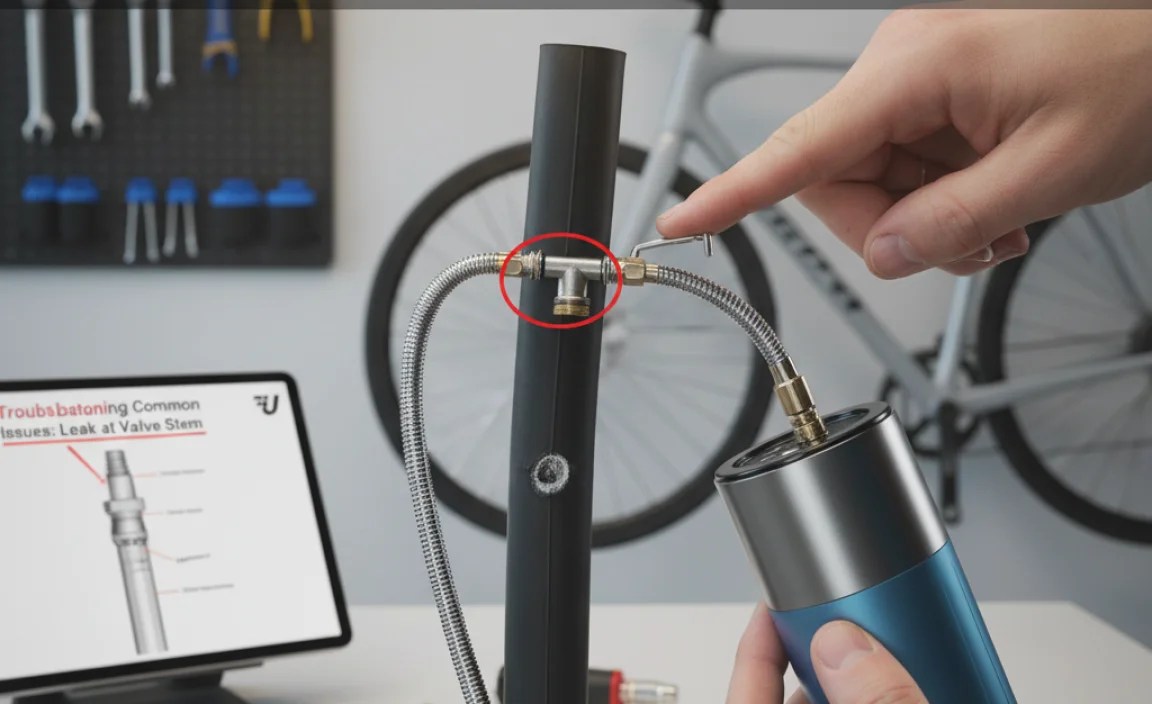
Sometimes things don’t go as planned. Here are some common issues and how to fix them.
Air Leaking
- Problem: Air is escaping around the pump head.
- Solution: Ensure the pump head is securely attached and the locking lever (if applicable) is engaged. Check the rubber seal inside the pump head for wear or damage. Replace if necessary.
Valve Stem Bending
- Problem: The valve stem is bending or feels loose.
- Solution: Be gentle when attaching and removing the pump head. Avoid excessive force. If the valve stem is severely bent, it may need to be replaced.
Pump Not Attaching
- Problem: The pump head won’t attach to the valve.
- Solution: Make sure you’re using the correct side of the pump head (if it’s a dual head). Check for debris or damage inside the pump head. Some pump heads require a specific orientation to attach properly.
Reaching the Desired Pressure
- Problem: Difficulty reaching the recommended tire pressure.
- Solution: Ensure the pump is in good working condition. Check for leaks in the hose or connections. Using a floor pump can make it easier to reach higher pressures compared to a hand pump.
Maintaining Your Pump
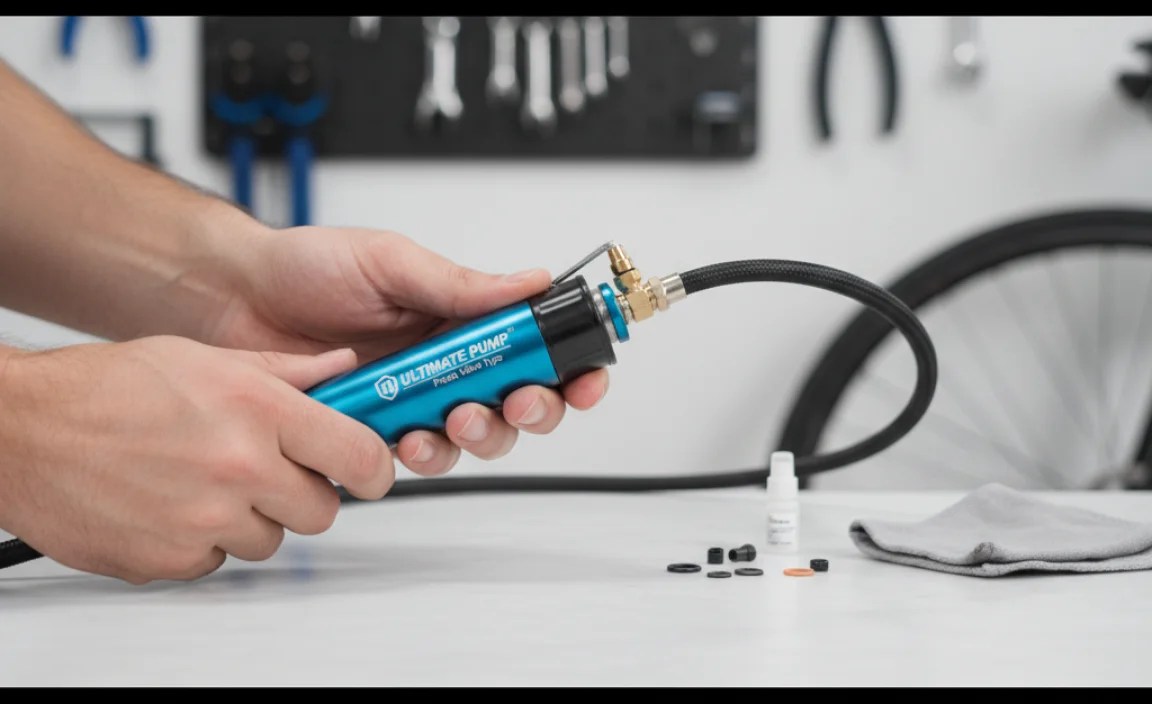
A well-maintained pump will last longer and perform better. Here are some tips for keeping your pump in top condition.
Regular Cleaning
Wipe down your pump regularly with a clean cloth to remove dirt and grime. Pay special attention to the pump head and hose connections.
Check for Wear and Tear
Inspect the pump hose, seals, and pump head for signs of wear or damage. Replace any worn or damaged parts to maintain optimal performance.
Lubrication
Apply a small amount of lubricant to the pump’s moving parts to keep them working smoothly. Use a silicone-based lubricant to avoid damaging rubber seals.
Advanced Tips for Presta Valves
Ready to take your Presta valve game to the next level? Here are some advanced tips.
Valve Extenders
If you have deep-section wheels, you may need valve extenders to make the Presta valve long enough to reach the pump head. These extenders screw onto the existing valve stem and provide additional length.
Valve Core Removal
Some Presta valves have a removable core, which can be useful for adding sealant or replacing a damaged core. Use a valve core tool to remove and install the core.
Using Tubeless Sealant
If you’re running tubeless tires, you’ll need to add sealant to prevent leaks. Remove the valve core (if possible) and use a sealant injector to add the appropriate amount of sealant. Replace the valve core and inflate the tire.
Essential Tools for Presta Valve Maintenance
Having the right tools can make Presta valve maintenance much easier. Here’s a list of essential tools:
- Bike Pump: A reliable pump with a Presta-compatible head.
- Valve Core Tool: For removing and installing valve cores.
- Tire Levers: For removing tires from the rim.
- Sealant Injector: For adding sealant to tubeless tires.
- Multi-Tool: A compact tool with various wrenches and screwdrivers.
Presta Valve Conversion
While not as common, it’s possible to convert a Schrader rim to accommodate a Presta valve. However, it’s generally not recommended due to potential weakening of the rim.
When to Consider Conversion
- Lightweight Wheels: If you want to use lightweight wheels designed for Presta valves on a bike with Schrader rims.
- Performance Upgrade: To take advantage of the higher pressure capabilities of Presta valves.
How to Convert (Not Recommended)
Disclaimer: Modifying your rims can compromise their structural integrity. Consult a professional bike mechanic before attempting any modifications.
- Drill the Rim: Carefully drill out the Schrader valve hole to a larger diameter to accommodate the Presta valve. Use a drill bit specifically designed for metal.
- Smooth the Edges: Deburr and smooth the edges of the drilled hole to prevent damage to the valve stem.
- Install the Presta Valve: Insert the Presta valve into the modified hole.
Important Note: This conversion can weaken the rim and is generally not recommended. It’s safer to use wheels designed for the appropriate valve type.
Tire Pressure and Presta Valves
Maintaining the correct tire pressure is crucial for performance, comfort, and safety. Here’s why it matters and how to get it right.
Why Tire Pressure Matters
- Rolling Resistance: Proper inflation reduces rolling resistance, making your ride faster and more efficient.
- Grip: Correct pressure optimizes grip, especially on corners and uneven surfaces.
- Puncture Resistance: Under-inflated tires are more prone to pinch flats (snakebites).
- Comfort: Adjusting tire pressure can improve ride comfort, especially on rough roads.
How to Determine the Correct Pressure
Look for the recommended pressure range printed on the tire sidewall. This is usually indicated in PSI (pounds per square inch) or BAR (metric unit of pressure). Consider factors such as:
- Rider Weight: Heavier riders may need to inflate their tires to the higher end of the recommended range.
- Terrain: Riding on rough roads or trails may require slightly lower pressure for better comfort and grip.
- Tire Width: Wider tires can typically be run at lower pressures than narrower tires.
Using a Pressure Gauge
A pressure gauge is essential for accurate inflation. Digital gauges are more precise than analog gauges. Check your tire pressure before each ride to ensure optimal performance and safety. You can purchase reliable pressure gauges from retailers like Amazon.
FAQ: Pumping Presta Valves
What is a Presta valve?
A Presta valve is a narrow valve commonly found on road bikes and high-performance bicycles. It has a small nut at the top that needs to be opened before inflation.
Why can’t I pump my Presta valve?
Make sure you’ve unscrewed the nut at the top of the valve. Also, ensure your pump head is securely attached and compatible with Presta valves. Some pumps have a switch or reversible parts for Presta and Schrader valves.
How do I know if my pump is compatible with Presta valves?
Check the pump head. Many pumps have a dual head that fits both Presta and Schrader valves. If not, look for a Presta-specific head or an adapter.
Can I use a car pump on a Presta valve?
Generally, no. Car pumps are designed for Schrader valves. You’ll need a Presta-specific pump or an adapter to use a car pump on a Presta valve.
How much pressure should I put in my tires?
Check the tire sidewall for the recommended pressure range, usually in PSI. Adjust based on your weight, riding conditions, and tire width.
What if air is leaking when I try to pump?
Ensure the pump head is securely attached. Check the rubber seal inside the pump head for damage. Also, make sure the valve stem isn’t damaged.
Do I need any special tools for Presta valves?
A good bike pump with a Presta-compatible head is essential. A valve core tool can be helpful for removing and replacing valve cores, especially for tubeless setups.
Conclusion
Pumping a Presta valve doesn’t have to be a daunting task. With the right pump and a little practice, you’ll be able to inflate your tires quickly and efficiently. Remember to choose a pump that fits your needs, follow the steps outlined in this guide, and maintain your pump for long-lasting performance. By understanding the nuances of Presta valves and tire pressure, you’ll enhance your cycling experience and enjoy a smoother, safer ride. Now get out there and enjoy the road!


