
How to Pump Air Into Your Bike Tires: A Simple Guide

Quick Summary: Pumping air into your bike tires is easy! First, find your tire’s recommended PSI (usually on the sidewall). Attach the correct pump head (Presta or Schrader) to your valve. Lock the pump head onto the valve. Then, pump until you reach the recommended PSI. Remove the pump head carefully, and you’re ready to ride!
Ever headed out for a relaxing bike ride, only to find your tires are soft? It’s a common frustration for cyclists of all levels. Underinflated tires make cycling harder, slower, and increase the risk of flats. But don’t worry! Pumping up your tires is a simple skill anyone can master. With the right tools and a little know-how, you’ll be back on the road in no time. This guide will walk you through each step, so you can confidently inflate your bike tires like a pro.
What You’ll Need
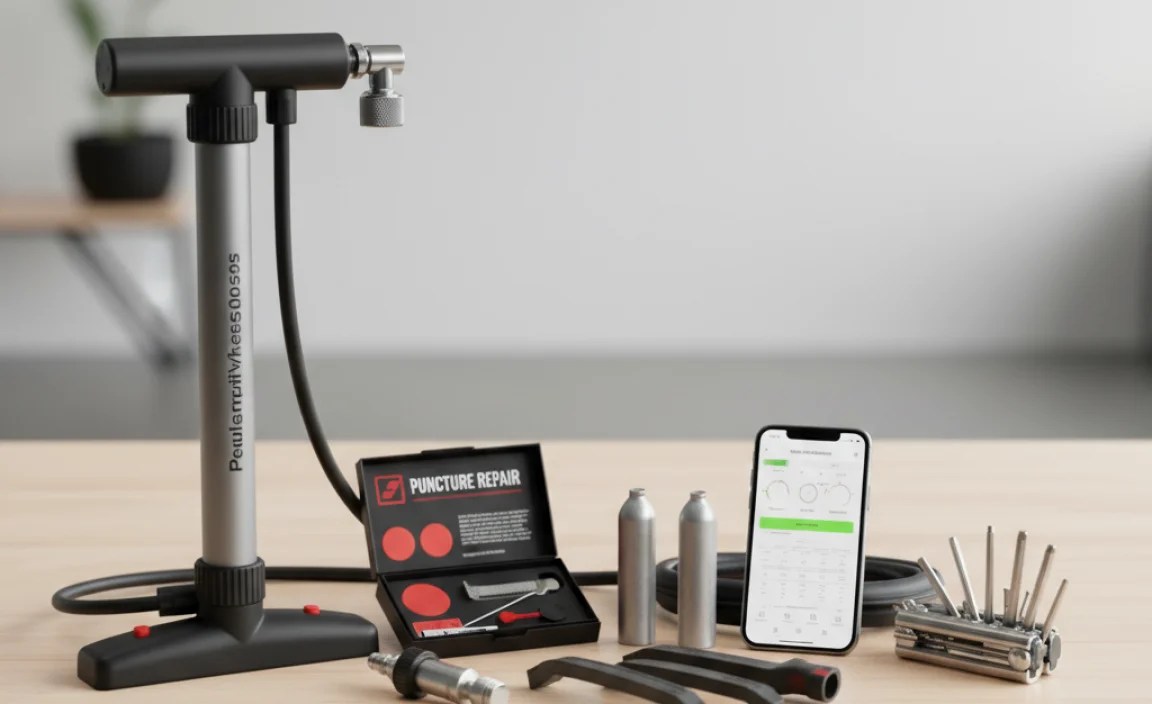
Before you start, gather these essential items:
- Bike Pump: Choose a floor pump for home use or a mini-pump for on-the-go inflation.
- Your Bike: Obviously!
- Tire Pressure Gauge (Optional): Some pumps have built-in gauges. A separate gauge offers more precise readings.
- Valve Adapter (If Needed): Some pumps require adapters for different valve types.
Understanding Bike Tire Valves

Bike tires use two main types of valves: Schrader and Presta. Knowing the difference is key to using the correct pump.
Schrader Valves
Schrader valves are similar to those found on car tires. They are wider and have a spring-loaded pin in the center.
Presta Valves
Presta valves are narrower and have a locking nut at the tip. You’ll need to unscrew the nut before inflating and screw it back on afterward.
Here’s a quick comparison:
| Feature | Schrader Valve | Presta Valve |
|---|---|---|
| Appearance | Wider, like a car tire valve | Narrower, with a locking nut |
| Durability | More durable | More fragile |
| Pressure | Lower pressure | Higher pressure |
| Common Usage | Mountain bikes, hybrid bikes, kids’ bikes | Road bikes, high-performance bikes |
Step-by-Step Guide to Pumping Your Bike Tires

Follow these steps to inflate your tires correctly:
Step 1: Find the Recommended Tire Pressure
Look for the PSI (pounds per square inch) or BAR (metric unit of pressure) range printed on the sidewall of your tire. This is the recommended pressure range for optimal performance and safety. Never exceed the maximum PSI.
Tip: Tire pressure depends on your weight, riding style, and terrain. Experiment within the recommended range to find what works best for you. Heavier riders generally need higher pressure.
Step 2: Prepare the Valve
- Schrader Valve: Simply remove the valve cap by twisting it counterclockwise.
- Presta Valve: Remove the valve cap and unscrew the locking nut at the tip of the valve. Gently push the valve stem in to release a small amount of air. This ensures the valve isn’t stuck.
Step 3: Attach the Pump Head
Most pumps have a dual-head design or an adapter to fit both Schrader and Presta valves.
- Schrader Valve: Press the pump head straight onto the valve, ensuring a snug fit.
- Presta Valve: Carefully press the pump head onto the valve. Some pump heads have a lever to lock onto the valve; engage the lever.
Tip: A hissing sound indicates an improper seal. Readjust the pump head until the hissing stops.
Step 4: Inflate the Tire
Using a Floor Pump:
- Place the pump on the ground and stand with one foot on the base for stability.
- Grip the pump handle firmly and pump up and down in a smooth, consistent motion.
- Watch the pressure gauge on the pump.
- Inflate the tire to the desired PSI or BAR.
Using a Mini-Pump:
- Place the pump head on the valve.
- Hold the pump firmly against the valve with one hand.
- Use the other hand to pump.
- Pump until the tire feels firm. Mini-pumps often lack gauges, so rely on feel.
Step 5: Check the Pressure
If your pump doesn’t have a gauge, use a separate tire pressure gauge to check the pressure. Press the gauge onto the valve, and read the measurement.
Step 6: Remove the Pump Head
- Schrader Valve: Pull the pump head straight off the valve.
- Presta Valve: Disengage the locking lever (if applicable) and carefully remove the pump head. Screw the locking nut back on the valve.
Step 7: Replace the Valve Cap
Replace the valve cap on both Schrader and Presta valves to protect them from dirt and debris.
Choosing the Right Bike Pump

Selecting the right bike pump makes inflating your tires much easier. Here’s a comparison of popular types:
| Type | Pros | Cons | Best For |
|---|---|---|---|
| Floor Pump | Efficient, accurate gauge, easy to use | Bulky, not portable | Home use, frequent inflation |
| Mini-Pump | Portable, lightweight | Less efficient, can be tiring, gauge often absent | On-the-go repairs, emergency inflation |
| CO2 Inflator | Fast inflation, very portable | Requires CO2 cartridges, can be wasteful, one-time use per cartridge | Racing, quick repairs on the road |
Floor Pumps
Floor pumps are ideal for home use due to their efficiency and built-in pressure gauges. Look for one with a sturdy base and a comfortable handle. Brands like Topeak, Park Tool, and Lezyne are known for quality.
Mini-Pumps
Mini-pumps are compact and lightweight, perfect for carrying on rides. Choose one with a frame mount or carry it in your cycling bag. Consider models from Crankbrothers, Blackburn, and PRO.
CO2 Inflators
CO2 inflators offer rapid inflation using compressed carbon dioxide cartridges. They are popular among racers and those needing quick repairs during rides. Brands like Genuine Innovations and Lezyne offer reliable CO2 inflators.
Tip: Always carry a spare CO2 cartridge or two when using a CO2 inflator.
Maintaining Your Bike Pump

Regular maintenance ensures your bike pump works efficiently and lasts longer.
- Check the Hose: Inspect the hose for cracks or leaks. Replace if necessary.
- Lubricate the Piston: Apply a few drops of silicone lubricant to the piston periodically to keep it moving smoothly.
- Clean the Pump Head: Remove any dirt or debris from the pump head to ensure a good seal.
- Store Properly: Store your pump in a dry place to prevent rust and corrosion.
Troubleshooting Common Issues
Encountering problems while pumping? Here’s how to troubleshoot:
- Air Leaking Around the Valve: Ensure the pump head is securely attached to the valve. Readjust or try a different pump head.
- Pump Not Building Pressure: Check the pump hose for leaks. Inspect the piston and seals for damage.
- Valve Stem Bending or Breaking: Be gentle when attaching and removing the pump head. Avoid excessive force.
Safety Tips
Follow these safety guidelines when inflating your bike tires:
- Never Exceed Maximum PSI: Overinflating your tires can cause them to explode, leading to injury.
- Wear Eye Protection: Consider wearing safety glasses to protect your eyes from debris.
- Inspect Tires Regularly: Check your tires for cuts, bulges, or wear before each ride.
The Importance of Proper Tire Inflation
Maintaining the correct tire pressure is crucial for a safe and enjoyable cycling experience. Here’s why:
- Improved Rolling Resistance: Properly inflated tires roll faster and require less effort.
- Reduced Risk of Flats: Correct pressure prevents pinch flats, which occur when the tire is compressed against the rim.
- Enhanced Handling: Proper inflation provides better grip and control, especially on corners.
- Increased Tire Lifespan: Underinflated tires wear out faster due to increased friction and flexing.
According to research from Bicycle Rolling Resistance, optimal tire pressure can significantly impact your speed and comfort.
Advanced Tips for Tire Inflation
Once you’ve mastered the basics, consider these advanced tips:
- Tubeless Tire Inflation: Tubeless tires require a special sealant and a higher initial pressure to seat properly on the rim. A specialized tubeless inflator can be helpful.
- Tire Pressure for Different Conditions: Adjust your tire pressure based on the terrain and weather conditions. Lower pressure provides better grip on loose surfaces, while higher pressure is more efficient on smooth roads.
- Using a Digital Tire Pressure Gauge: Digital gauges offer more precise readings than analog gauges.
FAQ: Common Questions About Bike Tire Inflation
1. How often should I pump my bike tires?
Check your tire pressure before each ride, especially if you haven’t ridden in a while. Tires naturally lose air over time.
2. What happens if I overinflate my bike tires?
Overinflating can cause a harsh ride, reduce grip, and increase the risk of tire explosion. Always stay within the recommended PSI range.
3. Can I use a car tire pump on my bike?
Yes, if you have a Schrader valve. However, car pumps often deliver too much air too quickly, making it difficult to achieve the correct pressure. Use short bursts and check the pressure frequently.
4. What is the ideal tire pressure for my road bike?
Road bikes typically require higher pressure, usually between 80-130 PSI. Check your tire’s sidewall for the recommended range.
5. What is the ideal tire pressure for my mountain bike?
Mountain bikes generally use lower pressure, around 25-40 PSI, depending on the terrain and tire size. Tubeless setups often allow for even lower pressures.
6. Why does my tire keep losing air?
Common causes include a slow leak in the tube, a faulty valve, or a puncture from a small object. Inspect the tire and tube carefully.
7. Can temperature affect tire pressure?
Yes, temperature affects tire pressure. As the temperature rises, the pressure increases, and vice versa. Adjust accordingly, especially during extreme weather.
Conclusion
Pumping your bike tires is a fundamental skill that keeps you rolling smoothly and safely. By understanding the different valve types, choosing the right pump, and following these step-by-step instructions, you can confidently maintain your tires and enjoy every ride. So, grab your pump, check your tire pressure, and get ready to hit the road or trail with confidence. Happy cycling!
“`


