
How to Check Thread Type on Pump Head: Easy Guide

Quick Summary: To check the thread type on your pump head, start by visually inspecting the threads—are they fine or coarse? Next, use calipers to measure the thread diameter. Compare your measurements to standard thread sizes (like Schrader or Presta) using a thread gauge or chart. If unsure, consult your pump’s manual or a local bike shop for expert help.
Ever struggled to figure out if your pump head will fit your bike valve? It’s a common headache for cyclists. Different valves need different threads, and getting it wrong can lead to frustration and wasted time. But don’t worry! Checking the thread type on your pump head is easier than you think. This guide will walk you through simple steps to identify what you need so you can get back to riding smoothly.
Understanding Thread Types on Pump Heads
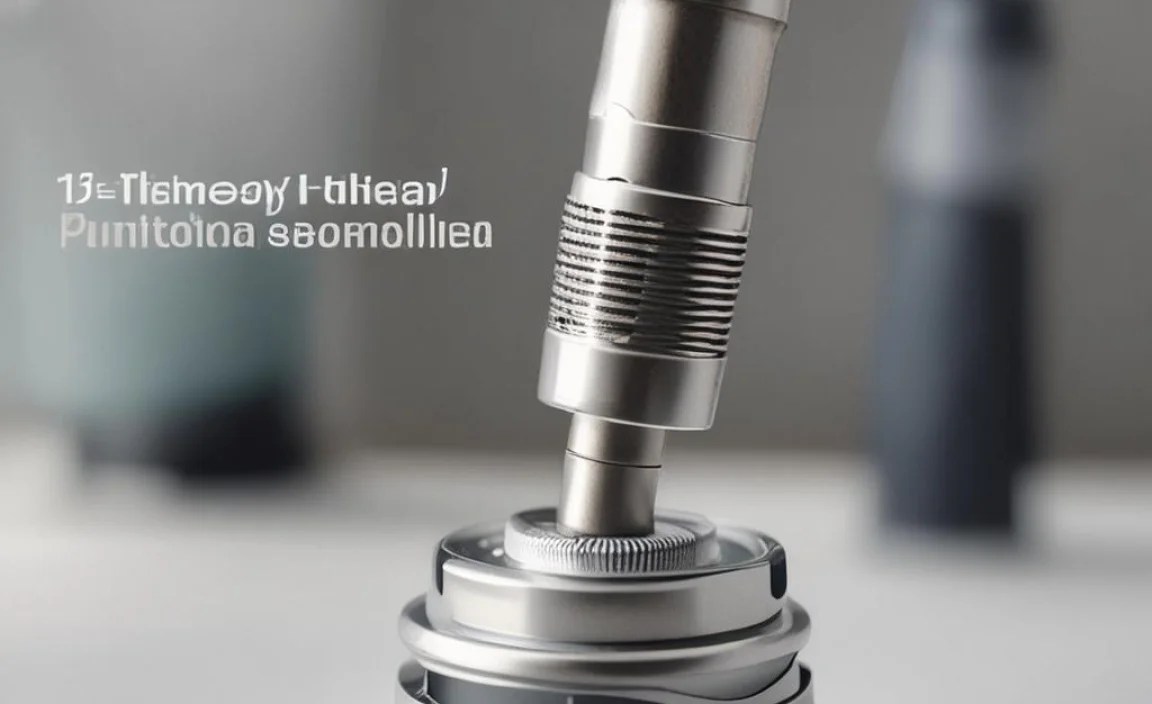
Before diving into the “how-to,” let’s cover the basics. Knowing the common thread types on pump heads is essential for compatibility with your bike’s valves.
Common Valve Types
There are primarily two types of valves you’ll encounter on bikes:
- Schrader Valve: The same type you find on car tires. They are wider and typically used on mountain bikes, hybrid bikes, and some road bikes.
- Presta Valve: Narrower and longer than Schrader valves. They are commonly found on road bikes and high-performance bikes.
Threaded vs. Threadless Connections
Pump heads connect to valves in two main ways:
- Threaded: The pump head screws onto the valve. These require matching thread types.
- Threadless (Lever-Actuated): These pump heads use a lever to create a tight seal around the valve. While they don’t rely on threads, understanding valve compatibility is still crucial.
Knowing these basics will make identifying your pump head’s thread type much easier.
Tools You’ll Need

Gathering the right tools makes the process straightforward. Here’s what you’ll need:
- Calipers: For measuring the diameter of the threads accurately. A digital caliper provides the most precise readings.
- Thread Gauge (Optional): A specialized tool for identifying thread pitch and type.
- Ruler or Measuring Tape: For basic measurements if calipers aren’t available.
- Magnifying Glass: To get a closer look at the threads.
- Reference Chart or Thread Identification Guide: To compare your measurements and visual inspections.
Having these tools on hand will ensure you can accurately determine the thread type on your pump head.
Step-by-Step Guide: How to Check Thread Type on Pump Head
Follow these steps to accurately identify the thread type on your pump head.
Step 1: Visual Inspection
Start with a close visual inspection of the threads.
- Check for Damage: Look for any signs of wear, damage, or deformation on the threads. Damaged threads can make identification difficult.
- Thread Density: Determine if the threads are fine or coarse. Fine threads are closer together, while coarse threads are more spaced out.
- Thread Shape: Observe the shape of the threads. Are they sharp, rounded, or trapezoidal?
Step 2: Measure the Diameter
Use calipers to measure the outer diameter of the threads.
- Prepare the Calipers: Open the calipers and ensure they are zeroed.
- Measure Carefully: Place the pump head between the caliper jaws and gently close them until they touch the outermost points of the threads.
- Record the Measurement: Read the measurement displayed on the calipers. Record this value in millimeters (mm) or inches.
Step 3: Determine the Thread Pitch (If Possible)
Thread pitch is the distance between threads. This step is optional but provides more precise identification.
- Using a Thread Gauge: Match the threads on the pump head to the thread gauge until you find a snug fit. The gauge will indicate the thread pitch.
- Measuring Manually: If you don’t have a thread gauge, measure the distance between several threads using calipers or a ruler. Divide the distance by the number of threads to get the pitch.
Step 4: Consult a Reference Chart
Compare your measurements to a thread reference chart. Here’s a simplified table for common bicycle valve threads:
| Thread Type | Diameter (mm) | Diameter (inches) | Common Use |
|---|---|---|---|
| Schrader | 7.7 mm | 0.302 inches | Mountain bikes, hybrid bikes, car tires |
| Presta (Valve Core) | 5 mm or 6 mm | 0.197 or 0.236 inches | Road bikes, high-performance bikes |
Use this table as a starting point. More detailed charts can be found online or in engineering reference books. For example, you can find detailed thread specifications on websites like Engineers Edge.
Step 5: Identify the Thread Type
Based on your measurements and visual inspection, identify the thread type.
- Schrader: Typically has a diameter of about 7.7 mm (0.302 inches) and coarser threads.
- Presta: The valve core threads are usually 5 mm or 6 mm (0.197 or 0.236 inches) and have finer threads.
Step 6: Test the Fit (Optional)
If possible, test the pump head on a known valve to confirm the fit. This is especially helpful if you’re still unsure.
- Find a Matching Valve: Locate a valve that you know the thread type of (e.g., a Schrader valve on a car tire).
- Test the Connection: Try to screw the pump head onto the valve. If it fits smoothly and securely, you’ve likely identified the thread type correctly.
By following these steps, you can confidently determine the thread type on your pump head and ensure compatibility with your bike’s valves.
Troubleshooting Common Issues

Sometimes, identifying thread types can be tricky. Here are some common issues and how to address them:
Damaged Threads
- Problem: Threads are worn, bent, or stripped.
- Solution: Use a thread file to gently clean up damaged threads. If the damage is severe, consider replacing the pump head.
Incorrect Measurements
- Problem: Measurements don’t match any known thread types.
- Solution: Double-check your measurements. Ensure the calipers are properly zeroed and that you’re measuring the correct part of the thread.
Unidentified Threads
- Problem: You can’t find a matching thread type in reference charts.
- Solution: Consult a local bike shop or a professional mechanic. They may have specialized tools or knowledge to help identify obscure thread types.
Cross-Threading
- Problem: The pump head feels tight or difficult to screw onto the valve.
- Solution: Stop immediately. Cross-threading can damage both the pump head and the valve. Ensure you have the correct thread type before attempting to connect them.
Addressing these common issues will help you overcome challenges and accurately identify thread types.
Tips for Accurate Measurement
Accurate measurements are crucial for identifying thread types. Here are some tips to ensure precision:
- Use Quality Tools: Invest in good-quality calipers and thread gauges for accurate readings.
- Calibrate Your Calipers: Ensure your calipers are properly calibrated before taking measurements.
- Measure Multiple Times: Take several measurements and calculate the average to reduce errors.
- Proper Lighting: Ensure you have adequate lighting to see the threads clearly.
- Clean the Threads: Clean the threads before measuring to remove any dirt or debris that could affect accuracy.
Following these tips will improve the accuracy of your measurements and make thread identification easier.
Maintaining Your Pump Heads
Proper maintenance extends the life of your pump heads and ensures they function correctly.
Cleaning
- Regular Cleaning: Clean your pump heads regularly to remove dirt, debris, and moisture.
- Use a Soft Brush: Use a soft brush or cloth to gently clean the threads and internal components.
- Avoid Harsh Chemicals: Avoid using harsh chemicals or solvents that could damage the pump head.
Lubrication
- Apply Lubricant: Apply a small amount of lubricant to the threads and moving parts to keep them functioning smoothly.
- Use Silicone-Based Lubricant: Use a silicone-based lubricant to prevent corrosion and ensure compatibility with rubber seals.
Storage
- Store Properly: Store your pump heads in a clean, dry place to prevent damage and corrosion.
- Protect from Impact: Protect the pump heads from impact and physical damage.
Regular Inspection
- Check Regularly: Regularly inspect your pump heads for signs of wear, damage, or corrosion.
- Replace Worn Parts: Replace any worn or damaged parts promptly to maintain performance.
By following these maintenance tips, you can keep your pump heads in good condition and ensure they provide reliable performance.
When to Consult a Professional
While many cyclists can handle basic pump head maintenance and thread identification, there are times when it’s best to consult a professional.
- Complex Issues: If you encounter complex issues or are unsure about any aspect of the process, seek professional help.
- Specialized Tools: Professionals have access to specialized tools and equipment for accurate diagnosis and repair.
- Safety Concerns: If you have any safety concerns, it’s always best to consult a professional.
Knowing when to seek professional help can save you time, money, and frustration, and ensure that your bike and pump are properly maintained.
FAQ: Checking Thread Type on Pump Head
What is thread pitch?
Thread pitch is the distance between threads on a screw or bolt. It’s measured from one thread crest to the next. Knowing the thread pitch helps you identify the correct thread type for compatibility.
Why is it important to know the thread type on my pump head?
Knowing the thread type ensures your pump head is compatible with your bike’s valves. Using the wrong thread type can damage the valve or pump head, leading to air leaks and frustration.
Can I use a Schrader pump head on a Presta valve?
No, Schrader and Presta valves have different sizes and thread types. A Schrader pump head won’t fit a Presta valve without an adapter. Trying to force it can damage the valve.
What if I don’t have calipers?
While calipers provide the most accurate measurements, you can use a ruler or measuring tape. However, be aware that your measurements may not be as precise, so double-check your results.
How do I know if my pump head is cross-threaded?
If the pump head feels tight or difficult to screw onto the valve, it may be cross-threaded. Stop immediately and ensure you have the correct thread type before trying again. Forcing it can damage both the pump head and valve.
Where can I find a thread reference chart?
Thread reference charts are available online from various sources, including engineering websites and tool manufacturers. You can also find them in engineering reference books.
Can I replace just the pump head if it’s damaged?
Yes, you can often replace just the pump head if it’s damaged. Many bike shops sell replacement pump heads separately. Make sure to choose one that’s compatible with your pump and valve types.
Conclusion
Checking the thread type on your pump head doesn’t have to be a mystery. With the right tools and a little know-how, you can easily identify the thread type and ensure compatibility with your bike’s valves. By following the steps outlined in this guide, you’ll be able to keep your tires properly inflated and enjoy a smooth, hassle-free ride. Remember to take your time, use accurate measurements, and don’t hesitate to seek professional help if needed. Happy cycling!


