
Easy Floor Pump for Seating Tubeless Tires: Ride Ready!

Have you ever seen a bike tire that looks flat? It can be frustrating! But what if you want a special kind of tire? Some tires need a floor pump for seating tubeless tires.
These tires don’t have an inner tube. Getting them to stay on the wheel can be tricky. Do you know how to make them work? Let’s find out!
Key Takeaways
- A good floor pump for seating tubeless tires is essential for easy setup.
- Look for pumps with a large air chamber to quickly inflate the tire.
- Make sure the tire bead is properly seated for a secure and safe ride.
- Using sealant helps to prevent air leaks and ensures the tire stays inflated.
- Practice makes perfect; don’t be afraid to try seating tubeless tires yourself.
Why Use a Floor Pump for Tubeless Tires?

Have you ever tried to put air in a tire with a small pump? It can take a long time! Tubeless tires need a lot of air, fast. That is why a floor pump for seating tubeless tires is important. These pumps push a lot of air quickly.
Imagine you are blowing up a balloon. A small pump is like blowing with your mouth. A floor pump is like using a machine to blow it up. It fills the tire fast, so the edges pop onto the wheel. This is called “seating” the tire. Without the right pump, it can be very hard to do. You might get tired or frustrated. A good floor pump makes it much easier and faster. It helps you get back to riding your bike sooner!
- Floor pumps deliver more air than hand pumps.
- They make seating tubeless tires much easier.
- Speed is important for tubeless tire setup.
- A good pump saves time and energy.
- It ensures the tire is properly seated.
A floor pump for seating tubeless tires is a must-have tool. It makes setting up tubeless tires much simpler. These pumps deliver a high volume of air quickly. This helps the tire beads lock into place on the rim. Without this quick burst of air, the tire might not seat correctly. This can lead to leaks or even the tire coming off while you ride. Investing in a good floor pump is worth it. It ensures your tubeless setup is safe and reliable, giving you peace of mind on your rides.
Fun Fact or Stat: Some floor pumps can inflate a tire up to 160 PSI (pounds per square inch)!
What Makes a Good Floor Pump?
Have you ever seen a floor pump with a big handle and a long tube? Those are important parts! A good floor pump has a strong handle. This helps you push air easily. It also has a long tube. The tube lets you reach the tire valve without bending too much. Some pumps even have a gauge. A gauge shows you how much air is in the tire. This helps you get the right amount of air every time. It is important to check your tire pressure before you ride.
Why is Air Volume Important?
Imagine trying to fill a big swimming pool with a small cup. It would take forever! Tubeless tires are like that pool. They need a lot of air to seat properly. A floor pump for seating tubeless tires pushes a lot of air with each pump. This is called “high volume.” High volume means the tire fills up faster. The fast fill helps the tire pop onto the wheel. Without enough air volume, the tire might not seat correctly. You might have to try again and again.
What About the Pump Head?
Have you ever tried to connect a pump to a tire and it didn’t fit? That’s because there are different kinds of valves. Some tires use Schrader valves, like on cars. Others use Presta valves, which are skinnier. A good floor pump for seating tubeless tires has a pump head that works with both kinds. Some pump heads have two holes, one for each valve. Others have a head that you can change. Make sure your pump head fits your tire valves!
Choosing the Right Floor Pump

Choosing the right pump can feel tricky. There are so many options! Think about what you need. Do you want a pump that only works for tubeless tires? Or do you want one that works for all your bikes? Some pumps have special features. They might have a gauge that is easier to read. Or they might have a wider base to keep the pump steady. Consider your budget, too. Some pumps are more expensive than others. But a good pump can last a long time!
A floor pump for seating tubeless tires is a worthwhile investment. It ensures you can easily maintain your tubeless setup. Look for features like a stable base and an accurate gauge. These will make pumping easier and more precise. Also, check the pump’s maximum pressure. Make sure it meets the needs of your tires. Some pumps also come with extra adapters. These can be useful for inflating other items, like sports balls or air mattresses.
- Consider the pump’s compatibility with valve types.
- Look at the maximum pressure rating.
- Check for gauge accuracy and ease of reading.
- Consider the stability of the pump’s base.
- Think about extra features and adapters.
Think about how often you will use the pump. If you only use it sometimes, a basic model might be fine. But if you ride a lot, invest in a higher-quality pump. A good floor pump for seating tubeless tires can make a big difference. It can save you time and frustration. It also ensures your tires are always properly inflated. This improves your ride quality and safety.
Fun Fact or Stat: Some high-end floor pumps have digital gauges that show pressure in real-time!
What About Pump Features?
Do you like gadgets? Some floor pumps have cool features! They might have a built-in storage compartment. This is great for keeping small tools and valve adapters. Some pumps have a bleeder valve. This lets you release small amounts of air. This is helpful for getting the tire pressure just right. Other pumps have a long hose. This makes it easier to reach your tires, even on a bike stand.
What is a “Boost” Chamber?
Have you ever seen a pump with a special switch or button? Some pumps have a “boost” chamber. This chamber stores extra air. When you flip the switch, the pump releases all that air at once. This is great for seating tubeless tires! The sudden burst of air helps the tire pop onto the wheel. It is like giving the tire a big, fast push. A boost chamber can make seating tubeless tires much easier.
How Important Is the Base?
Imagine trying to pump up a tire with a wobbly pump. It would be hard! The base of the pump is very important. A wide base keeps the pump steady. This makes it easier to push down on the handle. Some bases are made of metal. Metal is strong and stable. Other bases are made of plastic. Plastic can be lighter, but might not be as sturdy. Choose a pump with a base that feels solid and stable.
How to Seat Tubeless Tires with a Floor Pump
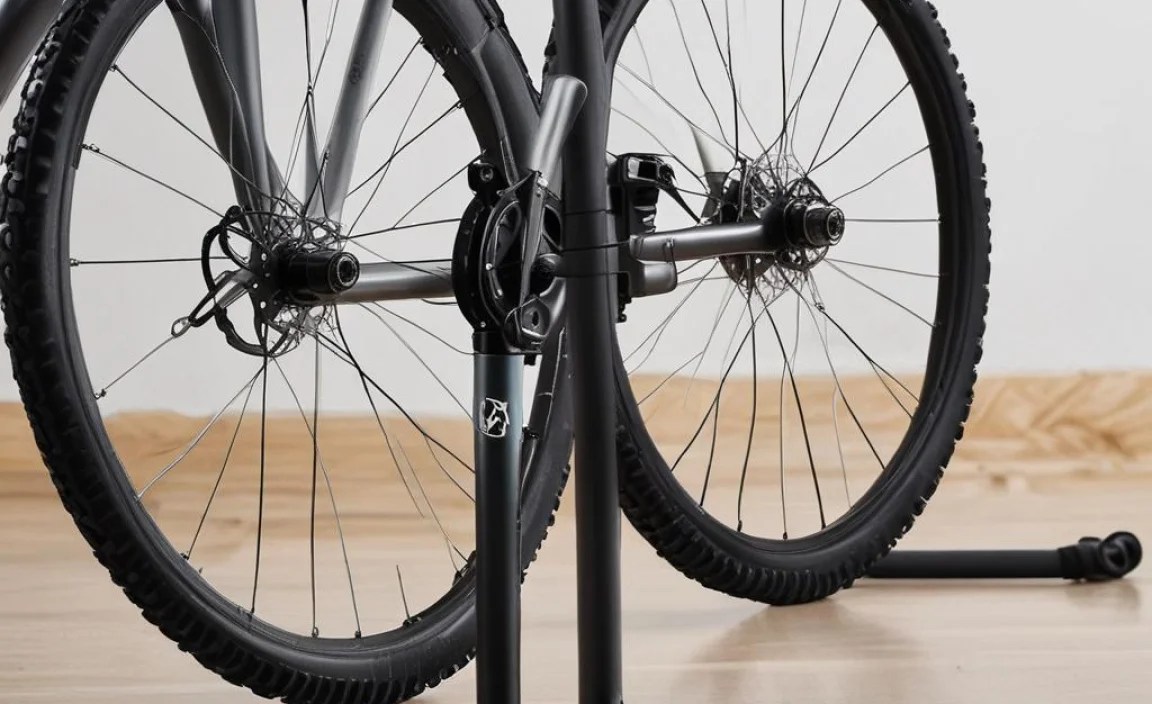
So, you have your floor pump for seating tubeless tires. Now what? First, make sure your tire is ready. Put the tire on the wheel. Make sure the tire is lined up correctly. Then, add sealant. Sealant is a special liquid that helps seal small leaks. Next, connect the pump to the tire valve. Start pumping! Pump quickly and steadily. You should hear a “pop” as the tire seats onto the wheel. Check the tire to make sure it is seated evenly all around.
Seating tubeless tires can be tricky at first. But with the right floor pump for seating tubeless tires, it becomes much easier. Ensure the tire bead is clean and free of debris. This helps it slide onto the rim more smoothly. Use soapy water on the tire bead. This acts as a lubricant and makes seating easier. If the tire doesn’t seat right away, try removing the valve core. This allows more air to flow quickly into the tire.
- Ensure the tire and rim are compatible.
- Use tire sealant to help seal the tire.
- Apply soapy water to the tire bead.
- Remove the valve core for faster inflation.
- Pump quickly and steadily.
- Check the tire for even seating.
Practice makes perfect. Don’t get discouraged if it doesn’t work the first time. Try again, and adjust your technique. A good floor pump for seating tubeless tires will make the process smoother. It gives you the best chance of success. Once the tire is seated, check the pressure. Adjust it to the recommended level for your tire and riding style. Now you are ready to ride!
Fun Fact or Stat: Some professional bike mechanics can seat a tubeless tire in under 30 seconds!
What is Tire Sealant?
Have you ever gotten a flat tire from a small hole? Tire sealant can help! Sealant is a liquid that you put inside your tubeless tire. If you get a small hole, the sealant rushes to the hole and plugs it up. This keeps your tire from going flat. Sealant is like a superhero for your tires! It helps you keep riding, even if you hit a sharp rock or piece of glass. Remember to check your sealant regularly. It can dry out over time.
Why Use Soapy Water?
Imagine trying to slide something across a dry table. It’s hard, right? Soapy water makes the tire bead slippery. This helps it slide onto the rim more easily. A little bit of soapy water can make a big difference. It can help the tire seat properly with less effort. Just be careful not to use too much. Too much soapy water can make the tire too slippery.
What If It Doesn’t Work?
Sometimes, even with a good floor pump for seating tubeless tires, the tire just won’t seat. Don’t give up! Try different things. Make sure the tire bead is clean. Check that the rim tape is in good condition. Sometimes, you might need to use a special tool called a tire lever. A tire lever helps you gently push the tire bead onto the rim. If you are still having trouble, ask a bike shop for help. They have lots of experience with tubeless tires.
Maintaining Your Floor Pump

Just like your bike, your floor pump for seating tubeless tires needs care. Keep it clean. Wipe off any dirt or grime. Check the hose for cracks or leaks. If the hose is damaged, replace it. Make sure the pump head is working properly. If it is loose or doesn’t seal well, tighten it or replace it. Store your pump in a dry place. This will help it last longer. A little bit of maintenance can keep your pump working well for years.
A well-maintained floor pump for seating tubeless tires ensures you are always ready for a ride. Regularly check the gauge for accuracy. A faulty gauge can lead to over- or under-inflated tires. This can affect your ride quality and safety. Lubricate the pump’s internal parts. This keeps it working smoothly and efficiently. Follow the manufacturer’s instructions for maintenance. This will help you get the most out of your pump.
- Wipe down the pump regularly.
- Check the hose for cracks or leaks.
- Inspect the pump head for proper sealing.
- Lubricate moving parts as needed.
- Store the pump in a dry place.
Consider the cost of maintenance when choosing a pump. Some pumps are easier to repair than others. Check if replacement parts are readily available. A pump that is easy to maintain can save you money in the long run. A good floor pump for seating tubeless tires is an investment. Taking care of it will ensure it serves you well for many years.
Fun Fact or Stat: Some floor pumps have a lifespan of over 10 years with proper care!
How to Clean Your Pump
Do you ever wash your bike? You should clean your pump too! Use a damp cloth to wipe off dirt and grime. Pay special attention to the pump head. Dirt can get stuck in the valve connector. This can make it hard to pump up your tires. You can use a small brush to clean the pump head. Be careful not to damage any of the parts.
How to Check for Leaks
Imagine trying to fill a tire with a pump that leaks air. It would be very hard! Check your pump for leaks regularly. Listen for hissing sounds. Look for bubbles when you pump. If you find a leak, try tightening the connections. If that doesn’t work, you might need to replace a part. A leaky pump is not very useful.
What About the Gauge?
Is your pump’s gauge accurate? Check it! Use a separate tire pressure gauge to compare. If the pump’s gauge is wrong, you might over- or under-inflate your tires. This can affect your ride quality and safety. Some pumps have adjustable gauges. You can recalibrate them if they are not accurate. If your pump’s gauge is broken, replace it.
Troubleshooting Tubeless Tire Seating
Sometimes, seating tubeless tires can be tricky. Even with the best floor pump for seating tubeless tires, problems can arise. The tire might not seat evenly. Air might leak out. Don’t worry! There are solutions. First, check the rim tape. Make sure it is covering all the spoke holes. If the rim tape is damaged, replace it. Next, make sure the tire bead is clean. Use soapy water to help the tire slide onto the rim. Try inflating the tire with the valve core removed. This allows more air to flow quickly.
If you are still having trouble, try using a tire lever. Gently pry the tire bead onto the rim. Be careful not to pinch the inner tube (if you are using one). Sometimes, you might need to use a special tool called a bead jack. A bead jack helps push the tire bead onto the rim. If all else fails, take your bike to a bike shop. They can help you troubleshoot the problem. A good floor pump for seating tubeless tires is a great start. But sometimes, you need extra help.
- Check the rim tape for proper coverage.
- Ensure the tire bead is clean and lubricated.
- Try inflating the tire without the valve core.
- Use tire levers carefully to seat the bead.
- Consider using a bead jack for stubborn tires.
- Seek professional help if needed.
Remember, patience is key. Don’t get frustrated if the tire doesn’t seat right away. Try different techniques. Watch videos online. Ask experienced riders for advice. Seating tubeless tires can be a learning process. But once you get the hang of it, it becomes much easier. A reliable floor pump for seating tubeless tires is your best friend in this process. It provides the power and control you need to get the job done.
Fun Fact or Stat: Some tubeless tire problems are caused by using the wrong type of rim tape!
Is the Rim Tape OK?
Rim tape is like a shield for your inner tube. It protects the tube from the spoke holes. If the rim tape is damaged or missing, the tube can get pinched. This can cause a flat tire. Check your rim tape regularly. Make sure it is in good condition. If it is torn or worn, replace it. Rim tape is cheap and easy to replace. It is worth it to avoid a flat tire.
Am I Using Enough Sealant?
Sealant is like a magic potion for tubeless tires. It seals small holes and prevents flats. But you need to use enough sealant! Too little sealant won’t do the job. Follow the manufacturer’s instructions for how much sealant to use. Check your sealant level regularly. It can dry out over time. Add more sealant as needed.
Is the Tire Bead Clean?
A clean tire bead is important for a good seal. Dirt and grime can prevent the tire from seating properly. Clean the tire bead with a damp cloth. Use soapy water if needed. Make sure the tire bead is dry before you try to inflate it. A clean tire bead helps the tire slide onto the rim more easily.
Comparing Floor Pumps for Tubeless Use
There are many different floor pumps on the market. Some are better than others for seating tubeless tires. Consider the features you need. Do you want a pump with a boost chamber? Do you want a pump with an accurate gauge? Think about your budget. Some pumps are more expensive than others. Read reviews and compare prices. Choose a pump that meets your needs and fits your budget. A good floor pump for seating tubeless tires is an investment.
When comparing floor pumps for seating tubeless tires, consider their air volume and pressure capabilities. High air volume is crucial for quickly seating the tire bead. An accurate gauge ensures you inflate the tire to the correct pressure. Also, look at the pump’s build quality and durability. A well-built pump will last longer and provide more reliable performance. Don’t forget to check customer reviews. They can provide valuable insights into the pump’s real-world performance.
- Consider air volume and pressure capabilities.
- Check for gauge accuracy.
- Look at build quality and durability.
- Read customer reviews.
- Compare prices and features.
Choosing the right floor pump for seating tubeless tires can make a big difference. It can save you time and frustration. It also ensures your tires are properly inflated for a safe and enjoyable ride. Take the time to research your options. Choose a pump that meets your specific needs and riding style. A well-chosen pump will be a valuable addition to your cycling toolkit.
Fun Fact or Stat: Some floor pumps are designed specifically for road bikes, while others are better suited for mountain bikes!
Here is a comparison table of different floor pumps:
| Pump Model | Max Pressure | Features | Price |
|---|---|---|---|
| Topeak JoeBlow Booster | 160 PSI | Boost chamber, accurate gauge | $$$ |
| Serfas TCPG | 140 PSI | Easy-to-read gauge, stable base | $$ |
| Park Tool PFP-8 | 160 PSI | Durable construction, versatile head | $$ |
| Lezyne Classic Floor Drive | 220 PSI | High pressure, stylish design | $$$ |
| Blackburn Piston 1 | 160 PSI | Affordable, reliable | $ |
What About Price?
Floor pumps can range in price from cheap to expensive. A cheap pump might work okay for a while. But it might not last very long. An expensive pump might have more features and be more durable. Consider your budget and your needs. Choose a pump that offers good value for the money. A more expensive pump might be worth it if it lasts longer and works better.
What About Brand?
Some brands are known for making high-quality floor pumps. These brands often have a good reputation. They might offer better warranties and customer support. Do some research on different brands. Read reviews and see what other people say. A well-known brand might be a safer bet than a no-name brand.
What About Reviews?
Reviews can be very helpful when choosing a floor pump. Read reviews from other cyclists. See what they say about the pump’s performance and durability. Look for reviews that mention tubeless tire seating. This can give you a better idea of whether the pump is right for you. Be careful of fake reviews. Look for reviews from reputable sources.
Alternative Methods for Seating Tires
While a floor pump for seating tubeless tires is the most common tool, other options exist. Some people use a CO2 inflator. A CO2 inflator releases a burst of compressed air. This can help seat the tire quickly. However, CO2 can dry out sealant. Other people use an air compressor. An air compressor is a powerful tool that can inflate tires very quickly. However, air compressors can be expensive. A floor pump for seating tubeless tires is often the best balance of cost and convenience.
Even though a floor pump for seating tubeless tires is ideal, knowing alternatives can be useful. Using a “blast” canister can provide a quick burst of air. These canisters are designed specifically for seating tubeless tires. Another option is to use a hand pump with a high-volume setting. While it may take more effort, it can still work in a pinch. Also, consider visiting a local bike shop. They have the tools and expertise to seat tubeless tires quickly and efficiently.
- CO2 inflators provide a quick burst of air.
- Blast canisters are designed for tubeless tires.
- High-volume hand pumps can work in a pinch.
- Bike shops offer professional seating services.
Ultimately, the best method depends on your preferences and resources. A floor pump for seating tubeless tires is a reliable and versatile option. It is a good investment for any cyclist who uses tubeless tires. However, it is good to be aware of other methods. This way, you can choose the one that works best for you in different situations.
Fun Fact or Stat: Some cyclists use hairspray to help seat tubeless tires, but this is not recommended!
What is a CO2 Inflator?
Have you ever seen a small metal cartridge that hisses when you use it? That is a CO2 inflator! It contains compressed carbon dioxide gas. When you attach it to your tire valve, it releases the gas. This inflates the tire very quickly. CO2 inflators are small and lightweight. They are great for carrying on rides. However, they can be expensive. Also, CO2 can dry out sealant.
What About an Air Compressor?
An air compressor is a powerful machine that can inflate tires quickly. It uses electricity to compress air. Air compressors are often used in garages and workshops. They are great for inflating tires on cars and bikes. However, they can be expensive and bulky. They are not very portable.
Is a Hand Pump an Option?
A hand pump is a small, portable pump that you use with your hands. It is not as powerful as a floor pump or an air compressor. But it can be useful for topping off your tires on the road. Some hand pumps have a high-volume setting. This can help you seat tubeless tires in a pinch. However, it can take a lot of effort.
Summary
Seating tubeless tires can seem hard. But with the right tools, it becomes much easier. A floor pump for seating tubeless tires is essential. It provides the high volume of air needed to pop the tire onto the rim. Choose a pump with a stable base and an accurate gauge. Make sure it is compatible with your tire valves.
Remember to use tire sealant and soapy water. These help the tire slide onto the rim. If you are having trouble, check the rim tape. Make sure the tire bead is clean. With practice and the right equipment, you can seat tubeless tires like a pro.
Conclusion
A floor pump for seating tubeless tires is a great tool. It makes setting up your bike easier. It also saves you time and trouble. Choose the right pump and take good care of it. You will be ready to ride tubeless with confidence.
Frequently Asked Questions
Question No 1: What is a tubeless tire?
Answer: A tubeless tire is a tire that does not require an inner tube. Instead, the tire seals directly to the rim. This system can offer several benefits. It can reduce the risk of pinch flats. It can also allow you to run lower tire pressures. This can improve traction and comfort. Setting up tubeless tires requires a good floor pump for seating tubeless tires and some sealant to ensure a proper seal.
Question No 2: Why do I need a special floor pump for tubeless tires?
Answer: Tubeless tires require a quick burst of air to seat properly on the rim. A regular floor pump might not deliver enough air quickly enough. Special floor pump for seating tubeless tires are designed with a larger air chamber. This chamber can deliver a high-volume burst of air. This helps the tire beads lock into place on the rim. Without this quick inflation, the tire might not seat correctly, leading to leaks or other problems.
Question No 3: Can I use a CO2 inflator instead of a floor pump?
Answer: Yes, you can use a CO2 inflator to seat tubeless tires. CO2 inflators provide a quick burst of air. This can help seat the tire bead. However, CO2 can dry out tire sealant. This can reduce its effectiveness over time. It is generally better to use a floor pump for seating tubeless tires for initial setup. You can use a CO2 inflator for emergency repairs on the road.
Question No 4: How do I know if my tire is properly seated?
Answer: You will usually hear a “pop” sound as the tire bead snaps into place on the rim. Visually inspect the tire to ensure that the bead is evenly seated all around the rim. Look for a uniform gap between the tire and the rim. If you see any areas where the tire is not fully seated, try inflating the tire to a higher pressure (within the tire’s maximum rating). This can help the bead to seat properly. Deflate to your desired pressure before riding.
Question No 5: What if my tubeless tire won’t seat, even with a special floor pump?
Answer: If your tubeless tire won’t seat, there are a few things you can try. First, make sure the rim tape is properly installed and covering all the spoke holes. Next, apply soapy water to the tire bead. This can help it slide onto the rim more easily. You can also try removing the valve core to allow for a greater volume of air to enter the tire more quickly. If all else fails, visit a local bike shop. They have the tools and expertise to help you seat the tire.
Question No 6: How often should I check the sealant in my tubeless tires?
Answer: You should check the sealant in your tubeless tires every few months. Sealant can dry out over time. Especially in hot or dry conditions. To check the sealant level, remove the valve core and insert a dipstick or small tool into the tire. If the sealant is low or appears dried out, add more sealant according to the manufacturer’s instructions. A floor pump for seating tubeless tires will be useful for re-inflating the tire after adding sealant.


