
What is a Dual Head Chuck in Bicycle Pumps? Easy Guide

A dual head chuck on a bike pump features two separate openings: one for Presta valves (skinny valve) and another for Schrader valves (car tire valve). This design eliminates the need to swap parts or use adapters, making it easier and faster to inflate different types of bike tires. It simplifies the pumping process, especially if you have bikes with both valve types.
Ever get frustrated trying to pump up a bike tire, only to realize you have the wrong adapter or can’t quite get a good seal? It’s a common headache for many cyclists. Different bikes use different valve types, and fiddling with pump heads can be a real pain. Thankfully, there’s a simple solution: a dual head chuck. It’s designed to handle both common valve types without any fuss.
In this guide, I’ll walk you through everything you need to know about dual head chucks. We’ll cover what they are, how they work, their pros and cons, and how to use them properly. By the end, you’ll be able to choose the right pump and inflate your tires with confidence. Let’s get started!
What is a Dual Head Chuck?

A dual head chuck is a type of pump head designed with two separate openings. Each opening is specifically shaped to fit a different type of valve: Presta and Schrader. This eliminates the need to switch parts or use adapters when inflating tires with different valve types. It’s a convenient feature found on many modern bike pumps.
Presta vs. Schrader Valves
To understand why dual head chucks are so useful, it’s important to know the difference between Presta and Schrader valves.
- Presta Valves: These are typically found on higher-end road bikes and mountain bikes. They are narrower and have a valve core that needs to be opened before inflation.
- Schrader Valves: These are the same type of valves you find on car tires and are more common on recreational bikes, mountain bikes, and kids’ bikes.
Here’s a quick table to highlight the key differences:
| Feature | Presta Valve | Schrader Valve |
|---|---|---|
| Width | Narrower | Wider |
| Typical Bikes | Road bikes, high-end mountain bikes | Recreational bikes, some mountain bikes, kids’ bikes |
| Valve Core | Needs to be opened before inflation | Spring-loaded, opens when pump is attached |
How Does a Dual Head Chuck Work?

A dual head chuck is designed for ease of use. Here’s how it works:
- Identify the Valve Type: Determine whether your tire has a Presta or Schrader valve.
- Select the Correct Opening: Choose the corresponding opening on the pump head.
- Attach the Chuck: Firmly press the chuck onto the valve, ensuring a snug fit.
- Inflate: Start pumping to inflate the tire to the desired pressure.
- Remove: Carefully remove the chuck from the valve after inflation.
Types of Dual Head Chucks
While the basic function remains the same, there are different designs of dual head chucks.
- Threaded Chucks: These screw onto the valve for a secure connection. They are generally more reliable and prevent air leakage.
- Lever-Actuated Chucks: These use a lever to clamp onto the valve. They are quick to use but might sometimes leak if not properly sealed.
Benefits of Using a Dual Head Chuck

There are several advantages to using a bike pump with a dual head chuck.
- Convenience: No need to switch parts or use adapters.
- Time-Saving: Quickly switch between different valve types.
- Versatility: Suitable for multiple bikes with different valve types.
- Ease of Use: Simple and straightforward operation.
Potential Drawbacks
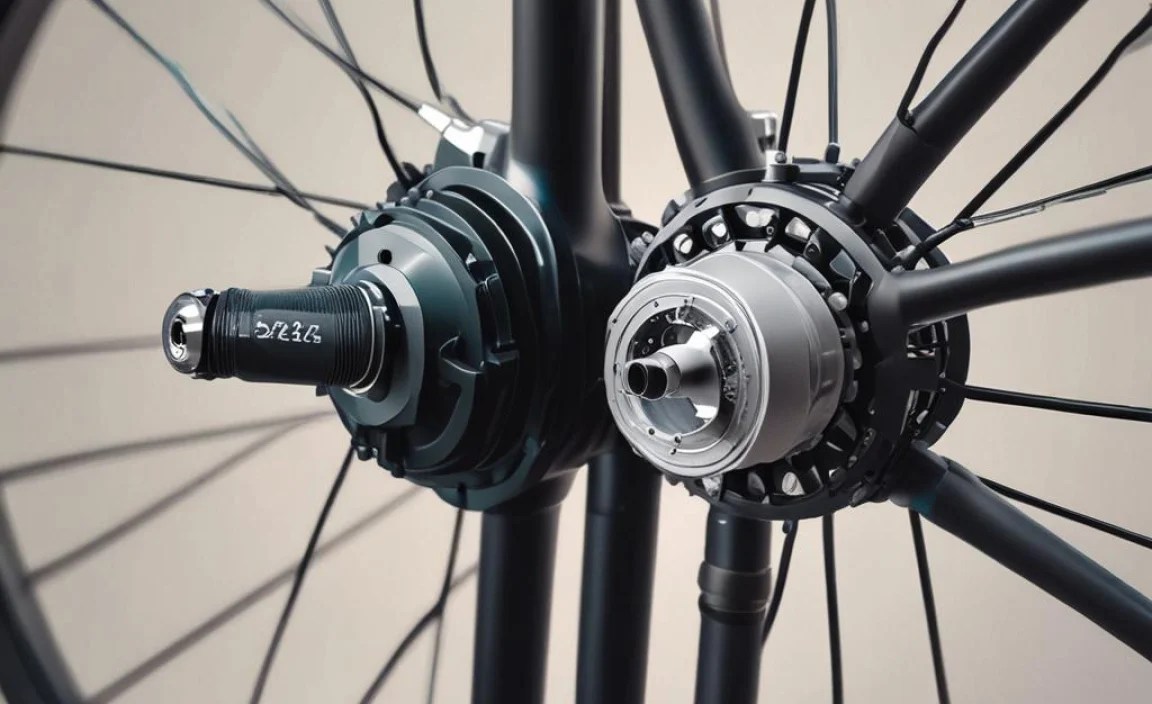
While dual head chucks are generally great, there are a few potential downsides to consider.
- Potential for Leaks: Some models, especially lever-actuated ones, might leak if not properly sealed.
- Complexity: More moving parts can mean more potential points of failure.
- Cost: Pumps with dual head chucks might be slightly more expensive than those with single heads.
Step-by-Step Guide: Using a Dual Head Chuck

Here’s a detailed guide on how to use a dual head chuck effectively.
Step 1: Prepare Your Bike and Pump
Before you start, make sure your bike is stable and your pump is within easy reach.
- Position the Bike: Place your bike on a stand or lean it against a wall.
- Check the Pump: Ensure the pump is in good working condition.
- Locate the Valve: Find the valve on your tire.
Step 2: Identify the Valve Type
Determine whether you have a Presta or Schrader valve. Look at the valve itself – Presta valves are narrow with a lock nut at the tip, while Schrader valves are wider and look like car tire valves.
Step 3: Select the Correct Opening on the Chuck
Choose the opening on the dual head chuck that matches your valve type. Most chucks are clearly labeled with “Presta” and “Schrader.”
Step 4: Attach the Chuck to the Valve
This step requires a bit of technique to ensure a good seal.
- Presta Valve:
- Unscrew the lock nut at the tip of the valve.
- Gently push the valve tip to ensure it’s not stuck.
- Firmly press the Presta opening of the chuck onto the valve.
- If using a lever-actuated chuck, engage the lever to secure the connection.
- Schrader Valve:
- Remove the valve cap.
- Firmly press the Schrader opening of the chuck onto the valve.
- If using a lever-actuated chuck, engage the lever to secure the connection.
Step 5: Inflate the Tire
Now it’s time to inflate the tire. Keep an eye on the pressure gauge if your pump has one.
- Start Pumping: Use smooth, consistent strokes.
- Monitor Pressure: Check the pressure gauge to avoid over-inflation.
- Optimal Pressure: Refer to the recommended pressure range on the tire sidewall.
Pro Tip: Maintaining the correct tire pressure improves your bike’s performance and prevents flats. For more information, check out resources like Bicycle Rolling Resistance for detailed tire pressure data.
Step 6: Remove the Chuck
After reaching the desired pressure, carefully remove the chuck from the valve.
- Disengage Lever (if applicable): Release the lever on lever-actuated chucks.
- Pull Straight Back: Gently pull the chuck straight back from the valve.
- Presta Valve: Screw the lock nut back on the valve.
- Schrader Valve: Replace the valve cap.
Step 7: Check the Tire
Give the tire a quick check to ensure it’s properly inflated and there are no leaks.
- Visual Inspection: Look for any bulges or deformities.
- Pressure Check: Squeeze the tire to get a feel for the pressure.
- Listen for Leaks: Place your ear near the valve to listen for any hissing sounds.
Troubleshooting Common Issues
Sometimes, you might encounter issues while using a dual head chuck. Here are some common problems and how to fix them.
Air Leaks
If you hear air leaking while pumping, check the following:
- Chuck Connection: Ensure the chuck is firmly attached to the valve.
- Valve Condition: Make sure the valve is not damaged or bent.
- Chuck Seals: Inspect the rubber seals inside the chuck for wear or damage.
If the seals are worn, you might need to replace the chuck or the entire pump head. Replacement parts are often available from the pump manufacturer.
Difficulty Attaching the Chuck
If you’re having trouble attaching the chuck to the valve:
- Valve Obstruction: Check for dirt or debris blocking the valve opening.
- Chuck Compatibility: Ensure you’re using the correct opening for your valve type.
- Chuck Alignment: Make sure the chuck is aligned straight with the valve.
Pump Not Building Pressure
If the pump isn’t building pressure, the issue might be with the pump itself rather than the chuck.
- Piston Seal: Check the piston seal inside the pump cylinder.
- Hose Connection: Ensure the hose is securely connected to the pump and chuck.
- One-Way Valve: The one-way valve inside the pump might be stuck or damaged.
Regular maintenance, such as lubricating the piston seal, can help prevent these issues. You can find detailed maintenance guides on websites like Park Tool.
Choosing the Right Dual Head Chuck Pump
When selecting a pump with a dual head chuck, consider the following factors:
- Pump Type: Floor pumps are great for home use, while mini-pumps are more portable for on-the-go inflation.
- Chuck Type: Threaded chucks offer a more secure connection, while lever-actuated chucks are quicker to use.
- Pressure Gauge: A built-in pressure gauge helps you inflate your tires to the correct pressure.
- Build Quality: Look for durable materials and solid construction.
- Brand Reputation: Choose a reputable brand known for quality and reliability.
Here’s a comparison of some popular pump types:
| Pump Type | Pros | Cons | Best For |
|---|---|---|---|
| Floor Pump | High volume, stable, accurate pressure gauge | Less portable, not ideal for on-the-go repairs | Home use, precise inflation |
| Mini-Pump | Portable, lightweight, easy to carry | Lower volume, can be tiring to use, less accurate gauge | On-the-go repairs, emergency inflation |
| CO2 Inflator | Fast inflation, very compact | Requires CO2 cartridges, can be wasteful | Quick fixes during races, emergencies |
Maintaining Your Dual Head Chuck
Proper maintenance can extend the life of your dual head chuck and ensure it works reliably.
- Clean Regularly: Wipe the chuck with a clean cloth to remove dirt and debris.
- Inspect Seals: Check the rubber seals for wear or damage. Replace them if necessary.
- Lubricate: Apply a small amount of silicone grease to the seals to keep them supple.
- Store Properly: Store the pump in a clean, dry place to prevent corrosion.
FAQ About Dual Head Chucks
What is the main advantage of a dual head chuck?
The main advantage is convenience. It allows you to easily inflate both Presta and Schrader valves without needing to switch parts or use adapters.
Are dual head chucks more prone to leaks?
Some lever-actuated models can be, especially if not properly sealed. Threaded chucks generally offer a more secure, leak-free connection.
Can I replace the seals on a dual head chuck?
Yes, you can often replace the rubber seals inside the chuck. Contact the pump manufacturer for replacement parts.
What’s the difference between a threaded and lever-actuated chuck?
Threaded chucks screw onto the valve for a secure connection, while lever-actuated chucks use a lever to clamp onto the valve. Threaded chucks are more reliable, but lever-actuated chucks are quicker to use.
How do I know which opening to use on the chuck?
The openings are usually labeled “Presta” and “Schrader.” Match the opening to your valve type – Presta valves are narrow, while Schrader valves are wider.
Do all bike pumps come with dual head chucks?
No, not all bike pumps have dual head chucks. It’s a feature you should look for when purchasing a new pump if you have bikes with both valve types.
Is it worth upgrading to a pump with a dual head chuck?
If you own bikes with both Presta and Schrader valves, upgrading to a pump with a dual head chuck can save you time and hassle.
Conclusion
A dual head chuck is a simple but effective feature that can make bike maintenance much easier. By understanding how it works and following the steps outlined in this guide, you can confidently inflate your tires and keep your bikes running smoothly. Whether you’re a seasoned cyclist or just starting out, a dual head chuck is a valuable addition to your toolkit. Happy riding!


