
Pump for Dunlop Valve Type: The Easy Inflation Secret

Quick Summary: Pumping a Dunlop valve (also known as a Woods valve) is straightforward. You’ll need a pump with a Presta/Schrader compatible head. Simply attach the pump head firmly to the valve, ensure it’s sealed, and start pumping. Monitor the pressure with a gauge, if available, and stop when you reach your desired PSI. Remember to quickly detach the pump to minimize air loss!
Ever wrestled with a tire that just won’t inflate properly? If your bike has Dunlop valves, you’re not alone. These valves, common on older bikes and in some parts of the world, can seem a bit mysterious at first. Many cyclists find them confusing because they look different from the more common Presta and Schrader valves. But don’t worry! Pumping up a Dunlop valve is actually quite simple once you know the trick. This guide will walk you through the process step-by-step, ensuring you get back on the road quickly and easily. We’ll cover everything from identifying a Dunlop valve to choosing the right pump and inflating your tires to the perfect pressure. Get ready to say goodbye to flat tires and hello to smooth riding!
What is a Dunlop Valve?

Before we dive into pumping, let’s make sure we’re all on the same page. A Dunlop valve, also known as a Woods valve, is a type of bicycle valve commonly found on older bikes, particularly in Europe and Asia. It’s characterized by its narrower appearance than a Schrader valve but not as narrow as a Presta valve. It is often made of two pieces, where the core can be removable to add sealant or replace a worn valve.
Identifying a Dunlop Valve
Here’s how to spot a Dunlop valve:
- Shape: It looks similar to a Presta valve but is usually a bit wider.
- Location: Common on older European and Asian bikes.
- Operation: Unlike Presta valves, Dunlop valves don’t have a locking nut to unscrew.
Tools You’ll Need
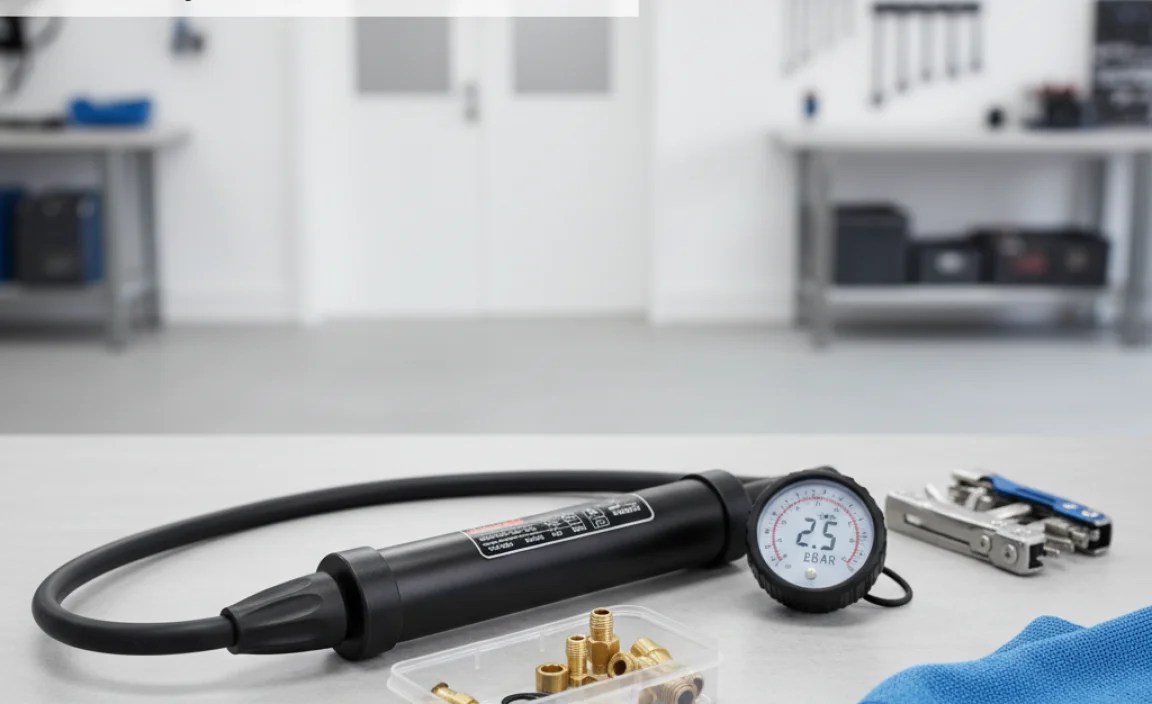
Luckily, you probably already have everything you need:
- Bike Pump: Most modern pumps with a Presta/Schrader head will work.
- Optional: Tire pressure gauge (if your pump doesn’t have one).
Step-by-Step Guide: Pumping a Dunlop Valve

Ready to inflate? Follow these simple steps:
Step 1: Prepare the Valve
Make sure the valve is in the open position. Dunlop valves don’t have a locking nut like Presta valves. If the valve core is tight, you can carefully loosen it slightly to allow air to flow in, but this is usually not necessary. If you hear air escaping before attaching the pump, this means that the valve is open.
Step 2: Attach the Pump Head
Most modern bike pumps have a head that works for both Presta and Schrader valves. It will also work on Dunlop valves. Firmly press the pump head onto the valve. Ensure it’s a snug fit to prevent air leakage. Some pumps have a lever to lock the head in place; if yours does, engage it.
Step 3: Start Pumping
Begin pumping in a smooth, steady motion. If you hear air escaping, double-check that the pump head is securely attached. If you still have leaks, try repositioning the pump head or adjusting the valve core slightly.
Step 4: Monitor the Pressure
If your pump has a built-in gauge, keep an eye on the pressure. If not, use a separate tire pressure gauge to check the pressure periodically. Refer to the recommended PSI (pounds per square inch) or BAR (metric unit of pressure) printed on the sidewall of your tire. Do not exceed the maximum recommended pressure.
Step 5: Detach the Pump
Once you reach the desired pressure, carefully detach the pump head. Some air will likely escape when you remove the pump. That’s normal. The valve is designed to seal itself once the pump is removed.
Troubleshooting Common Issues
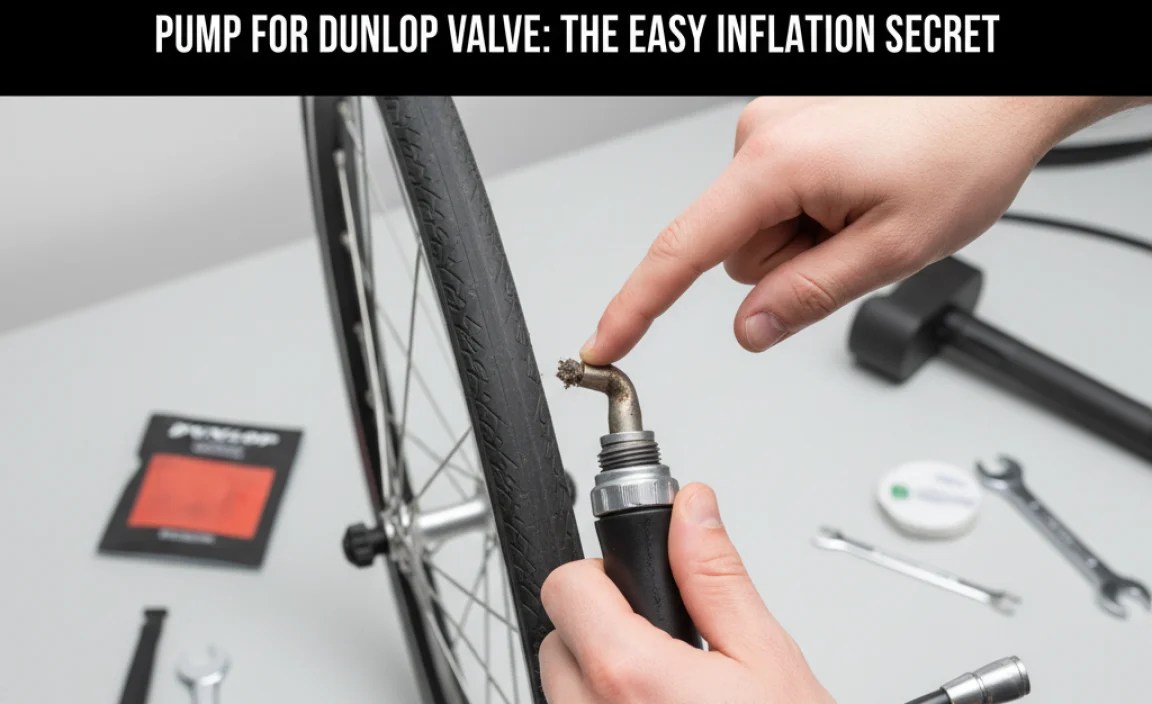
Sometimes, things don’t go as planned. Here are a few common problems and how to fix them:
- Air Leakage: Make sure the pump head is securely attached. Check the valve core for damage.
- Pump Not Inflating: Ensure the valve is open. Try a different pump head.
- Incorrect Pressure Reading: Use a reliable tire pressure gauge to double-check.
Choosing the Right Pump
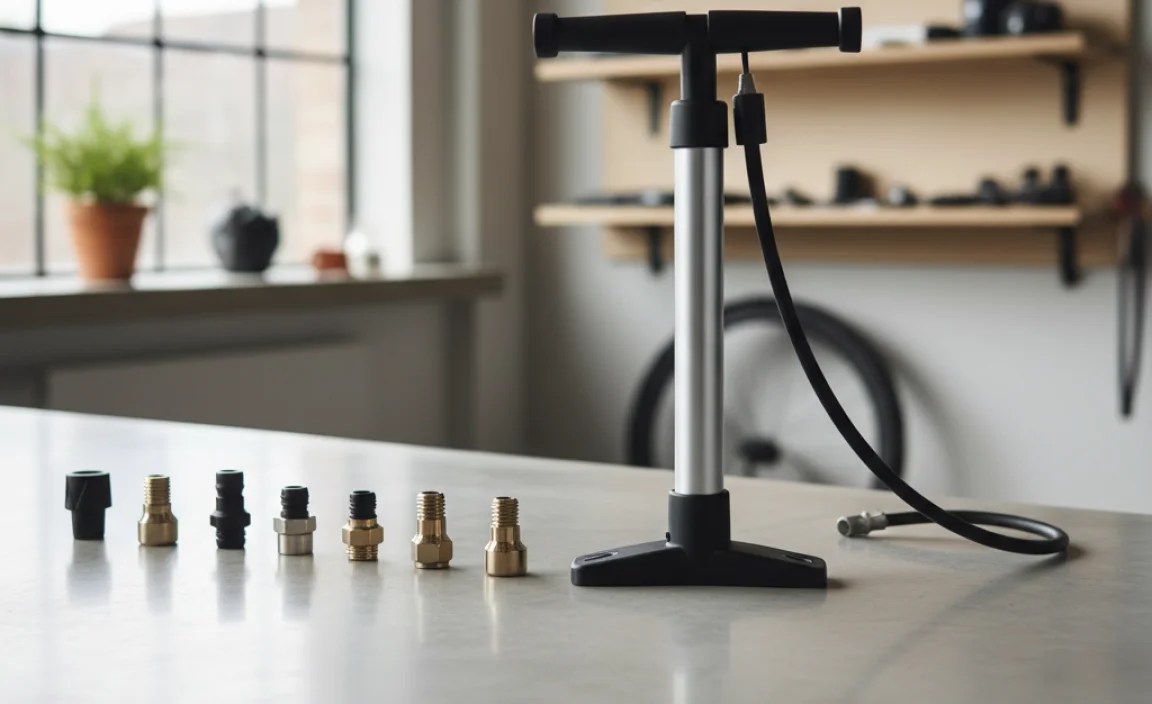
While most pumps work with Dunlop valves, here’s what to look for when buying a new one:
- Dual Head: A pump head that accommodates both Presta and Schrader valves will also work with Dunlop valves.
- Pressure Gauge: A built-in gauge makes it easier to inflate your tires to the correct pressure.
- Durability: Look for a pump made from high-quality materials that will last.
Here’s a comparison table of different types of bike pumps:
| Pump Type | Pros | Cons | Best For |
|---|---|---|---|
| Floor Pump | High volume, easy to use, accurate gauge | Less portable, takes up space | Home use, inflating tires quickly |
| Hand Pump | Portable, lightweight | Lower volume, can be tiring to use, less accurate gauge | On-the-go repairs, topping off pressure |
| CO2 Inflator | Very fast inflation, compact | Single use, requires cartridges, can be wasteful | Emergency repairs, racing |
| Mini Pump | Extremely portable, very lightweight | Low volume, can be difficult to use, least accurate gauge | Emergency repairs, minimalist cyclists |
Maintaining Your Dunlop Valves
Proper maintenance will keep your Dunlop valves working smoothly:
- Check Regularly: Inspect the valves for damage or leaks.
- Clean: Keep the valves clean and free of debris.
- Replace if Needed: If a valve is damaged or leaking, replace it promptly.
Understanding Tire Pressure
Maintaining the correct tire pressure is crucial for a comfortable and efficient ride. Here’s what you need to know:
- Check the Sidewall: The recommended PSI or BAR is printed on the sidewall of your tire.
- Consider Your Weight: Heavier riders may need to inflate their tires to a higher pressure.
- Adjust for Terrain: Lower pressure can provide better traction on rough terrain.
Here’s a table showing recommended tire pressure ranges for different types of bikes and riding conditions:
| Bike Type | Riding Condition | Recommended Tire Pressure (PSI) |
|---|---|---|
| Road Bike | Smooth Pavement | 100-120 |
| Road Bike | Rough Pavement | 90-110 |
| Gravel Bike | Gravel Roads | 40-60 |
| Mountain Bike | Dry Trails | 25-35 |
| Mountain Bike | Wet Trails | 22-32 |
| Hybrid Bike | Road/Path | 50-70 |
| City Bike | Road/Path | 40-60 |
Tips for a Smooth Ride
Here are a few extra tips to enhance your cycling experience:
- Carry a Pump: Always bring a pump with you on your rides. A mini-pump or CO2 inflator can be a lifesaver.
- Check Pressure Regularly: Check your tire pressure before each ride to ensure optimal performance.
- Learn to Patch a Tire: Knowing how to fix a flat tire will keep you rolling.
The Physics of Tire Pressure
Understanding the science behind tire pressure helps you optimize your ride. Air pressure inside the tire supports the weight of the rider and bike. The correct pressure minimizes rolling resistance, improves handling, and prevents pinch flats. Overinflating can lead to a harsh ride and increased risk of tire damage, while underinflating increases rolling resistance and the chance of a flat tire. For a more in-depth understanding of tire pressure, resources like those available on reputable cycling websites such as BikeRadar offer detailed explanations.
Valve Adapters: When You Need Them
While most modern pumps can handle Dunlop valves, there might be situations where an adapter comes in handy. Adapters are small attachments that convert one valve type to another. For instance, you might use an adapter to inflate a Dunlop valve with a pump designed specifically for Schrader valves, like those found at gas stations. Adapters are inexpensive and readily available at bike shops or online. Keep in mind that using an adapter might make the inflation process slightly less efficient, but it can be a useful solution in a pinch. High-quality adapters ensure a tight seal and minimize air leakage during inflation. For reliable cycling products, you can explore brands like Park Tool.
Advanced Techniques for Stubborn Valves
Sometimes, despite your best efforts, a Dunlop valve can be stubborn and refuse to inflate properly. In such cases, a few advanced techniques might help. First, try lubricating the valve core with a small amount of silicone-based lubricant. This can help improve the seal and allow air to flow more freely. Second, if the valve core is removable, carefully remove it and inspect it for damage or debris. Clean the core and the valve stem thoroughly before reassembling. Finally, consider using a valve core tool to ensure the core is properly tightened. These tools are designed to provide the correct amount of torque without damaging the valve. If all else fails, it might be time to replace the valve core or the entire valve. Remember to consult resources like the Sheldon Brown website for detailed guides on bike maintenance and repair.
FAQ: Pumping Dunlop Valves
Q: Can I use a regular Schrader pump on a Dunlop valve?
A: Yes, most modern pumps with a Presta/Schrader head will work on Dunlop valves. Just make sure the pump head is securely attached.
Q: How do I know what pressure to inflate my tires to?
A: Look for the recommended PSI or BAR printed on the sidewall of your tire. Don’t exceed the maximum pressure.
Q: Why is air leaking when I try to pump my Dunlop valve?
A: Make sure the pump head is securely attached. Check the valve core for damage. It is normal for a little air to escape when removing the pump.
Q: What if my pump doesn’t have a pressure gauge?
A: Use a separate tire pressure gauge to check the pressure periodically.
Q: How often should I check my tire pressure?
A: Check your tire pressure before each ride for optimal performance.
Q: Can I convert a Dunlop valve to a Presta or Schrader valve?
A: Yes, valve converters are available. However, it’s often easier to simply use a pump that’s compatible with Dunlop valves.
Q: My Dunlop valve seems stuck. What should I do?
A: Try lubricating the valve core with a small amount of silicone-based lubricant. If that doesn’t work, you may need to replace the valve core or the entire valve.
Conclusion
Pumping a Dunlop valve doesn’t have to be a challenge. With the right tools and a little know-how, you can easily inflate your tires and get back to enjoying your ride. Remember to check your tire pressure regularly, maintain your valves, and don’t be afraid to experiment to find the perfect pressure for your riding style and conditions. Happy cycling!


